
Mark Sweetinburgh is a dual-qualified patent and trade mark attorney and co-founder of Sweetinburgh & Windsor. Based in Crawley, he works closely with UK businesses to provide commercially focused IP advice. His perspective reflects both long-standing technical expertise and the realities of running an independent IP firm.
Quick profile
Name:Mark Sweetinburgh Role: Partner, Patent and Trade Mark Attorney Firm:Sweetinburgh & Windsor Location: Crawley, West Sussex, UK Areas of expertise: Patents, trade marks, registered designs, freedom to operate, commercially focused IP strategy
From biochemistry to intellectual property
Mark’s route into the IP profession was shaped by curiosity rather than a fixed career plan. After studying biochemistry at the University of Bath, he knew research was not for him long term. What appealed instead was understanding how things work and applying that knowledge in a practical way.
An advert in New Scientist introduced him to the patent profession, without the language requirements he had assumed were mandatory. The role offered variety, exposure to cutting-edge technology, and a legal dimension that appealed. He entered the profession in 2001 and trained in London before deciding that commuting and city life were not where he wanted to stay.
Shaping a commercially focused approach
Mark’s early years were spent in medium-sized firms with strong client contact. Working closely with universities and SMEs helped shape a practical, commercially minded outlook that still defines his work today.
Although trained as a biochemist, his practice quickly broadened. Mechanical inventions, trade marks and infringement matters became part of his everyday work. That breadth, he feels, benefits many of the businesses he works with, particularly those looking for joined-up advice across patents, trade marks and designs alongside their wider commercial strategy.
A consistent question has guided his career: what is the point of filing a patent? Keeping that commercial focus has influenced both the advice he gives and the type of firm he wanted to build.
Founding an independent firm
The idea of running his own firm appealed early on and Mark founded
Sweetinburgh & Windsor in 2011 with Louise Windsor. With a growing team they have expanded their technical expertise whilst keeping a focus on what is important to clients and work closely with clients who value a hands-on, almost in-house style of support.
Wearing multiple hats
Day to day, Mark balances technical work with the realities of running a small business. Client work remains central, but his role also involves marketing, training, managing the team and thinking strategically about growth.
He enjoys the variety. Working with clients on grant funding, freedom to operate and IP strategy keeps the role interesting and connected to how businesses actually operate.
Training is another important strand. Mark regularly works with inventors to help them recognise patentable ideas and understand how IP fits into their wider commercial plans. He also delivers talks to students and schools, helping demystify the profession and highlight it as a career option.
How the profession has changed
One of the biggest shifts Mark has seen is the changing structure of the profession itself. When he started, most firms were London-based and relatively large. Regional and small independent firms were far less common.
That has changed significantly, particularly over the past decade. Remote working and consultancy models have opened up more choice, both for clients and for IP professionals. Mark sees this as a positive development. Businesses can now choose advisers that better match their size, sector and way of working.
The role of the patent attorney has also evolved. It is no longer about reading and writing letters in isolation. Client contact, commercial awareness and strategic thinking are now central to the job.
Leading and supporting others
Mark describes his leadership style as leading by example. Experience has shaped his approach, but the core aim has stayed the same: creating an environment where people are supported and able to shape their roles around their interests.
Flexibility is key. In a smaller firm, roles can evolve, and that adaptability benefits both staff and clients. Mark sees this as one of the strengths of independent practice.
Outside the office
Away from work, Mark values time that helps him switch off. He enjoys spending time with family, walking, reading and DIY. Fixing and building things has been a long-standing interest, one that mirrors his professional curiosity.
Sport also plays a role. He plays football weekly when he can, enjoys golf, and likes watching a wide range of sports. Switching off work phones and creating clear boundaries is important, particularly in a world of hybrid working.
Reflections and lessons learned
Looking back, one lesson stands out. Peaks and troughs are part of professional life, especially when running a firm. Learning not to panic during quiet periods, and not to struggle in silence during busy ones, has been important.
Asking for help, outsourcing when needed, and being open about workload are lessons Mark wishes he had embraced earlier. They remain relevant at every stage of a career.
Upcoming events
Mark is planning to attend CITMA in London in March and INTA in London in May. If you’re attending either event and would like to connect, he’s always happy to hear from fellow IP professionals.
Meet the IP Professional is a PatWorld interview series exploring the people and perspectives shaping the intellectual property profession. Discover more interviews in the Meet the IP Professional hub, and find out more about PatWorld — a global IP search provider working with IP professionals worldwide to support informed patent, design and trade mark decisions — on our About Us page.
Nonny Jones is a UK and European patent attorney and co-founder of Alembia Intellectual Property. With a background in chemistry and extensive experience in the pharmaceutical sector, he brings a practical, commercially aware approach shaped by years spent on the in-house side of the table.
Quick profile
Name:Nonny Jones Role: Patent Attorney, Co-owner and Co-founder Firm:Alembia Intellectual Property Location: United Kingdom Areas of expertise: Chemistry, life sciences, pharmaceuticals, patent drafting and prosecution, portfolio strategy, due diligence, licensing and litigation support
From chemistry to patent law
Nonny’s route into patent law was far from pre-planned. He trained as an organic chemist, completing a PhD and spending several years in academia before achieving a long-held ambition: becoming a medicinal chemist hunting new drugs. It was during this time, working within a large pharmaceutical company, that he first encountered patents at close quarters.
Rather than sparking immediate fascination, those early encounters were tinged with apprehension. Patents, he recalls, were both critical and intimidating. They underpinned everything the wider business was doing, yet felt complex and high-stakes. Over time however, that exposure, combined with conversations with friends who had moved into patent law, planted a seed.
A major turning point came when the research site where Nonny worked unfortunately closed. While challenging, redundancy opened up an unexpected opportunity: an trainee patent attorney role within the same organisation. The move proved formative.
Training inside a company meant going in at the deep end, with huge responsibility from day one. While initially intimidating, being embedded in project teams, addressing intertwined scientific, legal and commercial issues, and seeing how IP decisions played out across the full lifecycle of a product provided a unique, commercially-focussed grounding that has informed Nonny’s approach to patent work ever since.
“It was a privileged position,” he reflects. “As an in-house patent attorney, you experience everything, from early research through to commercial strategy. You see first-hand the impact of IP-related decisions and events on development, which teaches how to spot and mitigate issues early.”
Shaping a career through challenge and risk
As his career progressed, Nonny found himself repeatedly stepping into situations that felt uncomfortable at the time, but ultimately shaped how he works today. One such moment was taking on responsibility for coordinating complex litigation on a major pharmaceutical product while still relatively junior.
The experience was demanding, but rewarding. It required judgement, confidence and the ability to make decisions with imperfect information, often under extreme time pressure – all key patent attorney skills which were developed and tested in courts across Europe.
That willingness to take calculated risks eventually led to Nonny leaving industry for private practice and co-founding Alembia Intellectual Property with his business partner, Lucy. What began as a daunting idea soon felt like a logical next step.
“It wasn’t about trying to disrupt the profession,” he says. “It was more about asking whether we could build something successful that reflected how we liked to work.”
Eight years later, Alembia Intellectual Property is still growing, shaped by those early decisions and a shared set of values. The practice has even been externally recognised: “one unexpected milestone we’re very proud of is being listed since 2020 in the IAM patent 1000 alongside many other great UK and European patent firms – a huge achievement for a small boutique like ours, and particularly pleasing because it’s based on direct client feedback”.
A varied role with a familiar focus
Today, Nonny’s role combines client work with running a small business. While company management and business development are part of the picture, he spends most of his time doing what he enjoys most: working closely with clients on a wide range of IP issues.
The work spans patent drafting, strategic advice, due diligence, licensing and agreement work as well as occasional litigation support. Moving from an in-house role to private practice has increased the variety of subject matter Nonny handles, and it now extends not only across life sciences but into engineering and materials technology. It has also brought exposure to client companies of different sizes, at different stages, with very different priorities.
What hasn’t changed is the mindset. Nonny remains focused on understanding what clients are trying to achieve and tailoring IP advice accordingly, rather than treating patents as an end in themselves. In this respect, his industrial background provides a particular advantage: “having worked on in- and out-licensing for one of the world’s largest pharma companies, Lucy and I know first-hand what investors are looking for in an IP portfolio. It’s great to be able to apply that knowledge to help current clients secure funding and reach their own goals.”
Chemistry at the centre
Chemistry continues to underpin much of Nonny’s practice. He sees it as a central discipline, connecting physics on one side and biology on the other, which makes it possible for chemically-trained patent attorneys to work across multiple fields.
His background as a medicinal chemist also makes it easier to move seamlessly between small molecule chemical, biological, and pharmaceutical development inventions, a significant advantage when assisting modern clients who often use multi-modal approaches to drug discovery.
Making “pseudo in-house” practical
Alembia often describes its approach as “pseudo in-house”, a term Nonny is keen to ground in reality rather than rhetoric. For him, it comes down to accessibility.
Small and growing companies often hesitate to speak to lawyers early, particularly when budgets are tight. That hesitation can lead to avoidable problems later. Alembia’s aim is to lower that barrier by encouraging informal conversations and focusing billing on substantive work, rather than ringing up the till for every interaction.
The goal is not to replicate an in-house attorney exactly, but to create a proactive, informal environment where clients feel able to ask questions early and often.
“I’d rather spend ten minutes on the phone helping someone think something through before it becomes an issue than hours to try and fix a problem after the fact,” Nonny explains.
Balancing detail with commercial reality
For Nonny, good patent advice starts with outcomes. While technical detail and legal nuance are essential, they only matter if they serve a client’s broader goals.
He is conscious of the temptation to over-focus on the intricacies of patent law, particularly when speaking to non-specialists. Instead, he prioritises clarity, helping clients understand how IP can help clients achieve their goals, and only getting into the technical weeds when it is important to show why a particular strategy makes sense.
Navigating change in the IP landscape
Asked about recent changes in the profession, Nonny points to artificial intelligence as both an opportunity and a challenge.
Used carefully, AI can be a powerful tool for summarising information and checking thinking. Used uncritically, it carries real risks.
Machine-learning hallucinations, confidentiality concerns and over-reliance are all issues he believes the profession must manage carefully. While optimistic about AI’s long-term potential, he emphasises the continued need for judgement, diligence and accountability.
“AI users don’t just need answers,” he says. “They need confidence in those answers.”
For now, Nonny sees AI as a potentially transformative resource to be handled carefully, not delegated to blindly.
Values that guide the work
Across a varied career, one value has remained central for Nonny: taking pride in his work.
Patents are often stressful for clients, high-stakes by nature, and slow to deliver results. Helping clients navigate that process, make informed decisions, and move forward with confidence is where he finds the most satisfaction. Whether the task is large or small, the aim is always the same: to make something difficult feel more manageable, and enable clients to focus on the day-to-day business of getting their innovations to market.
Advice for those considering IP
For scientists thinking about patent law, Nonny offers an honest assessment. The career can be intellectually stimulating and rewarding, combining science, law and commercial thinking in a way few roles do.
At the same time, it carries pressure and responsibility. Deadlines are tight, decisions matter, and the work demands care.
His advice is to speak to people in the profession, seek exposure where possible, and understand what the role really involves before committing.
“It’s not for everyone,” he says. “But for the right person, it can be incredibly satisfying.”
Life beyond IP
Outside work, Nonny’s life centres on family. With a young son (and cat!) and the demands of running a business, switching off is less about hobbies and more about spending quality time together.
He also retains a strong connection to Anglesey, where he grew up. A coastal walk from Bull Bay to Porth Wen remains a favourite, offering rugged scenery, wildlife and a sense of perspective when he gets the chance to return.
Looking forward
Reflecting on his career so far, Nonny takes pride in key career milestones that include high pressure licensing deals, litigation wins and the formation of Alembia IP, but also his everyday work. While the big ticket results often get the most attention, he still finds few things as satisfying as successfully arguing against a complex patent office objection, or informing a client of a patent grant.
For him, success lies in steady progress, thoughtful, accessible advice and long-term relationships built on trust.
Meet the IP Professional is a PatWorld interview series exploring the people and perspectives shaping the intellectual property profession. Discover more interviews in the Meet the IP Professional hub, and find out more about PatWorld — a global IP search provider working with IP professionals worldwide to support informed patent, design and trade mark decisions — on our About Us page.
Mark Jolly is a partner and patent and design attorney at Wilson Gunn, based in Manchester. With a practice spanning patents, registered designs and enforcement work, he brings a practical, people-focused approach to advising clients across automotive, medical devices and fast-moving consumer goods.
Quick profile
Name:Mark Jolly Role: Partner, Patent and Design Attorney Firm:Wilson Gunn Location: Manchester, UK Areas of expertise: Patents, registered designs, IP enforcement, strategic IP advice
Finding a route into IP
Mark’s path into intellectual property was more deliberate than many. At school, he chose a degree that combined science with patent law, allowing him to pursue both a technical subject he enjoyed and an early interest in legal work. A sandwich year spent with a firm of patent attorneys during his studies confirmed that the profession was the right fit.
That early exposure meant Mark entered the profession with clarity about what he wanted to do. He spent around a decade at a London firm before making the move to Manchester and joining Wilson Gunn, where he has now been for over ten years.
A role shaped by people and opportunity
Today, Mark’s role as a partner combines advisory work, supervision and strategic thinking. While he is still closely involved in client matters, much of his time is spent discussing approach, reviewing work prepared by colleagues, and helping shape broader portfolio strategies.
He reflects that this is a natural shift many patent attorneys experience over time. Early career work after qualification can be solitary and document-heavy, while senior roles tend to involve far more conversation, collaboration and judgement. For Mark, that evolution has been a positive one.
Building a design-focused practice
A notable feature of Mark’s work is the volume of registered design and enforcement matters he handles. He traces this specialism back largely to chance and curiosity. Early in his career, he took an interest in design law at a time when European registered designs were brand new, and that willingness to “put his hand up” led to more work in the area.
Design work, he explains, offers a different rhythm to patents. It can be more visual, more immediate, and often allows for quicker initial views. That contrast, along with the creative thinking involved in defining what really matters in a design and working out how to protect that across the quite disparate systems of international design protection, is something he continues to enjoy.
Enforcement followed a similar path. At Wilson Gunn, there is a greater appetite for handling contentious work in-house, at least in its early stages. Over time, this has built confidence and experience, making enforcement a more routine and less intimidating part of his practice.
Working with clients who value IP
Mark works with clients across automotive, medical devices and fast-moving consumer goods, each bringing different rewards. Automotive work reflects a lifelong personal interest, while FMCG clients offer the satisfaction of working on products that are tangible, familiar and visible in the market.
He particularly values working with businesses where intellectual property is central to commercial success. In those cases, IP is not an afterthought but an integral part of product development, with advisers playing a role in shaping innovation as well as protecting it.
Across all sectors, Mark emphasises the importance of relationships. Enjoyment of the work often comes down to the people involved, both clients and colleagues, and he considers himself fortunate to work with teams that collaborate well and share common goals.
Rigour first, then commercial reality
When advising clients, Mark does not see legal and commercial considerations as competing forces. In his view, understanding the legal position is a necessary first step. Only once that groundwork is done can realistic commercial options be explored.
This approach is particularly important in enforcement matters, where time, cost and outcomes rarely align perfectly with principle. Helping clients develop realistic expectations is, he says, a key part of the advisor’s role.
A changing enforcement landscape
One of the biggest challenges Mark sees today is the shift of enforcement activity away from courts and towards online platforms. Takedown procedures on large e-commerce sites can be fast and effective, but also inconsistent, with the likes of Amazon sometimes acting on design rights that are clearly invalid.
This creates uncertainty for both rights holders and legitimate businesses who are accused of infringement. Mark has been closely involved in discussions and official consultations around these issues, drawing on his day-to-day experience to inform proposed solutions and contributing to CIPA’s submissions.
Life beyond IP
Outside work, Mark keeps busy. He spends much of his time with his young children, fitting his own interests around their activities. He enjoys backgammon, squash, cricket and skiing. And, finds that being active—particularly in the mountains—is one of the best ways to switch off.
Advice shaped by experience
For those considering a career in IP, Mark’s message is simple. It is a rewarding profession with room to shape a career around individual strengths. He encourages people to get involved, ask questions, and volunteer for work that interests them.
Just as importantly, he notes that enjoyment of the profession often depends on environment. A difficult experience in one role does not mean the career itself is wrong. Finding the right people to work with can make all the difference.
Meet the IP Professional is a PatWorld interview series exploring the people and perspectives shaping the intellectual property profession. Discover more interviews in the Meet the IP Professional hub. Find out more about PatWorld — a global IP search provider working with IP professionals worldwide to support informed patent, design and trade mark decisions — on our About Us page.
Simon Kremer is a Partner and European and UK Patent Attorney at Mewburn Ellis, specialising in life sciences. With nearly three decades at the firm, he brings a deeply practical perspective shaped by experience across patents, oppositions, appeals and long-standing client relationships.
Quick profile
Name:Simon Kremer Role: Partner, European & UK Patent Attorney Firm:Mewburn Ellis LLP Location: London, UK Areas of expertise: Life sciences patents, oppositions and appeals at the European Patent Office, synthetic and engineering biology, therapeutics, plant biotechnology, due diligence
Finding a route into IP
Simon’s route into intellectual property was not a planned one. After completing a PhD in biochemistry at the University of Bristol and spending time working at the laboratory bench, he realised that an academic career was not the right long-term fit. A visit to the university careers service in the early 1990s introduced him—almost by chance—to the patent attorney profession.
What appealed was the combination of science and law, and the opportunity to continue engaging deeply with new technologies without remaining in academia. That balance has remained central to his career ever since.
A broad foundation in government IP
Before joining private practice, Simon began his IP career at the UK Ministry of Defence’s Intellectual Property Rights department. The role provided unusually broad exposure, covering far more than patents alone. His work ranged from contracts and procurement to international agreements, crown use provisions and advising other government departments that lacked their own IP expertise.
That experience gave him an early appreciation of how IP operates “at the coalface”, and of the consequences when it is handled poorly. Seeing how intellectual property decisions could affect everything from basic procurement to major defence projects helped shape his practical, commercially grounded approach.
Milestones rather than turning points
Looking back over almost 30 years at Mewburn Ellis, Simon does not frame his career in terms of dramatic turning points. Instead, he sees it as a series of professional milestones: conducting his first EPO hearings, leading Board of Appeal cases, meeting long-standing clients in person after years of correspondence, and guiding clients through major due diligence exercises.
Alongside these were internal milestones—joining the partnership, contributing to the firm’s growth, and training successive generations of patent attorneys. Over time, both Simon’s role and the firm itself evolved significantly, with Mewburn Ellis growing from a small partnership into a much larger organisation.
Balancing multiple responsibilities
Today, Simon’s role spans client work, mentoring, training, management responsibilities and business development. While the scope of the role has broadened over time, he remains closely involved in day-to-day client matters and values staying connected to the practical work.
His technical focus continues to be driven largely by clients. Areas such as synthetic and engineering biology, plant-related technologies and therapeutics feature prominently, reflecting both long-standing expertise and emerging technological importance.
Translating complexity into value
A recurring theme in Simon’s approach is experience—particularly the experience of seeing patents through their full lifecycle. Having drafted applications that have later been challenged and then exploited, he has developed a strong sense of how early drafting decisions can shape outcomes decades later.
This perspective allows him to anticipate what clients may need at different stages, even when they cannot articulate it themselves. For Simon, a key part of the patent attorney’s role is understanding not just the invention, but the purpose the IP needs to serve over time, while balancing commercial realities such as funding and cost.
The reality of oppositions and appeals
Oppositions and appeals before the European Patent Office form a significant part of Simon’s practice. He is candid about the demands of this work, describing the preparation phase as intense and emotionally draining. The challenge lies in mastering every detail and ensuring there are no surprises on the day.
The reward comes from presenting a case clearly and confidently, knowing that every argument has been tested in advance. While outcomes cannot always be controlled, Simon values ensuring that clients are fully prepared for both the process and the result.
Adapting to different clients
Simon works with a wide range of clients, from individual inventors and universities to multinational companies. Adapting his approach comes down, again, to experience. Different clients require different levels of explanation and guidance. Understanding the journey each client is likely to take helps shape how advice is delivered.
For some, the process is as much educational as it is legal; for others, it is about providing targeted support within an established in-house framework.
Industry pressures and evolving standards
When it comes to broader industry trends, Simon points less to headline topics and more to practical realities. Funding environments have a direct and immediate impact on patent strategy, particularly in the life sciences, where global protection is costly and long-term.
He also notes that as technologies mature and tools become more accessible, the bar for inventiveness continues to rise. Areas such as biotechnology require increasingly creative approaches to meet patentability standards, even as the underlying science becomes more routine.
Learning from the wider profession
Beyond client work, Simon has remained active within the profession through bodies such as CIPA. He values the opportunity to engage with peers outside his own firm in a collaborative rather than adversarial setting.
These interactions provide alternative perspectives and reinforce the social and collegiate nature of the profession. While they may not directly change day-to-day practice, they have helped shape the kind of attorney Simon has become.
Passing on hard-earned lessons
In mentoring younger colleagues, Simon focuses on helping them understand what clients truly value. While clients can assess responsiveness and reliability, they cannot easily judge the quality of a patent application. That responsibility rests firmly with the attorney.
Sharing lessons learned from seeing patents challenged years after drafting is central to his approach to training, helping the next generation appreciate the long-term impact of their decisions.
Life beyond IP
Outside work, Simon is an enthusiastic walker, particularly in the Lake District, where he has been visiting since childhood and has completed all of the Wainwrights. Football also plays a big part in his life, both as a player in five-a-side matches and (with the rest of the family) as a supporter of Sunderland AFC.
These activities provide a welcome counterbalance to the demands of professional life. Even if they sometimes have to be managed carefully alongside ageing knees and ankles.
Looking ahead
What continues to motivate Simon is the constant exposure to new technologies and the depth of long-term client relationships. Whether working with a familiar client or exploring a new disclosure, there is always something new to learn.
For those considering a career in patent law, his advice is to research the profession carefully. Also, join an organisation that is actively engaging with technological change, including the growing role of AI. Adaptability, he believes, will be as important in the future as experience has been in his own career.
Meet the IP Professional is a PatWorld interview series exploring the people and perspectives shaping the intellectual property profession. Discover more interviews in the Meet the IP Professional hub. Find out more about PatWorld — a global IP search provider working with IP professionals worldwide to support informed patent, design and trade mark decisions — on our About Us page.
Emilio Berkenwald is Partner and Head of the Patent Department at BERKEN IP in Argentina, where he leads a technically trained team handling substantive patent drafting and prosecution work. With a background in engineering, research and teaching, Emilio brings a European-style approach to patent practice, focused on technical depth, strategy and international collaboration.
Quick profile
Name: Emilio Berkenwald Role: Partner, Head of the Patent Department Firm:BERKEN IP Location: Buenos Aires, Argentina Areas of expertise: Patent drafting and prosecution, cross-border patent strategy, technically complex inventions, patent infringement and validity opinions, freedom-to-operate analyses, patent litigation counselling, IP training and education
A technical foundation shaped early on
Emilio’s route into patent law was shaped by both family influence and technical curiosity. Trained initially as a chemical engineer, he went on to complete a PhD in engineering before studying intellectual property law in Europe, including formal training in France.
Growing up in a household where patents were a regular topic of conversation — with a chemical engineer mother and a lawyer father — gave Emilio early exposure to the intersection between technology and law. While it didn’t immediately appeal, that combination later proved compelling. Particularly as he recognised the opportunity patents offered to work internationally, learn continuously, and engage deeply with innovation and new technologies.
Leading the patent function at BERKEN IP
As Head of the Patent Department at BERKEN IP, Emilio oversees all patent-related work at the firm. His role spans team leadership, technical supervision, strategic decision-making, and client communication, including the preparation of patent infringement and freedom-to-operate opinions, as well as strategic counselling in patent litigation matters, acting as the main interface between inventors, foreign associates and the firm’s legal and paralegal internal team.
Day to day, his focus is firmly technical. He works closely with the firm’s patent attorneys on drafting applications, responding to office actions, and shaping prosecution strategies and cooperates with the firm’s legal team specialized in technology contracts, litigation and enforcement. Administrative and formalities work is handled by a specialized team, allowing the technical team to concentrate on substantive patent matters.
Emilio also remains hands-on with his own cases, often reserving quieter periods of the day to work directly on complex files that require deeper technical attention.
A European-style approach in a Latin American context
One of the defining features of Emilio’s practice is his deliberate adoption of a European-style patent model within the Argentine system. While Argentina’s patent law itself draws heavily from European traditions, much of the local market is dominated by incoming foreign filings, with limited emphasis on drafting or strategic development.
Many firms, Emilio explains, are lawyer-led and focus primarily on procedural prosecution. By contrast, BERKEN IP has built a team of engineers and scientists who are trained to engage directly with inventors, draft applications from scratch, and think strategically about claim scope and future amendments.
This approach allows the firm to work closely with Argentine innovators from the earliest stages of development, rather than only entering the process once an application already exists.
Why technical training matters more than ever
For Emilio, strong technical training is fundamental to good patent work. It builds trust with clients, particularly inventors, who want reassurance that their ideas are fully understood and accurately represented.
As technologies become more complex and prior art landscapes more crowded, that technical grounding becomes even more critical. Patentability increasingly turns on small but meaningful distinctions, especially for incremental innovations. Understanding those distinctions — and how to defend them — requires more than legal knowledge alone.
Emilio also believes it is generally easier to teach patent law to engineers than to teach advanced engineering concepts to lawyers, particularly in a system where obtaining a technical degree can be lengthy and demanding.
Training the next generation of patent attorneys
Emilio personally oversees much of the in-house training at BERKEN IP. New technical team members begin with a broad grounding in intellectual property law, covering patents, trade marks and designs, to ensure they understand the wider IP context and client needs.
From there, training becomes increasingly patent-specific. Topics such as novelty, inventive step and priority are explored through real examples and practical exercises, encouraging critical thinking rather than rote learning.
This mirrors Emilio’s approach to teaching at university, where he focuses on helping students learn to develop critical thinking and to how to ask the right questions — a skill he sees as essential for both researchers and patent attorneys.
Adding value across borders
BERKEN IP’s technical approach also strengthens its relationships with foreign clients and associates. Having experience drafting applications themselves allows Emilio and his team to engage more meaningfully with prosecution strategies, suggest technically sound amendments, and adapt arguments across jurisdictions. This technical depth also supports the preparation of infringement, validity and freedom-to-operate opinions, and provides a solid foundation for advising on patent disputes and litigation strategies.
Their familiarity with practices in Europe, the US and elsewhere enables them to explain where Argentine requirements differ — and where flexibility exists — helping clients navigate cross-border portfolios more efficiently, both in prosecution and in litigation contexts.
By carrying out much of the technical work locally, the firm is also able to manage costs more effectively for Argentine clients while maintaining international standards.
Academia, communication and clarity
Alongside his legal practice, Emilio has maintained a long-standing academic role, teaching engineering subjects at university. His research background helps him understand the pressures researchers face, particularly around publishing and timing patent filings.
This dual perspective allows him to act as a bridge between inventors and business stakeholders, balancing scientific urgency with legal protection. It has also shaped his communication style — something clients frequently remark on — enabling him to explain complex patent systems in clear, accessible terms.
An international outlook
Active involvement in the global IP community is central to Emilio’s work. He regularly attends international conferences and participates in professional committees. Seeing this as essential both for staying current and for building trusted working relationships.
For a firm based in Argentina, this global engagement also signals reliability to overseas clients. Many of whom rely on BERKEN IP to coordinate filings across Latin America and beyond.
Life beyond IP
Outside the office, Emilio enjoys travelling, often extending work trips to explore new cities. Languages are another passion, and he is currently learning Mandarin, both for the challenge and the cultural insight it offers.
Music plays a significant role in his life. A trained violinist, Emilio continues to play for pleasure. Finding it a welcome contrast to the technical demands of patent work. His partner is a professional classical pianist, and performing or listening to music together provides a creative outlet beyond the legal world.
Looking ahead
Emilio believes the Argentine patent profession is likely to evolve towards a more technically focused model. Particularly as startups and inventor-led companies become more prominent and seek international protection.
For engineers and scientists considering a move into patent law, his advice is clear: technical skills are essential, but legal training, communication, client-oriented service, teamwork and curiosity matter just as much.
Meet the IP Professional is a PatWorld interview series exploring the people and perspectives shaping the intellectual property profession. Discover more interviews in the Meet the IP Professional hub, and find out more about PatWorld — a global IP search provider working with IP professionals worldwide to support informed patent, design and trade mark decisions — on our About Us page.
Nidhi Anand is a Partner at Chadha & Chadha, leading the firm’s Bangalore and Hyderabad offices. With a background in biotechnology, she advises clients across life sciences and pharmaceuticals on patent drafting, prosecution, oppositions and portfolio strategy, bringing a people-centric and insight-led approach to leadership and IP practice.
Quick profile
Areas of expertise: Biotechnology and life sciences, patent drafting and prosecution, oppositions, portfolio strategy, IP leadership and mentoring
Nidhi’s path into intellectual property was not a carefully mapped plan but a gradual realisation that patents could play a powerful role beyond the laboratory. Early in her biotechnology training, an article shared by her father about a biopharmaceutical company using patents to scale affordable insulin production left a lasting impression. It reframed patents as tools that could balance innovation, access and fairness.
That early curiosity stayed with her. Drawn to problem-solving and understanding how complex systems work, she found that IP aligned naturally with her strengths. Over the past 14 years, that alignment has shaped her practice, allowing her to move from the lab into a profession where scientific depth meets real-world impact.
Leading with trust and perspective
Nidhi describes her leadership style as people-centric rather than hierarchical. For her, effective leadership is rooted in presence, clarity and empowerment. Creating an environment where expectations are clear and collaboration feels natural allows individuals to perform at their best.
She places particular emphasis on long-term development over short-term output. By encouraging ownership and independent thinking, while remaining available as a mentor, she aims to help teams grow not only as professionals but as individuals.
Finding reward in strategy and growth
Nidhi remains closely involved across the full spectrum of patent work, from drafting and prosecution to oppositions and portfolio strategy. What has evolved over time is her perspective on that work. Increasingly, she finds fulfilment in building client trust, contributing to firm growth and shaping portfolios that are robust and forward-looking.
Portfolio strategy, in particular, stands out as especially rewarding. It allows her to connect technical detail with commercial insight, helping clients strengthen their positions in a way that is thoughtful, fair and sustainable, while also supporting the broader direction of the firm.
Advising across a changing life sciences landscape
Working in biotechnology, life sciences and pharmaceuticals means operating in sectors that are both complex and fast-moving. Recent years have seen a rise in litigation around biosimilars and biologics, requiring careful navigation of biologics patents, data exclusivity gaps and trade secret protection. At the same time, AI-driven diagnostics and digital health tools have introduced new uncertainties around patentability under Indian law.
Advising such a diverse client base, from start-ups to multinational companies, demands flexibility. For start-ups, Nidhi focuses on clarity, accessibility and prioritisation, helping founders decide what needs protection now and what can wait. For multinationals, the emphasis shifts to refining mature strategies, pressure-testing positions and occasionally offering a contrarian view to strengthen decision-making. Across both, trust and clear communication remain constant.
India’s evolving IP ecosystem
Over the last decade, Nidhi has seen significant progress in India’s IP framework. Improvements at the Indian Patent Office, including digitisation and more predictable examination practices, have increased confidence in prosecution outcomes. The establishment of dedicated IP Divisions within the High Courts has also strengthened enforcement and aligned Indian jurisprudence more closely with international standards.
These changes have allowed advisors to move beyond procedural navigation and focus more on portfolio quality, enforcement readiness and long-term value. Collaboration across Chadha & Chadha’s offices plays a central role here, ensuring that every matter benefits from shared knowledge, consistent quality standards and the firm’s collective experience.
Learning, mentoring and paying it forward
Staying connected to training and knowledge-sharing is both professionally grounding and personally motivating for Nidhi. Preparing for lectures and mentoring sessions gives her space to step back, revisit fundamentals and engage with emerging issues. At heart, she remains deeply curious.
Mentoring, however, carries a deeper responsibility. Having benefited from being trusted with responsibility early in her own career, she now aims to strike the same balance for others, offering stretch opportunities alongside guidance. For her, training and mentoring are integral to practice, reinforcing a culture of learning and mutual value creation for the team and the firm.
Experience as a woman in IP
Since entering the profession in 2012, Nidhi’s experience as a woman in IP has been shaped by an inclusive environment. With women making up a significant proportion of leadership at her firm, competence and judgment take precedence over gender. This has allowed her to focus on building technical depth, client trust and mentoring the next generation.
While the profession continues to evolve, she sees the trajectory as positive. The increasing adoption of flexible career structures and well-designed re-entry pathways, refelcts a broader recognition that diverse career stages can coexist with long-term professional growth in IP for women.
Switching off
Outside of work, Nidhi values time with family and close friends. Simple pleasure such as shared meals, board games and converation provide an opportunity to unwind and recharge.
Looking ahead
Reflecting on her journey, Nidhi emphasises the importance of technical depth, curiosity and adaptability for today’s IP practitioners, particularly in high-tech and biotech fields. As emerging technologies such as AI, quantum computing and synthetic biology reshape patent landscapes, she believes thoughtful strategy, sound judgment and clear communication will matter more than ever. For those willing to invest in learning and take ownership of their work, IP remains a profession where experience compounds and impact grows over time.
Meet the IP Professional is a PatWorld interview series exploring the people and perspectives shaping the intellectual property profession. Discover more interviews in the Meet the IP Professional hub, and find out more about PatWorld — a global IP search provider working with IP professionals worldwide to support informed patent, design and trade mark decisions — on our About Us page.
Andrew Marsden is a UK-based Trade Mark Attorney and litigator at Wilson Gunn, specialising in brand protection, UKIPO advocacy, and dispute resolution for businesses operating in fast-moving and regulated markets.
For Andrew Marsden, Trade Mark Attorney and litigator at Wilson Gunn, a career in intellectual property wasn’t part of the original plan. In fact, he once imagined a future in the Royal Marines. But a combination of early exposure to legal practice, an encouraging lecturer, and a growing fascination with how brands are built and protected set him firmly on the path to becoming one of the UK’s most experienced and commercially attuned trade mark specialists.
Today, Andrew is known for his clear, pragmatic advice; his ability to navigate complex disputes; and his strong advocacy record before the UKIPO and the Appointed Person. He also works with clients across fast-moving industries—including e-cigarettes/e-liquids and fashion—where strategic brand protection and practical enforcement are crucial.
From the Royal Marines to the Rolls Building
Andrew initially studied law while considering a military career, but work experience at a solicitors’ firm in his hometown of Grimsby and a nudge from a university lecturer led him to pursue a master’s degree in IP. What began as curiosity blossomed into a profession he has now worked in for more than two decades.
His first role was within BAT’s IP department (Batmark) in the late 1990s—a foundation that equipped him with a strong understanding of brand strategy, global portfolio management, and the commercial realities facing fast-growth consumer industries.
A Commercially Grounded Approach to Client Success
Andrew describes himself as commercially aware and proactive, a combination that shapes how he approaches every matter at Wilson Gunn.
“Of course the legal position is important,” he explains, “but I always try to understand what the client is trying to achieve. The final ‘legal’ outcome isn’t always the best route for them.”
His focus is on resolving issues in practical, cost-effective ways while ensuring clients can continue pursuing their business objectives. This mindset is especially valuable in contentious matters, where the best solution isn’t always the most adversarial one.
Expertise in Fast-Moving Industries: E-Cigarettes and Fashion
A significant part of Andrew’s career has involved working with clients in the booming e-liquid and vaping industry—a relationship that began early in his time at Wilson Gunn. One of his first clients, then a small start-up, has since expanded to selling in 30–40 countries, and Andrew continues to protect and develop their global brand architecture.
His background at BAT naturally aligned him with this sector, though he laughs: “I don’t smoke or vape!”
He also advises clients across fashion and other lifestyle sectors, where brand distinctiveness, packaging, and fast-moving trends demand a thoughtful IP strategy.
Advocacy at the UKIPO: “It Keeps Me Sharp”
Andrew has built a strong advocacy practice, appearing regularly before the UKIPO and the Appointed Person. He values the challenge:
“I like to think I present a case in a persuasive and convincing manner. Some points don’t translate as clearly in writing as they do during a hearing.”
Memorable moments include:
Achieving a six-figure settlement in a contentious e-cigarette case alongside Guy Tritton.
Early appearances at the Rolls Building—“daunting” but formative—before Geoffrey Hobbs KC and Daniel Alexander KC.
His involvement in the high-profile Dairy UK v Oatly case, which has progressed from the UKIPO all the way to the Supreme Court.
Helping Clients Avoid Common Pitfalls
For Andrew, one recurring issue stands out: businesses waiting too long to think about IP.
The perception that IP protection is expensive often deters early action, yet failing to secure rights can lead to far greater costs later—from rebranding to damages. At Wilson Gunn, Andrew and the team work flexibly to help businesses put early, scalable protection in place.
Andrew emphasises that strong searching and filing strategies lay the groundwork for smoother enforcement. But when disputes do arise, he explores all available routes—not just litigation—including coexistence agreements, licensing, and the strategic use of social-marketplace IP complaint procedures.
In many cases, these online enforcement channels allow him to shut down infringing accounts quickly and cost-effectively, helping clients resolve problems with minimal disruption.
Tailored Support for Every Type of Client
Wilson Gunn represents individuals, SMEs, and global blue-chip companies. Andrew adapts his approach accordingly—from in-depth audits and seconded support for large clients to accessible, hands-on guidance for smaller businesses.
He prides himself on being approachable and available: “A call or text outside office hours is never an issue.”
Trends Shaping the Future of Brand Protection
Like many in the IP profession, Andrew is closely watching the impact of AI, as well as evolving regulations in the e-cigarette sector and the challenges of protecting brands across online marketplaces.
He notes a rise in misuse of trade marks and designs to gain unfair advantages online—a trend that makes proactive monitoring and enforcement more important than ever.
Looking ahead, he sees challenges but also opportunities:
“AI will generate more demand for IP. We just have to keep up with developments—and we have a growing, strong team at Wilson Gunn capable of meeting the challenge.”
Life Beyond IP: Cycling, Surfing & Staying Active
Outside of work, Andrew is passionate about cycling and staying fit. Although winter has pushed him toward Zwift sessions, he’s completed several sportives—“Tour de Manc was a good one”—and, more recently, has rekindled his love of surfing.
A wave pool in Bristol is now a regular destination: “I’m a bit of a big kid, but I love it.”
If Not an Attorney? Perhaps the Marines… or Something Outdoors
Reflecting on alternative careers, Andrew thinks he may well have followed his early military ambitions—or ended up in a role involving sport, fitness, or the outdoors. But given his skill as an advocate and strategist, it’s hard to imagine him far from a courtroom or a client’s brand.
Wilson Gunn is a leading firm of patent and trade mark attorneys with offices across the UK. Established in 1864, the firm provides strategic IP advice to businesses of all sizes—from start-ups to major global brands. Its multidisciplinary team offers expertise in patents, trade marks, designs, litigation support, and portfolio management, with a strong reputation for clear, commercially focused advice.
At PatWorld, we’re proud to support IP firms like Granta IP with comprehensive patent search and intelligence services. From prior art and freedom-to-operate searches to competitor and landscape analysis, our tools help attorneys and their clients make informed, strategic decisions — saving time and improving the strength of every patent application. Get in touch with us today to learn how we can assist with your next project.
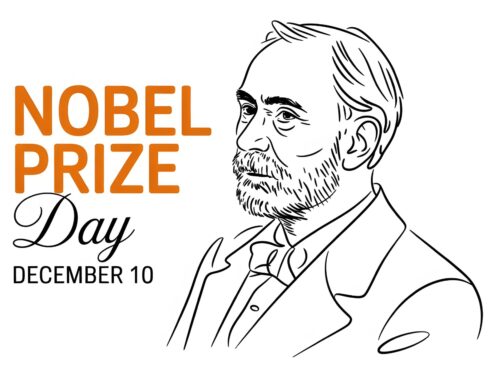
On 10 December, we pause to honour the remarkable individuals whose work has pushed the boundaries of human knowledge, justice, and creativity. The 2025 laureates remind us that curiosity, courage, and compassion continue to shape a better world.
Science & Innovation: Nobel Prizes in Physics, Chemistry & Physiology/Medicine
Physics — John Clarke, Michel H. Devoret and John M. Martinis were awarded for “the discovery of macroscopic quantum mechanical tunnelling and energy quantisation in an electric circuit.” Their experiments demonstrated that quantum effects — typically reserved for the microscopic scale — can be observed in a system big enough to hold in our hands. This breakthrough paves the way for next-generation quantum technologies, from quantum computers to ultra-precise sensors. https://www.nobelprize.org/uploads/2025/12/press-physicsprize2025-3.pdf
Chemistry — Susumu Kitagawa, Richard Robson and Omar M. Yaghi were honoured for developing metal-organic frameworks (MOFs) — porous, crystalline materials with tailor-made molecular architectures. These frameworks can trap gases, filter water, capture carbon dioxide, and even harvest water from desert air. Their innovation offers powerful tools in the fight against climate change, pollution and resource scarcity. https://www.nobelprize.org/uploads/2025/10/press-chemistryprize2025.pdf
Physiology / Medicine — Mary E. Brunkow, Fred Ramsdell and Shimon Sakaguchi earned the 2025 Prize for revealing how the immune system restrains itself — through “peripheral immune tolerance.” Their discovery of regulatory T cells (and the key role of the FOXP3 gene) helps explain why our immune systems normally avoid attacking our own tissues. This insight opens new doors for treating autoimmune diseases and improving therapies such as cancer immunotherapy. https://www.nobelprize.org/uploads/2025/10/press-medicineprize2025.pdf
Literature & Arts
Literature — László Krasznahorkai was awarded for his “compelling and visionary oeuvre that, in the midst of apocalyptic terror, reaffirms the power of art.” His dense, often surreal novels explore the human condition under existential pressure. Reminding us that art remains a crucial lens through which we make sense of chaos. https://www.nobelprize.org/uploads/2025/10/Enpress25.pdf
Peace & Human Rights
Peace — María Corina Machado is this year’s Peace Prize laureate, honoured for her relentless fight for democracy and human rights in Venezuela — despite personal risk and adversity. Her courage highlights the importance of civic leadership and steadfast commitment to justice and freedom. https://www.nobelprize.org/uploads/2025/10/press-peaceprize2025.pdf
Economics & the Future of Growth
Economic Sciences — Joel Mokyr, Philippe Aghion and Peter Howitt received the 2025 Prize for their deep insights into what drives long-term economic growth. Their work underscores that sustained progress depends not only on markets or resources — but on innovation, institutions, and the capacity to reinvent economies when needed. https://www.nobelprize.org/uploads/2025/10/press-economicsciences2025-1.pdf
Why Their Achievements Matter — Today and Tomorrow
The 2025 laureates reflect some of the most urgent challenges and opportunities of our time:
From quantum physics to immunology to materials science — their breakthroughs tackle climate, health, technology and sustainability.
Their work shows that long-term progress depends on curiosity, resilience, and a willingness to explore unknown territory. Even when the rewards are uncertain.
In a world facing inequality, environmental risk, political instability and rapid technological change, the values behind the Nobel Prize — knowledge, solidarity, human dignity — remain as relevant as ever.
As we approach the anniversary of the death of Alfred Nobel on 10 December, let’s take a moment to celebrate and learn from these remarkable thinkers, dreamers and doers. Their work reminds us of the power — and responsibility — we all bear to build a more just, sustainable and enlightened world.
With almost four decades in the world of intellectual property, Peter Cornford, Partner and Trade Mark Attorney at Stevens Hewlett & Perkins (SH&P), has carved out a career rich with landmark cases, global brand stewardship, and a passion for nurturing the next generation of IP professionals. Warm, reflective, and naturally engaging, Peter brings both depth of expertise and a refreshingly human touch to a profession often seen as procedural and technical. From unexpected beginnings to high-profile victories, here is Peter’s story.
An Accidental Path to IP
Peter’s route into intellectual property was anything but planned. While working towards a PhD in history and preparing for a life in academia, he was steered unexpectedly into trade mark work by a university careers adviser who, in Peter’s words, “had no idea what a trade mark agent was either.” What began as a six-month role “to pay the bills before returning to academia” quickly became a permanent calling. The overlap between academic research and trade mark practice—investigation, analysis, persuasion, and drafting skills —proved irresistible. “I was enthralled by what I was seeing. It was the perfect fit.” Fast-forward 36 years, and Peter’s enthusiasm hasn’t waned.
A Career Built at SH&P
Peter joined SH&P nearly 30 years ago and has spent two decades as a partner. Today, he is the firm’s longest-serving partner and plays a crucial role in both management and mentoring. His responsibilities range from supporting the firm’s largest global clients to preparing trainees for qualification, in which SH&P has exceptional success, with many achieving distinctions. SH&P’s commercial pragmatism is central to Peter’s approach. “We stay focused on real commercial outcomes,” he explains. “Our clients include very large household names with thousands of trade marks, so everything we do has to be practical, strategic and tightly aligned with their business needs.”
The Appeal of Trade marks: Variety, Strategy and Solving Problems
For Peter, the joy of trade mark work lies in its varied nature. Unlike many specialist patent colleagues, trade mark attorneys work across every sector imaginable, and often all in one day. “I can be advising a pharmaceutical company one minute and a restaurant owner half an hour later. You never know what’s coming.” He likens the job to a game of chess—strategic, forward-thinking, and requiring both creativity and discipline. Helping start-ups grow, protecting heritage brands, and solving complex infringement challenges are all part of his daily life.
The Diego Maradona Case: A Landmark Moment
One of Peter’s most publicised successes involved the late Argentine football legend Diego Maradona. The dispute centred on entitlement: who truly owned the rights to the Maradona name after his death? The complexity was demanding. Argentine inheritance law, conflicting claims among heirs, and cross-jurisdictional issues all collided. Peter and the SH&P team needed to interpret international probate rulings, translate and analyse extensive documentation, and present a compelling argument to the UK IPO. The result? A decisive win. “These entitlement cases are rare—and rarer still when a famous name is involved. To succeed was a real highlight.”
Celebrity Brands, The Killers & Untested Waters
Peter is also responsible for securing rights for well-known entertainment and personality brands, including The Killers. Such cases bring unique challenges: famous names often face official objections to registration because of being regarded as being merely descriptive of the goods rather than indicating their source. Even gestures, like Usain Bolt’s iconic pose, can be protected, though enforcement remains “untested waters.” His overarching advice is clear: Register early—before fame makes it more difficult.
The Carry On Legacy: A Case That Made Headlines
Perhaps the case that most shaped Peter’s public profile was the long-running battle over the rights to Carry On, the beloved British comedy franchise. When film industry professional Brian Baker inherited rights from the legendary film producer Peter Rogers, ITV still held several long-standing Carry On trade marks. Peter argued successfully that ITV’s broadcasting of film back catalogue was not trade mark use, causing the marks to be removed and returned to the rightful owner. The story hit national newspapers, morning TV, legal journals and rekindled nostalgia across the UK. “It was a case that brought a lot of attention to my work and it was genuinely fascinating to be part of the story.”
Supporting Start-Ups and the Next Generation
Peter is highly active in the Bristol innovation community, including the SETsquared ecosystem, helping early-stage companies understand why timely trade mark protection is fundamental to commercial success. Start-ups often face financial constraints, but Peter emphasises that delaying protection risks losing rights or being targeted by trade mark squatters, a problem which is increasing globally. He also acts as a mentor within SH&P, guiding trainees through qualification and instilling a practical, commercially grounded approach to IP.
Career Highlights: From ‘Insignia’ to PureGym to Buckingham Palace
Peter’s portfolio reads like a tour through modern consumer culture. He has been and remains responsible together with fellow partner Robin Webster for the global trade mark management of major brands such as Speedo, Ellesse and Berghaus, and for household names Trafalgar Tours group, Lyons coffee, Kickers, Russell & Bromley and G4S. His working on trade mark protection for The Prince’s Trust led to an invitation to a garden party at Buckingham Palace. He is responsible also for Honda’s branding requirements in the UK. His strategic advice was pivotal in the naming clearance and protection of well-known automotive models including the Vauxhall Insignia, and he has provided IP support to PureGym from its earliest beginnings to its current position as a global fitness powerhouse. He laughs that supermarket trips take twice as long, nowadays since he often finds himself muttering, “I did that one.”
Advice for Future Trade mark Attorneys: qualities required and knowledge bank
Peter is clear-eyed about what being a professional requires: an organised, analytical mind; a commercial mindset. not just legal thinking. The ability to manage stress and responsibility is paramount, as is attention to detail and strategic awareness. “Your job is to help clients run and grow a business. Never lose sight of that.” “I had thought when I was at university that I would be writing books on history but instead it has been on trade mark law”. Peter’s Trade Mark Law & Practice (5th edn 2020) (Alison Firth, Peter Cornford, Andrew Griffiths) is used by UK universities as a set text for teaching students trade mark law.
Life Beyond IP: Brass Bands, Musical Boxes & Stone Walls
Outside the office, Peter’s life is filled with creativity and curiosity. Music – Peter is a lifelong brass musician and conductor, currently leading the Dodington Parish Band, a community ensemble of all ages and abilities. Music is his escape: “It’s the one thing where work completely disappears. I get lost in it.” The band performs at a wide variety of venues. Peter also composes and arranges music.
Victorian Musical Boxes – One of Peter’s most charming hobbies is collecting Victorian musical boxes. His firm’s 2024 Christmas LinkedIn series of videos of Peter demonstrating his boxes drew thousands of views.
Dry Stone Walling & Building Renovation –Peter has always been a hands-on person. He spends much time restoring outbuildings and perfecting dry stone walls around his property. “I don’t sit still for long,” he admits with a smile.
What’s Next for Peter and SH&P?
The firm is focused on expanding its support for start-ups, continuing its awards programme for innovative young businesses, and watching its patents practice continue to grow alongside its already leading trade mark team. As for Peter? “I’m 61 now and people ask if I’m going to retire. I can’t imagine retiring—this is what I do.” He plans to continue mentoring, supporting clients and embracing change in a fast-evolving trade mark landscape.
Peter’s Favourite Walk
For coastal inspiration, Peter recommends a recent favourite: a gentle walk from Porthleven, near Land’s End, along the coast toward The Lizard. “It is quiet, scenic, and “simply heavenly.”
Contact Peter Cornford If you’d like to connect with Peter or find out more about his work:
With a career spanning private practice, in-house leadership, and now consultancy, Emily Teesdale has developed a deep appreciation for how intellectual property (IP) strategy underpins commercial success. Today, through her own consultancy Pivot IP, Emily helps engineering and technology businesses navigate the complex IP landscape — ensuring that protection, collaboration, and opportunity go hand in hand.
A career combining engineering and law
Emily’s path into intellectual property began with a degree in aerospace engineering and a love of technology. “I wanted to find a way to combine my technical background with something broader,” she explains. “Becoming a patent attorney allowed me to do exactly that.” Over the next 18 years, she worked in private practice with clients of all sizes, gaining experience across a wide range of technologies. Her expertise later took her in-house — first with Airbus, where she became heavily involved in collaboration projects, and then into a Head of IP role at another global aerospace company. “In that role, I was responsible for the IP terms across every kind of contract you can imagine,” Emily recalls. “I was also raising IP awareness across the business and managing a portfolio team. It was a fantastic opportunity to see how IP strategy really works at every level.” After more than two decades in demanding corporate roles, Emily took some well-earned time off to travel — a journey that would ultimately inspire the creation of Pivot IP.
A practical approach to IP strategy
When Emily returned from her travels, she wanted to use her experience to help other businesses make sense of IP in a way that was practical, strategic, and aligned to their goals. “At Pivot IP, I effectively act as Head of IP to engineering companies on a consultancy basis,” she explains. “That means helping them navigate the IP landscape in the way that’s best for them and their objectives — whether that’s advising a start-up on early IP steps, negotiating a collaboration agreement, or unpicking a complex issue to find a pragmatic solution.” It’s an approach that reflects Emily’s view of what IP strategy really means. “Any good strategy should maximise opportunities and minimise risks,” she says. “From an IP perspective, that means reducing exposure to risks like patent infringement or misuse of confidential information, while using the IP system to create and protect opportunities. It’s about far more than just obtaining patents or trade marks — it’s about embedding IP thinking into every aspect of the business.”
Recognition and collaboration
Earlier this year, Emily was recognised as a Notable Practitioner by IP Stars, a distinction that carries particular meaning. “It honestly means so much — especially as it came just six months after setting up Pivot IP,” she says. “When you’re working independently, you don’t always have the encouragement that comes from being part of a big team, so this recognition was a real boost. It’s also an honour to know that my work — which is rather different to the traditional patent attorney role — is valued.” Emily also collaborates closely with Iain Russell of Russell IP, where she provides consultancy support alongside her own practice. “I love working with Iain and am very grateful for his support,” she says. “My work there includes providing IP strategy advice and helping clients understand what to prioritise. I also still enjoy getting involved in drafting and prosecution work — it keeps me more connected to the technical side of things.”
Making IP strategy work in practice
For Emily, helping businesses develop a strong IP strategy begins with understanding where they are and where they want to go. “It’s essential to know what assets they already have, the industry landscape they are in and what their commercial objectives are,” she explains. “Only then can you design a strategy that supports those goals.”
She also highlights the importance of IP awareness and education within organisations. “You don’t always need a big budget to improve your IP position. Building awareness among employees about what to protect, what not to disclose, and when to raise potential risk issues is one of the most effective steps a company can take.”
A key part of her role involves helping clients navigate the practical realities of IP — often under pressure. Emily recalls one instance where a careful review of collaboration terms completely changed the outcome for her client. “I reviewed the IP clauses of a potential collaboration and realised they wouldn’t give my client the access they needed once the development project ended,” she explains. “It meant going back to senior management, explaining why the terms had to change, and renegotiating them at a late stage. It was challenging, but ultimately the new agreement ensured that when the technology is commercialised, my client can move forward with a secure and effective supply chain, even if the collaboration partner doesn’t proceed.”
It’s an example that perfectly captures Emily’s approach — balancing technical insight with commercial foresight. “Patent searches and freedom-to-operate analyses also play a crucial role,” she adds. “These are vital tools to understand where you sit in the IP landscape around you. Only when you know where you are can you plan where you’re going.”
The global dimension of collaboration
Having worked extensively in the aerospace sector, Emily understands that innovation today is rarely confined to one country or organisation. “Increased global collaboration is a great thing. It allows more companies to develop technology together, particularly in emerging cross-sector areas,” she explains. “But with that comes the need to ensure your IP protection reflects the global nature of your work, that your contracts are aligned across jurisdictions, and that you’re partnering with the right organisations.”
Life beyond IP
When she’s not advising clients or speaking on IP strategy, Emily loves to explore the world — quite literally. She has visited more than 70 countries, with New Zealand, Costa Rica and Japan among her favourites. “Discovering new places, especially through food, is a real joy” she says. “I love dining out and experiencing different cultures that way. I also enjoy dancing and spending time with animals — not the most compatible combination, perhaps!”
Her travels have brought some unforgettable experiences. “Getting a helicopter onto Fox Glacier in New Zealand and scrambling through the ice caves was incredible,” Emily recalls. “And volunteering at an animal sanctuary in Namibia, where I helped feed baby baboons, was truly special.” She laughs when recalling another of her adventures — hiking the Inca Trail to Machu Picchu. “Mainly for Machu Picchu itself rather than the four-day hike! I’m not much of a camper, but the porters and chefs were incredible and made the experience truly memorable.”
The value of effective IP strategy
Emily sums up the importance of IP strategy simply but powerfully. “An effective and well-implemented IP strategy enables a business to achieve — and often exceed — its objectives,” she says. “Whether it’s growth, attracting investment, or increasing valuation, the right IP approach provides the foundation for long-term success.”
Emily also works with Iain Russell at Russell IP, providing IP strategy consultancy and patent support.
At PatWorld, we’re proud to support IP professionals like Emily. Our comprehensive patent search and intelligence reports help inform freedom-to-operate, state-of-the-art, and competitor landscape decisions. By providing accurate and timely data, we help attorneys and consultants worldwide strengthen their clients’ IP strategies and unlock greater commercial value. Get in touch with us today to learn how we can assist with your next project.
PatWorld Global IP Research Services
Patent, Design, and Trademark Research Experts with a combined experience of over 200 years in Intellectual Property searching. Highly trained, dynamic in-house research teams specialising in a wide range of subject matter. All our analysts follow a training program developed by former IPO Examiners. Our teams are available to discuss any specific technical points regarding your search enquiries.