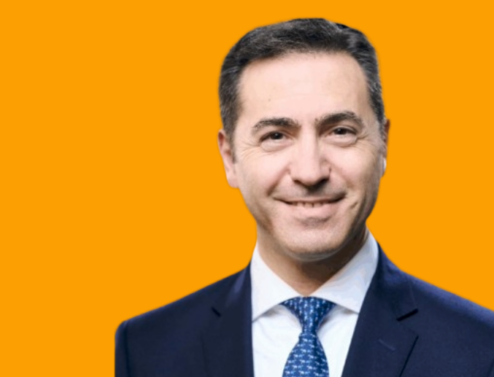
Charlotte Duly is a Partner in the Trade Mark Group at D Young & Co, where she advises clients on protecting and managing global trade mark portfolios. Combining legal expertise with teaching, writing and professional leadership, she believes curiosity, commercial thinking and a passion for learning are essential to delivering better outcomes for clients. Quick […]
22nd July 2026
Charlotte Duly is a Partner in the Trade Mark Group at D Young & Co, where she advises clients on protecting and managing global trade mark portfolios. Combining legal expertise with teaching, writing and professional leadership, she believes curiosity, commercial thinking and a passion for learning are essential to delivering better outcomes for clients.
Quick Profile
Name:Charlotte Duly Role: Partner, Chartered Trade Mark Attorney and Solicitor Firm / Organisation:D Young & Co LLP Location: London, UK Areas of expertise: Trade mark strategy, global portfolio management, clearance, prosecution, enforcement, disputes and brand protection
From science to trade marks
Charlotte’s route into intellectual property was far from conventional. Originally intending to pursue a career in science, she worked in a laboratory before exploring other options. A family friend suggested patent law, introducing her to a profession she had never previously encountered.
While studying for a Master’s degree in Intellectual Property, everything changed during a memorable lecture on trade marks.
The lecturer brought legal principles to life using real-world examples, including famous branding disputes illustrated with everyday products. More than twenty years later, Charlotte still remembers that session and the excitement it created.
Although she applied for both patent and trade mark roles, she realised the creative and commercial nature of trade marks suited her far better.
“I got my first job in trade marks and I haven’t looked back.”
Learning beyond day-to-day practice
Throughout her career, Charlotte has combined client work with writing, teaching, examining and committee roles. Rather than viewing these as separate activities, she sees them as opportunities to become a more rounded adviser.
Trade mark law spans countless industries, jurisdictions and legal systems. One day may involve pharmaceuticals, another fashion, financial services or food and drink. That variety means continual learning is part of the profession.
Charlotte believes exposure to different people, perspectives and ways of working ultimately benefits clients.
“The more you learn, the better you become in this field.”
Writing articles, presenting seminars and contributing to professional organisations have all broadened her understanding while allowing her to share knowledge with the next generation of IP professionals.
Finding the right team
Charlotte joined D Young & Co just over a year ago, moving from a large international full-service law firm to a specialist intellectual property practice.
Although the legal work remains familiar, she values being surrounded by colleagues who share the same enthusiasm for intellectual property.
She describes the firm as supportive, creative and agile, allowing the team to focus on delivering the best possible service to clients.
Perhaps most importantly, she feels she has found a team with shared values.
“I’ve found my people.”
Watching brands grow
One of the most rewarding aspects of Charlotte’s work is guiding clients from the earliest stages of brand development through to international protection.
It begins with trade mark clearance, helping clients determine whether a proposed name can be used and registered. From there, she develops filing strategies tailored to commercial ambitions, budgets and future growth.
The greatest satisfaction comes much later.
Whether spotting a client’s advertisement in an airport, seeing a product on a supermarket shelf or encountering a brand overseas, Charlotte enjoys knowing she played a small part in helping bring it to market.
There is, she says, a genuine sense of pride in watching a brand develop from an idea into something recognised around the world.
Advice that evolves with experience
Charlotte believes one of the biggest changes in any attorney’s career is moving from purely legal advice towards more commercially focused guidance.
Technical knowledge remains essential, but experience brings greater confidence in balancing legal risks with business realities.
The wider environment has also changed dramatically since she entered the profession.
Social media transformed brand protection. Domain names evolved. Artificial intelligence has introduced new challenges. Advisers must constantly reassess how businesses protect, enforce and develop their trade marks.
That means today’s advice cannot simply rely on yesterday’s experience.
Instead, Charlotte believes advisers should always be looking ahead, considering not only current risks but also how decisions made today will affect clients several years into the future.
Contributing to the wider profession
Charlotte has served on committees including CITMA and MARQUES, experiences she says have provided valuable insight into challenges facing the profession beyond individual client matters.
Committee work exposes wider issues affecting practitioners, encourages collaboration and helps shape the future direction of the profession.
It also prevents professionals becoming isolated within their own practices.
By hearing different perspectives and contributing to industry discussions, attorneys gain a broader understanding of both the legal landscape and the practical challenges facing colleagues and clients alike.
Charlotte encourages others to become involved, even for a relatively short period.
“It’s really interesting… and you get to help shape the profession going forwards.”
Why curiosity matters
Asked what qualities make the biggest difference over the long term, Charlotte highlights two.
The first is attention to detail. Trade mark practice depends heavily on dates, evidence and precise factual analysis.
The second is curiosity. Rather than answering only the immediate question, she believes good attorneys take time to explore whether there are additional issues, opportunities or risks that clients may not yet have considered.
Spending just a few extra minutes investigating can often uncover something important.
That willingness to dig deeper, she believes, leads to stronger advice and better client outcomes.
The changing face of brand protection
Charlotte sees artificial intelligence as one of the most significant developments affecting both practitioners and brand owners.
AI has made copying websites, branding and creative content faster and easier. Fake social media accounts continue to appear, while counterfeit products and imitation branding remain persistent challenges.
For many businesses, enforcement has become an ongoing balancing act.
Resources are finite, so advisers must help clients decide where time and money will have the greatest impact.
As technology continues to evolve, Charlotte believes the strategic role of trade mark attorneys will become even more valuable.
Businesses increasingly recognise that brands are among their most important commercial assets, making effective protection and enforcement more critical than ever.
Beyond legal expertise
If Charlotte could introduce one new subject into every aspiring trade mark attorney’s training, it would not be another legal module.
Instead, she would focus on management skills.
Attorneys quickly find themselves managing clients, expectations, deadlines and, later in their careers, colleagues and teams.
These conversations are often challenging, yet many professionals receive little formal preparation for them.
Charlotte believes developing these people skills early would benefit both clients and the profession.
Outside the office
Away from work, Charlotte’s life revolves around her two young sons, who keep her busy as what she jokingly describes as a “taxi service” and part-time sports coach.
When she finds time for herself, she heads out for a run.
She is quick to point out that she is neither the fastest nor the longest-distance runner, but that is beside the point.
Running gives her space to clear her mind, let thoughts come and go, and recharge before the working day begins.
Living close to Tooting Common provides the perfect setting, and she admits she particularly enjoys running in the rain.
Looking ahead
After more than two decades in trade marks, Charlotte remains as enthusiastic about the profession as when she first discovered it. She believes the legal landscape will continue to evolve, particularly as AI and new technologies reshape how brands are created, protected and enforced.
What excites her most is that there is always something new to learn. Whether advising clients, teaching future practitioners or contributing to the profession through committee work, she sees intellectual property as a career that never stands still. For Charlotte, curiosity, collaboration and a willingness to keep learning are what make the profession both rewarding and enduring.
Meet the IP Professional is a PatWorld interview series exploring the people and perspectives shaping the intellectual property profession. Discover more interviews in the Meet the IP Professional hub, and find out more about PatWorld, a global IP search provider working with IP professionals worldwide to support informed patent, design and trade mark decisions, on our About Us page.
Daniel March is a Chartered Trade Mark Attorney and consultant at Two IP. Having worked across private practice, major law firms and global brand portfolios, he brings a practical and client-focused approach to trade mark protection, helping businesses understand the value of their brands and navigate an increasingly complex intellectual property landscape. Quick Profile Name: […]
24th June 2026
Daniel March is a Chartered Trade Mark Attorney and consultant at Two IP. Having worked across private practice, major law firms and global brand portfolios, he brings a practical and client-focused approach to trade mark protection, helping businesses understand the value of their brands and navigate an increasingly complex intellectual property landscape.
Quick Profile
Name:Daniel March Role: Consultant and Chartered Trade Mark Attorney Firm / Organisation:Two IP Location: London, UK Areas of expertise: Trade marks, brand protection, trade mark strategy, portfolio management, client advisory work
A profession few people plan for
Daniel is the first to admit that few people grow up wanting to become a trade mark attorney.
“Most people haven’t even heard of a trade mark attorney,” he says. Like many in the profession, his route into IP was not planned from the outset. While studying law at university, he took an intellectual property module that introduced him to trade marks, patents, copyright and design rights.
The subject sparked an interest that eventually led him away from a traditional legal career path and into the world of trade marks.
What appealed most was the connection to innovation, technology and the products people encounter every day. Rather than focusing solely on legal process, Daniel was drawn to a profession that sits close to product development, branding and commercial decision-making.
Seeing brands come to life
Throughout his career, Daniel has worked with a wide variety of clients, from multinational technology companies to household consumer brands.
Among the organisations he has supported are Nokia, Huawei and Unilever. These experiences gave him a front-row seat to the evolution of technology and the importance of brand protection in highly competitive markets.
Working with mobile phone manufacturers allowed him to witness rapid innovation first-hand. Devices that were once primarily used for making calls have evolved into powerful all-in-one communication and computing platforms, creating increasingly complex trade mark considerations.
His work with Unilever provided a different perspective. Supporting brands such as Hellmann’s, Dove, Lynx, Persil, Domestos and Vaseline offered insight into the extensive work involved in bringing products to market.
One of the aspects Daniel enjoys most is seeing a project progress from an early concept to a product on supermarket shelves or featured in national advertising campaigns.
“There’s a lot of background work that goes into it,” he explains. “When you see the finished product, you know you were involved in helping it get there.”
The importance of understanding clients
A recurring theme throughout Daniel’s career has been the importance of tailoring advice to the client.
One of the most valuable lessons he learned early on was that clients are not simply looking for a list of options. They want guidance.
Rather than presenting every possible route equally, he believes the role of an attorney is to understand the client’s objectives and recommend the most appropriate course of action.
That means adapting communication styles depending on the audience. An in-house counsel may require detailed legal analysis, while a business owner may simply need a clear answer about whether a proposed brand can move forward.
Daniel believes effective advice should be straightforward and accessible.
“You don’t have to use legal language to show expertise,” he says. “The best advice is often the simplest and easiest to understand.”
A new chapter at Two IP
After many years in traditional private practice and large law firms, Daniel recently joined Two IP as a consultant.
The move represented a significant career change. Shifting from an established role to a consultancy environment brought both excitement and uncertainty.
“It’s very daunting,” he says. “The buck stops with you.”
What attracted him to Two IP was the opportunity to build stronger client relationships while enjoying greater flexibility and autonomy.
He values the supportive culture he has found within the firm and appreciates the ability to focus on client service without some of the distractions that can come with larger organisations.
For Daniel, one of the biggest attractions is the ability to focus on client service. The consultancy model allows him to build relationships in his own way, work more flexibly and spend more time on the aspects of the profession he finds most rewarding.
Brands are much more than registrations
One of Daniel’s strongest messages for businesses is that trade marks should not be viewed simply as registrations.
Instead, they should be treated as valuable commercial assets.
A trade mark helps consumers identify the products and services they trust. Over time, that recognition creates loyalty, reputation and commercial value.
“The registration itself may cost a few hundred pounds,” he explains, “but the value of the brand can be enormous.”
For that reason, he encourages businesses to think strategically about brand protection from the outset. That includes conducting proper clearance searches, understanding future growth plans and developing an enforcement strategy to protect rights once they are established.
As online commerce continues to expand globally, these considerations have become increasingly important.
Daniel has also observed how technological developments are changing the profession. While artificial intelligence and automation can speed up tasks such as searching and reporting, he believes human expertise remains essential.
“AI is a tool,” he says. “It can help you work more efficiently, but clients still need advice, judgement and experience.”
Learning from others and paying it forward
Throughout his career, Daniel has benefited from the guidance of mentors and colleagues who helped shape his approach.
One experience that left a lasting impression involved a senior barrister who helped him prepare for professional examinations. When Daniel enquired about payment for the support, the barrister declined.
Instead, he asked for one thing: help the next generation.
That lesson has stayed with Daniel throughout his career and continues to influence the way he works with trainees and junior colleagues today.
He believes professional development extends far beyond formal qualifications.
“Every day is a school day,” he says. “There is always something new to learn.”
Outside the office
Away from work, Daniel enjoys travelling, classic cars and keeping active.
Since moving into consultancy, he has found more flexibility to focus on health and wellbeing and has recently returned to running.
Travel is another passion. Having visited destinations across Europe, the United States, China and the Middle East, he enjoys exploring different cultures, architecture and histories. His next adventure is a trip to Panama.
Daniel is also a keen enthusiast of classic cars, particularly traditional British sports cars. He appreciates the character and styling of older vehicles and enjoys attending car shows whenever time allows.
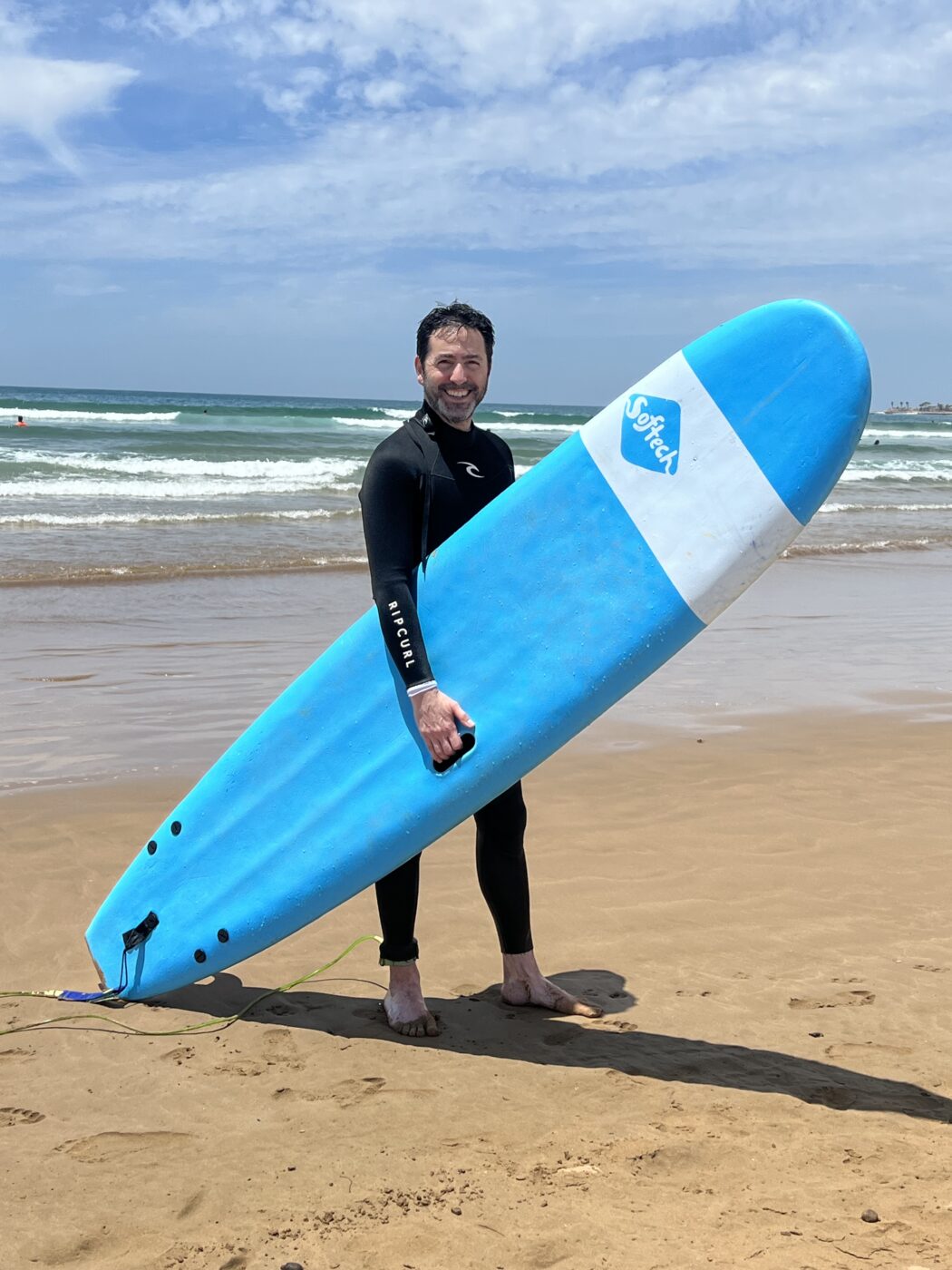
More recently, he added surfing to the list of activities he has tried, taking to the waves during a trip to Morocco.
Closer to home, he recommends the countryside around Hampstead Heath and Kenwood House, as well as the South Downs near Eastbourne, where he spent time walking with family while growing up.
For those looking for a more challenging walk, Scafell Pike remains one of his favourite hiking experiences.
Looking ahead
Reflecting on a career that has spanned major brands, global clients and significant changes within the profession, Daniel remains enthusiastic about the future of trade marks.
While technology will continue to reshape how attorneys work, he believes the fundamentals remain unchanged.
Successful trade mark practice is built on understanding people, communicating clearly and helping businesses protect the brands that matter most to them.
For Daniel, the key is simple: understand the client, provide practical advice and build relationships based on trust.
Meet the IP Professional is a PatWorld interview series exploring the people and perspectives shaping the intellectual property profession. Discover more interviews in the Meet the IP Professional hub, and find out more about PatWorld — a global IP search provider working with IP professionals worldwide to support informed patent, design and trade mark decisions — on our About Us page.
Rhianna Faye is an IP Paralegal at Strachan IP, based near Oxford. With around 13 years’ experience, she supports patent and trade mark work across multiple jurisdictions. Her role focuses on managing deadlines, coordinating stakeholders, and ensuring the smooth running of IP processes within a small, agile firm. Name: Rhianna FayeRole: IP ParalegalOrganisation: Strachan IPLocation: […]
8th April 2026
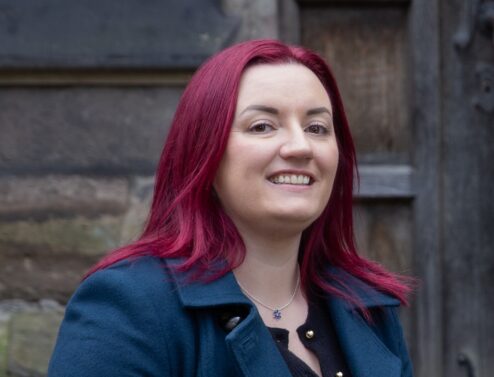
Rhianna Faye is an IP Paralegal at Strachan IP, based near Oxford. With around 13 years’ experience, she supports patent and trade mark work across multiple jurisdictions. Her role focuses on managing deadlines, coordinating stakeholders, and ensuring the smooth running of IP processes within a small, agile firm.
Name:Rhianna Faye Role: IP Paralegal Organisation:Strachan IP Location: Hereford, UK Areas of expertise: Patent and trade mark support, deadline management, international filing coordination, renewals, IP administration
A career discovered by chance
Rhianna did not set out to work in intellectual property. After leaving education, she began her career in criminal defence law. While she initially enjoyed the work, the nature of the cases became difficult to manage emotionally. She found it hard to switch off outside work and began looking for a different path.
Her next move into bid management introduced her to deadline-driven work and structured processes. She found similarities with legal case preparation, but the role required extensive travel. Wanting something more stable, she explored new opportunities and was introduced to IP through a recruitment agency.
It was during her first interview that she realised how well her skills aligned with the role. She joined as a patent secretary, later qualifying as a paralegal and progressing into a more senior position.
A central role in IP practice
Rhianna describes the paralegal role as the operational counterpart to the patent attorney. While attorneys focus on technical and legal aspects, such as drafting specifications and advising clients, her role ensures that everything around those activities runs smoothly.
This includes preparing filing documents, instructing foreign attorneys, managing deadlines, and handling formalities. In a small firm like Strachan IP, her responsibilities extend further. She is involved in renewals, invoicing, records management, and even marketing activities.
“I see it as trying to lighten the attorney’s workload as much as possible,” she explains.
Managing complexity and deadlines
A key part of Rhianna’s work is tracking and managing deadlines. Every case involves multiple time-sensitive actions, often across different jurisdictions. She logs deadlines in multiple systems and reviews them weekly to prioritise tasks.
This structured approach helps ensure nothing is missed. It also allows her to anticipate pressure points and prepare work in advance where possible.
International work adds another layer of complexity. Different countries have different requirements, from notarised documents to certified copies and translations. These variations must be understood early so that timelines can be planned effectively.
“It’s important that you understand those requirements at the start so that you can work backwards,” she says.
Working at the heart of a wider network
Working in a small firm means Rhianna’s role extends beyond an internal team. She regularly coordinates with multiple external attorneys, foreign associates, translators and service providers, each working to their own processes and timescales.
This makes communication and organisation critical. While each external partner manages their own work, Rhianna maintains oversight of deadlines and ensures everything stays aligned. She often has visibility across all moving parts, even when others are only focused on their individual tasks.
Because of this, her role becomes one of coordination as much as administration. She balances competing priorities, keeps work progressing across jurisdictions, and ensures that no deadlines are missed despite the complexity.
Developing towards trade mark qualification
Alongside her role, Rhianna is training to become a trade mark attorney. Career progression has always been important to her, and she has consistently combined work with study.
Encouraged by a colleague, she began the qualification process while working full time and raising her young son. She completed a degree through the Open University in four years, followed by a postgraduate certificate in intellectual property law.
She is now preparing for the next stage of qualification. While her current firm does not have an in-house trade mark attorney, she continues to build her knowledge independently and remains committed to seeing the process through.
“It’s been a long journey, but one I’m determined to finish,” she says.
Seeing the bigger IP picture
Studying trade mark law has broadened Rhianna’s perspective on intellectual property. Earlier in her career, her focus was mainly on patents and designs. Now, she has a clearer understanding of how different IP rights work together.
This includes how trade marks protect brand identity and reputation, complementing the protection offered by patents and designs. The result is a more complete view of how businesses safeguard their innovations and market position.
The evolving role of the IP paralegal
Over the course of her career, Rhianna has seen the paralegal role change significantly. Earlier roles involved more traditional administrative tasks, such as audio typing.
Today, paralegals are more involved in case management and play a more active role in supporting legal work. This shift reflects both technological changes and the need to use attorney time more efficiently.
In smaller firms, the role can be even broader. Rhianna’s position combines multiple functions that would typically be spread across several departments in a larger organisation.
Skills for success
Organisation and time management are essential in Rhianna’s role. She regularly handles multiple cases at different stages, with deadlines that often overlap.
Clear communication is equally important. She must manage expectations across attorneys and clients, often explaining complex processes in simple terms.
Attention to detail is another key skill. Even small errors can have significant consequences in IP work, particularly when dealing with legal rights and formal documentation.
Outside the office
Outside work, Rhianna’s time is largely shaped by her eight-year-old son. Weekends are often spent at football matches or swimming lessons, and she regularly travels to Manchester to watch games.
She also enjoys long walks with her Romanian rescue dog, who she describes as her “shadow”. Cooking and trying new restaurants are another passion, balanced with weight training and playing netball in a social league.
Keeping everything on track
If someone were to shadow Rhianna for a day, she believes the best way to understand the role would be to see how deadlines are managed.
She describes the paralegal as the “central cog” that connects all parties involved in an IP case. From attorneys to clients and international partners, her role is to ensure everyone completes their part on time.
It is a position of responsibility that often goes unnoticed, but is critical to the success of any IP practice.
Looking ahead
Rhianna’s career reflects both adaptability and determination. From an unplanned entry into IP to pursuing professional qualification, she has built a role that combines structure, responsibility, and flexibility.
Her experience highlights the importance of support roles within the profession. As IP work becomes more complex and global, the contribution of skilled paralegals remains essential to keeping everything running smoothly.
Meet the IP Professional is a PatWorld interview series exploring the people and perspectives shaping the intellectual property profession. Discover more interviews in the Meet the IP Professional hub, and find out more about PatWorld — a global IP search provider working with IP professionals worldwide to support informed patent, design and trade mark decisions — on our About Us page.
Jane Wainwright is a former patent attorney and equity partner who now works as a coach supporting IP professionals. After 23 years in private practice, including leadership roles at Potter Clarkson, she founded her own coaching business to help individuals across the IP sector navigate career progression, leadership pressure and personal growth. Quick Profile Name: […]
25th February 2026
Jane Wainwright is a former patent attorney and equity partner who now works as a coach supporting IP professionals. After 23 years in private practice, including leadership roles at Potter Clarkson, she founded her own coaching business to help individuals across the IP sector navigate career progression, leadership pressure and personal growth.
Quick Profile
Name:Jane Wainwright Role: Executive and Leadership Coach Organisation:Starry Eyed Pragmatics Location: UK Areas of expertise: Coaching IP professionals, leadership development, career progression, strengths and values work, team and group coaching
From patent attorney to coach
Jane spent 23 years in the patent profession, beginning as a trainee and progressing to equity partner and Head of Biotech at Potter Clarkson. She also served on the executive board. Alongside her technical work, she increasingly found herself drawn to leadership and people development.
While a partner, she set up a leadership development programme for junior partners preparing for equity. The programme included coaching and training in areas not typically covered in attorney qualifications, such as finance and HR. As part of the first cohort, Jane undertook coaching herself.
That experience proved pivotal. Coaching helped her develop her leadership style and think differently about how she supported others. Encouraged by her own coach, she undertook formal coach training. Over time, she realised that coaching was the work she most enjoyed.
Leaving the profession after more than two decades was daunting. But she describes the move as a way of giving back to a profession that had shaped her career. Today, she works primarily with IP professionals, combining sector understanding with independent perspective.
What IP professionals bring to coaching
Jane is careful not to oversimplify the issues her clients face. While there are recurring themes, every coaching relationship is different.
Career progression and promotion feature strongly, particularly for those aiming for equity partnership. Many want to develop executive presence, authority or confidence in leadership roles. Others are balancing professional ambition with family life and personal commitments.
She also sees a strong perfectionist tendency within the IP profession. High standards are essential, but perfectionism can become exhausting. A key part of her work is helping people recognise when “good enough” really is enough.
At senior levels, challenges can become more isolating. Partners and firm owners often lack safe spaces to discuss pressures or uncertainties. Conversations with peers may feel commercially sensitive. Coaching provides an independent, confidential environment where they can explore concerns openly.
Coaching versus training and mentoring
Jane draws a clear distinction between professional training, mentoring and coaching.
Training focuses on learning the technical and legal aspects of the job. Mentoring involves sharing experience and advice from someone further along the path.
Coaching, by contrast, is not about giving answers. It is about asking the right questions and creating space for reflection. The client does most of the talking. The coach facilitates exploration and problem-solving, helping the individual find their own solutions.
For Jane, the value lies in enabling people to think clearly about what matters to them. She works extensively with strengths and values. By understanding personal values, clients can assess whether their work aligns with what matters most to them. Where there is misalignment, they can consider changes.
Similarly, identifying strengths helps people “job craft” within their role. Someone strong in relationship building may thrive in business development. Someone with exceptional attention to detail may excel in professional standards or training roles. Aligning work with strengths often increases both effectiveness and satisfaction.
Pressure, vulnerability and progression
Jane believes coaching can be valuable at many career stages, but particularly at the senior end.
As responsibility increases, opportunities for open and vulnerable conversation often decrease. Prospective partners may hesitate to share concerns with existing partners. Established partners may worry about appearing uncertain in front of peers.
Coaching creates space for honest reflection without judgement. It can also help individuals understand the realities of business ownership before stepping into partnership. This preparation can make leadership transitions smoother.
She also challenges assumptions about the cost of coaching. While it requires time, she sees clear commercial benefits. Greater confidence, stronger client relationships and improved performance in areas such as oral proceedings can outweigh the investment.
Growth on both sides
Coaching has shaped Jane’s own development as much as it has her clients’.
Through her training and practice, she came to recognise and address her own imposter syndrome. Seeing the impact of her work on others has strengthened her confidence. Measuring the difference she makes for clients has been more tangible than measuring her own achievements in isolation.
What motivates her most is witnessing change. She describes the satisfaction of seeing someone move from confusion or stress to clarity and action. Promotions, improved confidence or simply a renewed sense of direction all bring a visible shift.
For Jane, that moment when “the spark” appears makes the work worthwhile.
Life beyond IP
Outside work, Jane describes herself as someone who does “lots of different things, but nothing” — a reflection of varied interests rather than inactivity.
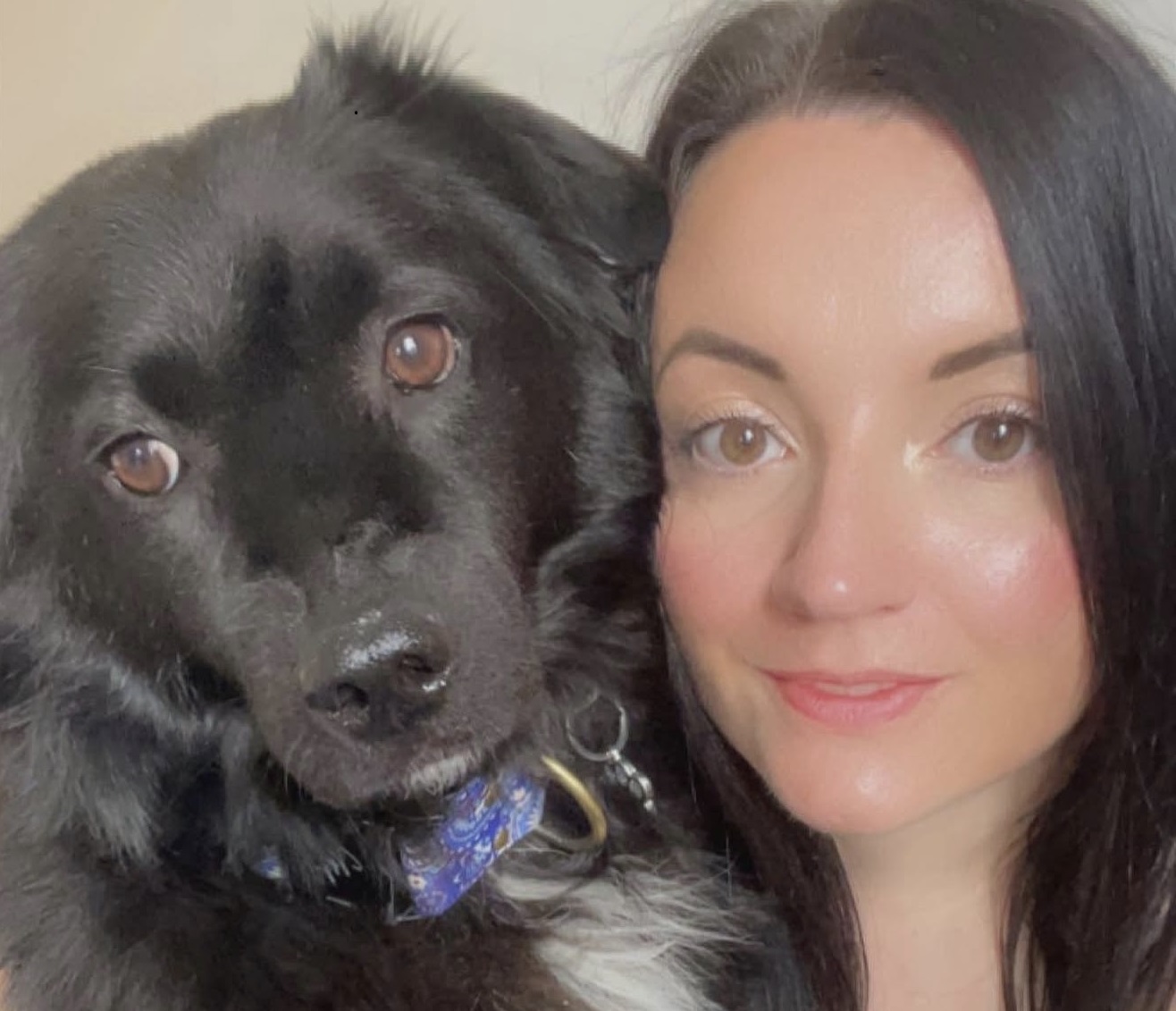
She enjoys time with her cockapoo, long walks and camper van adventures. Travel is a particular passion, especially visits to Disney parks and cruises, which she describes as her “happy place”. She also experiments with 3D design, digital illustration and creative projects.
Closer to home, a favourite regular walk is at Shipley Country Park near Ilkeston, a 5.5km route through fields, trees and reservoirs. It is a simple routine that offers space and perspective.
Ready to be coachable
For IP professionals curious about coaching, Jane offers a clear message. Coaching can be for anyone, but it requires readiness.
Being “coachable” means being open to change and willing to put in the work. Without that commitment, coaching may not be effective. With it, the possibilities can be significant.
After more than two decades in the patent profession, Jane’s focus has shifted from drafting and prosecution to personal development and leadership growth. Yet her aim remains aligned with the profession she knows well: helping people perform at their best, in ways that are sustainable and true to who they are.
Meet the IP Professional is a PatWorld interview series exploring the people and perspectives shaping the intellectual property profession. Discover more interviews in the Meet the IP Professional hub, and find out more about PatWorld — a global IP search provider working with IP professionals worldwide to support informed patent, design and trade mark decisions — on our About Us page.
PatWorld Global IP Research Services
Patent, Design, and Trademark Research Experts with a combined experience of over 200 years in Intellectual Property searching. Highly trained, dynamic in-house research teams specialising in a wide range of subject matter. All our analysts follow a training program developed by former IPO Examiners. Our teams are available to discuss any specific technical points regarding your search enquiries.







 Order a Search Now