


Meet the IP Professional: Phil Sanger – Engineering insight for ambitious startups
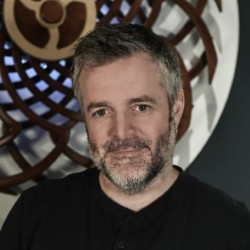
Phil Sanger is the founder of Grey Wolf IP, where he advises startups and SMEs on patents with the benefit of a technical background in mechanical engineering. He talks about building a flexible, client-focused practice, helping smaller businesses make commercially sensible IP decisions, and using plain language to demystify patents.
Name: Phil Sanger
Role: Founder and patent attorney
Firm / organisation: Grey Wolf IP
Location: Royal Leamington Spa, England
Areas of expertise: Patents, startups and SMEs, mechanical engineering, software, telecoms, commercial IP advice, client strategy, patent education
From engineering to IP
Phil did not start out with a plan to become a patent attorney. He worked as an engineer for nearly four years after university, spending a year in Detroit in the automotive industry before deciding to return to the UK.
When he began looking at other options, a friend who was training as a patent attorney suggested the career might suit him. Phil was intrigued by the exams, the technical challenge and the long-term opportunity. He left engineering and took a role as a trainee at Withers & Rogers.
Building his own practice
The move into private practice eventually led to something more independent. Phil says he had reached a point where he was thinking about whether he really wanted partnership at a large firm or a different way of working.
He was drawn to SMEs, where he felt he could do the best work. A client (also a founder) encouraged him to set up on his own, and the timing felt right. He describes the decision as a mix of professional confidence and the simple belief that you only get one chance at these things.
Why smaller clients matter
Phil’s work now focuses strongly on startups and SMEs. He says every patent matters more to these clients because budgets are tighter and the commercial stakes are higher.
That means the advice has to be closely tied to business strategy. He wants to understand what the business is trying to do and how a patent application fits into that plan. In larger companies, he says, patents can sometimes be treated more like a numbers game. For smaller businesses, they are often core to the value of the business itself.
Engineering as an advantage
His engineering background still shapes the way he speaks with clients. Phil believes people often become guarded when they think they are talking to a lawyer, but technical familiarity from his experience as an engineer helps them relax.
He can talk to inventors in their own language because he has worked as an engineer in both large and small businesses. That experience, he says, helps him get closer to the business and give better advice. He is comfortable stepping beyond his strict technical comfort zone, too, as long as he can understand what the inventor is telling him.
Clear advice, not legal noise
Phil is keen on making IP accessible. He says the key is to understand the law, apply it to the facts and then explain the outcome in simple language.
He does not think attorneys should hide behind options. His preference is to explain the choices and then give a view on what he would do in the client’s position. Clients, he says, value that steer. He also sees education as part of the job, especially for people new to IP who need help understanding what the process means in practice.
Long-term client relationships
A strong client relationship, for Phil, is one where people feel able to pick up the phone without hesitation. He likes it when clients come to him early with ideas, problems and questions, not just with narrow patent instructions.
He also values being the trusted first call, whether that happens by phone, WhatsApp or voice note. Word-of-mouth referrals matter to him as a sign that the relationship is working. In his view, that is one of the best measures of success.
Changing landscape
Phil sees AI as one of the biggest shifts affecting the patent landscape, especially for startups and scaleups. He says many clients are already using AI tools to help shape early patent drafts, which raises questions about confidentiality and quality.
What interests him most is not the final output, but the conversation the client had with the AI while refining the invention. That can reveal useful detail for a quality patent draft.
Business lessons
Running his own firm has taught Phil that professional success and personal fulfilment often come from unexpected places. He says he still loves the work, but owning and running a business is a discipline in itself.
He works with a business coach, and he is still learning about strategy, hiring, marketing and finance. That ongoing learning is part of what he enjoys. He sees business ownership as a long-term skill, not a fixed destination.
Life beyond patents
Outside work, Phil spends much of his time with his two sons. He also plays squash, watches films and goes to gigs. More recently, he has started a year-long fitness programme focused on strength training and staying healthy.
He mentioned music and film with obvious enthusiasm, especially Sinners, which he found memorable for the way it mixes music, history and genre. He is also a fan of films that play with time, which connects neatly to the way he thinks about complex legal ideas.
Explaining law through film
For his pop-culture comparison, Phil chose Tenet. He sees a parallel between the film’s simple core idea and the way priority works in patent law.
Priority, he says, sounds straightforward at first. But once you start working through the practical consequences, it becomes complicated and a little mind-bending, much like how time works in the film. It is a playful but fitting way of showing how he likes to make technical subjects more relatable.
Advice for newcomers
Phil’s advice to anyone considering a move from engineering or another technical background into IP is to get some work experience first. He says the profession is rewarding, interesting and full of different career paths, but it is not engineering.
There is a lot of learning, a lot of exams and a major shift towards words and communication. Even so, he thinks the profession suits people who enjoy challenge and variety. After around 20 years in the field, he still loves it.
Contact
LinkedIn: Phil Sanger[linkedin]
Firm website: Grey Wolf IP[greywolfip]
Email: [email protected][linkedin]
Meet the IP Professional is a PatWorld interview series exploring the people and perspectives shaping the intellectual property profession. Discover more interviews in the Meet the IP Professional hub, and find out more about PatWorld — a global IP search provider working with IP professionals worldwide to support informed patent, design and trade mark decisions — on our About Us page.
 Order a Search Now