Levelling the IP Playing Field: Spotlight on Charles Clark, Founder of IP Arkitek
Intellectual property (IP) is often seen as a game of giants, dominated by multinational corporations with deep pockets and extensive legal resources. But Charles Clark, an internationally recognised expert in IP strategy and the founder of IP Arkitek, is on a mission to change that. With over 20 years of in-house experience spanning industries from precision engineering to energy, Charles has dedicated his career to helping innovative businesses harness the power of IP to drive growth, secure funding, and compete on a global scale.
We sat down with Charles to discuss his career journey, his thoughts on the evolving IP landscape, and how businesses—especially start-ups and SMEs—can develop winning IP strategies.
From Lasers to IP Strategy: A Career Built on Innovation
Charles’ career began in the UK’s Ministry of Defence (MOD), where he worked as a research scientist developing cutting-edge laser and optics technology for military applications. However, despite the thrill of working on advanced projects (many of which are only now emerging in the field, 25 years later), he felt constrained by the slow pace of innovation and sought a new challenge.
That challenge came in the form of intellectual property. Introduced to patent attorneys during his time at the MOD, and guided by a family friend in the profession, Charles pivoted into IP. His early career took him from private practice to in-house roles at global companies such as Black & Decker and Edwards Vacuum, where he gained first-hand experience in managing IP portfolios that fuelled business growth.
“In-house work gave me the opportunity to get involved in all aspects of IP strategy—beyond just patents and trademarks,” Charles explains. “It was about aligning IP with commercial goals, supporting acquisitions, securing funding, and building long-term business value.”
The Birth of IP Arkitek: A New Approach to IP Strategy
The idea for IP Arkitek was born out of necessity. While leading IP strategy at Centrica, Charles found himself at a crossroads when a corporate restructuring shifted the company’s focus away from new energy ventures. Rather than take on a role that didn’t align with his passions, he decided to carve his own path.
“I took the plunge, set up IP Arkitek, and started consulting—initially with contacts from Centrica who had moved into venture capital,” Charles recalls. “Since then, the business has evolved to help high-growth tech companies navigate the complexities of IP in a way that drives real commercial success.”
Unlike traditional patent attorneys, IP Arkitek doesn’t focus on drafting and prosecuting patents. Instead, Charles positions himself as a strategic advisor, acting as a fractional in-house IP lead for companies that need expert guidance but aren’t yet ready to build a full-scale IP team.
“It is worth pointing out that I don’t compete with patent attorney firms, and I don’t do any prep and pros work—they are much better at that than I am,” Charles explains. “Instead, I work closely with them, often taking on the role of a fractional in-house IP lead. This benefits both the client and the attorneys, as I can smooth the flow of information between them, freeing up attorney time to focus on their other clients while ensuring the business gets the best possible outcomes with high efficiency.”
“My role is to help businesses understand what they should be doing with their IP—not just what they could do,” he adds. “It’s about making smart decisions that align with long-term business goals.”
Levelling the Playing Field: Helping SMEs Navigate IP Challenges
One of Charles’ key missions is to level the IP playing field for smaller businesses, enabling them to compete with large corporations that traditionally dominate the space.
“Know what you’ve got and stick to your guns,” he advises. “Really understand the value of your innovation and how it fits into the bigger picture. If you don’t, bigger players will take advantage.”
One of the most striking examples of this came when Charles helped an SME navigate a complex IP issue with a UK regulatory body. The company was poised to participate in a government-funded project but faced a major roadblock: the existing contractual framework meant that any IP generated during the project would belong to the large corporate partners—not the SME.
“If they had gone ahead under those terms, they would have lost the ability to raise future funding,” Charles explains. “We had to educate regulators and corporate partners about why SMEs need to retain ownership of their innovations. It took time, but in the end, we reached an agreement that protected the SME’s IP while still delivering value to the project.”
The Future of IP: Moving Beyond Patents and Trademarks
As technology advances, Charles believes that businesses need to rethink how they approach IP.
“Too many business leaders see IP as just patents and trademarks, but that’s a limited view,” he says. “We need to distinguish between IP—which includes everything from innovative business models to customer relationships—and IPR (intellectual property rights), which are the legal tools used to protect that value.”
One area where this distinction is becoming critical is artificial intelligence. As AI-driven innovations continue to reshape industries, businesses need to understand how to protect and leverage their proprietary algorithms, data, and methodologies.
“This will be debated long after I retire,” Charles notes. “But companies that take a strategic view—understanding the difference between their valuable IP and the IPR mechanisms available—will be in the best position to succeed.”
Advice for Innovators: Building a Strong IP Strategy
For start-ups and high-growth businesses, Charles offers three key pieces of advice:
1 Start with the business case.
“Focus on what makes your business unique—your USP—and then identify the IP that underpins it. From there, you can determine the best IP protection strategy.”
2 Foster an IP-aware culture.
“Make sure your team understands the value of their ideas. An engaged team that sees the importance of IP will be more proactive in protecting and developing it.”
3 Plan for the long term.
“Budgeting for IP is critical. Many start-ups see patents as ‘too expensive’—but they’re only expensive if you don’t plan for them. A well-structured IP budget over three to five years can prevent costly surprises down the line.”
An IP Strategist with a Mission
Reflecting on his career, Charles is most proud of the path he has forged and the impact he has had on businesses navigating the complex world of IP.
“I see myself as an ‘attorney in recovery,'” he jokes. “My background in the profession gave me a solid foundation, but stepping away from traditional practice has allowed me to make a bigger impact.”
With IP Arkitek, Charles continues to challenge outdated approaches to IP strategy, ensuring that innovative businesses—no matter their size—have the tools, knowledge, and confidence to protect their ideas and thrive in competitive markets.
At PatWorld, we understand the challenges businesses like IP Arkitek face when helping clients protect and manage their intellectual property. Our global IP intelligence platform empowers professionals with fast, comprehensive, and user-friendly search tools, enabling them to make informed strategic decisions. Whether it’s uncovering key insights into competitor portfolios, monitoring industry trends, or identifying potential risks, PatWorld provides the data-driven support that IP strategists and businesses need to stay ahead. Check out the PatWorld Patent Database today.
For more insights from IP thought leaders, explore our latest interviews on the PatWorld blog.
Unlock the Power of Patent Searching with PatWorld’s Introduction to Patent Searching Course
Are you ready to take your patent searching skills to the next level? Whether you’re a beginner looking to build a solid foundation or a seasoned professional aiming to refine your techniques, PatWorld’s Introduction to Patent Searching is the course you need to elevate your expertise, and unlock the power of patent searching.
Why Patent Searching Matters
Patent searching is a critical skill for inventors, IP professionals, researchers, and attorneys alike. A well-executed search can be the difference between securing a valuable patent and discovering that your idea already exists. However, many professionals lack formal training in searching techniques, relying instead on self-taught methods that may not be the most efficient.
Before taking the course, learners expressed a range of goals:
Understanding practical search strategies to find relevant patent documents quickly.
Gaining knowledge of database search techniques to improve accuracy.
Becoming proficient in prior art searches for patent filing and freedom-to-operate analyses.
Exploring AI tools for patent searching.
Strengthening their knowledge of search string combinations, classification codes, and search result reporting.
What Learners Gained from the Course
After completing the course, learners were overwhelmingly positive about their experience. Many found that their confidence and skill levels grew exponentially, surpassing their initial expectations. Here’s what they had to say:
✅ Clear, Structured Learning: Many learners appreciated the straightforward and easy-to-follow approach, making it an excellent introduction for those new to patent searching.
✅ Mastering Search Techniques: From truncation operators to proximity searching, participants learned how to craft powerful search strings to find the most relevant prior art quickly.
✅ Exploring PatWorld’s Database and Free Patent Databases: Learners gained hands-on experience navigating PatWorld’s robust patent database, mastering features like free-text searching, keyword and synonym finders, and corporate tree tools to refine search results effectively. Additionally, they explored free patent databases such as Espacenet, learning how to leverage multiple search platforms for comprehensive prior art analysis.
✅ Advanced Searching Skills: Some learners with prior experience in patent searching found new tools and techniques they hadn’t used before, including AI-powered search capabilities.
✅ Real-World Applications: The course wasn’t just theoretical—it provided transferable skills that professionals can apply immediately in their day-to-day work. Whether in patent drafting, IP consulting, or research.
Who Should Take This Introduction to Patent Searching Course?
If you find yourself in any of these categories, this course is perfect for you:
🔹 Patent attorneys and IP professionals looking to refine their search skills.
🔹 Researchers and inventors who need to perform prior art searches effectively.
🔹 Engineers and business professionals involved in innovation and technology development.
🔹 Law students and early-career professionals seeking a solid introduction to patent searching.
What’s Next for You?
If you’ve ever struggled with filtering through thousands of patents, felt uncertain about your search methodology, or wanted to explore cutting-edge AI search tools, this course is your gateway to success.
Take the step towards mastering patent searching today with PatWorld. Sign up now and gain the skills you need to excel in the world of intellectual property!
PatWorld’s expertise in patent searching and patent database development was instrumental in crafting this comprehensive course. With years of experience as industry-leading patent searchers, PatWorld ensures that learners gain practical, high-value skills that can be applied immediately. Want to hear what others have to say about PatWorld? Check out their testimonials page and see why professionals trust PatWorld for their patent searching needs.
Tim will be available for meetings from 27th to 30th January 2025. This is a fantastic opportunity to connect with him and discuss how PatWorld can support your intellectual property needs. To schedule a meeting, please email Tim at [email protected].
About PatWorld
At PatWorld, we specialise in providing comprehensive patent services to help you navigate the complex world of intellectual property. Our key services include:
Patent Searches: We offer thorough patent searches to ensure your innovations are unique and protectable.
Patent Database: Access our extensive patent database to stay informed about the latest developments in your field.
Networking with Tim Parry at these conferences is an excellent way to explore how our services can benefit your business. Whether you are looking to protect a new invention, stay ahead of competitors, or learn more about patent searching, PatWorld is here to assist you.
Don’t miss this opportunity to engage with an expert in the field of intellectual property. We look forward to connecting with you in Dubai!
For more information about the Arab Health Conference, visit Arab Health. To learn more about the IIPLA Conference, visit IIPLA.
Feel free to reach out to Tim Parry at [email protected] to schedule a meeting or for any inquiries.
Let’s make the most of this opportunity to network and collaborate! Email [email protected] or connect on LinkedIn.
Stay tuned for more updates from PatWorld. Safe travels, Tim! 🌍✈️
Spotlight on Elizabeth Pond: Navigating the Future of Biotech IP at Sagittarius IP
Behind every ground-breaking biotech innovation lies a carefully crafted intellectual property strategy—and few understand this better than Elizabeth Pond, Partner at Sagittarius IP. With a background in biochemistry and a passion for helping biotech companies navigate complex patent landscapes, Elizabeth has played a pivotal role in shaping the future of biotech IP. From the rise of gene therapies to the challenges posed by the Unified Patent Court, her expertise offers invaluable insights for start-ups and established firms alike. Join us as we we explore her career, insights, and the exciting developments shaping the biotech IP landscape.
A Journey from Biochemistry to Intellectual Property
For many patent attorneys, the journey into intellectual property begins with a love for science. Elizabeth Pond, Partner at Sagittarius IP, is no exception. With an undergraduate degree in biochemistry, she was fascinated by the intricacies of scientific discovery but found that lab work wasn’t for her. Instead, she sought a career that combined her passion for science with a different skill set which led her to patent law.
“Patent law allowed me to stay connected to the science I loved while developing a completely new skill set,” Elizabeth explains. After hearing about the profession at a careers fair, she pursued a master’s degree in intellectual property at Queen Mary University of London, solidifying her path in IP. This journey ultimately led her to Sagittarius IP, where she has been shaping biotech patent strategies since 2011.
A Career Defined by Specialisation and Growth
Elizabeth’s tenure at Sagittarius IP has been marked by both personal and firm-wide milestones. One of the most pivotal moments in her career came during her training when she had the opportunity to work in-house at a major pharmaceutical company. This experience gave her first-hand insight into the IP challenges big pharma faces, informing her approach to private practice.
“It was a defining moment,” she recalls. “I gained a deeper understanding of the complexities of pharma IP and, when the secondment ended, I considered whether to move in-house or continue in private practice. I chose private practice because I wanted to develop long-term client relationships and help shape their IP strategies.”
Fast forward to 2024, and Elizabeth has now stepped into a leadership role as a Partner at Sagittarius IP. With the firm expanding, including the recent launch of a London office, she sees exciting opportunities ahead: “Sagittarius IP is growing, and our expertise in life sciences means we’re well-placed to support the next generation of biotech innovation.”
Expertise in Gene Therapies and Biotech IP
The innovation happening in cell and gene therapy is phenomenal, these technologies involve complex IP strategies because there’s so much innovation in a single product. It’s an incredibly exciting space to work in.
With her background in biochemistry and a keen interest in gene and cellular therapies, Elizabeth has built a specialism in some of the most cutting-edge areas of biotechnology.
“The innovation happening in cell and gene therapy is phenomenal,” she says. “These technologies involve complex IP strategies because there’s so much innovation in a single product. It’s an incredibly exciting space to work in.”
Her work involves crafting tailored patent strategies that not only protect biotech breakthroughs but also make them attractive to investors. With Sagittarius IP’s deep-rooted expertise in life sciences, the firm advises companies of all sizes—from early-stage start-ups to major pharmaceutical players—on how to best position their IP portfolios for commercial success.
A Client-Centric Approach to IP Strategy
Sagittarius IP’s reputation as a leading life sciences IP firm is built on two key pillars: specialisation and service. The firm’s exclusive focus on life sciences ensures that its attorneys have a deep understanding of the industry’s unique challenges.
“We work with clients at every stage of development and investment,” Elizabeth explains. “Because of that, we know what big pharma and investors look for in a strong IP portfolio. We help start-ups align their patents with those expectations while also supporting larger companies with strategic filings and due diligence.”
Flexibility is another key differentiator. “We tailor our service to our clients’ needs. Whether they require a specific reporting format or have unique strategic goals, we adapt to ensure they receive the best possible support.”
The Future of Sagittarius IP and the Cambridge Office
As Sagittarius IP continues to grow, Elizabeth is focused on expanding the firm’s presence in Cambridge—a hub for biotech innovation. “Cambridge is a hotbed of activity in life sciences, with new research parks and lab spaces opening all the time,” she says. “Our goal is to integrate ourselves into this thriving ecosystem and support its growth.”
With an increasing number of mid-sized biotech firms opting to remain independent rather than being acquired by big pharma, she sees a shift in how IP services will be provided. “Biotechs are standing on their own longer, which means they’re building in-house IP teams. The challenge for us is to ensure that we provide services that complement their internal capabilities. Our experience working both in-house and in private practice uniquely positions us to do that.”
Trends, Challenges, and the Unified Patent Court
The introduction of the Unified Patent Court (UPC) has brought new considerations for IP strategy in Europe. While still in its early days, Elizabeth sees both opportunities and risks. “It’s an exciting development, but companies are still figuring out the best way to integrate the UPC into their filing strategies,” she notes. “We advise clients on how to balance early adoption with risk mitigation, such as using divisional filings to keep options open.”
Beyond regulatory shifts, staying ahead of scientific trends is crucial. Sagittarius IP fosters a strong internal knowledge-sharing culture, ensuring that all attorneys within the firm remain up to date on the latest biotech and pharma developments. But ultimately it is their clients that are the true experts in their technologies, “our role is to ask the right questions to make sure we understand their innovations and ensure that they are fully protected.”
Advice for Start-ups and Aspiring Patent Attorneys
For start-ups looking to protect their biotech innovations, Elizabeth emphasises the importance of long-term strategy. “Patents are locked in early, so it’s vital to have a clear vision of what sets your product apart and where you want to take it. A well-thought-out IP strategy can make all the difference in attracting investment and achieving commercial success.”
For those considering a career in IP, her advice is simple: persistence. “The path to becoming a patent attorney is challenging, but it’s worth it. Keep learning, build your network, and don’t be discouraged by setbacks.”
A Passion for Science, Law, and… Gardening?
Outside of her work, Elizabeth finds relaxation in gardening—specifically, on her allotment. “It’s a great way to unwind,” she says. “I love growing vegetables, though my 3-and-a-half-year-old sometimes has other plans—like pulling them up before they’re ready!”
As she embarks on this next phase of her career at Sagittarius IP, Elizabeth is excited about the firm’s future and the role she will play in shaping biotech IP strategy for years to come. “It’s an incredible time for innovation, and I’m proud to be part of a team that helps bring ground-breaking technologies to life.”
For more information about Sagittarius IP, visit their website: Sagittarius IP.
Connect with Elizabeth Pond on LinkedIn: Elizabeth Pond.
At PatWorld, we’re committed to spotlighting the professionals shaping the future of intellectual property. Stay tuned for more insights from industry leaders.
PatWorld works with companies in the biotech sector to provide expert IP search services, helping innovators safeguard their intellectual property and navigate the complex landscape of patents. Our comprehensive searches ensure that clients can make informed decisions about their IP strategies. Visit our Order a Search Page or email [email protected] for further information.
Essential Aerospace Conferences for IP Professionals 2025
The aerospace industry is evolving rapidly, with advancements in aviation, space exploration, and defence technology driving innovation at an unprecedented pace. For professionals involved in Intellectual Property (IP), attending aerospace conferences is essential for staying ahead of technological trends, understanding industry needs, and protecting ground-breaking innovations. From patent attorneys to R&D specialists, these events provide unparalleled opportunities to network with industry leaders, gain insights into emerging technologies, and ensure that IP strategies align with the latest developments. Below is a comprehensive guide to the must-attend aerospace conferences in 2025.
Description: A premier conference focusing on aviation finance, leasing, and investment, with insights into market trends, sustainability, and economic forecasts.
Who Should Attend: Airline executives, financial analysts, leasing companies, and legal professionals specialising in aerospace finance.
Description: A crucial conference focused on engine leasing, trading, and maintenance, bringing together airlines, lessors, and OEMs.
Who Should Attend: Aviation professionals involved in engine technologies, leasing, and maintenance, as well as patent attorneys working in engine innovation.
Description: A global event for commercial space industry professionals, featuring discussions on lunar colonisation, space debris management, and new satellite technologies.
Who Should Attend: Space industry professionals, researchers, policymakers, and IP specialists in space technologies.
Description: The World Aviation Festival is the premier global gathering for the aviation industry, focusing on business models, technology, sustainability, and innovation. It brings together airlines, airports, and top executives responsible for software, services, marketing, and distribution to shape the future of aviation.
Who Should Attend: Aviation industry professionals, including airline and airport executives, technology providers, service providers, marketers, innovators, and intellectual property (IP) professionals.
These conferences offer excellent opportunities for learning, networking, and staying updated with the latest advancements in aerospace.
Please note that event dates and locations are subject to change. It’s advisable to check the official conference websites for the most current information.
How PatWorld Supports Aerospace Innovators
At PatWorld, we empower aerospace innovators by providing cutting-edge Intellectual Property solutions. Our global patent intelligence database helps aerospace professionals track emerging trends, assess competitor activity, and safeguard their innovations. Whether you’re an engineer developing next-generation aircraft or an attorney navigating aerospace patents, PatWorld provides the tools and expertise needed to stay ahead.
Let PatWorld be your trusted partner in IP research and innovation.
At the cutting edge of intellectual property for over 25 years, Robert Plotkin, Co-Founder of the boutique patent law firm Blueshift IP, is a luminary in the complex field of software patents. As a patent attorney, he has carved a niche in representing start-ups, tech giants, universities, and law firms globally, specialising in the challenges and opportunities presented by software and artificial intelligence (AI) patents. In this exclusive feature, Robert shares insights into his journey, expertise, and the evolving landscape of patent infringement and enforcement.
A Journey from Code to Courtroom
Robert’s story is one of blending technical brilliance with strategic legal acumen. Beginning as a self-taught programmer in the early 1980s, he became fascinated with computers while working on the TRS-80 and learning BASIC. This passion for technology led him to MIT, where he pursued computer science. However, his aspirations extended beyond coding.
“I realised I wanted to stay in the software field but at a higher strategic level,” Robert recalls. “Law became very attractive because it allowed me to combine my love for writing, strategising, and arguing, all while staying connected to the software world.”
After graduating from MIT, Robert attended law school and quickly entered the burgeoning field of software patents during a pivotal era in the mid-1990s. With landmark court decisions making software patentable, he joined a law firm in Boston, where he helped define how software patents were drafted and obtained.
Over time, Robert’s practice expanded to include litigation, licensing, and portfolio management. Today, Blueshift IP excels at building international patent portfolios for innovative tech companies, helping clients navigate the intricate legal terrain of monetising and defending their intellectual property.
Innovating in AI and Software Patents
One of Robert’s professional highlights is his work with artificial intelligence. As the AI boom took off, particularly in the last two years, Robert found himself at the forefront of patenting AI innovations. He explains, “AI presents unique challenges and opportunities. Deciding what can and can’t be patented, determining what to keep as a trade secret, and explaining these innovations to patent offices are fascinating and rapidly evolving tasks.”
To keep patents relevant amidst technological advancements, Robert emphasises the importance of forward-thinking strategies. “You need to brainstorm how an invention might evolve in the future and write the patent in a way that covers as many potential developments as possible,” he advises. This approach ensures that patents remain valuable and enforceable even as technology progresses.
Proactively Tackling Patent Infringement
Patent infringement is another area where Robert has been a pioneer. He advocates for proactive strategies to identify and address infringement.
“With today’s technology, it’s easier than ever to find infringers,” he explains. “Companies often announce new products online, providing a goldmine of information. Tools like PatWorld make it possible to efficiently search for potential infringers or competitors’ patent filings, offering significant strategic advantages.”
Robert is quick to dispel the myth that small businesses can’t enforce their patents. He highlights cost-effective alternatives to litigation, such as contingency fee arrangements and third-party funding, which empower smaller entities to protect their intellectual property without exorbitant legal expenses.
The Future of Patent Enforcement in a Rapidly Changing World
Looking ahead, Robert envisions a “cat-and-mouse game” between patent owners and potential infringers. He foresees AI-based tools becoming integral to both drafting robust patents and identifying ways to design around existing patents.
“The increasing power of technology will enhance the ability of patent owners to secure and enforce patents,” Robert says. “At the same time, it will enable infringers to find creative ways to work around them. It’s an exciting and dynamic time in the field.”
Advice for Aspiring Patent Professionals
For those considering a career in patent law, Robert offers sage advice: master the fundamentals before relying on AI and other advanced tools. “Learn to search, draft, and analyse patents the traditional way. These foundational skills are essential for effectively leveraging new technologies,” he emphasises.
As someone deeply engaged in both practice and thought leadership—including speaking engagements and panels on the use of AI in the patent profession—Robert exemplifies the blend of innovation and expertise that defines modern intellectual property law.
For more insights from Robert Plotkin and to explore the services offered by Blueshift IP, visit https://blueshiftip.com/ or connect with Robert on LinkedIn.
————————————————————————————————————–
To support patent professionals like Robert in tackling complex challenges, the PatWorld database provides powerful search and analysis tools tailored for the modern intellectual property landscape. From identifying potential infringements to uncovering prior art, PatWorld equips attorneys with the resources needed to stay ahead. Sign up today at PatWorld and experience the advantage first-hand.
Staying informed about the latest developments in biotechnology is crucial for professionals in the field. Attending key conferences provides valuable insights and networking opportunities. Here are some of the top biotechnology conferences scheduled for 2025:
BIO-Europe Spring
Date: March 17-19, 2025
Location: Milan, Italy
Overview: Europe’s largest springtime partnering event for the global biotech and pharma industry, featuring networking opportunities and in-depth discussions on industry trends. https://informaconnect.com/bioeurope-spring/
Bio-IT Conference & Expo
Date: April 2-4, 2025
Location: Boston, MA, USA
Overview: This conference explores the intersection of IT and life sciences, focusing on data management, AI, and precision medicine. https://www.bio-itworldexpo.com/
LSX World Conference
Date: April 29-30, 2025
Location: London, UK
Overview: This conference focuses on investment and business development in the life sciences sector, connecting executives with investors and partners. https://informaconnect.com/lsx-world-congress/
Swiss Biotech Day
Date: May 5-6, 2025
Location: Basel, Switzerland
Overview: A leading biotechnology conference in Europe, it offers insights into the Swiss and global biotech industry, featuring panel discussions and networking opportunities. https://swissbiotechday.ch/
SynBioBeta 2025: The Global Synthetic Biology Conference
Date: May 5-8, 2025
Location: San Jose, CA, USA
Overview: This event focuses on synthetic biology innovations, bringing together industry leaders, investors, and entrepreneurs to discuss the future of the field. https://www.synbiobeta.com/events/synbiobeta-2025
Overview: This conference brings together leading pharmaceutical and biopharmaceutical manufacturers, technology providers, academic scientists, and international regulators to discuss the future of biotechnology product development and manufacturing. https://ispe.org
BIO International Convention
Date: June 16-19, 2025
Location: Boston, MA, USA
Overview: As the largest global event for biotechnology, this convention brings together over 20,000 industry leaders to discuss advancements across the biotech ecosystem. https://convention.bio.org
London Biotechnology Show
Date: June 18-19, 2025
Location: London, UK
Overview: A premier event showcasing top biotech companies and innovations, providing a platform for networking and exploring the UK’s biotech landscape. https://londonbiotechshow.com
ISMB/ECCB 2025
Date: July 20-24, 2025
Location: Liverpool, UK
Overview: The flagship bioinformatics conference, bridging biology, computing, and data science, and featuring innovations in computational biology. https://www.iscb.org/ismbeccb2025/home
BioTechX Europe 2025
Date: October 6-8, 2025
Location: Basel, Switzerland
Overview: Europe’s largest biotechnology congress, aiming to bridge the gap between pharma, academia, and clinicians to foster meaningful collaborations. https://www.terrapinn.com/conference/biotechx/
These conferences offer excellent opportunities for learning, networking, and staying updated with the latest advancements in biotechnology.
Please note that event dates and locations are subject to change. It’s advisable to check the official conference websites for the most current information.
How Can PatWorld Support You?
With the rapid pace of innovation in the biotechnology sector, staying up-to-date with the latest patents and prior art is essential. PatWorld’s patent search services are particularly useful for those involved in biotech research. Our experienced team of researchers has a deep understanding of the biotech industry and can assist you in navigating the complex landscape of biotechnology patents.
Let PatWorld be your trusted partner in IP research and innovation.
Today, we celebrate one of the most prestigious moments in the scientific, literary, and humanitarian calendar: Nobel Prize Day! On this day, the world comes together to honour the 2024 Nobel Prize winners, recognising their ground-breaking contributions across Physics, Chemistry, Medicine, Literature, Peace, and Economic Sciences. Their work not only pushes the boundaries of human knowledge but also impacts society in profound and lasting ways.
Each year, the Nobel Prizes highlight individuals and organisations who have made extraordinary advancements in their fields. Whether it’s through a scientific breakthrough that transforms our understanding of the universe or a humanitarian effort that promotes peace and justice. Let’s take a closer look at the remarkable achievements of the 2024 Nobel Prize laureates and how their work is reshaping our world.
2024 Nobel Prize in Physics: Training artificial neural networks using physics.
The 2024 Nobel Prize in Physics was awarded to John J. Hopfield and Geoffrey E. Hinton for their foundational work in machine learning using artificial neural networks. Hopfield developed a network that stores and reconstructs patterns, while Hinton created the Boltzmann machine, advancing the ability to recognise elements in data. Their work, inspired by brain structures, has significantly contributed to artificial intelligence and its applications in various fields, including physics and material science.
2024 Nobel Prize in Chemistry: Cracking the code for proteins’ amazing structures.
The 2024 Nobel Prize in Chemistry was awarded to David Baker for computational protein design and to Demis Hassabis and John Jumper for their AI-based protein structure prediction. Baker created entirely new proteins using amino acids, which have applications in medicine and nanotechnology. Hassabis and Jumper developed AlphaFold2, an AI model that can predict the structures of millions of proteins, revolutionising biological research. This work opens vast possibilities for advancing pharmaceuticals, antibiotics, and environmental solutions like plastic degradation. https://www.nobelprize.org/prizes/chemistry/2024/press-release/
2024 Nobel Prize in Medicine: The discovery of microRNA and its role in post-transcriptional gene regulation
The 2024 Nobel Prize in Physiology or Medicine was awarded to Victor Ambros and Gary Ruvkun for their discovery of microRNA and its role in gene regulation. Their work revealed how microRNAs, tiny RNA molecules, play a crucial role in regulating gene expression post-transcriptionally, controlling protein production in cells. This discovery has vast implications for understanding development, cell function, and diseases like cancer. Offering new insights into cellular mechanisms in multicellular organisms, including humans.
2024 Nobel Prize in Literature: Poetic prose that confronts historical traumas and exposes the fragility of human life.
The 2024 Nobel Prize in Literature was awarded to South Korean author Han Kang for her “intense poetic prose that confronts historical traumas and exposes the fragility of human life.” Han Kang, born in 1970 in Gwangju, South Korea, has explored themes of pain and resilience in works such as “The Vegetarian,” which won the Man Booker International Prize in 2016.
2024 Nobel Peace Prize: For efforts to achieve a world free of nuclear weapons.
The Nobel Peace Prize was awarded to Nihon Hidankyo, the Japan Confederation of A- and H-Bomb Sufferers Organisations. Established in 1956, Nihon Hidankyo has been instrumental in advocating for nuclear disarmament, representing survivors of the Hiroshima and Nagasaki bombings. The Nobel Committee recognised the organisation’s efforts in highlighting the catastrophic humanitarian consequences of nuclear weapons and promoting peace.
2024 Nobel Prize in Economic Sciences: An explanation of why some countries are rich and others are poor.
The Nobel Prize in Economic Sciences was awarded to Daron Acemoglu, Simon Johnson, and James A. Robinson for their studies on how institutions are formed and affect prosperity. Their research has demonstrated the significant impact that inclusive political and economic institutions have on a nation’s economic development and the well-being of its citizens.
Looking Ahead: The Lasting Impact of the 2024 Nobel Laureates
The 2024 Nobel Prize winners have shown that human ingenuity knows no bounds. From advancing technology and medical science to fostering peace and human rights, their contributions are reshaping our world and paving the way for a brighter future. As we celebrate these extraordinary individuals and organisations on Nobel Prize Day, we are reminded of the importance of investing in research, creativity, and humanitarian efforts. These laureates have not only made remarkable strides in their respective fields but also inspire the next generation of innovators, scientists, writers, and activists.
Their work teaches us that change often begins with a single idea, and with persistence and dedication, those ideas can grow into achievements that benefit all of humanity.
Protecting the Future of Innovation: Why Intellectual Property Matters
As we celebrate the innovations of Nobel laureates, it’s also crucial to recognise the importance of protecting intellectual property. Securing patents helps ensure that ground-breaking discoveries are safeguarded, allowing inventors and researchers to maintain control over their innovations and encourage further development. Whether you’re working in science, technology, or creative fields, conducting thorough patent searches is essential to protecting your ideas.
By partnering with PatWorld, you can streamline the patent search process. Ensuring that your innovations are safeguarded from infringement and helping you secure the future of your work. As the 2024 Nobel Prize winners remind us, every great discovery deserves protection to unlock its full potential.
Happy Nobel Prize Day to all, and congratulations to the 2024 Nobel Prize laureates for their incredible achievements! Your work is changing the world and inspiring a better future for generations to come.
Let PatWorld be your trusted partner in IP research and innovation.
At the intersection of technology, law, and innovation stands Dave Clark, a Partner at Potter Clarkson, renowned for his expertise in software, AI, and electronics-based patents. His career journey, technical acumen, and commitment to client success exemplify the dynamic nature of the patent profession and the ongoing mission of innovating intellectual property.
From Engineering to Intellectual Property
Dave’s path into patent law was as innovative as the inventions he now helps protect. Initially pursuing a degree in electronic engineering, Dave found himself unexpectedly transitioning into the world of patents in 2003. “I really fell into it by accident,” he admits, recounting how the withdrawal of a graduate job offer prompted him to explore alternative career paths. A chance suggestion from a recruitment agent introduced him to the patent attorney profession, and the rest, as they say, is history.
A Day in the Life of a Patent Attorney
As a partner at Potter Clarkson, no two days are the same for Dave. Whether he’s navigating the nuances of patent applications or supervising trainees, his role is a tapestry of technical challenges and creative problem-solving. “One day, I might be working on 10 different cases; the next, I’m diving deep into a single patent application,” Dave explains. The diversity of technologies he encounters—from agricultural machinery to AI-driven healthcare solutions—keeps his work exciting and rewarding.
Tackling Complexities in Software and AI Patents
Navigating the intricate landscape of software and AI patents requires both technical expertise and legal dexterity. Dave is well-versed in overcoming the challenges posed by the European Patent Office’s (EPO) stringent criteria for software-related inventions. “Patents are available for the right type of software,” he emphasises, advocating for realistic client expectations and tailored strategies. His ability to engage directly with EPO examiners further bolsters the likelihood of success for his clients.
Championing Innovation: The Paindrainer Case
Among Dave’s notable achievements is his work with Paindrainer AB, a Swedish start-up that developed a ground-breaking app to aid individuals managing chronic pain. By helping the company secure a patent through the EPO, Dave contributed to a solution that could significantly improve quality of life for countless patients. “Chronic pain is a huge issue, and it’s rewarding to support a client whose goals align with making a real-world impact,” he reflects.
The Future of AI in Patent Law
The rapid evolution of AI continues to shape discussions within patent law. While current EPO guidelines treat AI inventions similarly to other software innovations, Dave foresees significant debates on whether AI can be recognised as an inventor. He highlights the importance of evolving legal frameworks to keep pace with technological advancements, ensuring companies can protect AI-driven innovations effectively.
Advice for Aspiring Patent Attorneys
For those looking to follow in his footsteps, Dave offers practical advice: “Persevere. It’s a small profession, so timing is crucial.” He also underscores the importance of understanding patents as commercial tools rather than purely academic exercises, encouraging aspiring attorneys to cultivate both technical passion and business acumen.
Balancing Work, Life, and Passions
Outside the office, Dave finds solace in open-water swimming and rugby, activities that help him recharge and maintain a healthy work-life balance. Participating in events like the Rutland Water swim with his son exemplifies his belief in the importance of switching off to stay refreshed and inspired.
Looking Ahead: The Potter Clarkson Perspective
As technology continues to transform industries, Potter Clarkson is preparing for the future with initiatives like its AI policy. By ensuring transparency in the use of generative AI tools and safeguarding client confidentiality, the firm remains at the forefront of ethical innovation in patent law.
Dave Clark’s journey, expertise, and dedication highlight the vital role of patent professionals in fostering innovation and protecting intellectual property. Whether guiding a start-up like Paindrainer AB or navigating the complexities of AI, Dave’s work is a testament to the transformative power of combining technical knowledge with legal precision.
For further insights or to discuss how Dave Clark and the Potter Clarkson team can assist with your intellectual property needs, feel free to reach out to Dave at [email protected]. You can also learn more on innovating intellectual property by visiting the Potter Clarkson website at www.potterclarkson.com.
At PatWorld, we understand the importance of comprehensive and efficient patent searches in driving innovation forward. Our advanced search services are designed to support professionals like Dave Clark and companies like Paindrainer AB. We provide precise insights into prior art and patent landscapes. Whether you’re securing protection for ground-breaking software or exploring opportunities in AI and healthcare, PatWorld’s tools empower innovators to navigate the complex world of intellectual property with confidence. Visit www.patworld.com to discover how we can support your innovation journey.
Kickstart your Career in Intellectual Property with Our “Introduction to Patent Searching” Course
Are you a STEM student looking to begin a career that combines your technical skills with a dynamic, high-demand field? Intellectual Property (IP) is an exciting career path for anyone with a science, technology, engineering, or mathematics background. To help you get started, we’re offering a 25% discount for STEM students on our Introduction to Patent Searching course! Use code STEM25OFF at checkout and get the course for £221.25 (regular price: £295).
Why Consider a Career in Intellectual Property?
IP careers offer numerous benefits, particularly for those with a STEM background:
High Demand for Expertise: Companies need professionals who understand both technical concepts and IP law to help protect their innovations. IP experts are valued across industries, from pharmaceuticals to software to consumer electronics.
Diverse Career Paths: With a foundation in IP, STEM professionals can pursue various roles, including patent analyst, IP consultant, technology transfer specialist, and more. It’s an adaptable career path that allows you to apply your technical knowledge in legal, business, or research settings.
Lucrative Opportunities: IP professionals are in high demand, and those with a STEM background often command competitive salaries, especially in specialised fields like biotechnology or engineering.
Engagement with Innovation: IP professionals are often the first to see ground-breaking advancements. If you enjoy keeping up with the latest in tech and science, a career in IP can offer a front-row seat to tomorrow’s innovations.
About the Introduction to Patent Searching Course
Our Introduction to Patent Searching course is designed to provide a foundation in patent research. In this course, you’ll:
– Understand the different types of patent searches and how to choose the correct search
– Learn patent searching techniques and tools.
– Develop skills in analysing and reporting patent results.
Whether you’re a student, researcher, or early-career professional, this course will give you the knowledge and confidence to perform effective patent searches – a critical skill in the IP field.
Course Details
– Full Price: £295 (with STEM25OFF, save 25% and pay only £221.25)
– Format: Self-paced, online modules with hands-on exercises and case studies.
– Ideal For: STEM students, researchers, and aspiring IP professionals.
Build the skills, make the connections, and begin a career that will allow you to merge your STEM expertise with the fascinating world of Intellectual Property.
If you’d like further information on the course, or are a university and would like to discuss discounts for bulk purchases, please email: [email protected]
How PatWorld’s Daily Rate Subscription Benefits SMEs
Client Overview:
Anna Molony is a patent attorney and founder of Two IP (www.two-ip.com), a firm specialising in physical sciences such as engineering, automotive, optics, telecoms, AI, and software. Her firm, based in the UK, primarily serves SMEs and large corporations in the UK and Europe, plus overseas attorney originating work. A key challenge for her was finding a patent database that fitted her firm’s workflow, particularly for tasks like novelty searching and preparing reports for clients.
Challenge:
Anna was using Espacenet for patent searches but found it time-consuming to extract and present the results in a usable format. For a small firm like Anna’s, committing to an expensive annual subscription didn’t make sense. The searching based work was intermittent, and the ability to easily charge clients for patent searches was crucial.
Solution:
Anna discovered PatWorld’s patent database with its flexible daily rate subscription. PatWorld offered a better user experience with a more streamlined approach to reporting, AI-assisted search functionalities, and comprehensive coverage of key jurisdictions.
Results:
Time Efficiency: PatWorld’s built-in reporting functionality was a game-changer. What used to take hours now took a fraction of the time, making the £30 daily rate more than worth it for the time saved.
Billing Simplicity: PatWorld’s daily rate subscription made it easy for Anna to pass the cost directly onto her clients, ensuring transparency and flexibility. Instead of paying for a full subscription, she could allocate search costs based on specific client needs, saving the firm and clients’ money.
Expert Support: Beyond using the platform, Anna found PatWorld’s support invaluable. When a colleague needed a comprehensive landscape search for a trade body presentation, PatWorld’s expertise helped the team deliver high-quality results, impressing their clients.
Comprehensive Database: Compared to Espacenet, Anna found PatWorld’s database to be easier to navigate, with more control over the results she saw, making her searches more efficient and her reports more precise.
Conclusion:
For a small patent attorney firm like Anna’s, PatWorld’s daily rate subscription is the ideal solution. It’s cost-effective, easy to use, and allows firms to charge clients accurately for patent search services. PatWorld is not just a database; it’s a time-saving tool that enhances efficiency and delivers results without the burden of a large subscription commitment.
Sign Up Now and Start Saving Time and Money with PatWorld’s Daily Rate Subscription!
Experience the flexibility and efficiency that Anna’s firm enjoy. Sign up for our daily rate subscription today and streamline your patent search processes.
In addition to the daily rate subscription, PatWorld’s monthly and annual subscription options can also provide substantial benefits for other users. For firms or individuals with a higher volume of patent searches, the monthly or annual plans offer even greater cost savings, providing unlimited access to the platform’s extensive patent database. These plans eliminate the need to pay per search day, allowing for more predictable budgeting while still benefiting from PatWorld’s AI-powered search functionalities, comprehensive jurisdiction coverage, and time-saving reporting tools.
For businesses looking to scale or manage consistent workloads, the monthly and annual subscriptions ensure continuous access to high-quality patent data without the hassle of frequent renewals or the risk of running out of search days. These subscription options allow for both flexibility and cost efficiency, making PatWorld a valuable resource for users across industries.
Explore how the monthly and annual subscriptions can enhance your workflow and give your firm a competitive edge by visiting PatWorld’s pricing page.
Nobel Prize: Past Winners Whose Inventions Changed the World
The Nobel Prize, established by the will of Alfred Nobel, is awarded annually to individuals and organisations who have made significant contributions to humanity in fields like Physics, Chemistry, Medicine, Literature, Peace, and Economic Sciences. Over the years, some Nobel Prize winners’ inventions have profoundly transformed our world, touching nearly every aspect of life. From physics breakthroughs that have reshaped modern technology to medical discoveries that have saved millions of lives, the impact of these laureates is undeniable.
Let’s look at some of the most influential Nobel Prize winners and how their inventions have changed the world.
Wilhelm Röntgen was the first recipient of the Nobel Prize in Physics in 1901 for his discovery of X-rays in 1895. His invention revolutionized the medical field, allowing physicians to see inside the human body without surgery. Before Röntgen’s discovery, diagnosing internal injuries or diseases required invasive procedures, but X-rays enabled non-invasive diagnostics that have since saved countless lives. Today, X-rays are used not only in medical imaging but also in industries like engineering, security, and astronomy.
Marie Curie, one of the most iconic figures in science, won the Nobel Prize in Physics in 1903 (shared with her husband Pierre Curie and Henri Becquerel) for her work on radioactivity, and later won the Nobel Prize in Chemistry in 1911 for discovering the elements polonium and radium. Her pioneering research laid the foundation for many developments in nuclear physics and cancer treatment. Radium, for instance, became a key component in early cancer therapies. Curie’s work also opened the door to the harnessing of nuclear energy, which would later reshape global politics and energy industries.
Few discoveries have had as immediate and life-saving an impact as Alexander Fleming’s discovery of penicillin. Awarded the Nobel Prize in Medicine in 1945, Fleming’s discovery of the first antibiotic ushered in a new era of medicine, transforming the treatment of bacterial infections that were once lethal. Penicillin became widely available during World War II, saving the lives of millions of soldiers and civilians alike. It paved the way for the development of many other antibiotics, marking the beginning of the antibiotic age, which has dramatically increased human life expectancy and quality of life.
Though Albert Einstein is best known for his theory of relativity, he received the Nobel Prize in 1921 for his explanation of the photoelectric effect. This work was critical in the development of quantum mechanics and had far-reaching applications, most notably in the creation of solar cells. Today, solar panels—based on the photoelectric effect—are central to renewable energy production, providing a clean, sustainable power source. Einstein’s work has thus contributed to technologies that combat climate change and promote environmental sustainability.
The discovery of the structure of DNA by Francis Crick, James Watson, and Maurice Wilkins, awarded the Nobel Prize in Medicine in 1962, marked a turning point in the life sciences. Understanding the double-helix structure of DNA unlocked new frontiers in biology, genetics, and medicine. It laid the foundation for the Human Genome Project, genetic engineering, gene therapy, and modern biotechnology. Today, advancements in DNA research have led to personalized medicine, genetic testing for inherited diseases, and breakthroughs in cancer treatment.
Niels Bohr’s contribution to understanding atomic structure earned him the Nobel Prize in Physics in 1922. His model of the atom, which introduced quantum theory to explain the behaviour of electrons, became the foundation for modern atomic physics and chemistry. Bohr’s work influenced the development of quantum mechanics, which now underpins technologies such as transistors, lasers, and even quantum computers. From semiconductors in smartphones to MRI machines in hospitals, Bohr’s ideas have had a ripple effect across numerous industries.
The transistor is perhaps one of the most influential inventions of the 20th century. Bardeen, Shockley, and Brattain were awarded the Nobel Prize in 1956 for their work on semiconductors and the development of the transistor. This small electronic device forms the foundation of all modern electronics, from computers and smartphones to radios and televisions. Without the transistor, the Information Age would not exist. Its invention revolutionised computing and communications, making it possible for technology to evolve at the exponential pace we see today.
Robert Edwards, awarded the Nobel Prize in Medicine in 2010, developed in vitro fertilisation (IVF), a technology that has brought the gift of parenthood to millions of families worldwide. Since the birth of the first IVF baby in 1978, this technology has evolved and improved, leading to millions of successful births. IVF has revolutionised reproductive medicine, offering hope to those struggling with infertility and advancing our understanding of embryology.
The COVID-19 pandemic highlighted the immense importance of mRNA vaccine technology, pioneered by Katalin Karikó and Drew Weissman, who were awarded the Nobel Prize in Medicine in 2023. Their ground-breaking work on modifying messenger RNA to create effective vaccines led to the rapid development of COVID-19 vaccines, which have saved millions of lives worldwide. The impact of their discovery goes beyond the pandemic, as mRNA technology holds promise for developing vaccines against other infectious diseases and treatments for various medical conditions, including cancer.
Conclusion
The Nobel Prize has long recognised individuals whose discoveries and inventions have shaped the course of history. These laureates—through their ground-breaking work in science, medicine, and technology—have changed the world in profound ways. Their contributions not only advanced their fields but also provided solutions to some of humanity’s greatest challenges, improving quality of life, health, and understanding of the universe. As Nobel Prize week unfolds, it is a reminder of the lasting power of innovation and the endless potential for discovery to transform the future.
Protecting Innovation: Partnering with PatWorld for Patent Searches
As these Nobel laureates demonstrate, ground-breaking inventions and discoveries have the power to transform industries and improve lives. However, protecting intellectual property (IP) is crucial for ensuring that innovators can continue to drive progress. Securing patents not only provides legal protection but also fosters further research and development by safeguarding an inventor’s rights. Whether you are a researcher, entrepreneur, or inventor, conducting a comprehensive patent search is essential to prevent infringement and protect your innovations. Partnering with a trusted patent search service like PatWorld can streamline the process, ensuring thorough and accurate patent searches. With their expertise, you can confidently protect your innovations, paving the way for future success while maintaining control over your intellectual property.
Let PatWorld be your trusted partner in IP research and innovation.
PatWorld Lowers Subscription Prices: More Affordable Access to Patent Research Tools
For a LIMITED TIME ONLY PatWorld has just reduced its subscription prices to make its industry-leading patent database even more accessible. With lower costs for both annual and monthly plans, users can now benefit from world-class patent research tools at highly competitive rates. Whether you’re an inventor, researcher, or company, PatWorld’s updated pricing makes it easier to access detailed patent analytics, legal tracking, and more—at a fraction of the cost.
The newly lowered subscription prices for PatWorld’s patent database are available for a limited time only. This offer provides more affordable access to comprehensive patent research tools, with reduced rates on both annual and monthly plans. Take advantage of this special pricing to access features such as detailed patent analytics and legal tracking, whether you are an inventor, researcher, or company. Act quickly to make the most of these competitive rates!
Are you ready to take your patent searching skills to the next level? PatWorld is excited to announce the launch of our brand-new online course: “Introduction to Patent Searching.” Launched on 1st October 2024, this one day course, delivered online and offering flexible learning, will help you master the essential skills and techniques needed to excel in the field of patent searching. With the flexibility of self-paced learning, 24/7 access, and immediate enrolment you can Sign Up at anytime and learn at a time and place that suits you.
Why This Course is a Game-Changer for Your Patent Searching Skills
Patent searching is a critical skill for patent attorneys and intellectual property professionals, forming the backbone of strategic decision-making and intellectual property management. Our new course is crafted by a team of seasoned experts who have been recognised globally for their exceptional work in patent research and analysis. With this course, you’ll gain insights from the same professionals whose expertise has consistently received top accolades from our clients worldwide.
What to Expect
The course is packed with valuable lessons and practical strategies designed to enhance your patent searching capabilities. You’ll learn from industry leaders and gain access to cutting-edge techniques that will prepare you for the most challenging searches.
This course is perfect for both seasoned professionals looking to refine their skills and newcomers eager to learn the fundamentals from the best in the business.
– Learn from Experts: Our instructors are highly experienced professionals who bring years of practical knowledge to the course.
– Advance Your Skills: Whether you’re looking to improve your current searching techniques or learn new ones, this course is designed to help you grow.
– Free Access to a commercial patent database: The course includes 30 days free access to a commercial worldwide patent database which includes AI functionality.
– Flexible Learning: Enjoy the convenience of online learning at your own pace, available 24/7. This one day course can be taken in bite-sized pieces to fit around your busy schedule.
Sign Up Now
Don’t miss out on this opportunity to elevate your career and sharpen your expertise. Sign up Now at the great price of only £295. To sign up click on the link below or for further information, contact us at: [email protected] today!
Are you ready to unlock the secrets of effective patent searching with our expert-led course. This is your chance to stand out in the patent industry!
Free for UK CIPA Members
The course is free for UK CIPA members, email [email protected] for further details.
Why Choose PatWorld to Elevate your Patent Searching Skills?
At PatWorld, we pride ourselves on being leaders in patent searching, with a reputation built on excellence and client satisfaction. Our team of experts has consistently delivered high-quality patent research services, earning us numerous accolades from clients worldwide. Don’t just take our word for it—read what our satisfied clients have to say about their experience with us on our testimonials page. Discover why PatWorld is the trusted partner for patent professionals across the globe!
Top Packaging Conferences for Innovators and Attorneys
In an ever-evolving industry, staying ahead of the curve is crucial for innovators, patent attorneys, design experts, and trademark specialists working in packaging. As the sector continues to grow, driven by sustainability, digital innovation, and consumer demand, attending key conferences can provide invaluable insights, networking opportunities, and a chance to explore the latest trends and technologies.
Here’s a roundup of the must-attend packaging conferences from August 2024 to December 2025 that will be particularly beneficial for professionals in the field of innovation and intellectual property law.
London Packaging Week
– Date: September 11-12, 2024
– Location: London, UK
– Overview: Packaging Première, PCD, PLD and Food & Consumer Pack connect the world’s top luxury, beauty, drinks and FMCG groups with the packaging suppliers, materials and inspiration that will define the future of their brands. Gain insights into the latest design trends and explore opportunities for brand protection and innovation in packaging.
– Overview: A premier trade event dedicated to processing and packaging innovations across various industries, including food, beverages, pharmaceuticals, and cosmetics. The event brings together industry professionals to showcase cutting-edge technologies, sustainable solutions, and the latest trends in packaging and processing. Innovators, Patent, Design, and Trademark Attorneys should attend to gain insights into emerging technologies, network with industry leaders, and explore opportunities for new patents and designs. This event is crucial for those looking to protect and advance their clients’ intellectual property in the dynamic packaging and processing sectors.
– Overview: Pack Expo is one of the largest and most comprehensive packaging events globally. It showcases the latest packaging machinery, materials, and technology, making it a key event for innovators and attorneys specialising in patents and trademarks. Discover cutting-edge technologies, network with industry leaders, and explore opportunities for innovation and intellectual property protection.
– Overview: A key event for exploring trends and innovations in pharmaceutical packaging. It gathers industry leaders to discuss sustainability, regulatory updates, serialisation, and digital transformation. Stay updated on cutting-edge packaging technologies, network with industry leaders, understand regulatory changes, and discover new opportunities for patents and trademarks. This event offers critical insights for protecting and advancing your clients’ innovations in the pharma industry.
– Overview: The Plastic Free World Conference & Expo 2024 is a pivotal event focused on eliminating plastic waste and driving sustainable innovation. Taking place in Frankfurt, Germany, on November 6-7, 2024, this conference gathers global leaders, innovators, and experts to discuss cutting-edge solutions and alternatives to traditional plastics, aiming to create a more sustainable future. Innovators, Patent, Design, and Trademark Attorneys should attend to explore the latest sustainable materials, connect with industry pioneers, and understand the evolving regulatory landscape. This event offers valuable insights for developing and protecting eco-friendly innovations and intellectual property in the rapidly evolving sustainability sector.
– Overview: The Active & Intelligent Packaging Industry Association (AIPIA) World Congress focuses on the latest advancements in smart packaging. This conference is perfect for innovators and attorneys working with patents related to smart technologies in packaging. Stay ahead of the curve with the latest smart packaging innovations, and explore the intersection of technology and packaging in terms of IP.
– Overview: This conference provides insights into new technologies and packaging innovations. Bringing together professionals from across the packaging value chain to discuss new materials, sustainability, regulatory impacts, and emerging trends that are shaping the future of packaging. Learn about the latest packaging innovations and network with industry leaders, understand regulatory shifts, and explore opportunities for new patents, trademarks and designs.
– Overview: A premier trade event dedicated to processing and packaging innovations across various industries, including food, beverages, pharmaceuticals, and cosmetics. The event brings together industry professionals to showcase cutting-edge technologies, sustainable solutions, and the latest trends in packaging and processing. Innovators, Patent, Design, and Trademark Attorneys should attend to gain insights into emerging technologies, network with industry leaders, and explore opportunities for new patents and designs. This event is crucial for those looking to protect and advance their clients’ intellectual property in the dynamic packaging and processing sectors.
– Overview: This forum is dedicated to flexible packaging, particularly pouches, which are becoming increasingly popular. It’s an essential event for those interested in the technical and design aspects of flexible packaging. Engage with pioneers in pouch packaging and understand the IP challenges and opportunities in this rapidly growing sector.
– Overview: Another major event by Pack Expo for innovators and legal professionals in the packaging sector. Explore the latest innovations, network with peers, and discuss IP strategies with leading professionals.
Attending these conferences will keep you informed about the latest industry trends and technologies. Innovators, Patent, Design, and Trademark Attorneys should attend to gain insights into emerging technologies. In addition, network with industry leaders, and explore opportunities for new patents and designs. Whether you’re looking to innovate, protect, or market new packaging solutions, these events are essential for staying ahead in the competitive world of packaging.
How Can PatWorld Assist Your Innovation in the Packaging Sector?
When it comes to patent, design, and trademark research, trust matters. Our teams of researchers have been the go-to choice for patent attorneys, in-house counsel, multi-nationals, SMEs, and universities for many years. Whether you choose to conduct your own search and analysis or seek assistance from our experts, PatWorld is equipped to serve your needs. Seize this chance to employ the premier patent search service for your Packaging Innovations. Order a Search Today, or take a 24 Hour Free Trial of our Patent Database.
Key Renewable Energy Conferences to Attend (July 2024 – December 2025)
As an intellectual property (IP) attorney, attending renewable energy conferences can be immensely beneficial. These events offer a unique opportunity to stay abreast of the latest technological advancements, legal frameworks, and market trends in the rapidly evolving renewable energy sector. By participating, IP attorneys can gain valuable insights into emerging technologies, understand the intricacies of energy patents, and network with industry leaders and innovators.
ONS 2024
A leading energy industry event focusing on innovation, technology, and sustainability in the offshore sector. The conference provides a platform for stakeholders to discuss the future of the energy industry and showcase the latest advancements in offshore energy.
Date: August 26-29, 2024
Location: Stavanger, Norway
Who Should Attend: Industry professionals, policymakers, innovators, and researchers in the offshore energy sector.
The Offshore Mediterranean Conference (OMC) focuses on the latest developments in the Mediterranean energy sector, including renewable energy, sustainability, and technological innovation.
Date: April 8-10, 2025
Location: Ravenna, Italy
Who Should Attend: Energy professionals, policymakers, and researchers in the Mediterranean region.
The UK’s largest renewable energy event, covering all sectors and renewable and low-carbon energy generation. It provides a platform for experts to discuss and showcase the latest advancements and innovations.
Date: May 14-15, 2025
Location: Glasgow, UK
Who Should Attend: Renewable energy professionals, innovators, and policymakers.
Attending these conferences will provide IP attorneys with the latest insights and networking opportunities in the renewable energy sector, enabling them to better protect and manage intellectual property in this rapidly evolving field.
How Can PatWorld Assist Your Renewable Energy Ventures?
When it comes to patent, design, and trademark research, trust matters. Our teams of researchers have been the go-to choice for patent attorneys, in-house counsel, multi-nationals, SMEs, and universities for many years. Whether you choose to conduct your own search and analysis or seek assistance from our experts, PatWorld is equipped to serve your needs. Seize this chance to employ the premier patent search service for your Renewable Energy project. Order a Search Today, or take a 24 Hour Free Trial of our Patent Database.
As the AgriTech sector continues to surge with ground-breaking innovations, it is crucial for intellectual property (IP) professionals to stay ahead of the curve. Attending leading AgriTech conferences worldwide, such as the World Agri-Tech Innovation Summit and Agrivoltaics Europe, offers unparalleled opportunities to understand the latest technological advancements and their implications for IP rights. These events provide a platform for IP experts to network with pioneers in agricultural technology, gain insights into emerging trends, and explore strategies for protecting and leveraging intellectual property in an evolving market. By participating in these conferences, IP professionals can ensure they are well-equipped to support the development and commercialisation of cutting-edge agri-tech solutions.
AgriTech India
This event showcases the latest technologies in agriculture, horticulture, dairy, and livestock, featuring international participation and innovations.
Date: August 22-24, 2024
Location: Bangalore, India
Beneficiaries: Agricultural professionals, technologists, industry leaders, and business stakeholders.
Focuses on crop production technologies and innovations tailored for the Southeast Asian market, addressing unique regional challenges and opportunities.
Date: November 6-7, 2024
Location: Jakarta, Indonesia
Beneficiaries: Crop production professionals, technologists, industry leaders, and business stakeholders.
Expand your network: Connect with industry leaders and innovators.
Educate and inspire: Learn from ground-breaking research and case studies.
Spotlight on innovation: Discover technologies that could revolutionise healthcare practices and businesses.
These events are pivotal for anyone in the agritech sector looking to stay on the cutting edge. Mark your calendar and consider attending these conferences to advance your knowledge and career.
How Can PatWorld Assist Your AgriTech Ventures?
When it comes to patent, design, and trademark research, trust matters. Our teams of researchers have been the go-to choice for patent attorneys, in-house counsel, multi-nationals, SMEs, and universities for many years. Whether you choose to conduct your own search and analysis or seek assistance from our experts, PatWorld is equipped to serve your needs. Seize this chance to employ the premier patent search service for your Agritech project. Order a Search Today, or take a 24 Hour Free Trial of our Patent Database.
Innovating the Future: A Conversation with Renowned Product Designer, Graham Hannath
Welcome to PatWorld! Today, we are thrilled to introduce you to Graham Hannath. Graham is a visionary product designer who has been transforming ideas into ground-breaking products for over 25 years.
With a rich portfolio of innovative designs, Graham has worked with numerous inventors and companies, turning their concepts into reality. In this exclusive interview, we delve into the mind of Graham Hannath to uncover the secrets behind his creative process, his journey in the world of product design, and his advice for aspiring inventors.
Interview with Graham Hannath
Can you tell us about your journey into product design? What inspired you to pursue this career?
At school, the two things I was interested in were music and art and design. I played guitar at school and in bands, the rest of my time I was making things. My Dad was a teacher at another school and I used to spend weekends in the workshop there making things with him. We made guitars, amplifiers, guitar cases, a canoe, a remote controlled boat… All sorts of things. I chose design and technology as an option at school and made a carrying case for the aforementioned remote controlled boat for my GCSE project. It was this project that gave me my first experience of the buzz you get from seeing and using a product which was developed from your initial idea through to production. Following school, I did a Btech at Jacob Kramer School of art and design in Leeds, starting with Interior Design and then switching to Product Design. Then I completed a Degree at Coventry University before landing my first job designing Loudspeakers and HiFi products at a leading British manufacturer.
Your portfolio showcases a diverse range of products. How do you approach the design process when working with a new idea or invention?
As a designer, you’re always looking at things from a design/engineering perspective. Whether you’re shopping for homeware, looking around antiques fairs, using your toothbrush or drinking from a water bottle.. You can always spot a good design, or an opportunity to improve an existing one, regardless of the product genre. I’ve designed toothbrushes, telephones, architectural lightning, medical machinery, Hifi products, TV brackets and wine coolers. My philosophy is that, it’s just a product. It doesn’t matter what sort of product, how big it is or what market it comes from. Primarily, as long as you understand the purpose of the product, its main functionality and most importantly, the client’s requirements and expectations of the product, then you can apply your design creativity to it. Of course there will be practical factors to consider, such as Tooling budgets, time scales and commercial viability. All of these can be managed with the client throughout the project whilst retaining freedom and creativity in the design process.
What are some of the biggest challenges you face as a product designer, and how do you overcome them?
Demonstrating the value of investing in good design has always been a challenge. Design isn’t drawing nice pictures or presenting amazing visuals. Particularly with the recent advent of AI, design is in danger of being seen as simply producing visually stunning images rather than working through real problems and producing commercially successful products. The way to overcome this is to be open and honest with your client from day one with regards to expectations, costs, lead times and deliverables.
Fear of designer’s block! Like any creative profession there’s no secret formula to coming up with good ideas and there’s always an uncertainty as to how a project will develop. At the beginning of any project there’s a trepidation, “what if I can’t think of anything” or “what if they don’t like any of my proposals?” All you can do as a designer is to look at your track record and past successes and trust that you will have THAT spark.
Remembering you are working for the client. Designers (and most other creatives) have a reputation for being stubborn, self opinionated and difficult to direct. This could be true of some, and may be beneficial to others. However, the client has brought their vision to you to realise, and it’s your job to work with them to make their vision as successful as possible. This may mean working on products you don’t like or going in directions you don’t agree with. Regardless, the end goal is to give the client the best version of their vision possible. And, to assist them in making their product a success.
What advice would you give to inventors and entrepreneurs who are looking to bring their ideas to life through product design?
Don’t be scared! With the right team on board, bringing your ideas to life isn’t as difficult, or as expensive as you may think. Also, due to the processes involved and the rise of low priced rapid prototyping and 3D printing, you can get a pretty good idea of the viability of your product without going too far down the road and with relatively little expenditure. The design process is split into several fairly simple stages – Concept, Development, Detailing, Prototyping, Costing, Detailing for Manufacture, Manufacture. At any of these stages, you can change direction, re-define the brief, re-evaluate budgets, or even bail out completely. The only way to find out is to take that first step.
Featured Projects
Project 1: “Hangman” Bicycle Hanger
The Hangman bicycle storage and security system was conceived, designed and manufactured from scratch. Some moulded components were sourced from the Far East with the remainder produced in the UK. The finished units were manufactured and assembled in Nottingham.
The unique feature of the design is the weight-triggered clasp which opens when the weight of the bike is removed and closes when the bike is put back in place. The unit supports the bike whilst locking and unlocking. It can be locked with one hand and without having to wrap locks or chains around the bike frame. The mechanism makes storage and locking quick and convenient for use in small or cluttered spaces such as apartments, outbuildings or garages.
Project 2: Tilt and Swivel Plastic Bracket Mechanism
The brief for this project was to design a unique tilt and swivel mechanism which could be used on various wall mounted speaker accessories. The primary use was for Sonos speaker wall brackets. However, the mechanism was used across various products and is still being used to this day due to its low cost, good flexibility and high functionality. The plastic parts are tooled, manufactured and assembled in the Far East using one of our many trusted suppliers. They are then assembled into the various finished products in the UK. This mechanism was Patented in the UK.
Project 3: Ice and Water-Free bottle coolers
This is a product designed for home or commercial use. The brief was to design a wine cooler which reduced the use of ice, water and associated plastic waste such as ice bags. The design uses extruded aluminium which has unique thermal properties, a reusable ice puck and a recycled cork non-slip base. The designs were tested against alternative methods such as ice buckets with water and double walled flasks and were proven to be more efficient. Additional benefits are the lack of condensation, no drips or spills on your table and increased portability. All aesthetic designs have been registered and the principle is subject to a Pending Patent Application.
We hope you enjoyed this insightful conversation with Graham Hannath. His passion and expertise in product design is truly inspiring. If you are an inventor or entrepreneur looking to bring your ideas to life, Graham is the perfect partner to help you navigate the design process and create something extraordinary. Stay tuned for more inspiring stories and interviews here at PatWorld.com!
At PatWorld, we understand the importance of protecting your innovative ideas. Our comprehensive patent search services are designed to help you determine the patentability of your product, identify potential infringements, and navigate the complex patent landscape. Conducting a patent search is crucial at various stages of product development. Including, during the initial concept phase, before filing a patent application, and when preparing for market launch. Our expert team is here to support you every step of the way. Ensuring that your inventions are safeguarded, and your innovation journey is smooth.
Welcome to the future of academic research and innovation! At PatWorld, we are committed to supporting universities and academic institutions in their quest for ground-breaking research and technological advancements. Whether you are a seasoned researcher or a budding innovator, you can advance your academic innovation with PatWorld. Our comprehensive patent database offers invaluable resources to help you track the latest technological trends and protect your discoveries.
Here’s why PatWorld is the ideal tool for your academic research needs.
Comprehensive Coverage of Patents
At PatWorld, we provide unparalleled access to patents from leading global innovators. Our extensive database covers a vast array of fields, ensuring that you have the most up-to-date information at your fingertips. By leveraging our platform, researchers can gain insights into emerging technologies, monitor competitors, and uncover new areas of exploration.
Why Comprehensive Coverage Matters
Having access to a wide range of patents is crucial for academic researchers. It allows you to stay informed about the latest advancements, identify gaps in the market, and ensure that your research is original and impactful. With PatWorld, you can explore patents across various industries and disciplines, giving you a comprehensive view of the current technological landscape.
Explore more about PatWorld’s comprehensive coverage on our details page.
Research-Friendly Platform
PatWorld is designed with researchers in mind. Our user-friendly interface and advanced search capabilities make it easy for you to find the information you need quickly and efficiently. Whether you are conducting a literature review, preparing for a grant application, or exploring potential collaboration opportunities, PatWorld provides the tools you need to succeed.
Features Tailored for Researchers
– Advanced Search Options: Use keywords, patent numbers, or inventor names to find relevant patents.
– Customisable Alerts: Set up alerts for new patents in your field of interest.
– Detailed Analysis Tools: Analyse patent trends, track technological advancements, and identify key players in your industry.
Discover how PatWorld can support your research on our further details page.
Affordable Plans for Educational Institutions
We understand that budget constraints can be a significant barrier for many educational institutions. That’s why PatWorld offers affordable plans tailored specifically to fit educational budgets. Our goal is to ensure that every researcher has access to the tools they need to succeed, without breaking the bank.
Flexible and Affordable Options
– Individual Researcher Plans: Ideal for solo researchers or small teams.
– Institutional Plans: Perfect for universities and large research groups, offering multiple user access and additional features.
– Custom Plans: Tailor a plan that meets your specific needs and budget requirements.
By integrating PatWorld into your research workflow, you can enhance your ability to innovate and make a significant impact in your field. Our platform provides the resources and tools necessary to support your research efforts, helping you to stay ahead of the curve and contribute to the advancement of knowledge.
Why Choose PatWorld?
– Trusted by Leading Institutions: Many top universities and research institutions rely on PatWorld.
– Dedicated Support: Our team is here to help you maximise the benefits of our platform.
– Commitment to Innovation: We continuously update our database and features to ensure that you have access to the best tools available.
Take the next step in advancing your research capabilities. Book a demo today and see how PatWorld can transform your academic research and innovation activities.
Join the growing community of researchers who trust PatWorld for their patent research needs. Let’s drive academic innovation together!
PatWorld Patent Database V3.9: Now Live with Game-Changing Features!
We are excited to announce that PatWorld V3.9 is now live!
Our team has worked hard to bring you an array of new features designed to revolutionise your patent research and management experience. Accordingly with this release, we are introducing some of the most requested functionalities:
Charts: Click-Through Interactive Chart Drill Down Our new interactive chart feature allows you to click on bars or segments within charts and drill down to explore sub-data. This means you can now easily navigate through complex data sets, gaining deeper insights and understanding of your patent information. Explore your data dynamically and make informed decisions faster.
Exports: PDF Bulk Download We understand the need for efficient document handling, which is why we’ve introduced the PDF Bulk Download feature. Now, when you export your data, you can select “Original Publication PDFs” to receive a ZIP file containing all available PDF documents. If some documents are not available, a text file will be included in the ZIP file, detailing which documents could not be retrieved. This feature streamlines your workflow, saving you time and effort.
Exports: Indicate Folder Presence Categorising your results has never been easier. With our new export feature, you can now indicate which folders your publications are in. Folders are used as tags to organise your results. This enhancement ensures that your organisational structure is preserved even in exported data. This means better management and retrieval of your patent documents.
We believe these updates will significantly enhance your experience with the PatWorld Patent Database. Thus providing you with powerful tools to manage and analyse your patent data more effectively. Best of all, you can explore all these features with a 24-hour free trial—no payment details required!
Start exploring today with the new features of PatWorld V3.9 and transform the way you handle your patent data!
Patent, Design, and Trademark Research Experts with a combined experience of over 200 years in Intellectual Property searching. Highly trained, dynamic in-house research teams specialising in a wide range of subject matter. All our analysts follow a training program developed by former IPO Examiners. Our teams are available to discuss any specific technical points regarding your search enquiries.



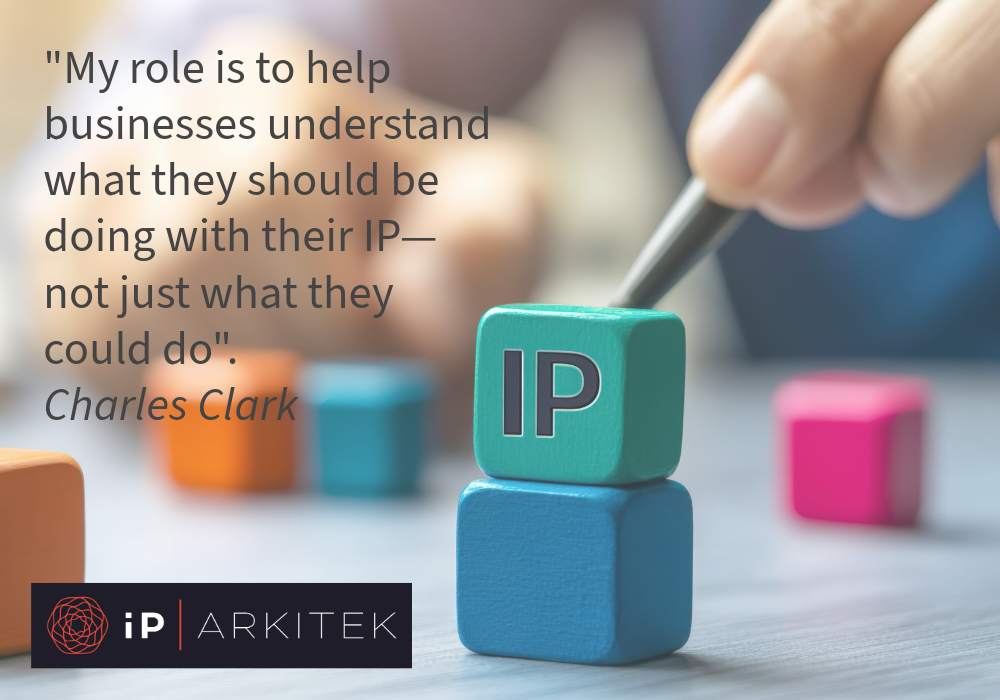


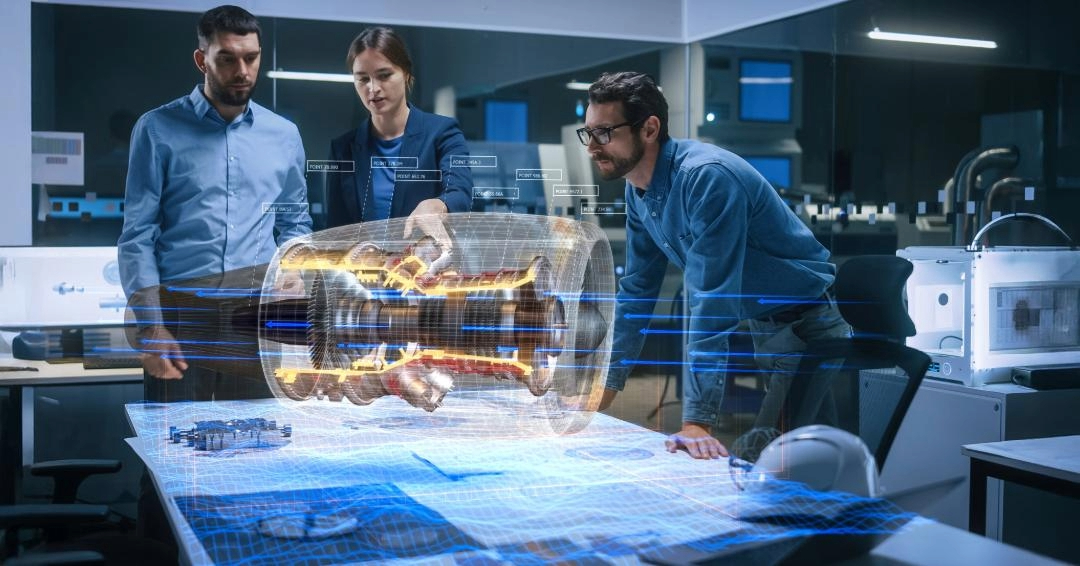

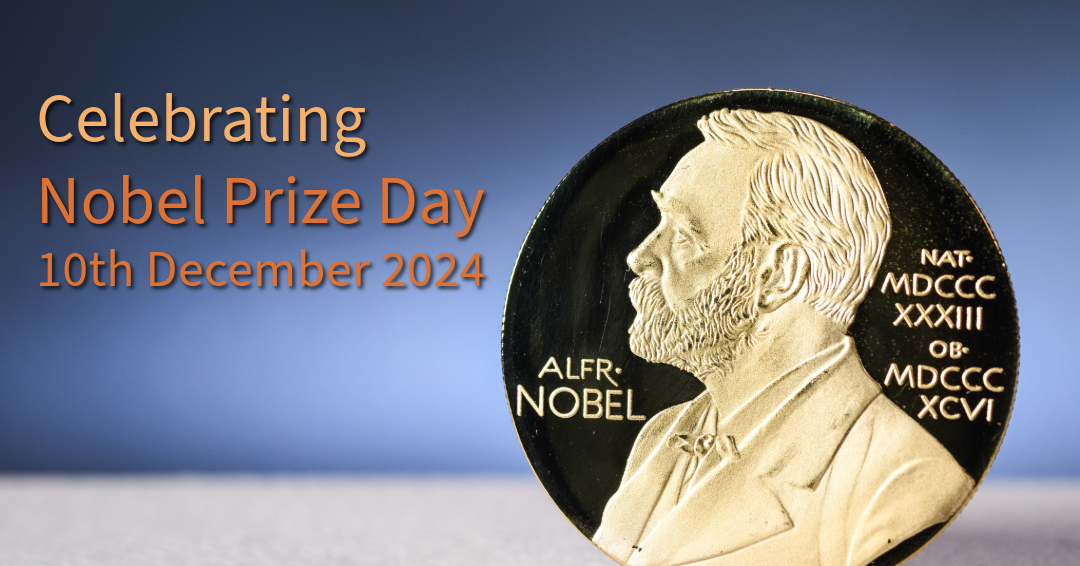









 As a designer, you’re always looking at things from a design/engineering perspective. Whether you’re shopping for homeware, looking around antiques fairs, using your toothbrush or drinking from a water bottle.. You can always spot a good design, or an opportunity to improve an existing one, regardless of the product genre. I’ve designed toothbrushes, telephones, architectural lightning, medical machinery, Hifi products, TV brackets and wine coolers. My philosophy is that, it’s just a product. It doesn’t matter what sort of product, how big it is or what market it comes from. Primarily, as long as you understand the purpose of the product, its main functionality and most importantly, the client’s requirements and expectations of the product, then you can apply your design creativity to it. Of course there will be practical factors to consider, such as Tooling budgets, time scales and commercial viability. All of these can be managed with the client throughout the project whilst retaining freedom and creativity in the design process.

 The brief for this project was to design a unique tilt and swivel mechanism which could be used on various wall mounted speaker accessories. The primary use was for Sonos speaker wall brackets. However, the mechanism was used across various products and is still being used to this day due to its low cost, good flexibility and high functionality. The plastic parts are tooled, manufactured and assembled in the Far East using one of our many trusted suppliers. They are then assembled into the various finished products in the UK. This mechanism was Patented in the UK.
 This is a product designed for home or commercial use. The brief was to design a wine cooler which reduced the use of ice, water and associated plastic waste such as ice bags. The design uses extruded aluminium which has unique thermal properties, a reusable ice puck and a recycled cork non-slip base. The designs were tested against alternative methods such as ice buckets with water and double walled flasks and were proven to be more efficient. Additional benefits are the lack of condensation, no drips or spills on your table and increased portability. All aesthetic designs have been registered and the principle is subject to a Pending Patent Application.




 Order a Search Now