Key Renewable Energy Conferences to Attend (July 2024 – December 2025)
As an intellectual property (IP) attorney, attending renewable energy conferences can be immensely beneficial. These events offer a unique opportunity to stay abreast of the latest technological advancements, legal frameworks, and market trends in the rapidly evolving renewable energy sector. By participating, IP attorneys can gain valuable insights into emerging technologies, understand the intricacies of energy patents, and network with industry leaders and innovators.
ONS 2024
A leading energy industry event focusing on innovation, technology, and sustainability in the offshore sector. The conference provides a platform for stakeholders to discuss the future of the energy industry and showcase the latest advancements in offshore energy.
Date: August 26-29, 2024
Location: Stavanger, Norway
Who Should Attend: Industry professionals, policymakers, innovators, and researchers in the offshore energy sector.
The Offshore Mediterranean Conference (OMC) focuses on the latest developments in the Mediterranean energy sector, including renewable energy, sustainability, and technological innovation.
Date: April 8-10, 2025
Location: Ravenna, Italy
Who Should Attend: Energy professionals, policymakers, and researchers in the Mediterranean region.
The UK’s largest renewable energy event, covering all sectors and renewable and low-carbon energy generation. It provides a platform for experts to discuss and showcase the latest advancements and innovations.
Date: May 14-15, 2025
Location: Glasgow, UK
Who Should Attend: Renewable energy professionals, innovators, and policymakers.
Attending these conferences will provide IP attorneys with the latest insights and networking opportunities in the renewable energy sector, enabling them to better protect and manage intellectual property in this rapidly evolving field.
How Can PatWorld Assist Your Renewable Energy Ventures?
When it comes to patent, design, and trademark research, trust matters. Our teams of researchers have been the go-to choice for patent attorneys, in-house counsel, multi-nationals, SMEs, and universities for many years. Whether you choose to conduct your own search and analysis or seek assistance from our experts, PatWorld is equipped to serve your needs. Seize this chance to employ the premier patent search service for your Renewable Energy project. Order a Search Today, or take a 24 Hour Free Trial of our Patent Database.
As the AgriTech sector continues to surge with ground-breaking innovations, it is crucial for intellectual property (IP) professionals to stay ahead of the curve. Attending leading AgriTech conferences worldwide, such as the World Agri-Tech Innovation Summit and Agrivoltaics Europe, offers unparalleled opportunities to understand the latest technological advancements and their implications for IP rights. These events provide a platform for IP experts to network with pioneers in agricultural technology, gain insights into emerging trends, and explore strategies for protecting and leveraging intellectual property in an evolving market. By participating in these conferences, IP professionals can ensure they are well-equipped to support the development and commercialisation of cutting-edge agri-tech solutions.
AgriTech India
This event showcases the latest technologies in agriculture, horticulture, dairy, and livestock, featuring international participation and innovations.
Date: August 22-24, 2024
Location: Bangalore, India
Beneficiaries: Agricultural professionals, technologists, industry leaders, and business stakeholders.
Focuses on crop production technologies and innovations tailored for the Southeast Asian market, addressing unique regional challenges and opportunities.
Date: November 6-7, 2024
Location: Jakarta, Indonesia
Beneficiaries: Crop production professionals, technologists, industry leaders, and business stakeholders.
Expand your network: Connect with industry leaders and innovators.
Educate and inspire: Learn from ground-breaking research and case studies.
Spotlight on innovation: Discover technologies that could revolutionise healthcare practices and businesses.
These events are pivotal for anyone in the agritech sector looking to stay on the cutting edge. Mark your calendar and consider attending these conferences to advance your knowledge and career.
How Can PatWorld Assist Your AgriTech Ventures?
When it comes to patent, design, and trademark research, trust matters. Our teams of researchers have been the go-to choice for patent attorneys, in-house counsel, multi-nationals, SMEs, and universities for many years. Whether you choose to conduct your own search and analysis or seek assistance from our experts, PatWorld is equipped to serve your needs. Seize this chance to employ the premier patent search service for your Agritech project. Order a Search Today, or take a 24 Hour Free Trial of our Patent Database.
Innovating the Future: A Conversation with Renowned Product Designer, Graham Hannath
Welcome to PatWorld! Today, we are thrilled to introduce you to Graham Hannath. Graham is a visionary product designer who has been transforming ideas into ground-breaking products for over 25 years.
With a rich portfolio of innovative designs, Graham has worked with numerous inventors and companies, turning their concepts into reality. In this exclusive interview, we delve into the mind of Graham Hannath to uncover the secrets behind his creative process, his journey in the world of product design, and his advice for aspiring inventors.
Interview with Graham Hannath
Can you tell us about your journey into product design? What inspired you to pursue this career?
At school, the two things I was interested in were music and art and design. I played guitar at school and in bands, the rest of my time I was making things. My Dad was a teacher at another school and I used to spend weekends in the workshop there making things with him. We made guitars, amplifiers, guitar cases, a canoe, a remote controlled boat… All sorts of things. I chose design and technology as an option at school and made a carrying case for the aforementioned remote controlled boat for my GCSE project. It was this project that gave me my first experience of the buzz you get from seeing and using a product which was developed from your initial idea through to production. Following school, I did a Btech at Jacob Kramer School of art and design in Leeds, starting with Interior Design and then switching to Product Design. Then I completed a Degree at Coventry University before landing my first job designing Loudspeakers and HiFi products at a leading British manufacturer.
Your portfolio showcases a diverse range of products. How do you approach the design process when working with a new idea or invention?
As a designer, you’re always looking at things from a design/engineering perspective. Whether you’re shopping for homeware, looking around antiques fairs, using your toothbrush or drinking from a water bottle.. You can always spot a good design, or an opportunity to improve an existing one, regardless of the product genre. I’ve designed toothbrushes, telephones, architectural lightning, medical machinery, Hifi products, TV brackets and wine coolers. My philosophy is that, it’s just a product. It doesn’t matter what sort of product, how big it is or what market it comes from. Primarily, as long as you understand the purpose of the product, its main functionality and most importantly, the client’s requirements and expectations of the product, then you can apply your design creativity to it. Of course there will be practical factors to consider, such as Tooling budgets, time scales and commercial viability. All of these can be managed with the client throughout the project whilst retaining freedom and creativity in the design process.
What are some of the biggest challenges you face as a product designer, and how do you overcome them?
Demonstrating the value of investing in good design has always been a challenge. Design isn’t drawing nice pictures or presenting amazing visuals. Particularly with the recent advent of AI, design is in danger of being seen as simply producing visually stunning images rather than working through real problems and producing commercially successful products. The way to overcome this is to be open and honest with your client from day one with regards to expectations, costs, lead times and deliverables.
Fear of designer’s block! Like any creative profession there’s no secret formula to coming up with good ideas and there’s always an uncertainty as to how a project will develop. At the beginning of any project there’s a trepidation, “what if I can’t think of anything” or “what if they don’t like any of my proposals?” All you can do as a designer is to look at your track record and past successes and trust that you will have THAT spark.
Remembering you are working for the client. Designers (and most other creatives) have a reputation for being stubborn, self opinionated and difficult to direct. This could be true of some, and may be beneficial to others. However, the client has brought their vision to you to realise, and it’s your job to work with them to make their vision as successful as possible. This may mean working on products you don’t like or going in directions you don’t agree with. Regardless, the end goal is to give the client the best version of their vision possible. And, to assist them in making their product a success.
What advice would you give to inventors and entrepreneurs who are looking to bring their ideas to life through product design?
Don’t be scared! With the right team on board, bringing your ideas to life isn’t as difficult, or as expensive as you may think. Also, due to the processes involved and the rise of low priced rapid prototyping and 3D printing, you can get a pretty good idea of the viability of your product without going too far down the road and with relatively little expenditure. The design process is split into several fairly simple stages – Concept, Development, Detailing, Prototyping, Costing, Detailing for Manufacture, Manufacture. At any of these stages, you can change direction, re-define the brief, re-evaluate budgets, or even bail out completely. The only way to find out is to take that first step.
Featured Projects
Project 1: “Hangman” Bicycle Hanger
The Hangman bicycle storage and security system was conceived, designed and manufactured from scratch. Some moulded components were sourced from the Far East with the remainder produced in the UK. The finished units were manufactured and assembled in Nottingham.
The unique feature of the design is the weight-triggered clasp which opens when the weight of the bike is removed and closes when the bike is put back in place. The unit supports the bike whilst locking and unlocking. It can be locked with one hand and without having to wrap locks or chains around the bike frame. The mechanism makes storage and locking quick and convenient for use in small or cluttered spaces such as apartments, outbuildings or garages.
Project 2: Tilt and Swivel Plastic Bracket Mechanism
The brief for this project was to design a unique tilt and swivel mechanism which could be used on various wall mounted speaker accessories. The primary use was for Sonos speaker wall brackets. However, the mechanism was used across various products and is still being used to this day due to its low cost, good flexibility and high functionality. The plastic parts are tooled, manufactured and assembled in the Far East using one of our many trusted suppliers. They are then assembled into the various finished products in the UK. This mechanism was Patented in the UK.
Project 3: Ice and Water-Free bottle coolers
This is a product designed for home or commercial use. The brief was to design a wine cooler which reduced the use of ice, water and associated plastic waste such as ice bags. The design uses extruded aluminium which has unique thermal properties, a reusable ice puck and a recycled cork non-slip base. The designs were tested against alternative methods such as ice buckets with water and double walled flasks and were proven to be more efficient. Additional benefits are the lack of condensation, no drips or spills on your table and increased portability. All aesthetic designs have been registered and the principle is subject to a Pending Patent Application.
We hope you enjoyed this insightful conversation with Graham Hannath. His passion and expertise in product design is truly inspiring. If you are an inventor or entrepreneur looking to bring your ideas to life, Graham is the perfect partner to help you navigate the design process and create something extraordinary. Stay tuned for more inspiring stories and interviews here at PatWorld.com!
At PatWorld, we understand the importance of protecting your innovative ideas. Our comprehensive patent search services are designed to help you determine the patentability of your product, identify potential infringements, and navigate the complex patent landscape. Conducting a patent search is crucial at various stages of product development. Including, during the initial concept phase, before filing a patent application, and when preparing for market launch. Our expert team is here to support you every step of the way. Ensuring that your inventions are safeguarded, and your innovation journey is smooth.
Welcome to the future of academic research and innovation! At PatWorld, we are committed to supporting universities and academic institutions in their quest for ground-breaking research and technological advancements. Whether you are a seasoned researcher or a budding innovator, you can advance your academic innovation with PatWorld. Our comprehensive patent database offers invaluable resources to help you track the latest technological trends and protect your discoveries.
Here’s why PatWorld is the ideal tool for your academic research needs.
Comprehensive Coverage of Patents
At PatWorld, we provide unparalleled access to patents from leading global innovators. Our extensive database covers a vast array of fields, ensuring that you have the most up-to-date information at your fingertips. By leveraging our platform, researchers can gain insights into emerging technologies, monitor competitors, and uncover new areas of exploration.
Why Comprehensive Coverage Matters
Having access to a wide range of patents is crucial for academic researchers. It allows you to stay informed about the latest advancements, identify gaps in the market, and ensure that your research is original and impactful. With PatWorld, you can explore patents across various industries and disciplines, giving you a comprehensive view of the current technological landscape.
Explore more about PatWorld’s comprehensive coverage on our details page.
Research-Friendly Platform
PatWorld is designed with researchers in mind. Our user-friendly interface and advanced search capabilities make it easy for you to find the information you need quickly and efficiently. Whether you are conducting a literature review, preparing for a grant application, or exploring potential collaboration opportunities, PatWorld provides the tools you need to succeed.
Features Tailored for Researchers
– Advanced Search Options: Use keywords, patent numbers, or inventor names to find relevant patents.
– Customisable Alerts: Set up alerts for new patents in your field of interest.
– Detailed Analysis Tools: Analyse patent trends, track technological advancements, and identify key players in your industry.
Discover how PatWorld can support your research on our further details page.
Affordable Plans for Educational Institutions
We understand that budget constraints can be a significant barrier for many educational institutions. That’s why PatWorld offers affordable plans tailored specifically to fit educational budgets. Our goal is to ensure that every researcher has access to the tools they need to succeed, without breaking the bank.
Flexible and Affordable Options
– Individual Researcher Plans: Ideal for solo researchers or small teams.
– Institutional Plans: Perfect for universities and large research groups, offering multiple user access and additional features.
– Custom Plans: Tailor a plan that meets your specific needs and budget requirements.
By integrating PatWorld into your research workflow, you can enhance your ability to innovate and make a significant impact in your field. Our platform provides the resources and tools necessary to support your research efforts, helping you to stay ahead of the curve and contribute to the advancement of knowledge.
Why Choose PatWorld?
– Trusted by Leading Institutions: Many top universities and research institutions rely on PatWorld.
– Dedicated Support: Our team is here to help you maximise the benefits of our platform.
– Commitment to Innovation: We continuously update our database and features to ensure that you have access to the best tools available.
Take the next step in advancing your research capabilities. Book a demo today and see how PatWorld can transform your academic research and innovation activities.
Join the growing community of researchers who trust PatWorld for their patent research needs. Let’s drive academic innovation together!
PatWorld Patent Database V3.9: Now Live with Game-Changing Features!
We are excited to announce that PatWorld V3.9 is now live!
Our team has worked hard to bring you an array of new features designed to revolutionise your patent research and management experience. Accordingly with this release, we are introducing some of the most requested functionalities:
Charts: Click-Through Interactive Chart Drill Down Our new interactive chart feature allows you to click on bars or segments within charts and drill down to explore sub-data. This means you can now easily navigate through complex data sets, gaining deeper insights and understanding of your patent information. Explore your data dynamically and make informed decisions faster.
Exports: PDF Bulk Download We understand the need for efficient document handling, which is why we’ve introduced the PDF Bulk Download feature. Now, when you export your data, you can select “Original Publication PDFs” to receive a ZIP file containing all available PDF documents. If some documents are not available, a text file will be included in the ZIP file, detailing which documents could not be retrieved. This feature streamlines your workflow, saving you time and effort.
Exports: Indicate Folder Presence Categorising your results has never been easier. With our new export feature, you can now indicate which folders your publications are in. Folders are used as tags to organise your results. This enhancement ensures that your organisational structure is preserved even in exported data. This means better management and retrieval of your patent documents.
We believe these updates will significantly enhance your experience with the PatWorld Patent Database. Thus providing you with powerful tools to manage and analyse your patent data more effectively. Best of all, you can explore all these features with a 24-hour free trial—no payment details required!
Start exploring today with the new features of PatWorld V3.9 and transform the way you handle your patent data!
Land Restoration, Desertification, and Drought Resilience – PatWorld: Your Partner in Sustainable Progress
At PatWorld, we recognise the pivotal role of innovation in addressing the pressing challenges of land restoration, desertification, and drought resilience. As the theme for World Environment Day 2024 highlights these crucial areas, we are proud to support innovators who are making a difference. Here’s how our comprehensive patent search services can help you through every stage of your product’s life cycle:
Sustainable Agriculture
Innovations in sustainable agriculture are transforming farming practices. Whether you’re developing new crop rotation techniques or advanced irrigation systems, our Patentability Searches ensure your ideas are unique and protectable.
Reforestation and Afforestation
Bringing forests back to life requires novel techniques and technologies. With our Freedom to Operate Searches, you can confidently deploy your reforestation solutions without infringing on existing patents.
Water Management Systems
Efficient water management is key to drought resilience. Our State-of-the-Art Searches help you stay informed of the latest advancements and position your innovations at the forefront of the industry.
Soil Restoration Technologies
Restoring soil health involves cutting-edge biotechnologies. PatWorld’s Validity Searches provide the assurance you need to defend your patents against challenges, securing your innovations in the market.
Desert Greening
Transforming deserts into arable land requires ground-breaking methods. Use our Patentability Searches to ensure your desert greening techniques are new and non-obvious, safeguarding your intellectual property.
Climate-smart Infrastructure
Developing infrastructure that supports sustainable land management is critical. Our Freedom to Operate Searches verify that your innovative infrastructure solutions do not infringe on existing patents, ensuring smooth project implementation.
Ecosystem Restoration
Innovative approaches to restoring ecosystems are vital for biodiversity. Stay ahead with our State-of-the-Art Searches, which keep you updated on current trends and emerging technologies in ecosystem restoration.
Community-led Conservation
Empowering communities with innovative conservation tools is essential. PatWorld’s Validity Searches protect your patents, helping you maintain a competitive edge while fostering community involvement.
Technology and Data Analytics
Leveraging data analytics for land restoration requires cutting-edge software and hardware solutions. Our Patentability Searches confirm that your technological innovations are novel and eligible for patent protection.
Policy and Governance Innovations
Developing policies that support sustainable practices involves unique approaches. Ensure your policy frameworks and governance tools are protected with our Freedom to Operate Searches, minimising legal risks.
Why Choose PatWorld.com?
Comprehensive Coverage: From patentability to freedom to operate, state of the art, and validity searches, we cover all aspects of the patent lifecycle.
Expertise in Environmental Innovations: Our team excels in carrying out searches related to the latest technologies and trends in land restoration, desertification, and drought resilience.
Tailored Solutions: We offer customised patent search services to meet the specific needs of your innovation.
Join the forefront of sustainable innovation with PatWorld. Let’s make a difference together, one patent at a time.
Contact us today to learn more about how our patent searches can support your ground-breaking work in land restoration and beyond.
Discover the Future of Mobility with PatWorld and the Global IP Matrix
We are excited to announce that PatWorld.com is featured in the latest issue of the Global IP Matrix, coinciding with the INTA 2024 annual meeting. The article, “The Future of Mobility: A Three-Way Race Between Hybrid, Hydrogen, and Electric Propulsion,” penned by industry experts Dean Parry and Clare Gibson, explores the competitive landscape of automotive innovation.
Key insights include:
Hydrogen Engines: Highlighting net zero-greenhouse gas emission alternatives with the potential to revolutionise multiple industries.
Electric Vehicles (EVs): Detailing advancements in battery technology, energy efficiency, and infrastructure.
Hybrid Vehicles: Bridging the gap between traditional combustion engines and future electric mobility, offering reduced emissions and improved fuel efficiency.
The article also features visual data created via PatWorld, showcasing the rise of hydrogen and electric technologies through patent activities. Dean Parry and Clare Gibson provide a comprehensive analysis of the current trends and future prospects in the automotive industry.
For IP professionals and business leaders alike, this insightful piece is essential reading. Discover how PatWorld is pioneering the industry with advanced technologies and expert strategies.
Read the full article here and stay ahead in the IP world.
Are you or your clients developing technologies in this innovative area? Are you seeking support with IP Search Services or Patent Databases? If so, please click on the relevant links below.
If you enjoy our content here, you’ll love the stuff we share on LinkedIn, follow us now. However, if you’re not on LinkedIn, check out our other social media sites:
Revolutionising Medical Technology with PatWorld’s Patent Search Services
In the fast-evolving landscape of medical technology, innovation is the key to progress. From AI-driven diagnostics to wearable health monitors, advancements are reshaping how we approach healthcare. However, navigating the patent landscape for these cutting-edge technologies can be challenging. This is where PatWorld’s patent search services come into play, offering comprehensive solutions for your MedTech innovations. Let’s explore how PatWorld can assist in various medical technology sectors.
AI and Machine Learning in Healthcare
Artificial Intelligence (AI) and Machine Learning (ML) are transforming healthcare by providing enhanced diagnostic capabilities, predictive analytics, and personalised treatment plans. Companies developing AI algorithms for medical applications need to ensure their innovations are protected and do not infringe on existing patents. PatWorld offers detailed patent searches to identify existing patents, evaluate the novelty of your inventions, and guide you through the patenting process. With PatWorld, you can stay ahead in the AI-driven medical revolution.
Robotics in Surgery and Rehabilitation
Robotic technology is revolutionising surgical procedures and rehabilitation practices. From precision surgical robots to assistive rehabilitation devices, the potential for innovation is immense. PatWorld’s patent search services can help identify existing patents, uncover potential competitors, and ensure your robotic solutions are unique and patentable. Protect your ground-breaking work in medical robotics with PatWorld’s expert guidance.
Wearable Devices for Health Monitoring
Wearable devices, such as smartwatches and fitness trackers, are becoming increasingly popular for continuous health monitoring. These devices can track vital signs, monitor chronic conditions, and even detect early signs of illness. To secure your innovations in wearable technology, PatWorld provides thorough patent searches to navigate the complex landscape of existing patents. Ensure your wearable devices are protected with PatWorld’s comprehensive patent analysis.
Advancements in Antimicrobials
The development of new antimicrobial agents is critical in the fight against resistant bacteria and infections. Whether you’re working on new antibiotics, antimicrobial coatings, or innovative delivery systems, understanding the patent landscape is crucial. PatWorld offers detailed searches to identify existing antimicrobial patents, helping you develop novel and effective solutions. With PatWorld, safeguard your contributions to antimicrobial technology.
Nanomedicine: The Future of Treatment
Nanomedicine holds the promise of revolutionising treatment methods through targeted drug delivery, improved imaging techniques, and personalised medicine. PatWorld’s patent search services provide invaluable insights into the nanomedicine patent landscape. By identifying existing patents and potential areas of innovation, PatWorld helps ensure your nanomedicine advancements are protected and strategically positioned in the market.
Telemedicine: Bridging the Healthcare Gap
Telemedicine is transforming healthcare delivery by enabling remote consultations, monitoring, and treatment. As this field expands, securing patents for telemedicine technologies becomes increasingly important. PatWorld offers comprehensive searches to help you navigate the telemedicine patent landscape, ensuring your innovations are protected and compliant with existing patents. Leverage PatWorld’s expertise to secure your place in the future of healthcare delivery.
Medical Devices: From Concept to Reality
Medical devices encompass a broad range of innovations, from diagnostic tools to therapeutic equipment. Protecting these inventions requires a thorough understanding of the patent landscape. PatWorld provides extensive patent searches to identify existing patents, assess the novelty of your devices, and guide you through the patenting process. Whether you are developing a new medical device or improving an existing one, PatWorld patent searches help ensure your innovations are secure.
Comprehensive Searches: In-depth analysis of existing patents across various medical technology sectors.
Expert Guidance: Professional support to navigate the complexities of patent searching around medical innovations.
Competitive Edge: Identifying potential competitors and ensuring your technology stands out.
Strategic Positioning: Helping you make informed decisions about patent applications and product development.
To explore the range of PatWorld Patent Search Services to support your medical technology innovations, click here.
Stay ahead in the MedTech industry with PatWorld, your trusted partner in patent search and analysis. Protect your innovations and contribute to the future of healthcare with confidence.
Keeping pace with the rapid advancements in medical technology requires continuous learning and networking. For healthcare providers, tech innovators, and industry researchers, attending the right conferences can provide critical insights and connections. Here’s your guide to some of the top medical technology conferences in 2024.
DeviceTalks, Boston 2024
Location: Boston, MA
Dates: May 1-2, 2024
Website: https://boston.devicetalks.com DeviceTalks Boston provides an interactive platform for networking and the sharing of ideas for advancing the design and manufacturing of medical devices. This conference brings together industry leaders to discuss the challenges and opportunities in today’s medtech world, including case studies and innovative strategies.
The Medtech Forum
Location: Vienna, Austria
Dates: May 22-24, 2024
Website: https://www.themedtechforum.eu/
One of Europe’s most significant medical technology conferences, The MedTech Forum covers a range of topics from market trends to regulatory insights and innovative business models. The event gathers leading experts from across the globe to debate the future directions of the medtech industry.
Med-Tech Innovation Expo 2024 Location: NEC, Birmingham, UK
Dates: June 5-6, 2024
Website: https://med-techexpo.com/conference
The Med-Tech Innovation Expo is the UK’s standout showcase of medical design and manufacturing technology. The event is a unique platform featuring live demonstrations of the latest machines, technology, products, and services, providing a hands-on experience for manufacturers and suppliers.
MedTech Summit 2024 (Hybrid) Location: DoubleTree by Hilton Brussels City, Brussels, Belgium
Dates: June 10 – 14, 2024
Website: https://informaconnect.com/medtech-summit/
This summit offers a comprehensive look at the regulatory landscape affecting medical technologies in Europe, with a hybrid format that facilitates both in-person and digital attendance. Topics include EU MDR, IVDR, and global market regulations.
HLTH Europe Location: Hlth, Europe, RAI Convention Centre, Amsterdam
Date: June 17 – 20, 2024
Website: https://europe.hlth.com/ HLTH Europe is a leading event focusing on innovation and transformation across the healthcare ecosystem. It convenes thought leaders and disruptors from various sectors to discuss, develop, and shape the future of healthcare.
Medtech LIVE Location: Stuttgart, Germany
Date: June 18 – 20, 2024
Website: https://www.medteclive.com/en Medtech LIVE is a significant event in the European medical technology calendar, offering insights into the latest industry developments. It brings together professionals from all segments of the medtech supply chain, from traditional manufacturing to high-tech solutions.
LSI Emerging Medtech Summit Location: Sintra, Portugal
Date: September 16 – 20, 2024
Website: https://www.lsieuropesummit.com/
This summit focuses on the investment and start-up landscape in medical technology, providing a platform for start-ups to connect with investors and strategize on entering the market or expanding their reach.
American Medical Device Summit 2024 Location: Chicago, Illinois, USA
Dates: October 1-2, 2024
Website: https://amdsummit.com/
The American Medical Device Summit sets the standard on how the industry should connect and exchange ideas. The summit explores the challenges and opportunities in developing, funding, and innovating in the medtech field.
HLTH Location: HLTH 2024, Las Vegas, USA
Date: October 20-23, 2024
Website: https://www.hlth.com/2024event HLTH 2024 is one of the foremost healthcare innovation and transformation conferences in the US, showcasing new solutions that improve health outcomes and reduce costs, with a strong focus on emerging technologies.
Medica 2024 Location: Düsseldorf, Germany
Dates: November 11-14, 2024
Website: https://www.medica-tradefair.com/ Medica is the world’s largest event for the medical sector and has been a fixture for more than 40 years. Each year, it draws experts from across all health sectors to discuss and share insights into innovations in healthcare.
Why Attend?
These conferences offer opportunities to:
Expand your network: Connect with industry leaders and innovators.
Educate and inspire: Learn from ground-breaking research and case studies.
Spotlight on innovation: Discover technologies that could revolutionise healthcare practices and businesses.
These events are pivotal for anyone in the medical technology field looking to stay on the cutting edge. Mark your calendar and consider attending these conferences to advance your knowledge and career.
How Can PatWorld Assist Your Medical Technology Ventures?
Whether you choose to conduct your own search and analysis or seek assistance from our experts, PatWorld is equipped to serve your needs. Seize this chance to employ the premier patent search service for your medical technology project. Read more….
How Can PatWorld Assist Your Medical Technology Ventures?
In the rapidly evolving field of medical technologies, staying abreast of the latest patents and prior art is crucial. PatWorld’s patent search services are invaluable for those engaged in medical technology research and development. Our teams of seasoned researchers possess a profound knowledge of the med-tech sector. They can assist you in uncovering the essential information to keep you at the forefront of innovation.
Whether you aim to create a ground-breaking medical device, introduce a novel healthcare service, or keep informed about cutting-edge developments in medical technologies, our patent search services are designed to support your ambitions. For further details, please click here.
For those who prefer conducting their research, please register for our PatWorld patent database. This premier online resource for patent searches and analyses is trustworthy, swift, and cost-effective. PatWorld provides:
Access to an extensive collection of over 150 million patent documents from upwards of 100 countries and territories
The ability to analyse patent data and discern trends through interactive visualisations
Sophisticated search capabilities and filters to pinpoint the patents most pertinent to your medical technology inquiries
Detailed and precise patent reports available in DOCX/PDF format, with the ability to export patent data for up to 10,000 patent families at a time in the form of downloadable CSV, DOCX, PDF or XLSX documents
Economise both time and resources with our competitive rates and adaptable payment models
Benefit from the expertise and personable support of our dedicated team of research professionals
How Can PatWorld Assist Your Medical Technology Ventures?
Whether you choose to conduct your own search and analysis or seek assistance from our experts, PatWorld is equipped to serve your needs. Seize this chance to employ the premier patent search service for your medical technology project.
We regularly share medical technology innovation news on LinkedIn, follow us now. However, if you’re not on LinkedIn, check out our other social media sites:
Pioneering Innovations for Better Medical Treatments in the Third World
The Significance of World Intellectual Property Day
World Intellectual Property (IP) Day, observed annually on April 26, underscores the pivotal role of intellectual property in fostering innovation and creativity. This year, the theme is IP and the Sustainable Development Goals (SDGs). In our article, we highlight SGD three to Ensure healthy lives and promote well-being for all at all ages. In particular, we will focus on the urgent need for advanced medical treatments in third-world countries, where access to healthcare remains a critical challenge.
The Healthcare Gap in the Third World
In many developing nations, the healthcare landscape is fraught with obstacles: inadequate medical facilities, shortages of trained healthcare professionals, and limited access to medicines and technologies. These challenges are compounded by higher rates of infectious diseases, maternal and child mortality, and non-communicable diseases that are often neglected by global health agendas.
Innovations on the Horizon
Thankfully, a wave of innovation offers hope. Entrepreneurs, scientists, and healthcare professionals from around the globe are working on ground-breaking solutions. The innovations we highlight to answer some of the challenges may not be specifically tailored to the unique challenges faced by third-world countries, however the solutions they offer would be of great importance.
Mobile Health Technologies: Mobile technology is revolutionising healthcare delivery, enabling remote diagnostics and health monitoring, vital in areas with few medical professionals. Apps and mobile devices allow patient data collection and sharing in real-time, improving patient outcomes in remote regions.
Mobile Health technologies – US Patent US20230410223A1 (patent pending) details a digital platform designed specifically for health users. This patent is an example of how using a mobile platform can facilitate the management and exchange of health data, improving patient outcomes and would be especially beneficial in remote and underdeveloped countries.
Affordable Diagnostic Tools: Innovations such as paper-based diagnostic tests and portable imaging devices are making it easier and cheaper to diagnose diseases in low-resource settings. These tools are not only cost-effective but also easy to use, which helps in early detection and treatment.
US Patent US2020383559A1 describes an imaging device attachment compatible with mobile devices. This attachment enhances the camera capabilities of smartphones, enabling superior image and video capture quality. Being portable and lightweight products of this nature would enable easier diagnosis where access to medical professionals is not readily available. The images and videos captured can be sent to consultants for review and diagnosis.
Vaccine Development and Distribution: Recent global health crises have accelerated vaccine research and development. Innovations in vaccine technology, such as mRNA vaccines, are promising for rapid development and deployment in outbreak situations. Efforts are also being made to improve cold chain logistics to ensure vaccines reach those in remote areas effectively and safely.
Vaccine Distribution – DE Patent DE202021004389U1 describes a cryogenic transport and storage arrangement. This innovation is engineered to efficiently handle the transport and storage of materials, such as vaccines, at extremely low temperatures, optimizing safety and thermal stability. It focuses on enhancing the efficacy and reliability of cryogenic systems. These types of storage systems would be extremely beneficial in hot climates where vaccines may need to travel large distances to reach populations of need.
The Role of IP in Supporting Healthcare Innovations
Intellectual property rights play a crucial role in encouraging the development and dissemination of these innovations. By protecting the rights of creators and inventors, IP incentivises investment in research and development. Furthermore, IP can facilitate technology transfer between countries and organisations, making life-saving technologies more widely available and adaptable to the needs of developing nations.
Conclusion
As we celebrate World IP Day, it’s important to recognise and support the innovations that are making a significant impact on healthcare in the third world. The continued emphasis on IP rights and their strategic management will be key to fostering these innovations, ensuring that advancements in healthcare reach all corners of the globe. This observance not only celebrates the ingenuity of human minds but also calls for a collective effort to bridge the health divide and build a healthier future for the third world.
How Can PatWorld Support Innovators in the Health Tech Sector?
With the ever-increasing pace of innovation in the Health Tech sector, it is essential to stay up-to-date with the latest patents and prior art. PatWorld patent search services are particularly useful for those involved in Health Tech research. Our experienced teams of researchers have a deep understanding of the Biotech, Pharma and Medical industries and can help you find the information you need to stay ahead of the competition.
Whether you are looking to develop a new product, launch a new service, or simply stay informed about the latest trends in Health Tech, our patent search services can help you achieve your goals.
If you prefer to carry out your searches, we encourage you to sign up for the PatWorld Patent Database. The database is a leading online platform for patent search and analysis that is reliable, fast, and affordable.
The PatWorld database provides the insights and support you need to succeed.
Save valuable time, money and resources by using Ai to significantly improve the efficiency of your R&D processes, find relevant documents in seconds. Simply cut and paste invention disclosure into the Ai feature, review to decide the closest then ask the Ai to “find similar”.
Simplifies the search process so less training required.
Automated reports allow your findings to be quickly presented in a standard format recognised by IP Attorneys
Analyse trends in the technology with charts and graphs automatically generated from your search and easily editable.
Makes organising and storing your research simple.
Whether you prefer to carry out search and analysis yourself or want some help from the experts, PatWorld has you covered. Don’t miss this opportunity to utilise the best patent search report for your project.
Unlocking Innovation: How PatWorld’s Patent Database Empowers SMEs
For small and medium-sized enterprises (SMEs), innovation isn’t just a buzzword—it’s a vital component of competitive advantage and growth. However, numerous challenges can stymie the innovative efforts of SMEs, ranging from financial constraints to accessing the latest technology. This is where PatWorld, a comprehensive patent search database, steps in as an invaluable resource. Let’s explore how PatWorld can help SMEs navigate and overcome some common innovation hurdles.
PatWorld Patent Database Empowering SME Innovation
Tapping into a World of Ideas
Overcoming Financial Barriers to Innovation
Innovation can be costly, especially when it involves research and development (R&D). PatWorld offers an affordable solution by providing access to a global database of patents. This allows SMEs to conduct thorough market and patent landscapes without the need for expensive R&D departments. By understanding existing technologies and the directions in which industries are heading, SMEs can make informed decisions on where to allocate their R&D budgets effectively.
Enhancing Competitive Edge
The competitive market does not wait for anyone. PatWorld equips SMEs with the tools to stay ahead by monitoring competitors’ activities through patent filings. Understanding what your competitors are doing can help you pinpoint gaps in the market and opportunities for differentiation. This insight is crucial for SMEs aiming to carve out a unique space in the market.
Streamlining Innovation Processes
One significant challenge for SMEs is the efficient management of innovation processes. PatWorld simplifies this by offering an intuitive search platform where SMEs can explore new technologies, trends, and potential partnerships. By having all these resources in one place, SMEs can accelerate their innovation cycle and bring new products to market faster.
Accessing New Markets
For SMEs looking to expand into new territories, understanding the intellectual property landscape is crucial. PatWorld provides detailed insights into the patent environment of various countries, helping SMEs avoid infringement and identify areas where their innovations can be protected and commercialised effectively.
Risk Management
Innovation involves risks, particularly legal and technological. PatWorld helps mitigate these risks by providing comprehensive data on existing patents, which can inform SMEs about potential patent infringements before they occur. This proactive approach not only saves costs but also reduces the legal risks associated with innovation.
Empower Your SME with PatWorld – The most cost effective R&D tool available.
PatWorld isn’t just a tool; it’s a partner in your innovation journey. With its vast repository of patent data and easy-to-use features, it empowers your business to navigate the complex landscape of innovation in a structured and risk-averse manner. Whether you’re looking to boost your R&D efforts, stay ahead of the competition, or expand into new markets, PatWorld provides the insights and support you need to succeed.
Save valuable time, money and resources by using Ai to significantly improve the efficiency of your R&D processes, find relevant documents in seconds. Simply cut and paste invention disclosure into the Ai feature, review to decide the closest then ask the Ai to “find similar”.
Simplifies the search process so less training required.
Automated reports allow your findings to be quickly presented in a standard format recognised by IP Attorneys
Analyse trends in the technology with charts and graphs automatically generated from your search and easily editable.
Makes organising and storing your research simple.
Don’t let innovation be a roadblock to your growth. Explore how PatWorld can transform your business strategy and help you achieve your innovative goals. Visit PatWorld’s pricing optionstoday to find a plan that fits your needs and budget. Unlock the potential of your SME with the power of global patent data at your fingertips!
Earth Day 2024: Championing a Bold Vision to Reduce Plastics
This Earth Day, April 22, 2024, EARTHDAY.ORG is driving a powerful initiative with a clear objective. They aim to drastically cut down on plastic production for the betterment of both human and planetary health. The commitment is resolute, advocating for a substantial 60% reduction in all plastic production by 2040.
Highlighting this goal, innovative patents found via the PatWorld database underscore the progress being made toward sustainable alternatives to traditional plastic materials. These innovations offer a glimpse into a future where dependency on harmful plastics is significantly diminished.
One of these ground-breaking patents is KR102466406B1. It details a biodegradable polymer complex derived from mushroom mycelium. This inventive material is a promising substitute for synthetic plastics, emphasising a sustainable manufacturing process that can be scaled for widespread use.
Another inventive solution is encapsulated in patent KR102001771B1. This focuses on transforming coffee waste into eco-friendly working materials. This method tackles the issue of waste management and replaces non-biodegradable materials with a greener alternative.
Additionally, patent KR102463060B1 introduces an eco-friendly polyurea coating and a biodegradable buoy. It utilises both mushroom mycelium and beer hop residues. This invention is particularly relevant for marine environments, demonstrating how organic waste can be converted into useful, environmentally friendly products.
As we observe Earth Day 2024, these patents represent vital steps forward in the global movement towards reducing plastic usage. They serve as a testament to the innovative efforts that are essential in achieving the ambitious goals set by EARTHDAY.ORG.
Introduction to Plastic Reduction Initiatives
In a significant legislative move to combat plastic waste, the UK has announced a ban on the sale of wet wipes containing plastic. This measure is part of broader efforts to address the environmental impact of single-use plastics, aligning with global initiatives like Earth Day to significantly reduce plastic usage. https://news.sky.com/story/wet-wipes-containing-plastic-to-be-banned-from-sale-in-uk-13120426
Unilever is setting an industry standard with its ambitious pledge to cut virgin plastic usage by half by 2025, as detailed on its official sustainability page. This commitment includes increasing the use of recycled plastic and innovating new ways to deliver products, showcasing significant corporate leadership in sustainability. https://www.unilever.com/sustainability/plastics/rethinking-plastic-packaging/
How PatWorld Supports Innovators and Technologies for Plastic Reduction and Sustainability
PatWorld is steadfast in its commitment to driving innovation and supporting the pioneers who are tirelessly working to reduce plastic usage and promote sustainability. Central to our mission is providing top-tier Intellectual Property (IP) Search Services and access to the extensive PatWorld Patent Database. Our platform acts as a vital link, connecting inventors, researchers, and companies with the necessary tools and resources to transform their sustainable ideas into tangible solutions.
By leveraging our advanced IP search capabilities, stakeholders can effectively explore the vast array of existing patents. In doing so they can discover opportunities for ground-breaking innovation, minimising infringement risks, and finding potential collaborators who share a commitment to environmental sustainability. Through PatWorld, leaders in the movement to reduce plastics gain the support and information essential for ensuring their innovative solutions have a lasting impact.
Conclusion
Global efforts to reduce plastic usage are gaining momentum with legislative measures like the UK’s plastic ban on wet wipes and corporate initiatives by companies like Unilever. These collaborative actions are crucial for achieving the ambitious goals set forth by environmental advocates worldwide, demonstrating a unified approach to tackling plastic pollution.
Earth Day 2024, with its theme focused on reducing plastic production by a significant margin by 2040, underscores the urgent need for innovative solutions in sustainability. PatWorld is proud to support the innovators leading these efforts. By harnessing the power of intellectual property and collaborative innovation, we can contribute significantly to reducing plastic usage and safeguarding our planet for future generations.
Are you or your clients developing technologies in this critical area? Are you seeking support with IP Search Services or Patent Databases? If so, please click on the relevant links below. Join us in our mission for a sustainable future.
If you enjoy our content here, you’ll love the stuff we share on LinkedIn, follow us now. However, if you’re not on LinkedIn, check out our other social media sites:
Unlocking Product Innovation: How SMEs Can Thrive with PatWorld’s Patent Insights
The dynamic terrain of innovation presents both immense opportunities and significant challenges for Small and Medium-sized Enterprises (SMEs) as they develop new products. In this highly competitive environment, a robust understanding of patents can be the key to not just survival but thriving. PatWorld, with its comprehensive suite of tools and vast database, is designed to empower SMEs in this endeavour. Whether you are a novice to the world of patents or an experienced professional, PatWorld offers over 150 million patent documents from around the globe, AI search technology, and advanced analytical features that can significantly streamline and enhance the product development process for SMEs. Here’s how PatWorld stands out as a critical resource in identifying market gaps, navigating infringement risks, and tackling problematic patents.
Identifying Market Opportunities
PatWorld’s expansive database and advanced search capabilities enable SMEs to identify untapped areas within their industries. By analysing patents across a wide array of technologies and sectors, businesses can uncover gaps in the market that present opportunities for innovation. This strategic insight encourages SMEs to direct their R&D efforts towards areas that are not only innovative but also free from the crowded competition, allowing for a clearer path to market and customer adoption.
Mitigating Infringement Risks
One of the paramount concerns in product development is the risk of infringing on existing patents, which can lead to costly legal disputes and delays. PatWorld’s AI-powered search technology facilitates comprehensive freedom-to-operate searches, enabling businesses to identify potential patent infringements before they escalate into problems. This proactive approach not only saves significant time and resources but also provides peace of mind, ensuring that SMEs can proceed with their development and launch plans securely.
Patent Busting for Problematic Patents
Occasionally, SMEs may encounter patents that they believe are unjustly hindering their product development efforts. In such cases, PatWorld’s detailed patent documents and analytics can be invaluable. SMEs can use PatWorld to find prior art that challenges the novelty or obviousness of problematic patents, potentially leading to these patents being invalidated or narrowed in scope. This process, known as “patent busting,” is facilitated by PatWorld’s ability to sift through millions of documents to find the precise evidence needed to challenge a patent’s validity.
Advanced Tools for Comprehensive Analysis
PatWorld doesn’t just stop at providing patent documents; it also offers advanced charts, analytics, and a customizable report generator to synthesize complex data into actionable insights. These tools are crucial for SMEs looking to make informed decisions based on comprehensive market intelligence. Moreover, the ability to set up monthly alerts ensures that businesses remain vigilant about new patents filed by competitors, helping them to continuously monitor potential infringement risks and opportunities for innovation.
Conclusion
For SMEs embarking on the journey of product development, PatWorld emerges as an indispensable ally. By leveraging its AI-enhanced search capabilities, vast database, and analytical tools, SMEs can not only identify gaps in the market and navigate infringement risks but also challenge problematic patents that stand in the way of innovation. These capabilities ensure that SMEs can not only accelerate their product development processes but also secure a competitive edge in the marketplace, armed with a deep understanding of the patent landscape and its implications for their business.
Don’t let your competitors outpace you in the race for innovation. Harness the power of our Patent Database to unlock a competitive edge and drive your success in today’s dynamic marketplace.
If you enjoy our content here, you’ll love the stuff we share on LinkedIn, follow us now. However, if you’re not on LinkedIn, check out our other social media sites:
Navigating the Electric Vehicle Innovation Landscape with Expert FTO Searches
In the rapidly evolving electric vehicle (EV) sector, the pace of innovation is nothing short of remarkable. However, the excitement and promise of bringing new technologies to market come with complex legal landscapes to navigate. One of the most critical steps in the innovation process is ensuring that your new invention or process doesn’t infringe on existing patents. This is where Freedom to Operate (FTO) searches become indispensable.
Understanding FTO Searches
FTO searches are comprehensive investigations conducted to determine if a particular action, such as launching a new product, can be done without infringing the valid intellectual property rights of others. In the context of the EV sector, an FTO search helps innovators and patent attorneys identify potential patent barriers to the commercialisation of new EV technologies, thereby mitigating the risk of costly legal disputes down the line.
The Critical Role of FTO Searches in EV Innovation
The EV market is characterised by a dense patent landscape, with numerous players ranging from start-ups to established automotive giants, all striving to stake their claims. In such an environment, the risk of inadvertently infringing on existing patents is high. FTO searches offer a clear path forward, enabling innovators to:
Identify potential patent infringements: Before investing significant time and resources into product development, an FTO search can reveal if your invention treads on existing patents.
Inform strategic planning: FTO search results can guide strategic decisions, including design around existing patents, licensing negotiations, or even acquisition of patents.
Mitigate legal risks: By identifying potential infringement issues early, companies can avoid costly legal disputes and focus on innovation.
Specialised FTO Search Services for the EV Sector
Recognising the unique challenges and opportunities in the EV sector, specialised FTO search services offer tailored support. These services are designed to navigate the complex EV patent landscape efficiently, ensuring that innovators can proceed with confidence. With expertise in both the technical nuances of EV technologies and the intricacies of intellectual property law, these services provide a critical foundation for successful EV innovation.
Innovate with Confidence
As the EV sector continues to grow, the ability to innovate freely without the looming threat of patent infringement has never been more important. Specialised FTO search services empower patent attorneys and innovators with the insights needed to navigate the patent landscape confidently. Whether you’re developing a new battery technology, an innovative charging solution, or any other EV-related technology, ensuring your innovation’s freedom to operate is a pivotal step toward success.
Embark on Your FTO Journey
For EV innovators looking to bring their technologies to market with peace of mind, embarking on a comprehensive FTO search is a crucial step. With specialised support, you can navigate the patent landscape, mitigate legal risks, and focus on what you do best: innovating for a sustainable future. Discover how expert FTO searches can streamline your innovation process and lay the groundwork for unhindered success in the EV industry.
In the electric vehicle sector, every innovation carries the potential to revolutionise how we think about transportation. Ensure that your innovations stand on solid legal ground with a thorough Freedom to Operate search, paving the way for a future where your ideas drive us forward, unencumbered by legal obstacles.
Are you or your clients developing technologies in the EV space? Are you seeking support with FTO searches?
PatWorld are experts in providing Patentability, Freedom To Operate (FTO), Patent Busting, State of the Art, and Patent Mapping searches. As an Intellectual Property search firm we work with Patent Attorneys worldwide, and do not offer legal opinion. We would advise individuals to speak to a patent attorney either before or after instructing a patent search. Need help in deciding which search you need? Email: [email protected] for information.
If you enjoy our content here, you’ll love the stuff we share on LinkedIn, follow us now. However, if you’re not on LinkedIn, check out our other social media sites:
Highlights from the NIPC Law IP and Technology Law Newsletter
We’re excited to share key insights from the latest issue of our network partner’s intellectual property newsletter, bringing you to the forefront of IP developments and events from March 2024.
Judicial Landmarks:
Unpack the details of the Supreme Court’s pivotal verdict in the BEVERLY HILLS POLO CLUB trade mark case against Lifestyle Equities and the Amazon group. This, along with critical decisions from the Court of Appeal on patents, registered designs, and supplementary protection certificates, signal important developments in IP jurisprudence.
Celebrating Welsh Heritage:
Immerse yourself in the extensive festivities of Wales Week, highlighted by an extravagant reception and dinner at the Guildhall on March 1st, 2024. Our partner’s narrative brings the celebration to life, showcasing the rich Welsh culture and tradition.
Engaging Events and Discussions:
Discover the impactful “Rise & Design” event hosted by Design Network North in West Yorkshire, a vibrant TIPSY dinner focused on AI and IP issues, and an insightful presentation by Lancaster University’s Cyber Security Research Centre to the Sci-Tech Daresbury’s Network Hub.
Business Strategy Insight – Integrating IP:
The newsletter offers invaluable advice on embedding intellectual property into your business framework. A critical asset for navigating challenging times, IP integration is a frequent query at IP clinics and an essential component for sustained innovation and growth.
The landscape of intellectual property is ever-changing, and staying ahead of the curve is crucial for success. We hope these highlights inspire you to delve deeper into the nuances of IP and its impact on business and innovation.
For further discussion or to explore these topics in more detail follow the NIPC Law IP and Technology Law newsletter and drive forward the conversation on intellectual property and its pivotal role in our digital age.
If you enjoy our content here, you’ll love the stuff we share on LinkedIn, follow us now. However, if you’re not on LinkedIn, check out our other social media sites:
Embracing the Future: Anti-Aging Technology – The Senescence Revolution
The realm of anti-aging has been revolutionised by ground-breaking research and technology, a testament to human ingenuity and the relentless pursuit of longevity. A recent feature in the Women’s IP World Annual 2024, titled “Anti-Aging Technology – The Senescence Revolution,” penned by the innovative minds at PatWorld, casts a spotlight on the strides being made in this field.
Unveiling the Secrets of Senescence
Cellular senescence, a state where cells cease to divide yet remain metabolically active, plays a pivotal role in aging. The article delves into how understanding and manipulating this process can lead to significant anti-aging breakthroughs, promising a future where the effects of aging can be drastically mitigated.
Innovations at the Forefront
PatWorld’s experts provide an overview of the latest technologies and therapies that target cellular aging. These include genetic modifications, pharmaceutical interventions, and lifestyle changes that together form a comprehensive approach to extending the human health-span.
A Testament to Collaborative Genius
Highlighting the collaborative spirit within the scientific community, the article emphasizes the importance of shared knowledge and cross-disciplinary efforts in pushing the boundaries of what’s possible in anti-aging research.
Looking Ahead
The journey toward conquering aging is filled with challenges and opportunities. As we stand on the brink of a new era, the insights from “Anti-Aging Technology – The Senescence Revolution” not only inform but inspire continued exploration and innovation in the quest for longevity.
Chelsey Edwards – Patent Analyst at PatWorld on the Biotech team, specialising in Biotechnology, Medicine and Pharmaceuticals.
Chulin Dai – Senior Patent Analyst at PatWorld on the Chemistry team, specialising in Bio-Chemistry, Medicine and Pharmaceuticals.
Are you or your clients developing technologies in this critical area? Are you seeking support with IP Search Services or Patent Databases? If so, please click on the relevant links below.
If you enjoy our content here, you’ll love the stuff we share on LinkedIn, follow us now. However, if you’re not on LinkedIn, check out our other social media sites:
Celebrating World Meteorological Day 2024: The Frontline of Climate Action
As we approach World Meteorological Day on 23rd March 2024, PatWorld honours this pivotal moment, championing the theme “The Frontline of Climate Action.” This commemoration spotlights the critical role of meteorological insights in spearheading our global response to climate change. At PatWorld, we are deeply committed to this cause, recognising that innovative meteorological practices are key to advancing our understanding and mitigation of environmental challenges.
The Vanguard of Climate Change Mitigation
The latest scientific breakthroughs and technological innovations benefit today’s environmental strategies. For instance, cutting-edge meteorological tools and climate models have drastically enhanced our forecasting capabilities. In turn, enabling precise predictions of weather phenomena and facilitating effective action plans against extreme weather events. Such advancements not only safeguard lives and properties but also significantly mitigate economic impacts.
Renewable energy solutions are at the heart of the shift away from carbon-intensive energy sources. Innovations in solar, wind, and hydroelectric power generation are rapidly transforming our energy landscape, bolstered by advancements in battery storage and smart grid technologies. These developments are crucial for reducing greenhouse gas emissions and transitioning towards a more sustainable and resilient energy infrastructure.
In the realm of agriculture, the adoption of climate-smart practices and precision agriculture is making food production more resilient and efficient. These technologies play a vital role in reducing the sector’s environmental footprint and in enhancing food security amidst changing climatic conditions.
Using the PatWorld Patent Database we quickly searched for innovations related to Climate Change. We further reduced the search to the last 10 years and highlighted a few technological innovations in this arena.
Figure 1 provides an example of a technological innovation to reduce the effects of climate change. The patent publication CN111242404A is a method and system for evaluating extreme flood events induced by heavy rainfall.
CN216304594U (Figure 2) is a patent publication relating to an underwater duct type hydroelectric generation system. It provides clean high-grade electric energy that can be conveyed to the national power grid anytime and anywhere.
AU2021106994A4 (Figure 3) is a patent publication for thermoelectric energy panels. These panels offer an ingenious and revolutionary way of producing clean, renewable, and sustainable electrical energy.
How PatWorld Supports Innovators and Technologies Fighting Climate Change
PatWorld is unwavering in its commitment to fuelling innovation and backing the trailblazers working tirelessly to counteract climate change. At the core of our mission is the provision of cutting-edge Intellectual Property (IP) Search Services and access to the comprehensive PatWorld Patent Database. Our platform serves as a crucial nexus, connecting inventors, researchers, and companies with the precise tools and resources needed to propel their climate solutions from concept to reality.
By leveraging our advanced IP search capabilities, stakeholders can efficiently navigate the vast landscape of existing patents, uncovering potential opportunities for innovation, avoiding infringement risks, and identifying possible collaborators who share a common goal in the sustainability sector. Through PatWorld, pioneers in climate action gain the support and information necessary to ensure their innovative solutions make a lasting impact.
Intellectual Property (IP) Search Services
To enhance our IP Search Services, we incorporate the cutting-edge capabilities of Artificial Intelligence (AI). This supports the search process and delivers more accurate and comprehensive results. Understanding the critical importance of protecting intellectual property, especially in the rapidly evolving domain of climate technology, our AI-enhanced services ensure that innovations are thoroughly safeguarded. This protection is crucial not only for securing investment but also for facilitating the smooth commercialisation of new technologies. By leveraging AI to analyse vast datasets and identify relevant IP information more efficiently, we empower our clients to navigate and lead in the competitive landscape of climate technology with greater confidence and strategic insight.
Collaboration through PatWorld’s Patent Database
PatWorld’s Patent Database is a powerful tool for identifying potential collaborators who are working on similar technologies or have complementary expertise. By facilitating access to a vast repository of patents, we enable our clients to uncover and connect with other innovators, researchers, and businesses worldwide. This collaborative environment is essential for pooling resources, sharing knowledge, and accelerating the development and application of ground-breaking solutions to climate challenges.
Figure 4 – Patent assignees relating to climate change over the last 10 years
Figure 4 shows assignees for patent publications relating to climate change over the last 10 years. Using charts in this manner is a useful way to identify potential collaborators in a chosen technology area.
Strategic Insights
PatWorld works with IP professionals worldwide whose expertise extends to providing market insights and strategic guidance to clients. And, helping them identify opportunities and overcome challenges in the climate tech landscape. PatWorld services help guide their clients from the conceptual stage to successful market entry and expansion.
Conclusion
World Meteorological Day 2024, themed “At the Frontline of Climate Action,” serves as a powerful call to arms in the battle against climate change. The day highlights the indispensable role of meteorological advancements and collaboration in paving the way for a sustainable future. PatWorld is proud to support the innovators driving these efforts. Together, we can leverage the strength of meteorology and innovation to safeguard our planet for future generations.
PatWorld is at the forefront of empowering climate action through innovation, collaboration, and expert guidance. Are you or your clients developing technologies in this critical area? Are you seeking support with IP Search Services or Patent Databases? If so, please click on the relevant links below. Join us in our mission for a sustainable future.
If you enjoy our content here, you’ll love the stuff we share on LinkedIn, follow us now. However, if you’re not on LinkedIn, check out our other social media sites:
Seeking a Competitive Edge? Leverage Our Patent Database for Timely Alerts!
In the fast-paced world of innovation, staying ahead of the curve is paramount. At PatWorld, we understand the importance of keeping tabs on your competitors’ patent activities to inform your strategic decisions.
Introducing our cutting-edge Patent Database Alert System! Our robust platform empowers you with real-time notifications of patent publications and grants by your competitors. Here’s how it works:
1 – Customised Alerts: Tailored to your specific industry and technology focus, our alerts ensure you receive timely updates on relevant patent activities.
2 – Comprehensive Coverage: Gain insights into your competitors’ latest inventions, ensuring you’re always informed about emerging trends and potential threats.
3 – Strategic Advantage: Stay one step ahead by leveraging actionable intelligence from our patent database to guide your R&D efforts, avoid infringement risks, and capitalise on market opportunities.
4 – User-Friendly Interface: Our intuitive platform makes it easy to navigate and extract valuable insights, enabling you to make informed decisions with confidence.
Don’t let your competitors outpace you in the race for innovation. Harness the power of our Patent Database Alert System to unlock a competitive edge and drive your success in today’s dynamic marketplace.
In the latest issue of the NIPC Law Newsletter, author Jane Lambert @NIPClaw delves into a treasure trove of insights and developments that cater to IP specialist solicitors, patent and trademark attorneys, and everyone involved in the vibrant world of intellectual property.
News for IP Professionals in this issue include:
Practical Guidance on Small IP Claims: Essential information for those looking to navigate the complexities of bringing and defending small IP claims efficiently.
IP Clinics Update: Discover our upcoming IP clinics in Wales and Yorkshire, offering hands-on advice and support.
World IP Day Celebration: Join Jane in celebrating World IP Day on 26 April 2024, as she highlights the role of intellectual property in encouraging innovation and creativity.
Cambridge IP Law Summer School: Mark your calendars for 12 to 16 August 2024 for an immersive learning experience at the Cambridge IP Law Summer School.
GAR Live Damages Symposium Participation: Insight into NIPC Law’s speaking engagement at this prestigious event, showcasing the latest in IP damages and compensation strategies.
In-depth Articles and Case Notes: Stay updated with the recent developments in patents, trademarks, passing off, Supplementary Protection Certificates (SPC), the Unified Patent Court (UPC), and the Revocation and Reform (REUL) Act 2023, along with arbitration insights.
This issue is packed with valuable content designed to keep you ahead in the ever-evolving IP landscape. Whether you’re looking to enhance your knowledge, stay updated on legal reforms, or connect with like-minded professionals, the NIPC Law Newsletter is a valuable resource for all things IP.
Don’t miss out on this wealth of knowledge. So, dive into the latest issue today and empower your practice with cutting-edge insights and expert commentary. Subscribe Now!
If you enjoy our content here, you’ll love the stuff we share on LinkedIn, follow us now. However, if you’re not on LinkedIn, check out our other social media sites:
Patent, Design, and Trademark Research Experts with a combined experience of over 100 years in Intellectual Property searching. Highly trained, dynamic in-house research teams specialising in a wide range of subject matter. All our analysts follow a training program developed by former IPO Examiners. Our teams are available to discuss any specific technical points regarding your search enquiries.





 As a designer, you’re always looking at things from a design/engineering perspective. Whether you’re shopping for homeware, looking around antiques fairs, using your toothbrush or drinking from a water bottle.. You can always spot a good design, or an opportunity to improve an existing one, regardless of the product genre. I’ve designed toothbrushes, telephones, architectural lightning, medical machinery, Hifi products, TV brackets and wine coolers. My philosophy is that, it’s just a product. It doesn’t matter what sort of product, how big it is or what market it comes from. Primarily, as long as you understand the purpose of the product, its main functionality and most importantly, the client’s requirements and expectations of the product, then you can apply your design creativity to it. Of course there will be practical factors to consider, such as Tooling budgets, time scales and commercial viability. All of these can be managed with the client throughout the project whilst retaining freedom and creativity in the design process.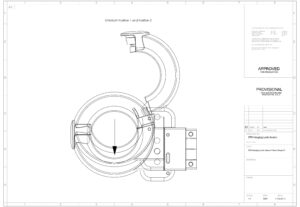

 The brief for this project was to design a unique tilt and swivel mechanism which could be used on various wall mounted speaker accessories. The primary use was for Sonos speaker wall brackets. However, the mechanism was used across various products and is still being used to this day due to its low cost, good flexibility and high functionality. The plastic parts are tooled, manufactured and assembled in the Far East using one of our many trusted suppliers. They are then assembled into the various finished products in the UK. This mechanism was Patented in the UK.
 This is a product designed for home or commercial use. The brief was to design a wine cooler which reduced the use of ice, water and associated plastic waste such as ice bags. The design uses extruded aluminium which has unique thermal properties, a reusable ice puck and a recycled cork non-slip base. The designs were tested against alternative methods such as ice buckets with water and double walled flasks and were proven to be more efficient. Additional benefits are the lack of condensation, no drips or spills on your table and increased portability. All aesthetic designs have been registered and the principle is subject to a Pending Patent Application.

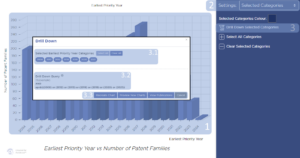




 AI and Machine Learning in Healthcare

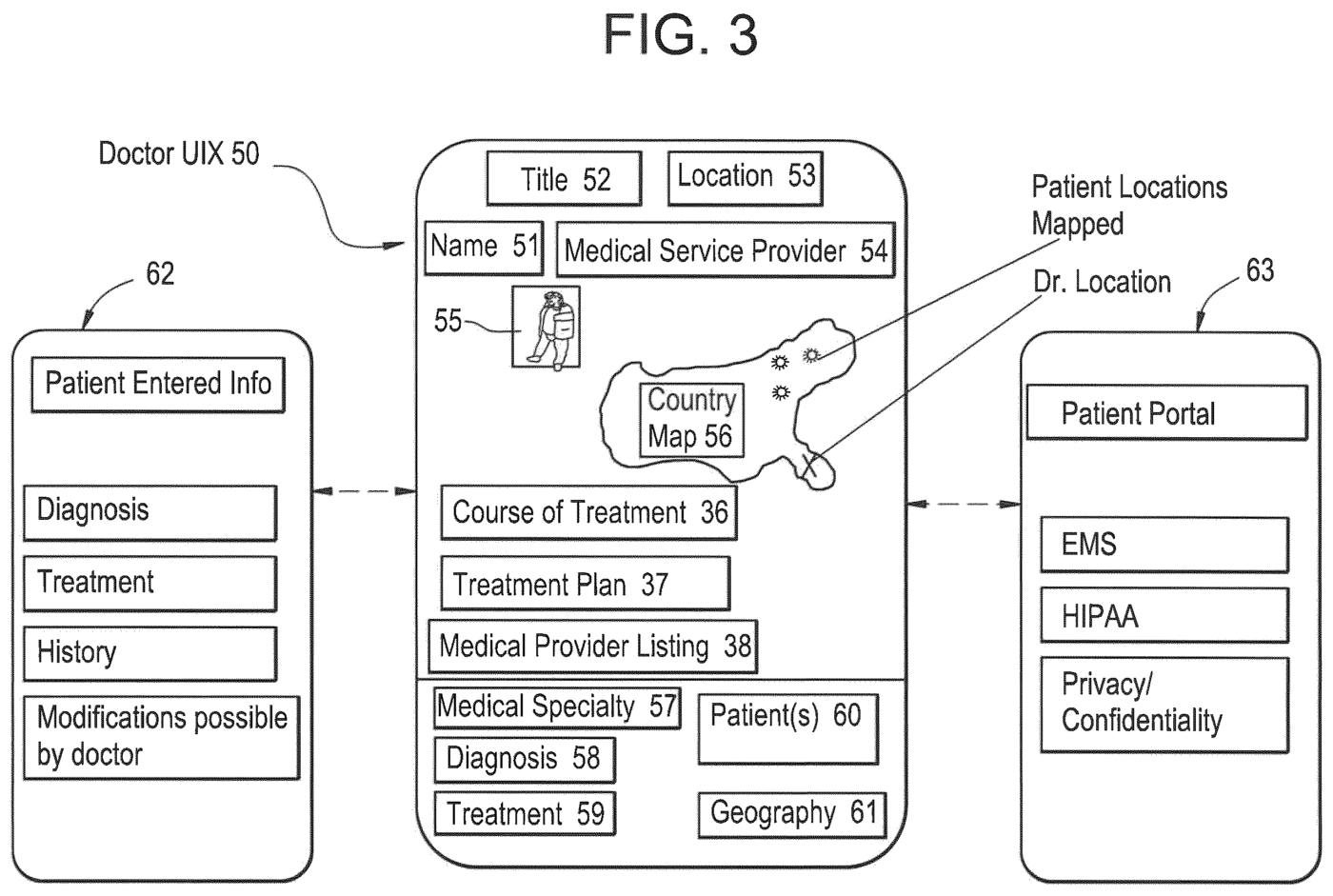
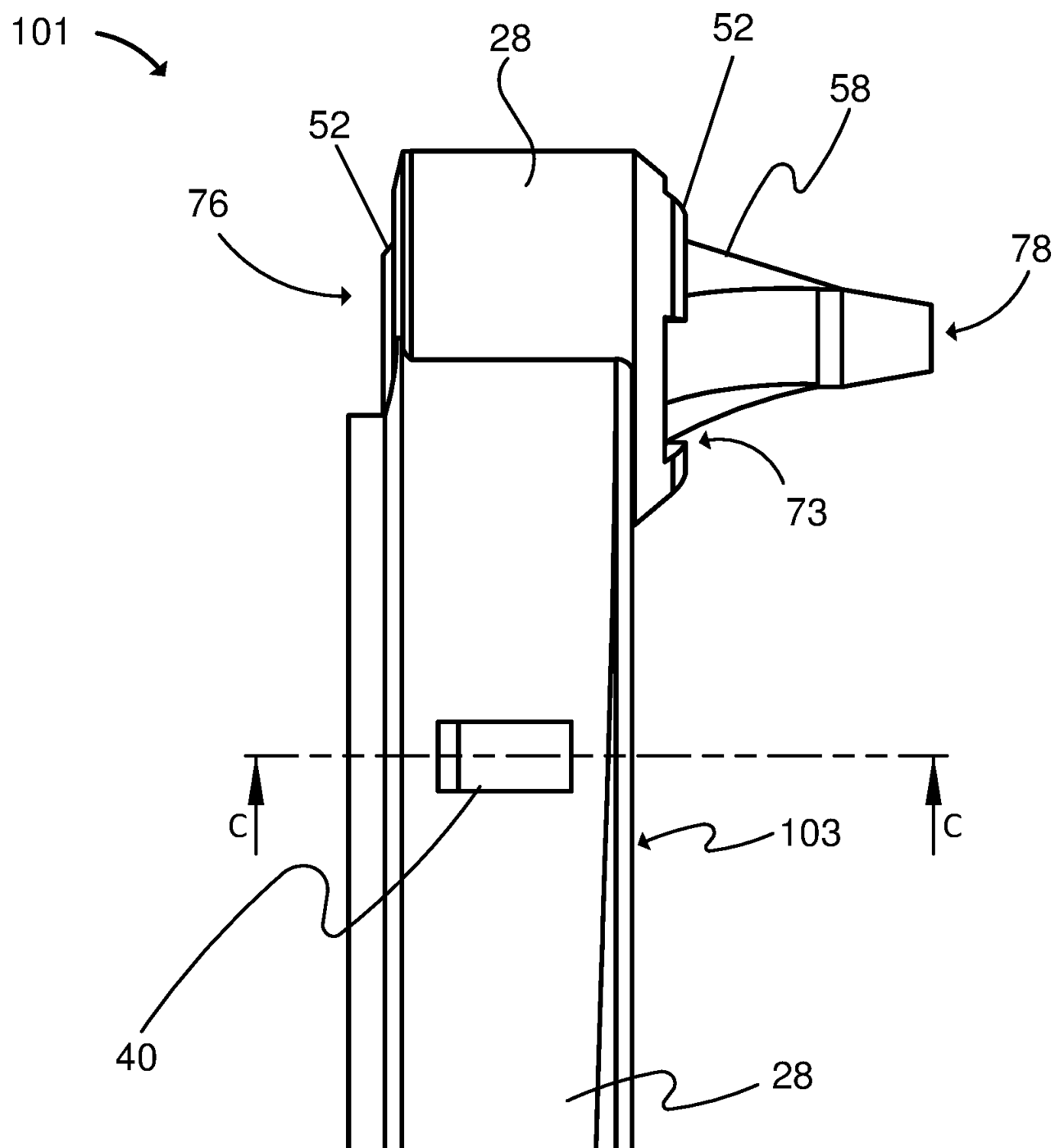
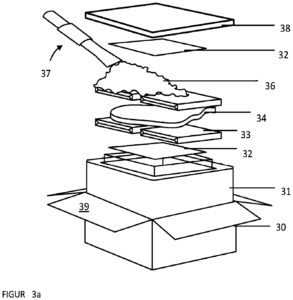







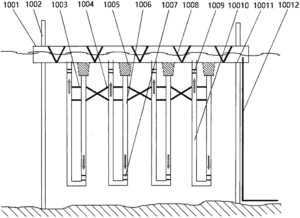
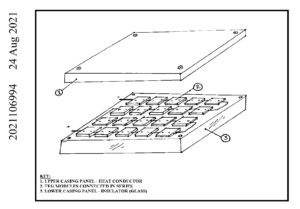
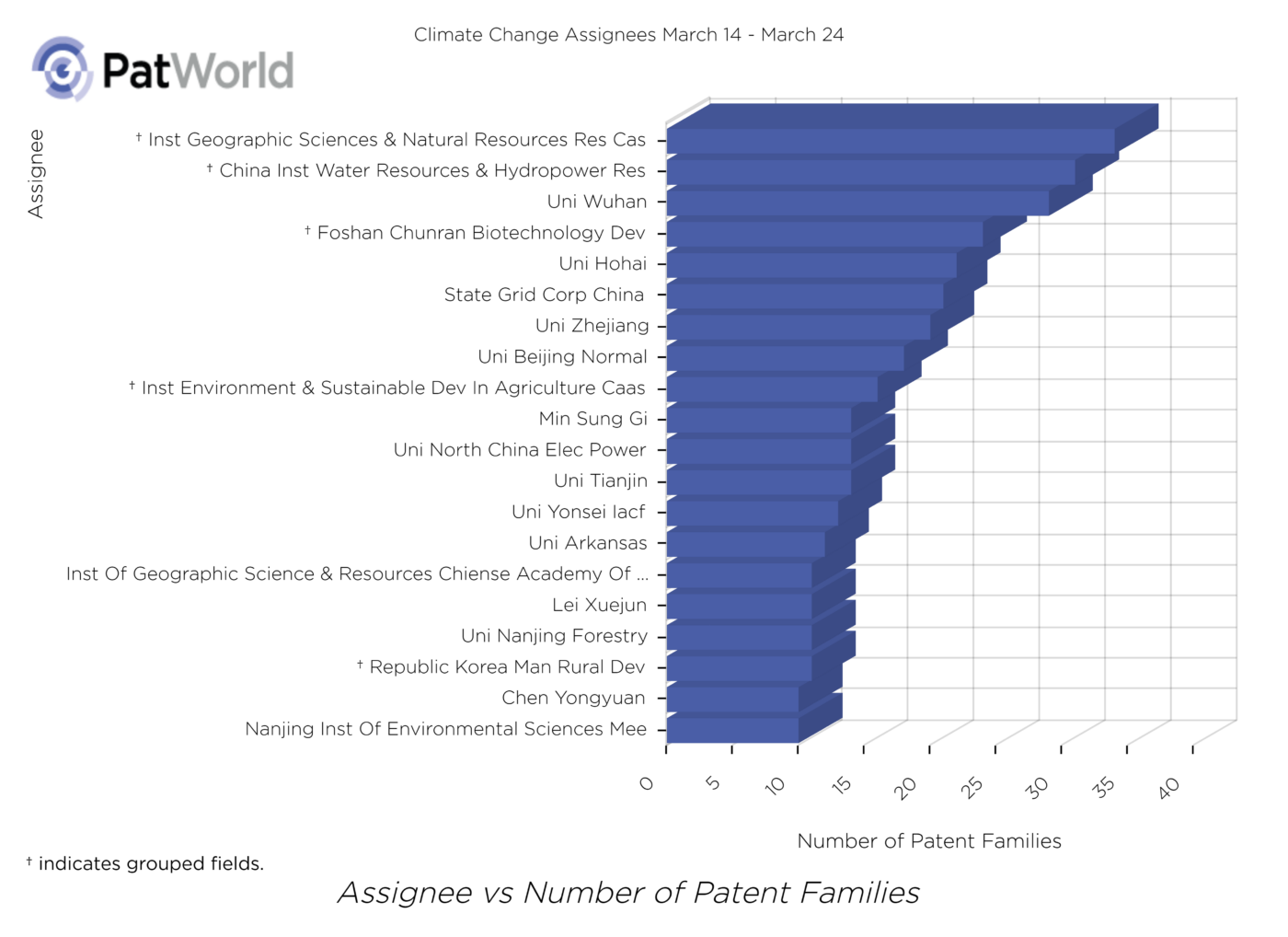
 Order a Search Now