Matt Maitland is a UK and European patent attorney and US patent agent based just outside Boston. With experience in private practice and as in-house IP counsel at a US start-up, he brings a cross-border perspective to patent drafting, prosecution and international filing strategy.
Quick Profile
Name:Matt Maitland Role: UK & European Patent Attorney; US Patent Agent Organisation: Independent / formerly in private practice and in-house counsel Location: Greater Boston, USA Areas of expertise: Cross-border patent strategy, US and European prosecution, drafting, international filing strategy
From London to Boston
Matt began his career in private practice in London, later moving to the United States for family reasons. That move proved professionally transformative. Alongside qualifying as a US patent agent, he worked closely with both US and European practitioners, often acting as a bridge between the two systems.
Early in his career, he was fortunate to work with a UK-based technology client that filed widely across the world. Seeing the same inventions prosecuted in Europe, the US, China, Japan, India and Korea provided a powerful education.
“You learn a huge amount by watching how different offices treat the same application,” he explains. “Something that is not an issue in Europe might become a major hurdle in Japan or the US.”
That comparative experience shaped his understanding of how examiners operate, how prior art travels between jurisdictions, and how strategy in one country can affect another.
Understanding the Differences That Matter
For Matt, one of the most striking contrasts between systems lies in the treatment of added matter.
“The difference in approach between Europe and the US is enormous,” he says. In Europe, the ability to amend is tightly constrained. Understanding what support exists in the original filing is critical, and missteps can be fatal.
By contrast, US practice allows greater latitude in making amendments. That flexibility can help address unforeseen issues, but it does not remove the need for strong drafting from the outset.
He also highlights the US approach to obviousness. US examiners frequently combine multiple documents, sometimes from different technical fields, to support an obviousness rejection. To European practitioners, this can seem excessive, even perverse. Yet within the US legal framework, it is often entirely permissible.
Being dual-qualified allows Matt to explain these differences in practical terms. “Sometimes it’s just translating concepts,” he says. “A US colleague might be talking about enablement, while a European colleague might be talking about sufficiency, without them realizing that they are both talking about essentially the same issue”. The terminology differs, but the broad principles are the same.”
Getting It Right the First Time
When asked what absolutely needs to be right at filing, Matt is clear: the claims.
“In Europe, you can’t really fix poorly-drafted claims later,” he says. Moreover, because the claims typically act as a “blueprint” for the description, errors in the logic, terminology, and breadth of the claims tend to be replicated within the description. Consequently, finding support for curative amendments can be difficult — even under the more lenient approach applied in the US.
Where the independent claims have been drafted too broadly, the description and dependent claims will often lack sufficient technical detail to support amendments that would distinguish over the prior art.A good pre-filing search is therefore invaluable. If prior art can be found in an hour, an examiner will find it too. That knowledge helps calibrate the initial scope of the independent claim, and ensures that the dependent claims provide meaningful fallback positions.
Matt also advocates including multiple independent claims of differing scope, even in European filings. While not always common practice, he believes this approach introduces useful linguistic diversity. It forces the drafter to consider the invention from different angles and increases the chance of having suitable language available if clarity objections arise later.
Drafting as a Sales Pitch
One of Matt’s most distinctive analogies is that a patent application should function as a sales pitch.
“You’re persuading someone that this invention solves a real technical problem,” he explains. That approach is effective within the European problem-solution framework and, in the US, can resonate in litigation before a jury.
However, the scope of the “sales pitch” must match the scope of the claims. For example, if the claims cover vehicles in general, the description should not focus exclusively on motorcycles. Mismatches can cause claim interpretation issues in the US and essential element objections in Europe.
He also likens drafting to telling a joke. Timing matters. “You don’t want to give away the punchline too early,” he says. Revealing too much too soon can undermine both inventive step arguments in Europe and obviousness arguments in the US.
Choosing the Right Territories
In his recent in-house role at a start-up, Matt had to design an international filing strategy from scratch. That meant making hard choices about where to invest.
The starting point, he believes, is data. Market size statistics are often freely available and can quickly reveal which territories deliver meaningful commercial opportunity. In many cases, four or five jurisdictions may cover the majority of the global market.
Industry characteristics also matter. In highly regulated sectors, such as medical devices or autonomous vehicles, regulatory barriers can limit where competitors are likely to launch. In some cases, protection in a small number of key markets may provide sufficient leverage.
Filing in the wrong territory rarely causes immediate disaster. Failing to protect the right subject matter, however, can. If a core concept is not properly claimed at the outset, it may be impossible to recover later. For a start-up built around a small number of key technologies, that risk can be existential.
Budgets, Quality and the Role of AI
With increasing pressure on IP budgets, Matt warns against cutting corners on drafting.
“It’s a false economy,” he says. He would rather reduce the number of territories than compromise the quality of the application itself. Poor drafting can create problems that cannot be fixed.
He sees artificial intelligence as part of the solution. Law firms may be cautious, but economic pressure is driving adoption. Used responsibly, AI tools can help practitioners draft more efficiently, rephrase concepts, and identify potential clarity issues.
Ultimately, though, expertise remains central. “If you think an expert is expensive, try employing a layman,” he notes. The cost of fixing mistakes later (where that is even possible) can far exceed the upfront investment in getting it right.
Outside the Office
Away from patent practice, Matt prioritises fitness. Having played rugby for many years, he now focuses on weight training and running, weather permitting. Winters near Boston can be severe, with heavy snowfall disrupting school runs and outdoor plans.
He is also a keen cook and baker. He makes all the meals at home and has developed a particular enthusiasm for homemade pizza and bread. British-style wholemeal and granary loaves remain firm favourites, even if sourcing the right flour in the US requires some creativity.
Cooking, he says, provides a welcome contrast to the analytical demands of patent work. It is practical, creative and immediately rewarding.
Looking Ahead
For innovators filing their first international patent application, Matt offers two pieces of advice: choose the right adviser and invest in quality.
Interview potential counsel. Make sure they understand your technology and that you work well together. For early-stage companies, a single well-drafted application can shape the future of the business.
“Getting this right could be the difference between success and failure,” he says. “And it’s very hard to fix later.”
Meet the IP Professional is a PatWorld interview series exploring the people and perspectives shaping the intellectual property profession. Discover more interviews in the Meet the IP Professional hub, and find out more about PatWorld — a global IP search provider working with IP professionals worldwide to support informed patent, design and trade mark decisions — on our About Us page.
Mark Sweetinburgh is a dual-qualified patent and trade mark attorney and co-founder of Sweetinburgh & Windsor. Based in Crawley, he works closely with UK businesses to provide commercially focused IP advice. His perspective reflects both long-standing technical expertise and the realities of running an independent IP firm.
Quick profile
Name:Mark Sweetinburgh Role: Partner, Patent and Trade Mark Attorney Firm:Sweetinburgh & Windsor Location: Crawley, West Sussex, UK Areas of expertise: Patents, trade marks, registered designs, freedom to operate, commercially focused IP strategy
From biochemistry to intellectual property
Mark’s route into the IP profession was shaped by curiosity rather than a fixed career plan. After studying biochemistry at the University of Bath, he knew research was not for him long term. What appealed instead was understanding how things work and applying that knowledge in a practical way.
An advert in New Scientist introduced him to the patent profession, without the language requirements he had assumed were mandatory. The role offered variety, exposure to cutting-edge technology, and a legal dimension that appealed. He entered the profession in 2001 and trained in London before deciding that commuting and city life were not where he wanted to stay.
Shaping a commercially focused approach
Mark’s early years were spent in medium-sized firms with strong client contact. Working closely with universities and SMEs helped shape a practical, commercially minded outlook that still defines his work today.
Although trained as a biochemist, his practice quickly broadened. Mechanical inventions, trade marks and infringement matters became part of his everyday work. That breadth, he feels, benefits many of the businesses he works with, particularly those looking for joined-up advice across patents, trade marks and designs alongside their wider commercial strategy.
A consistent question has guided his career: what is the point of filing a patent? Keeping that commercial focus has influenced both the advice he gives and the type of firm he wanted to build.
Founding an independent firm
The idea of running his own firm appealed early on and Mark founded
Sweetinburgh & Windsor in 2011 with Louise Windsor. With a growing team they have expanded their technical expertise whilst keeping a focus on what is important to clients and work closely with clients who value a hands-on, almost in-house style of support.
Wearing multiple hats
Day to day, Mark balances technical work with the realities of running a small business. Client work remains central, but his role also involves marketing, training, managing the team and thinking strategically about growth.
He enjoys the variety. Working with clients on grant funding, freedom to operate and IP strategy keeps the role interesting and connected to how businesses actually operate.
Training is another important strand. Mark regularly works with inventors to help them recognise patentable ideas and understand how IP fits into their wider commercial plans. He also delivers talks to students and schools, helping demystify the profession and highlight it as a career option.
How the profession has changed
One of the biggest shifts Mark has seen is the changing structure of the profession itself. When he started, most firms were London-based and relatively large. Regional and small independent firms were far less common.
That has changed significantly, particularly over the past decade. Remote working and consultancy models have opened up more choice, both for clients and for IP professionals. Mark sees this as a positive development. Businesses can now choose advisers that better match their size, sector and way of working.
The role of the patent attorney has also evolved. It is no longer about reading and writing letters in isolation. Client contact, commercial awareness and strategic thinking are now central to the job.
Leading and supporting others
Mark describes his leadership style as leading by example. Experience has shaped his approach, but the core aim has stayed the same: creating an environment where people are supported and able to shape their roles around their interests.
Flexibility is key. In a smaller firm, roles can evolve, and that adaptability benefits both staff and clients. Mark sees this as one of the strengths of independent practice.
Outside the office
Away from work, Mark values time that helps him switch off. He enjoys spending time with family, walking, reading and DIY. Fixing and building things has been a long-standing interest, one that mirrors his professional curiosity.
Sport also plays a role. He plays football weekly when he can, enjoys golf, and likes watching a wide range of sports. Switching off work phones and creating clear boundaries is important, particularly in a world of hybrid working.
Reflections and lessons learned
Looking back, one lesson stands out. Peaks and troughs are part of professional life, especially when running a firm. Learning not to panic during quiet periods, and not to struggle in silence during busy ones, has been important.
Asking for help, outsourcing when needed, and being open about workload are lessons Mark wishes he had embraced earlier. They remain relevant at every stage of a career.
Upcoming events
Mark is planning to attend CITMA in London in March and INTA in London in May. If you’re attending either event and would like to connect, he’s always happy to hear from fellow IP professionals.
Meet the IP Professional is a PatWorld interview series exploring the people and perspectives shaping the intellectual property profession. Discover more interviews in the Meet the IP Professional hub, and find out more about PatWorld — a global IP search provider working with IP professionals worldwide to support informed patent, design and trade mark decisions — on our About Us page.
Mark Jolly is a partner and patent and design attorney at Wilson Gunn, based in Manchester. With a practice spanning patents, registered designs and enforcement work, he brings a practical, people-focused approach to advising clients across automotive, medical devices and fast-moving consumer goods.
Quick profile
Name:Mark Jolly Role: Partner, Patent and Design Attorney Firm:Wilson Gunn Location: Manchester, UK Areas of expertise: Patents, registered designs, IP enforcement, strategic IP advice
Finding a route into IP
Mark’s path into intellectual property was more deliberate than many. At school, he chose a degree that combined science with patent law, allowing him to pursue both a technical subject he enjoyed and an early interest in legal work. A sandwich year spent with a firm of patent attorneys during his studies confirmed that the profession was the right fit.
That early exposure meant Mark entered the profession with clarity about what he wanted to do. He spent around a decade at a London firm before making the move to Manchester and joining Wilson Gunn, where he has now been for over ten years.
A role shaped by people and opportunity
Today, Mark’s role as a partner combines advisory work, supervision and strategic thinking. While he is still closely involved in client matters, much of his time is spent discussing approach, reviewing work prepared by colleagues, and helping shape broader portfolio strategies.
He reflects that this is a natural shift many patent attorneys experience over time. Early career work after qualification can be solitary and document-heavy, while senior roles tend to involve far more conversation, collaboration and judgement. For Mark, that evolution has been a positive one.
Building a design-focused practice
A notable feature of Mark’s work is the volume of registered design and enforcement matters he handles. He traces this specialism back largely to chance and curiosity. Early in his career, he took an interest in design law at a time when European registered designs were brand new, and that willingness to “put his hand up” led to more work in the area.
Design work, he explains, offers a different rhythm to patents. It can be more visual, more immediate, and often allows for quicker initial views. That contrast, along with the creative thinking involved in defining what really matters in a design and working out how to protect that across the quite disparate systems of international design protection, is something he continues to enjoy.
Enforcement followed a similar path. At Wilson Gunn, there is a greater appetite for handling contentious work in-house, at least in its early stages. Over time, this has built confidence and experience, making enforcement a more routine and less intimidating part of his practice.
Working with clients who value IP
Mark works with clients across automotive, medical devices and fast-moving consumer goods, each bringing different rewards. Automotive work reflects a lifelong personal interest, while FMCG clients offer the satisfaction of working on products that are tangible, familiar and visible in the market.
He particularly values working with businesses where intellectual property is central to commercial success. In those cases, IP is not an afterthought but an integral part of product development, with advisers playing a role in shaping innovation as well as protecting it.
Across all sectors, Mark emphasises the importance of relationships. Enjoyment of the work often comes down to the people involved, both clients and colleagues, and he considers himself fortunate to work with teams that collaborate well and share common goals.
Rigour first, then commercial reality
When advising clients, Mark does not see legal and commercial considerations as competing forces. In his view, understanding the legal position is a necessary first step. Only once that groundwork is done can realistic commercial options be explored.
This approach is particularly important in enforcement matters, where time, cost and outcomes rarely align perfectly with principle. Helping clients develop realistic expectations is, he says, a key part of the advisor’s role.
A changing enforcement landscape
One of the biggest challenges Mark sees today is the shift of enforcement activity away from courts and towards online platforms. Takedown procedures on large e-commerce sites can be fast and effective, but also inconsistent, with the likes of Amazon sometimes acting on design rights that are clearly invalid.
This creates uncertainty for both rights holders and legitimate businesses who are accused of infringement. Mark has been closely involved in discussions and official consultations around these issues, drawing on his day-to-day experience to inform proposed solutions and contributing to CIPA’s submissions.
Life beyond IP
Outside work, Mark keeps busy. He spends much of his time with his young children, fitting his own interests around their activities. He enjoys backgammon, squash, cricket and skiing. And, finds that being active—particularly in the mountains—is one of the best ways to switch off.
Advice shaped by experience
For those considering a career in IP, Mark’s message is simple. It is a rewarding profession with room to shape a career around individual strengths. He encourages people to get involved, ask questions, and volunteer for work that interests them.
Just as importantly, he notes that enjoyment of the profession often depends on environment. A difficult experience in one role does not mean the career itself is wrong. Finding the right people to work with can make all the difference.
Meet the IP Professional is a PatWorld interview series exploring the people and perspectives shaping the intellectual property profession. Discover more interviews in the Meet the IP Professional hub. Find out more about PatWorld — a global IP search provider working with IP professionals worldwide to support informed patent, design and trade mark decisions — on our About Us page.
Simon Kremer is a Partner and European and UK Patent Attorney at Mewburn Ellis, specialising in life sciences. With nearly three decades at the firm, he brings a deeply practical perspective shaped by experience across patents, oppositions, appeals and long-standing client relationships.
Quick profile
Name:Simon Kremer Role: Partner, European & UK Patent Attorney Firm:Mewburn Ellis LLP Location: London, UK Areas of expertise: Life sciences patents, oppositions and appeals at the European Patent Office, synthetic and engineering biology, therapeutics, plant biotechnology, due diligence
Finding a route into IP
Simon’s route into intellectual property was not a planned one. After completing a PhD in biochemistry at the University of Bristol and spending time working at the laboratory bench, he realised that an academic career was not the right long-term fit. A visit to the university careers service in the early 1990s introduced him—almost by chance—to the patent attorney profession.
What appealed was the combination of science and law, and the opportunity to continue engaging deeply with new technologies without remaining in academia. That balance has remained central to his career ever since.
A broad foundation in government IP
Before joining private practice, Simon began his IP career at the UK Ministry of Defence’s Intellectual Property Rights department. The role provided unusually broad exposure, covering far more than patents alone. His work ranged from contracts and procurement to international agreements, crown use provisions and advising other government departments that lacked their own IP expertise.
That experience gave him an early appreciation of how IP operates “at the coalface”, and of the consequences when it is handled poorly. Seeing how intellectual property decisions could affect everything from basic procurement to major defence projects helped shape his practical, commercially grounded approach.
Milestones rather than turning points
Looking back over almost 30 years at Mewburn Ellis, Simon does not frame his career in terms of dramatic turning points. Instead, he sees it as a series of professional milestones: conducting his first EPO hearings, leading Board of Appeal cases, meeting long-standing clients in person after years of correspondence, and guiding clients through major due diligence exercises.
Alongside these were internal milestones—joining the partnership, contributing to the firm’s growth, and training successive generations of patent attorneys. Over time, both Simon’s role and the firm itself evolved significantly, with Mewburn Ellis growing from a small partnership into a much larger organisation.
Balancing multiple responsibilities
Today, Simon’s role spans client work, mentoring, training, management responsibilities and business development. While the scope of the role has broadened over time, he remains closely involved in day-to-day client matters and values staying connected to the practical work.
His technical focus continues to be driven largely by clients. Areas such as synthetic and engineering biology, plant-related technologies and therapeutics feature prominently, reflecting both long-standing expertise and emerging technological importance.
Translating complexity into value
A recurring theme in Simon’s approach is experience—particularly the experience of seeing patents through their full lifecycle. Having drafted applications that have later been challenged and then exploited, he has developed a strong sense of how early drafting decisions can shape outcomes decades later.
This perspective allows him to anticipate what clients may need at different stages, even when they cannot articulate it themselves. For Simon, a key part of the patent attorney’s role is understanding not just the invention, but the purpose the IP needs to serve over time, while balancing commercial realities such as funding and cost.
The reality of oppositions and appeals
Oppositions and appeals before the European Patent Office form a significant part of Simon’s practice. He is candid about the demands of this work, describing the preparation phase as intense and emotionally draining. The challenge lies in mastering every detail and ensuring there are no surprises on the day.
The reward comes from presenting a case clearly and confidently, knowing that every argument has been tested in advance. While outcomes cannot always be controlled, Simon values ensuring that clients are fully prepared for both the process and the result.
Adapting to different clients
Simon works with a wide range of clients, from individual inventors and universities to multinational companies. Adapting his approach comes down, again, to experience. Different clients require different levels of explanation and guidance. Understanding the journey each client is likely to take helps shape how advice is delivered.
For some, the process is as much educational as it is legal; for others, it is about providing targeted support within an established in-house framework.
Industry pressures and evolving standards
When it comes to broader industry trends, Simon points less to headline topics and more to practical realities. Funding environments have a direct and immediate impact on patent strategy, particularly in the life sciences, where global protection is costly and long-term.
He also notes that as technologies mature and tools become more accessible, the bar for inventiveness continues to rise. Areas such as biotechnology require increasingly creative approaches to meet patentability standards, even as the underlying science becomes more routine.
Learning from the wider profession
Beyond client work, Simon has remained active within the profession through bodies such as CIPA. He values the opportunity to engage with peers outside his own firm in a collaborative rather than adversarial setting.
These interactions provide alternative perspectives and reinforce the social and collegiate nature of the profession. While they may not directly change day-to-day practice, they have helped shape the kind of attorney Simon has become.
Passing on hard-earned lessons
In mentoring younger colleagues, Simon focuses on helping them understand what clients truly value. While clients can assess responsiveness and reliability, they cannot easily judge the quality of a patent application. That responsibility rests firmly with the attorney.
Sharing lessons learned from seeing patents challenged years after drafting is central to his approach to training, helping the next generation appreciate the long-term impact of their decisions.
Life beyond IP
Outside work, Simon is an enthusiastic walker, particularly in the Lake District, where he has been visiting since childhood and has completed all of the Wainwrights. Football also plays a big part in his life, both as a player in five-a-side matches and (with the rest of the family) as a supporter of Sunderland AFC.
These activities provide a welcome counterbalance to the demands of professional life. Even if they sometimes have to be managed carefully alongside ageing knees and ankles.
Looking ahead
What continues to motivate Simon is the constant exposure to new technologies and the depth of long-term client relationships. Whether working with a familiar client or exploring a new disclosure, there is always something new to learn.
For those considering a career in patent law, his advice is to research the profession carefully. Also, join an organisation that is actively engaging with technological change, including the growing role of AI. Adaptability, he believes, will be as important in the future as experience has been in his own career.
Meet the IP Professional is a PatWorld interview series exploring the people and perspectives shaping the intellectual property profession. Discover more interviews in the Meet the IP Professional hub. Find out more about PatWorld — a global IP search provider working with IP professionals worldwide to support informed patent, design and trade mark decisions — on our About Us page.
Top robotics conferences in 2026 highlight breakthroughs in AI integration, collaborative robots, autonomous systems, and industrial applications, connecting developers, researchers, investors, and manufacturers to accelerate commercialization
CES 2026 (Robotics Pavilion)
Date: January 6–10, 2026
Location: Las Vegas Convention Center, Las Vegas, NV, USA
Overview: Massive showcase featuring cobots, mobile robots, industrial arms, vision systems, grippers, humanoid robots, and service robots across consumer and industrial applications. https://www.ces.tech
MD&M West / WestPack Robotics Zone 2026
Date: February 3–5, 2026
Location: Anaheim Convention Center, Anaheim, CA, USA
Overview: Medical device and packaging robotics showcase covering cobots, mobile robots, vision systems, grippers, and end-of-arm tooling for healthcare manufacturing. https://www.mdmwest.com
NVIDIA GTC AI Conference
Date: March 16–19, 2026
Location: San Jose, California, USA
Overview: Premier AI and accelerated computing event exploring robotics applications with developers, innovators, and business leaders solving complex automation challenges. https://www.nvidia.com/gtc/
European Robotics Forum (ERF)
Date: March 23–27, 2026
Location: Stavanger, Norway
Overview: Europe’s leading robotics conference with 1,000+ researchers, engineers, entrepreneurs, and policymakers focusing on blue economy and space robotics applications. https://errc.eu/robotics-forum/
World Summit on Robotics, AI & Machine Learning
Date: March 26–28, 2026
Location: Rome, Italy
Overview: Global summit uniting experts for breakthroughs in robotics, artificial intelligence, and machine learning across industrial and service applications. https://roboticsworldsummit.com
Robotics Summit & Expo
Date: May 25–27, 2026
Location: Boston Convention & Exhibition Center, Boston, MA, USA
Overview: Comprehensive conference and expo addressing commercial robotics design, development, manufacturing, and delivery across key industries. https://www.roboticssummit.com
International Conference on Robotics and Automation (ICRA)
Date: June 1–5, 2026
Location: Vienna, Austria
Overview: IEEE flagship robotics conference uniting top researchers and industry leaders for advancements in automation and intelligent systems. https://2026.ieee-icra.org
International Conference on Robotics & Automation
Date: May 18–20, 2026
Location: Madrid, Spain
Overview: Platform for scientists, researchers, and professionals to share findings and foster collaborations in robotics and automation technologies. https://robotics.pagesconferences.org
Automate Show & Conference
Date: June 22–25, 2026
Location: McCormick Place, Chicago, IL, USA
Overview: Major automation event featuring industrial robots, cobots, vision systems, and AI-driven manufacturing solutions with extensive exhibits. https://www.automateshow.com
Robotics: Science and Systems (RSS)
Date: July 13–17, 2026
Location: Sydney, Australia
Overview: Premier academic robotics conference presenting cutting-edge research across all robotics disciplines and applications. https://roboticsconference.org
These conferences offer prime opportunities for robotics IP professionals to track patentable innovations in AI, autonomy, and manufacturing systems.
Please note that event dates and locations are subject to change. Check official websites for updates.
How Can PatWorld Support You?
Robotics patents require comprehensive prior art analysis across rapidly evolving AI, sensors, and actuation technologies. PatWorld provides specialized searches for robotics attorneys and developers, mapping competitive landscapes and freedom-to-operate risks. Our experts deliver actionable insights supporting commercialization and IP enforcement.
Top biotechnology conferences in 2026 continue to drive innovation across gene therapy, precision medicine, AI analytics, and bioprocessing, attracting global leaders, investors, and researchers to forge partnerships and unveil patentable breakthroughs.
Biotech Showcase 2026
Date: January (annual, dates TBC)
Location: San Francisco, CA, USA
Overview: Premier life science partnering event for biopharma innovation, investor presentations, networking, and global company showcases. https://www.biotechshowcase.com
BIO-Europe Spring
Date: March 23–25, 2026 (in person) & March 31–April 1, 2026 (digital)
Location: Lisbon, Portugal
Overview: Europe’s largest springtime partnering event for the global biotech and pharma industry, featuring networking opportunities and in-depth discussions on industry trends. https://informaconnect.com/bioeurope-spring/
LSX World Congress Europe 2026
Date: March 25–26, 2026
Location: Lisbon Congress Center, Lisbon, Portugal
Overview: A leading life sciences investment and partnering event that connects executives from biotech, medtech, and healthtech with global investors, pharma partners, and advisors to drive business development and financing. https://informaconnect.com/lsx-world-congress/
American Association for Cancer Research (AACR) Annual Meeting
Date: April 17–22, 2026
Location: San Diego, CA, USA
Overview: Major cancer science gathering for early-stage drug mechanisms, novel modalities, and translational research, rivaling ASCO in influence for biotech innovation. https://www.aacr.org/meeting/aacr-annual-meeting-2026/
Swiss Biotech Day 2026
Date: May 4–5, 2026 (welcome reception May 3, 2026)
Location: Congress Center Basel, Basel, Switzerland
Overview: A premier European biotechnology conference hosting thousands of senior experts, global delegations, pitching sessions, and discussions on R&D, AI, manufacturing, and financing. https://swissbiotechday.ch/
SynBioBeta 2026: The Global Synthetic Biology Conference
Date: May 4-7, 2026
Location: San Jose Convention Center, San Jose, CA, USA
Overview: A flagship synthetic biology event featuring keynotes, technology showcases, and networking sessions that bring together scientists, entrepreneurs, investors, and corporates to discuss the future of bio-based innovation. https://www.synbiobeta.com/
Bio€quity Europe 2026
Date: May 4-7 and 12-13, 2026
Location: Europe (location to be confirmed)
Overview: Now in its 26th year, this forum brings together biotech CEOs and investors to address strategic challenges, partnering, and capital allocation shaping the European and global biotech industry. https://conferences.biocentury.com/bioequity-europe
American Society of Gene and Cell Therapy (ASGCT) Annual Meeting
Date: May 11–15, 2026
Location: Boston, MA, USA
Overview: Premier forum for cell and gene therapy advancements, featuring cutting-edge research, clinical progress, and commercialization challenges as therapies advance to market. https://www.asgct.org
Bio-IT World Conference & Expo
Date: May 19–21, 2026
Location: Boston, MA, USA
Overview: Premier global event celebrating 25 years of innovations in AI, machine learning, multimodal data, and precision medicine, convening 2,900+ leaders from biopharma, informatics, and technology for 200+ sessions on R&D acceleration. https://www.bio-itworldexpo.com
Bio-IT World Conference & Expo
Date: May 19–21, 2026
Location: Boston, MA, USA
Overview: This conference explores the intersection of IT and life sciences, focusing on data management, AI, and precision medicine, and bringing together technology providers, pharma, and biotech leaders. https://www.bio-itworldexpo.com/
American Society of Clinical Oncology (ASCO) Annual Meeting
Date: May 29–June 2, 2026
Location: Chicago, IL, USA
Overview: Global oncology showcase presenting the world’s most advanced clinical cancer studies, uniting top pharma names, researchers, and oncologists for practice-changing results. https://meetings.asco.org
London Biotechnology Show 2026
Date: June 9, 2026
Location: ExCeL London, London, UK
Overview: A major UK-based platform covering red biotechnology, including biopharmaceuticals, gene and cell therapy, diagnostics, precision medicine, vaccines, clinical trials, and biomanufacturing, with an exhibition, high-level conference, and Global Biotech Awards. https://londonbiotechshow.com
European Hematology Association (EHA) Congress
Date: June 11–14, 2026
Location: Stockholm, Sweden
Overview: Leading hematology meeting featuring forefront research in leukemias, lymphomas, sickle cell, and blood disorders with global expert presentations. https://www.ehaweb.org
BIO International Convention
Date: June 22–25, 2026
Location: San Diego, CA, USA
Overview: World’s largest biotech gathering for business development, partnering, and debates on sector challenges, drawing executives, investors, and policymakers for research showcases and dealmaking. https://convention.bio.org
BIO International Convention 2026
Date: June 22–25, 2026
Location: San Diego, CA, USA
Overview: The world’s largest global event for biotechnology, convening industry leaders, investors, and policymakers for four days of partnering meetings, educational sessions, and showcases across the biotech ecosystem. https://convention.bio.org
BioProcess International
Date: September 22–25, 2026
Location: Boston, MA, USA
Overview: Leading bioprocessing conference highlighting cell/gene therapy manufacturing, upstream/downstream innovations, and scalable production strategies for biopharma professionals. https://www.bioprocessintl.com
ISMB 2026
Date: July 12–16, 2026
Location: Washington Hilton, Washington, DC, USA & virtual
Overview: The flagship bioinformatics and computational biology conference of ISCB, featuring hundreds of scientific talks, training workshops, and networking events focused on advanced computational methods for molecular biology. https://www.iscb.org/ismb2026/home
BioTechX Europe 2026
Date: October 6-8, 2926
Location: Messe Basel, Basel, Switzerland
Overview: Europe’s largest congress covering diagnostics, precision medicine, and digital transformation in pharma and healthcare, bringing together stakeholders from pharma, biotech, tech, and academia to drive data-enabled innovation. https://www.terrapinn.com/conference/biotechx/
ISPE Biotechnology Conference 2026
Date: October 18-21, 2026
Location: To be announced
Overview: Building on previous editions, this conference is expected to gather pharmaceutical and biopharmaceutical manufacturers, technology providers, academics, and regulators to discuss innovation and best practice in biomanufacturing and biotechnology product development. https://ispe.org
12th International Conference on Bioengineering and Biotechnology (ICBB 2026)
Date: Dates TBC 2026
Location: TBC
Overview: Annual forum gathering global scholars for advances in bioengineering, biotechnology fundamentals, applications, and collaborative product development. https://bbseries.org/index.html
These conferences serve as critical venues for biotech IP professionals to monitor emerging technologies and competitive patent landscapes.
Please note that event dates and locations are subject to change. Check official websites for updates.
How Can PatWorld Support You?
Biotechnology advances rapidly, making comprehensive prior art searches essential for IP protection and freedom-to-operate. PatWorld delivers expert biotech patent analysis for attorneys and innovators, mapping landscapes across gene therapy, bioprocessing, and precision medicine. Our specialists provide actionable insights to de-risk R&D and strengthen portfolios.
Partner with PatWorld for biotechnology IP excellence.
Top medical technology conferences in 2026 showcase breakthroughs in AI diagnostics, digital health, robotics, and regulatory compliance, connecting medtech innovators, clinicians, investors, and IP experts worldwide. These events drive partnerships and reveal patent opportunities in the rapidly evolving healthcare technology landscape
CES Digital Health Summit
Date: January 6–9, 2026
Location: Las Vegas, NV, USA
Overview: Exclusive summit spanning AI trends, Age Tech, IoT, and digital health advances with 12,000+ attendees, conference sessions, networking, and product demos. https://www.ces.tech
Overview: World’s largest medical design and manufacturing show covering product development lifecycle with 1,700+ suppliers in automation and materials. https://www.mdmwest.com
HIMSS Global Health Conference & Exhibition
Date: March 9–12, 2026
Location: Las Vegas, NV, USA
Overview: Massive gathering of IT professionals, clinicians, and executives exploring digital health solutions, interoperability, and health information technology. https://www.himss.org
LSI USA Emerging Medtech Summit
Date: March 16–20, 2026
Location: Dana Point, CA, USA
Overview: High-level partnering for 1,600+ medtech executives, investors, and startups with pitches, panels, and one-on-one meetings across health tech sectors. https://lifesciencintelligence.com
The MedTech Forum
Date: May 11–13, 2026
Location: Stockholm, Sweden
Overview: Largest European health technology industry event uniting executives for partnering, investment, and strategic discussions on medtech challenges. https://www.themedtechforum.eu
Med-Tech Innovation Expo
Date: June 3–4, 2026
Location: Birmingham, UK
Overview: UK’s premier med-tech trade event with live demonstrations of machines, components, and supply chain intelligence for medical device professionals. https://med-techexpo.com
The MedTech Conference
Date: October 18–21, 2026
Location: Boston, MA, USA
Overview: Leading global medtech event featuring key conversations, sessions, and networking for advancing medical device innovation and commercialization. https://themedtechconference.com
HLTH USA 2026
Date: November 15–18, 2026
Location: Las Vegas, NV, USA
Overview: Major health tech ecosystem event with 12,000+ leaders focusing on AI, diagnostics, virtual care, and digital transformation in healthcare. https://hlth.com
MEDICA 2026
Date: November 16–19, 2026
Location: Düsseldorf, Germany
Overview: World’s largest medical trade fair with 5,000+ exhibitors in imaging, health IT, diagnostics, and equipment, plus forums and innovation programs. https://www.medica-tradefair.com
These conferences provide essential platforms for medtech IP attorneys to track innovations and navigate regulatory landscapes.
Please note that event dates and locations are subject to change. Check official websites for updates.
How Can PatWorld Support You?
Medtech innovations require robust IP protection amid intense global competition. PatWorld specializes in prior art searches for medical device attorneys, identifying freedom-to-operate risks and competitive landscapes. Our experts deliver precise analysis supporting regulatory approvals and commercialization strategies.
Top agritech conferences in 2026 highlight innovations in precision farming, robotics, AI, and sustainable agriculture, uniting farmers, startups, investors, and researchers to tackle food security and climate challenges. These events showcase patentable technologies and foster partnerships essential for advancing global agri-food systems.
World Agri-Tech Innovation Summit (San Francisco)
Date: March 10–11, 2026
Location: San Francisco, CA, USA
Overview: Global gathering for agribusiness leaders, tech providers, investors, and startups to explore innovations in digital farming, automation, biologicals, and sustainable practices. https://worldagritechusa.com
Future Food-Tech Summit
Date: March 12–13, 2026
Location: San Francisco, CA, USA
Overview: Connects food-tech innovators, investors, and leaders to accelerate alternative proteins, precision fermentation, and sustainable food system solutions. https://futurefoodtechsanfrancisco.com
GreenTech Amsterdam 2026
Date: June 10–12, 2026
Location: RAI Amsterdam, Netherlands
Overview: Leading horticulture event covering automation, vertical farming, biotech, and climate-controlled agriculture with 20,000+ visitors and 600+ exhibitors. https://greentech.nl/en/
European Conference on Precision Agriculture (ECPA)
Date: June 28–July 2, 2026
Location: Barcelona, Spain (biennial pattern)
Overview: Prestigious forum showcasing cutting-edge research in precision agriculture technologies, data analytics, and sustainable crop management practices. https://www.ecpa2026.org
World AgriFood Innovation Conference (WAFI)
Date: October 11–14, 2026
Location: Beijing, China
Overview: Focuses on resilient food supply chains, agrifood systems transformation, and technologies for global food security under themes like sustainable production and supply innovation. https://en.wafiforum.com
Animal AgTech Europe
Date: October 13–14, 2026
Location: Amsterdam, Netherlands
Overview: Innovation summit for livestock technologies, precision farming in animal husbandry, and sustainable animal protein production with 250+ decision-makers. https://animalagtecheurope.com
Expo AgriTech Málaga
Date: October 27–29, 2026
Location: Málaga, Spain
Overview: Spanish showcase for agricultural machinery, AI, IoT, water management, and CAP-compliant innovations to boost sector competitiveness. https://expoagritechmalaga.com
AgriNext Conference & Expo
Date: November 4–5, 2026
Location: Dubai, UAE
Overview: Premier event recognizing agri-tech pioneers with awards, expo, and sessions on vertical farming, precision agriculture, and regional innovations for resilient food systems. https://agrinextcon.com
AGRITECHNICA 2027(Note: Next edition; 2026 dates TBC)
Date: November 14–20, 2027
Location: Hanover, Germany
Overview: World’s leading trade fair for agricultural technology, featuring networked systems, digital efficiency, and sustainability solutions under the theme “Touch Smart Efficiency.” https://www.agritechnica.com/en/
These conferences offer prime networking for agritech IP professionals to monitor emerging patents and collaborate on sustainable farming breakthroughs.
Please note that event dates and locations are subject to change. Check official websites for updates.
How Can PatWorld Support You?
Agritech patents protect innovations driving food security, but prior art searches are crucial amid rapid tech evolution. PatWorld delivers specialized IP analysis for agriculture attorneys and inventors, mapping landscapes and mitigating risks. Our experts provide actionable insights for precision ag, robotics, and biotech IP strategies.
Partner with PatWorld for agritech IP leadership.
Top packaging conferences in 2026 offer innovators, designers, and IP attorneys prime opportunities to explore sustainable solutions, automation trends, and supply chain advancements across global markets. These events foster networking, deal-making, and insights into patentable technologies shaping the industry.
WestPack 2026
Date: February 3–4, 2026
Location: Anaheim Convention Center, Anaheim, CA, USA
Overview: A leading trade show for packaging and manufacturing innovations, featuring sectors like medtech, automation, design, plastics, and sustainability, with expert sessions and tech demos for food, beverage, and medical packaging. https://www.sensationsexhibits.com/west-pack/
PACK EXPO East 2026
Date: February 17–19, 2026
Location: Philadelphia, PA, USA
Overview: A targeted packaging and processing trade show delivering innovations for CPG and life sciences buyers, with 500+ exhibitors across 40+ vertical markets for productive networking and project solutions. https://www.packexpoeast.com
Overview: The world’s leading trade fair for the packaging industry, uniting machine builders, material suppliers, and brands for innovations, trends, and strategies in sustainable packaging solutions, including start-up ideas and digital advancements. https://www.interpack.de
EastPack Surabaya 2026
Date: July 1–4, 2026
Location: Surabaya, Indonesia
Overview: International exhibition on processing, packaging, automation, and handling for food, beverage, pharmaceutical, and cosmetics industries, connecting regional supply chains. https://eastpackindonesia.com
PackPlus 2026
Date: August 20–22, 2026
Location: Pragati Maidan (Bharat Mandapam Convention Centre), New Delhi, India
Overview: A major trade fair for packaging innovations in beauty, personal care, FMCG, luxury beverage, and more, connecting 5,000+ attendees with 190+ exhibitors for eco-friendly, e-commerce-ready solutions and high-quality leads. https://www.londonpackagingweek.com
These conferences provide key platforms for packaging innovators, designers, and IP attorneys to explore trends, network, and address challenges like sustainability and IP protection.
Please note that event dates and locations are subject to change. Check official websites for updates.
How Can PatWorld Support You?
Packaging innovations drive competitive advantage, but navigating patents is complex. PatWorld offers expert prior art searches tailored for packaging attorneys and R&D teams, identifying risks and opportunities early. Our specialists deliver precise, actionable insights to strengthen your IP strategy.
Partner with PatWorld for packaging IP excellence.
When Veronika Brázdová launched Brázdová IP in 2025, she wasn’t just starting a patent practice, she was creating a bridge between her deep-rooted scientific curiosity and the urgent need for planet-friendly innovation. Based in Hertfordshire, this boutique practice blends UK and European patent expertise with mediation skills, empowering climate-tech founders to protect breakthroughs without the drama of drawn-out disputes.
From Supercomputers to Patent Powerhouse
Veronika’s path to IP was anything but linear: a physics degree from Charles University Prague, a PhD from Humboldt University Berlin, and post-docs spanning Japan’s National Institute for Materials Science to UCLA and UCL. There, she delved into density functional theory simulations of complex materials and parallel programming, work that culminated in her proposing and co-authoring the textbook *Atomistic Computer Simulations: A Practical Guide*.
But academia’s endless grant chase left her seeking more. “I stumbled across patent law by accident,” she recalls. “I read up on it and I thought, that looks interesting. I could be good at this actually… And it’s been much more fun than academia because as a patent attorney, I don’t need to spend three years in a lab on a project that ultimately goes nowhere. I only get to hear from people who have done it and have been successful… I get to hear about all the cool stuff.”
Today, that means guiding start-ups through patents and disputes, always with a physicist’s eye for the core invention amid the noise.
Launching a Practice with Purpose
Fresh from mediation training in 2024, Veronika founded Brázdová IP to fuse patent strategy with conflict resolution. “I realised that I wanted to do both mediation and patent law and I also wanted to create my own business according to my values and vision… to have the freedom to create and also to be able to focus on things that make a difference, because I am really focusing on climate tech, sustainable technology, shipping, decarbonisation. It’s a hugely positive sector, people who are working on sustainable technologies are very enthusiastic about it and it’s a wonderful practice area.”
Her vision? A practice that’s startup-centric, commercially savvy, and globally minded. From day one, she’s zeroed in on climate tech, decarbonisation, and maritime innovations, sectors where enthusiasm runs high and the stakes for the planet are immense.
Fostering Empowerment Over Edicts
At the core of Veronika’s approach is client autonomy. “I will not say to a client, you need to file a patent application. I will tell them if you’ve got something here which you could file a patent application for. If you do, this is what is likely to happen… these are the timescales… if you don’t file, then you might want to keep it as a trade secret… I don’t tell them what to do because it is their business and their decision.”
This stems from her dual worlds: academia’s detail-dive and private practice’s business grind. “Academics can be hopeless at running a business… the business side is often a secondary thing for them… but that will not get you to a successful business.” She bridges that, helping founders pitch IP to investors. “With an IP audit report people can show investors that they have a solid IP strategy. An IP audit can get you multiples of its cost from investors – well, that’s a huge return on investment.”
The UK’s Green Tech Tide
Veronika has a particular focus on the UK’s growing sustainable sector. “Decarbonisation is a huge thing now: retrofitting sails on cargo ships, offshore wind, tidal and tidal stream energy, carbon capture. Shipping is a big thing for me.”
She sees the UK as a launchpad for interconnected innovation: “the future of sustainable technology is local solutions within a global network. Local doesn’t mean isolated but interconnected. A distributed network is far more resilient than a centralised one.”
Mediation: The Smarter Path to Settlement
Why pair patents with mediation? For Veronika, disputes are like icebergs, the stated fight is just the tip of the issue. “When two sides are in dispute, they might seem to be polar opposites, but when you look deeper into it… you can often find that there is scope to resolve the dispute. Mediation is faster and far less expensive than litigation… typical mediation is one day or two days and the latest UK data show the settlement rate is over 90%.”
Especially for start-ups: “If you fall out with your only supplier, you can take them to court. But what are you going to do afterwards, even if you win? If you negotiate a solution instead, you can agree terms that the court could never order – creative solutions that preserve the relationship. And you may still be able to work with that supplier in the future.”
A Global Horizon for Blue Innovation
Looking ahead, Veronika eyes international expansion. “The sustainable technology sector is international and interconnected and so is the IP sector. My practice is going to be international: I’ll be looking at other countries in the future because there’s a lot of collaboration going on between the UK and other countries.”
Her goal? Local expertise in a global web, mirroring the resilient systems she champions.
Advising with Humility and Clarity
Veronika’s north star? “Do not assume. You must not assume that things are a certain way, because you don’t know really, and you need to ask the client.” And: “People do business with people… it’s important to be a good human.”
For innovators: “Talk to someone early on, as early as possible. Not doing it early on can be catastrophic down the line. Having an IP strategy will make you much more credible in the eyes of an investor.”
Harmonies and Horizons Beyond the Desk
Recharging for Veronika means melody and mischief. She picked up the harp during her career switch: “I started with the harp when I switched careers because I knew it was going to be extremely stressful. The harp is great because it’s beginner friendly, so back then this was my treat… to help my sanity. It still does.” She added singing lessons during the pandemic . This year? A professional perfumery course: “most of it was about the legal and chemistry aspects, but there was a lot of experimentation as well.”
“Hobbies fuel my work,” she laughs. “Who knows, two years down the line I might be starting a perfumery business as well.”
About Brázdová IP
Hertfordshire-based and founder-focused, Brázdová IP delivers patent strategies, IP audits, and mediation for climate-tech and maritime innovators. Veronika partners with researchers, SMEs, and global counsel to craft IP that fuels growth and guards against risks.
At PatWorld, we’re proud to support IP firms like Brázdová IP with comprehensive patent search and intelligence services. From prior art and freedom-to-operate searches to competitor and landscape analysis, our tools help attorneys and their clients make informed, strategic decisions — saving time and improving the strength of every patent application. Get in touch with us today to learn how we can assist with your next project.
Nicholas Braddon didn’t set out to become a patent attorney. It was during university, studying Natural Sciences and specialising in materials science and metallurgy, that he first heard of the profession. The mix of science and language appealed — and it still does.
“Words matter,” he says. “In patents, they define your client’s monopoly. That blend of precision and communication drew me in.”
After a short stint analysing steel markets, Nick joined the IP profession and hasn’t looked back. “I’ve been lucky — I genuinely enjoy what I do.”
Now, with over 20 years of experience, he’s a partner at Barker Brettell — a leading UK intellectual property firm known for its client-focused approach.
Specialising in engineering and emerging technologies
Nick is Head of the Energy Sector Group at Barker Brettell. He works closely with clients across engineering and the physical sciences — from startups to international giants.
“I enjoy direct client work,” he explains. “Listening to inventors and translating their ideas into words that protect their business — that’s the challenge.”
His broad technical grounding in materials science and metallurgy gives him an edge when handling complex innovations. But it’s the ability to pick up new concepts quickly that really counts.
Trends in advanced engineering and IP
So, what’s exciting right now?
“Innovation is increasingly driven by user experience and sustainability,” Nick says. “Clients are asking: how can we do this better, cleaner, or smarter?”
He sees the energy transition and tightening regulations as major drivers of change. “We’re seeing huge developments in energy efficiency and digital integration across sectors.”
Technologies like sustainable design and AI-led engineering are clear areas of growth. And Nick believes the IP system is more than capable of supporting that evolution.
“People often say the law can’t keep up. But in my experience, the fundamental frameworks are versatile and generally fit for purpose. It’s about how we apply them.”
Tailoring IP strategy to fit
Nick supports a wide range of clients — from agile startups to global corporations — and their needs differ.
“Larger companies often know their key markets. That can make the patent strategy more straightforward,” he says. “With startups, there’s more uncertainty. So, we focus on flexibility and cost control.”
His advice for R&D teams is simple: you probably have something worth protecting — even if it doesn’t feel groundbreaking.
“If you’ve solved a problem, there’s often something patentable. Many inventors underestimate what’s protectable.”
And his advice doesn’t stop there. “Talk to a patent attorney early. Many firms offer free initial consultations — it’s better than missing your chance.”
The value of good advice
One of Nick’s strengths is in helping clients navigate uncertain or fast-evolving areas. He points to recent high-level cases as ones to watch.
“There’s a case at the Supreme Court that is looking at whether neural networks should be excluded as computer programs. It could shape how AI inventions are treated.”
A recent case in the European Patent Office examined to what extent the description should influence claim interpretation. “It’s technical, but it could affect outcomes in patent prosecution and patent scope across Europe,” he notes.
Opportunities for UK innovators
Nick is optimistic about the opportunities for UK-based engineering firms — if they act decisively.
“The biggest risk is failing to recognise and protect your IP,” he warns. “It’s part of building competitive advantage and attracting investment.”
He believes the UK’s reputation for innovation is strong, but businesses must make IP part of their strategy early on.
Outside the office
When he’s not drafting claims or advising clients, Nick volunteers with his local cricket club — usually behind the scenes organising junior matches, umpiring or scoring. “My playing days are more limited now,” he laughs. “But I still enjoy being involved.”
He’s also a keen walker, with soft spots for North Wales and the Peak District. “I’ve gone up Yr Wyddfa (Snowdon) from nearly every route over the years,” he says. “And Shutlingsloe, near Macclesfield Forest, was a favourite growing up.”
Connect with Nicholas Braddon
You can connect with Nick on LinkedIn to learn more about his work and insights in advanced engineering and IP.
Nick is a Partner at Barker Brettell, a UK-based firm of patent and trade mark attorneys. Barker Brettell specialises in helping businesses protect and grow their intellectual property through expert legal advice, innovation strategy, and global IP support.
PatWorld Supporting the IP profession
PatWorld is proud to support patent attorneys like Nicholas by offering expert-led patent searches. Our experienced patent search analysts deliver tailored, high-quality results to help IP professionals make informed decisions and add value for their clients. Check out our search services Patent Search | Non-Patent Search | All Technologies
Nathaniel Taylor has built his IP career around solving complex challenges in fast-moving sectors. These include electric vehicles, smart agriculture, and renewable energy systems. As a Director at Keltie and a Chartered and European Patent Attorney, he works closely with clients of all sizes. From high-growth startups to household names, he helps translate engineering ingenuity into strong, strategic IP portfolios.
We spoke to Nathaniel for our Meet the IP Professional series to explore the emerging tech he’s helping protect — and why good IP advice can be the catalyst for growth, agility, and long-term success.
From Engineering Student to IP Strategist
Nathaniel Taylor first encountered intellectual property during an engineering degree project focused on automating parcel-handling systems for Royal Mail. A visiting patent attorney explained how their solutions could be registered and licensed — a lightbulb moment that stuck.
“I realised I was really drawn to the conceptual and problem-solving aspects of engineering, rather than hands-on prototyping and manufacturing,” Nathaniel says. “A traditional engineering career would quickly become detached from any deep technical engagement, while IP offered a way to really stay connected to the core breakthrough technologies.”
That experience laid the foundations for a career focused on guiding innovative technologies through the patent process.
Driving Innovation in the Auto Sector
Nathaniel has worked on the electrification of vehicles at Jaguar Land Rover, which came at a key moment in the industry’s evolution. As the company developed new electric vehicle platforms, he was seconded to their team to harvest inventions and help draft a raft of patent applications directed to motor control systems for off-road performance.
“We were helping protect not just the tech, but the brand identity — preserving what makes JLR distinctive as they transitioned to electric platforms,” he explains.
His work for other automotive clients has included more speculative technologies, such as hydrogen propulsion systems. He helped clients draft patent applications with broad applicability, beyond hydrogen combustion applications, to retain utility even if the commercial interest in the hydrogen applications fell away. In emerging fields like climate tech, where innovation is fast-paced and outcomes are uncertain, he believes IP isn’t just about protection—it’s really about creating options and resilience.
Agri-Tech and the Power of a Strong Patent Portfolio
In the agricultural space, Nathaniel sees IP as a critical asset — particularly for startups navigating acquisition or scale-up. With automation and sensor-driven decision-making transforming farming, many smaller, tech-first firms are attracting interest from legacy players.
“Often, acquisitions are driven not just by talent and know-how, but by the underlying IP that provides a moat against competitive threats. A strong IP portfolio is what gives these companies leverage in negotiations,” Nathaniel says.
His focus is on helping these businesses secure practical protection while also positioning them for future funding and growth.
IP in the Age of Energy Flexibility
Renewable energy is one of the fastest-evolving sectors Nathaniel works in — and staying up to speed is essential. He regularly participates in innovation forums, founder communities, and sector events like London Climate Action Week to understand both technical developments and commercial realities.
One standout trend is the emergence of a diversified energy market that provides a greater variety of financing options for grid ancillary services. There are huge opportunities for companies to innovate and unlock new market opportunities, particularly with AI driving demand for electricity and data processing, Nathaniel expects a surge in IP activity in these areas over the coming years.
“These trends create whole new product categories. And that means opportunities for highly valuable IP.”
Supporting Startups with Practical IP Strategy
Nathaniel works closely with climate tech startups, many of which are navigating early-stage funding challenges and lack deep IP experience. At Keltie, he’s helped build support programmes tailored to these innovators. These include discounted initial services, educational resources, and pro bono partnerships with major law firms.
“We want founders to be empowered, not intimidated. IP isn’t just protection — it’s a growth tool.”
He also notes that the first patent application often serves as a key storytelling tool — something investors will review closely. That’s why clarity, technical accuracy, and commercial alignment all matter when drafting early filings.
Building IP That Can Pivot
Nathaniel believes flexibility is vital — especially for companies working with emerging or speculative technologies. He drafts patent applications with broader applicability, allowing clients to pivot to new sectors or adjacent markets without losing IP coverage.
“Your invention today might not be your business model tomorrow. We try to make sure the IP can evolve with you.”
That approach also helps with long-term licensing and commercial partnerships, where adaptable patent claims can open unexpected opportunities.
Filing with Global Vision
As both a Chartered and European Patent Attorney, Nathaniel brings a wide lens to global IP strategy. The European Patent Office has some of the strictest requirements — particularly around added matter — so he’s well-practised at drafting applications with foresight and jurisdiction-specific nuances.
“We’re always thinking ahead — how will this stand up in the US, UK, or Asia? And how might it need to evolve?”
He also highlights the UK’s 12-month fee-free period as an ideal first filing route for startups looking to make a low-cost but strategic move early on. Meanwhile, understanding key tools like the US grace period helps ensure clients are protected internationally.
What’s Next for IP in Emerging Tech?
Nathaniel sees several areas primed for rapid IP growth over the next 5–10 years:
Grid infrastructure and localised energy supply: IP filings in this space are expected to rise sharply as demand from AI and data centres grows.
Autonomous driving: With telecoms entering the automotive space, expect more IP disputes — but also more licensing and collaboration.
Data-driven agriculture: Large-scale sensor networks and precision farming will drive innovation — and require solid IP foundations.
Each of these trends reflects a broader shift: the convergence of traditional industries with new technologies and new players.
Life Outside the Office
When he’s not drafting claims or reviewing specs, Nathaniel enjoys golf, football, and a surprising new hobby: pottery, inspired by The Great Pottery Throwdown.
“I bought an electric spinning wheel online — slightly questionable wiring, but it’s working so far!”
He also recommends a walk along Bondi Beach in Sydney for stunning views, or a countryside ramble through King’s Langley farmland to the Cart and Horses pub — a personal favourite when visiting his family.
Final Thought: Build IP That Can Pivot With You
Nathaniel’s advice for startups and innovators? Successful IP strategy comes down to clarity, foresight, and agility. This is especially important in emerging sectors where commercial direction can shift rapidly.
“The most successful innovators are the ones prepared to pivot. We help ensure their IP can pivot with them.”
When Lawrence Cullen discusses Supplementary Protection Certificates (SPCs[i]), he does so with the clarity and passion of someone who has spent decades at the heart of the system—and who still finds it intellectually rewarding. After a distinguished career at the UK Intellectual Property Office (UKIPO), where he became one of the UK’s leading experts on SPCs, Lawrence has launched a consultancy to help others navigate the intricacies of life sciences IP.
From Chemistry Labs to IP Policy
Lawrence’s journey into IP began in the lab. Originally from Ireland, he studied industrial chemistry there at the University of Limerick. He then went on to complete a PhD at the University of Sheffield. A research career followed, taking him to UK. France, Germany, and the United States. It was during this time—working on a some patents at the University of Kentucky—that his interest in IP was sparked.
“I read my original proposal to the university for the patent and then saw the final patent application,” he recalls. “They were both describing the same thing but in completely different ways. I found that transformation fascinating.”
After returning to the UK with a young family and looking for a more stable career path, Lawrence applied to the UKIPO—and never looked back.
Building a Reputation in SPCs
Lawrence spent just under three decades at the UKIPO. Initially as a patent examiner, then working in policy and trademarks en route to becoming a Deputy Director and Hearing Officer in patents. His experience spans petrochemicals, cosmetics. pharmaceuticals and biotech, but it’s his specialism in SPCs that has become his hallmark.
“What makes SPCs so challenging is that they sit at the intersection of patent law and regulatory law,” he explains. “They’re not just a patent extension. They’re a sui generis right—unique in legal terms—and require a good understanding of both systems.”
As a Hearing Officer, Lawrence was responsible for reviewing disputed SPC applications. He often found himself deciding issues involving the UK’s approach to SPC case law for the first time. His decisions, nearly all of which were appealed (and subsequently upheld) helped clarify regulatory grey areas and provided vital guidance in a field where every word of the relevant legislation is scrutinised.
“It is not surprising that these decisions were nearly always appealed” he says “given the commercial value of the right being sought. Aa single granted SPC could be worth millions. That’s why nearly every one of the 19 articles in the relevant regulation has been argued over and litigated!”
A New Consultancy for a Complex Landscape
Now, Lawrence is offering his specialist knowledge directly to clients through his new consultancy. His goal? To support life sciences businesses, patent attorneys, and legal teams as they deal with complex SPC and pharmaceutical patent issues.
“If someone comes to me and asks, ‘Can I get an SPC based on this patent and this marketing authorisation?’ I can help them assess the options—perhaps even identify strategies they hadn’t considered.”
His expertise is particularly valuable at critical decision points: choosing the right patent to base an SPC on, assessing post-grant amendment possibilities, and anticipating how a granting authority might interpret a borderline case.
“Most people only apply for one SPC in a given matter, so there’s a lot riding on getting it right,” he adds. “My job is to bring clarity and reduce uncertainty.”
Beyond the Patent Office
Lawrence’s consultancy work is already expanding. He supports clients with early-stage planning, responds to refusals, and even helps those opposing SPCs in competitive scenarios. He’s also involved in academic research as a Visiting Scholar at the University of Sheffield, exploring the foundations and future of the SPC system.
His aim is to ensure that clients not only understand how the system works today but are also prepared for the changes ahead.
“We’re entering a more complex regulatory environment—particularly with medical devices and software becoming integral to treatments. That’s going to create new questions around if and how SPCs apply.”
Still Curious, Still Learning
Despite decades in the field, Lawrence’s enthusiasm remains undimmed.
“Every problem is slightly different. I still enjoy the ambiguity. You’re often working on the balance of probabilities, not certainties. That keeps it fresh.”
That curiosity extends beyond the office. When not immersed in SPC regulations, Lawrence is likely to be out walking stretches of the Wales Coast Path. Or, cheering from the stands at rugby games. A recent trip to Australia for the British & Irish Lions tour being a particular highlight.
“Being there and seeing the games in person was incredible. I’ve played the game, coached it, and still find it endlessly fascinating.”
How Lawrence Can Help
If you’re navigating SPCs—whether preparing an application, managing a refusal, or just trying to understand your strategic options—Lawrence is ready to help. With in-dept knowledge of how decisions are made and why, his consultancy offers a rare depth of insight for those operating in the life sciences, pharmaceutical, and biotech sectors.To get in touch with Lawrence or learn more about his services, connect via LinkedIn
A Supplementary Protection Certificate (SPC) is an intellectual property right that extends the protection of a patented active ingredient in a pharmaceutical or plant protection product. SPCs compensate for the time it takes to obtain regulatory approval before a product can be sold, offering up to five additional years of market exclusivity after a patent expires. Because they sit at the intersection of patent and regulatory law, SPCs are both legally and commercially significant—yet often misunderstood. This article explores their impact and the unique expertise Lawrence Cullen brings to this space.
In the latest instalment of our Meet the IP Professional series, we spoke to Oliver Tidman, an Intellectual Property lawyer with a deep passion for brand protection and founder of Edinburgh-based law firm Tidman Legal. With a client-focused approach and a reputation for making IP law accessible, Oliver shared his journey into the world of trade marks, the challenges facing modern businesses, and why prevention truly is better than cure when it comes to protecting your brand.
A Natural Fit for Innovation and Identity
From early on in his legal career, Oliver was drawn to the intersection of law, innovation, and branding.
“I’ve always had an interest in the creative and commercial aspects of business and entrepreneurship — how ideas become valuable assets,” he explains. “Trade marks stood out because they’re so closely tied to a business’s identity and reputation. Helping people protect what makes their business unique felt like a natural fit.”
This focus on identity and growth led Oliver to establish Tidman Legal in 2017. Before founding his firm, he built experience both in private practice and in-house roles in Edinburgh and London, gaining valuable insights into how different organisations approach IP strategy.
Building a Client-Centred IP Practice
Tidman Legal has carved out a strong niche by offering clear, commercially-minded advice without unnecessary complexity. Whether supporting a startup registering its first trade mark or guiding a business expanding overseas, Oliver and his team focus on aligning IP protection with long-term growth goals.
“We don’t just file trade marks—we help clients build IP strategies across trade marks, patents, designs and copyright. Everything is tailored to help move the business forward.”
Common Pitfalls and the Power of Early Action
When asked about the most frequent mistakes he sees among startups and SMEs, Oliver doesn’t hesitate:
“The biggest one? Launching a brand without properly checking if the name is available. Too often, businesses invest in branding, websites, and marketing—only to face opposition or be forced into a costly rebrand.”
To help businesses avoid this, Tidman Legal offers a free downloadable guide: “5 Pitfalls of Failing to Register a Trade Mark”5 Branding Pitfalls Guide.
He also stresses the importance of thinking globally from day one, especially for online businesses.
Navigating Disputes and Strategic Enforcement
Trade mark disputes, Oliver says, require the foresight of a chess game.
“It’s not just about reacting to a move — it’s about anticipating the other side’s strategy and knowing when to push forward or negotiate.”
He recalls one case where a startup faced opposition from a multinational company. Through smart strategy and evidence gathering, they not only protected the application but secured a coexistence agreement. The win was not just in registration, it was in protecting future international growth.
IP in a Digital World
With brands increasingly operating across borders and platforms, enforcement is becoming more complex.
“Some countries allow swift enforcement, others are more drawn out. I’d like to see more action around bad faith filings — something similar to the process for the Uniform Domain Name Dispute Resolution Policy (UDRP), which is fast and cost-effective.”
AI and digital tools are also playing an increasing role in monitoring and clearance.
“We use AI-powered tools to monitor trade mark applications and alert clients to potential issues. But there’s still a vital role for human insight and strategic advice.”
Educating and Empowering Clients
Oliver is a strong advocate for IP education—especially for startups and small businesses.
“Often, clients don’t come to us until there’s already a dispute. In my experience, many of these clients don’t fully understand the value of their IP until there is already a dispute or infringement. By that point, they’re on the back foot having to deal with brand damage or even having to rebrand entirely. That’s why I strongly believe that prevention is always better than cure.”
Tidman Legal supports this through blog posts, webinars, and events to raise awareness and simplify complex IP topics.
Looking Ahead: Opportunities and Challenges
What’s next for trade marks?
“AI is accelerating brand creation. But with that speed comes risk — deepfakes, voice cloning, and auto-generated infringing content. It’s a challenging area that may need new legislation to keep pace.”
Oliver also highlights the need for better funding access for early-stage innovators.
“There is support out there, but the hurdles are often high. I’d like to see more funding aimed at startups, which often have limited resources, so they can access professional IP advice early on.”
Personal Reflections
What part of your work do you find most rewarding?
“Helping someone go from an idea sketched on a napkin to a protected brand on shelves or screens is incredibly satisfying. IP is intangible but its impact is very real – when a client sees their brand protected and they can grow with confidence, that’s the real payoff.”
What advice would you give to aspiring IP professionals who are particularly interested in working with trade marks?
“Start by developing commercial awareness as much as legal expertise. Brands live in the real world – they evolve, pivot and rebrand. Also, keep an eye on tech, it’s changing the IP landscape faster than legislation can.”
Beyond the Office
When he’s not helping clients protect their brands, you’ll often find Oliver on the squash court competing in the East of Scotland leagues. A recent highlight? A match against a former world No. 1.
“I only managed to get one point off him but it was a surreal experience!”
Oliver enjoys playing saxophone in his spare time and is also a keen hiker and recommends the Pentland Hills just outside Edinburgh:
“You get an incredible view across the city over to Fife.”
“Playing sax has a lot in common with IP law. In both worlds, timing is everything – whether you’re playing the right rhythm or filing a trademark before someone else does!”
P.S. PatWorld works with companies like Tidman Legal to deliver professional trade mark, patent, and registered design searches. You can order a professional search directly through our website—trusted by IP professionals across the UK and beyond. https://patworld.com/gb/order-a-search/
If you ask Stephen Mohun how he got into intellectual property, he’ll be the first to admit it wasn’t a lifelong calling. “I’m ashamed to say it was nothing more than a job advert,” he confesses with a laugh. But sometimes the best careers start with curiosity—and in Steve’s case, it sparked a lifelong passion for helping innovators protect and leverage their ideas.
Now the founder of Mohun Aldridge Sykes, Steve has spent nearly four decades advising clients on patents and trademarks, building a reputation for practical, strategic, and empathetic support—especially for those in the manufacturing and engineering sectors. His client base ranges from ambitious start-ups to global corporates, and his advice is always grounded in commercial reality.
“We always start with their bigger goals and work back from there. That’s how we build a real IP strategy—not just a filing plan.”
From Yorkshire Roots to Global Reach
Steve began his career at a local Yorkshire firm and worked his way through larger practices, eventually becoming a partner before founding the firm that became Mohun Aldridge Sykes. Launching his own boutique firm wasn’t just a career pivot—it was a chance to do things his way.
What sets Mohun Aldridge Sykes apart? It’s the depth of relationships. “We genuinely get to know our clients. We’re not just experts on the other end of the phone—we’re part of their strategic team.”
Intellectual Rigor, Commercial Focus
With a background in physics and a mind wired for problem-solving, it’s no surprise Steve is drawn to patent work. “I like understanding how things work,” he says. “Manufacturing clients, especially those in second or third-generation family businesses, are some of my favourites. They’re quietly innovating in ways they don’t always recognise.”
And that’s where Steve sees one of his biggest responsibilities: helping clients see the true value in their ideas. “Too many engineers dismiss their own work as ‘obvious.’ It’s our job to show them that what they’ve created might be valuable—and worthy of protection.”
Helping Clients Navigate Complexity
One of Steve’s great strengths is translating legal complexity into clear, actionable advice. “You have to put yourself in the client’s shoes. Legal jargon just puts up barriers. Our goal is to empower them.”
He’s particularly mindful of budget constraints for early-stage businesses. “The biggest mistake they make is spending too much too soon on the wrong things. We help them build a flexible, strategic IP plan that grows with them.”
A Trusted Partner in Innovation
Steve describes the ideal client relationship as one built on mutual trust. “They need to trust me to give honest, clear advice. And I need to trust that they’re telling me what’s really going on in the business.”
That trust has paid off—whether it’s guiding a manufacturing client into a leadership position through carefully managed IP, or helping a tech start-up secure patents in a notoriously difficult field. “That one surprised even me,” he says, recalling a breakthrough. “But we got there, and today those patents are their most valuable asset.”
Supporting the Next Generation
Mentorship matters to Steve. Mohun Aldridge Sykes welcomes interns and work experience students, giving them a real taste of the profession. “We’ve all had good careers in this field,” he says. “It’s important to put a bit back in.”
Staying Agile in a Changing Landscape
As AI and tech continue to reshape the IP world, Steve stays ahead by listening. “You’ve got to talk to people—clients, colleagues, other professionals—and keep your ear to the ground. The moment you stop adapting, you fall behind.”
His golden rule for entrepreneurs? Talk to your IP attorney early and often. “There’s no such thing as too early, but there’s definitely too late.”
Beyond the Office
When Steve isn’t advising clients or mentoring the next generation, you might find him on stage. A proud member of the Batley Gilbert and Sullivan Society, Steve regularly takes on leading roles—with his recent turn as the captain in H.M.S. Pinafore being a personal highlight. “Both my kids were on stage with me,” he smiles. “There’s nothing better than that.”
Get in Touch with Steve Mohun
With nearly four decades of experience in intellectual property, Stephen Mohun has built a reputation not just for legal precision, but for the kind of clear, trusted advice that clients remember. As founder of Mohun Aldridge Sykes, Steve blends technical expertise with commercial insight—helping innovators protect what matters and make confident decisions along the way.
How PatWorld Supports Firms Like Mohun Aldridge Sykes
At PatWorld, we understand that high-quality, professional patent searches are the foundation of strong IP advice. For firms like Mohun Aldridge Sykes—who focus on strategic guidance, commercial insight, and trusted relationships—our global patent search tools and analyst-led services offer an ideal complement. Whether it’s prior art, freedom-to-operate, or competitive intelligence, we help professionals like Steve deliver peace of mind to their clients with search services they can trust. Click for further information on PatWorld search services.
When it comes to securing exclusivity in the life sciences sector, few bring the depth of insight and strategic clarity that Francis Tierney offers. A qualified UK and European patent attorney since the 1990s, Francis blends decades of in-house experience with a boutique advisory approach that gives life sciences companies a genuine edge—particularly in pharmaceuticals and small molecule therapeutics. In this article PatWorld discusses with Francis Exclusivity in Pharma, and Navigating the Life Sciences Patent Landscape.
From In-House to Boutique: A Unique Perspective
Francis began his IP career in-house, spending nearly three decades advising on agrochemical and pharmaceutical innovations before moving into private practice. This “poacher turned gamekeeper” transition, as he jokingly puts it, equips him with an intuitive understanding of how clients operate and what they truly need from their IP counsel.
Now at Patent Boutique, he works closely with clients on prosecution, opposition, appeal work, due diligence, and strategic portfolio development. His tailored, hands-on approach is a hallmark of the firm.
The Five Pillars of Patent Strategy in Pharma
Francis sees five key IP considerations for life sciences companies today:
Confidentiality: With increased pressure to publish and attract investors, ensuring non-disclosure before filing is vital.
Timing of Filings: Filing too early can lead to protection ending earlier during peak sales; too late, and companies risk being scooped.
Collaboration with R&D: Patent attorneys need to work closely with research teams to react quickly to emerging data and shape strategy in real time.
Market Awareness: Limited budgets mean companies must prioritise filings in jurisdictions most critical to commercial success.
AI: Keeping abreast of developments in, and the increasing capabilities of, AI.
Getting Patent Drafting Right
Drafting for small molecules brings its own hazards. “If you draft too broadly, not only might your claims be rejected, but you risk creating your own most damaging prior art,” Francis warns. He emphasises the importance of including strong biological data—especially for markets like China—and ensuring that patents will remain enforceable 20+ years down the line, particularly when linked to SPCs.
US vs. Europe: Avoiding a Common Pitfall
One of the most frequent issues Francis sees is US-based companies underestimating global disclosure rules. “There’s a grace period in the US, but not in Europe. Smaller companies often publish during the priority year, which can be problematic for later filings,” he explains.
He also notes how different legal frameworks—such as the EPO’s problem-solution approach versus the US’s obviousness standard—can yield very different outcomes from the same prior art.
Early-Stage Advice: Flexible, Focused, and Fast
Emerging biotech companies often need more tailored support, especially when balancing speed, disclosure, and credibility for investors. Francis helps them navigate this by streamlining prosecution strategies and ensuring they have grantable, meaningful patents to support licensing or M&A activities.
“Established pharma companies have structured IP processes. Start-ups don’t—so we help them build systems and strategies that are credible and cost-effective,” he says.
Patent Portfolios as Deal Enablers
Whether supporting collaborations or preparing for acquisition, Francis views robust IP portfolios as central. “You need to show what you’ve got, but also what you might be developing. Priority filings before a deal are key to demonstrating value,” he advises.
AI in Drug Discovery: A New Frontier, with Caveats
Francis acknowledges AI as a potential game-changer in small molecule R&D, but with caution. “If AI knows everything, where’s the inventive step?” he asks. He sees a possible future where narrower, more focused patent claims become the norm due to more precise AI targeting—but also where validity could well be questioned if algorithms become standardised tools.
A Call for Change: Grace Period Reform
If he could change one thing in the UK or EU IP landscape, Francis would introduce a broader grace period. “It would protect researchers from the kind of accidental disclosures that can destroy patentability. A safety net—not to rely on, but to support honest mistakes.”
The Boutique Advantage
At Patent Boutique, Francis and his colleagues offer flexibility, cost transparency, and a collaborative approach. “We were cloud-based from the start, so our clients benefit from seamless document transfer, real-time communication, and scalable support,” he notes. Clients also gain access to a wider network of trusted attorneys—competency, not size or shine, is what counts.
Outside the Office: Gardening and Grandkids
Beyond the world of SPCs and claim drafting, Francis is a proud grandfather and a keen (and increasingly enthusiastic) gardener. “It’s such a contrast to patent law—where you wait years for a result. In the garden, you plant something and within weeks, there’s colour, texture, and reward,” he says. His latest pride? A set of stunning Alstroemeria —particularly a variety called Indian Summer.
Connect with Francis Tierney 🔗 Francis Tierney on LinkedIn 🔗 Patent Boutique – A specialist firm offering high-level, strategic patent services tailored to life sciences and beyond.
P.S. How PatWorld Supports Patent Attorneys Like Francis PatWorld supports IP professionals with expert-led Patent, Trademark, and Design Search services. Whether you’re advising clients on exclusivity strategies, preparing for prosecution or opposition, or managing complex portfolios, our tailored search solutions deliver the clarity and confidence you need to move forward.
Stephen Carter, a seasoned UK Patent Attorney and founder of The Intellectual Property Works, stumbled into the world of intellectual property (IP) almost by accident. With a background in engineering, inspired by his grandfather’s work on steam catapults for aircraft carriers and his father’s knack for dismantling and rebuilding Volkswagen Beetles, Stephen pursued an engineering degree and a master’s at Bath University. Unsure of his next step, a visit to the university’s careers office introduced him to the profession of patent attorney, a role he had never heard of before. After spending half a day with a Bath-based firm, he was hooked. “It sounded quite interesting,” Stephen recalls, and that curiosity led him to apply to various firms, landing a role that ignited a decades-long career.
What keeps Stephen passionate after over 30 years in the field? It’s the blend of cutting-edge technology and the chance to make a tangible impact on businesses. “Initially, it was the technology side of things, seeing new innovations all the time,” he explains. Over time, his focus expanded to include the business side, where he helps companies leverage IP to drive success, particularly for startups and scale-ups.
Founding The Intellectual Property Works: A Return to Impactful Work
After years in large law firms, Stephen founded The Intellectual Property Works to reconnect with the types of clients he enjoyed most: innovative startups and scale-ups. “I was moving away from working with exciting, smaller technology businesses,” he says, reflecting on his time in corporate IP. Going independent allowed him to focus on these dynamic companies, where IP is often a cornerstone of their value. “Those are the businesses I enjoyed working with most,” he notes, driven by the opportunity to make a real difference in their growth and success.
IP as a Business Tool, Not Just a Legal Checkbox
For Stephen, IP is far more than a legal necessity, it’s a strategic business tool. He emphasises the importance of aligning IP strategies with a company’s broader goals. “The first conversation I have with a small or medium-sized business isn’t about IP at all,” he says. “It’s about understanding what they’re trying to achieve, their growth plans, and whether they’re seeking investment or planning an exit.” This approach ensures that IP efforts, whether securing patents or protecting trade secrets, directly support the business’s objectives.
One common misconception Stephen encounters are that startups equate IP solely with patents, assuming they’re too expensive or irrelevant. “They think IP is just patents, and patents are costly, so they dismiss it,” he explains. To counter this, he educates clients about the broader IP landscape, including copyright and trade secrets, which often arise automatically and require no registration fees. By focusing on the underlying intellectual assets, like technical know-how or software code. Stephen helps businesses recognise and protect the value they’re already creating.
Simplifying the Complex for Founders
Balancing the technical depth of IP with accessibility for non-legal founders is a key part of Stephen’s approach. He avoids overwhelming clients with legal jargon or intricate processes. “Most small businesses don’t care about the mechanics of getting a patent,” he says. Instead, he focuses on the business impact, offering clear recommendations tailored to their goals. For example, when addressing patent office objections, Stephen assesses whether pursuing a patent still aligns with the company’s current strategy and provides straightforward options, such as, “Here’s what I think you should do, and here’s the impact on protection and costs.”
His frameworks, like conducting IP audits, help businesses understand their intellectual assets and devise tailored strategies. “It’s not one-size-fits-all,” he stresses, ensuring each client receives a bespoke approach that reflects their unique needs.
The Evolving Role of IP in Business
Reflecting on his career, Stephen notes a significant shift in how IP is perceived across the business lifecycle. “Thirty years ago, IP was often an afterthought, handled within R&D budgets,” he says. Today, it’s a board-level priority, driven by increased awareness of IP’s role in business value and risk management. High-profile IP disputes, like those in the mobile phone industry, have further elevated its visibility in mainstream media, making businesses more conscious of both their own IP and potential risks from competitors.
Missed Opportunities and Strategic Solutions
One of the biggest missed opportunities Stephen sees is the underuse of trade secrets, especially for software-driven innovations. “There’s still too much focus on patents from both businesses and investors,” he says. He advocates a “trade secret first” approach, where businesses prioritise protecting confidential information and selectively pursue patents when strategic. During fundraising, Stephen helps clients craft a compelling IP narrative that reassures investors by demonstrating how their approach protects business value, even if it doesn’t involve extensive patent filings.
A standout project involved helping a client prepare for a successful fundraise by addressing IP ownership issues well before due diligence. “Ownership problems are ticking time bombs,” Stephen warns, noting that issues often surface only during investment or sale processes. By conducting early audits and ensuring IP flows correctly into the business, he helps clients avoid costly surprises and build investor confidence.
Building an IP-Conscious Culture
For Stephen, embedding IP into a company’s culture starts with mindset. He encourages founders to see their innovations, whether technical know-how or product development, as valuable IP assets. Through his role as a fractional IP counsel, Stephen conducts bite-sized training sessions tailored to each business, focusing on practical steps like safeguarding trade secrets. “I tie it to the reality of their business,” he says, avoiding abstract legal discussions in favour of real-world examples that resonate with employees.
The Power of Relationships
Networking has been a cornerstone of Stephen’s career. Relationships with overseas attorneys, UK firms, and past clients have not only driven referrals but also enabled him to connect clients with the right expertise globally. “Relationships are everything,” he says, crediting his network for helping him find trusted partners for clients’ international IP needs and for sustaining his consultancy through referrals and repeat engagements.
Beyond the Office: CrossFit and Balance
When not strategising with clients, Stephen unwinds with CrossFit, a passion that keeps him energised. “It allows me to switch off and feel ready for the day,” he says. While his son competes at a high level, Stephen enjoys team-based competitions for their social and fun atmosphere, even if he occasionally questions why a 54-year-old is pushing himself so hard. “It keeps me sane,” he laughs.
Connect with Stephen & The Intellectual Property Works
Stephen Carter’s blend of engineering expertise, business acumen, and strategic IP insight makes him a trusted partner for innovators. To learn more about how he helps startups and scale-ups protect and grow their value, visit The Intellectual Property Works or connect with him on LinkedIn.
PatWorld IP Search Services
PatWorld supports patent attorneys like Stephen with professional, reliable IP search services that underpin smart, strategic decision-making. Whether you’re preparing to file, evaluating prior art, or advising clients on freedom to operate, our search solutions are built to support your success.
When you think of a patent attorney, you might picture someone firmly rooted in legal texts. But for Lewis Mullholland, the path into IP began thousands of miles from home—embedded in an R&D team at Cisco Systems in Shanghai, tackling early cloud computing challenges.
“It was a fascinating time,” Lewis recalls. “We were pushing the boundaries of what cloud computing could do. That’s where I first encountered IP—not in theory, but as a practical force shaping innovation.” What began as a hurdle—navigating standards full of patented technologies—became an inspiration. “I saw patents not as obstacles but as drivers of invention. You had to think creatively around them, and that mindset stayed with me.”
Today, Lewis is a Chartered and European Patent Attorney at WP Thompson, with a practice spanning mechanical, electrical, and software technologies. He’s also a registered representative before the Unitary Patent Court, making him one of the legal professionals shaping Europe’s evolving IP landscape.
Serendipity and Strategy
Lewis’s route into the profession wasn’t entirely planned. “After returning from China, I had a potential opportunity to train as a patent attorney in Japan. But a conversation with my grandad led to a different route—a chance meeting with a Liverpool-based firm that ultimately launched my career.”
That was over a decade ago, and Lewis has stayed with WP Thompson ever since. “It just felt right,” he says.
His engineering background remains central to how he works. “Engineers solve problems. Patent law, especially at the EPO, is also about solving problems—framing arguments with clarity. I always try to describe an invention as though I’m talking to my nan. If she can understand it, it’s probably a good specification.”
Listening to Clients, Staying on the Front Line
Lewis’s approach to staying current isn’t just about journals or legal updates. “I like to visit clients, talk to their R&D teams, see what’s happening on the ground. That’s often where you get the best insights—seeing what innovations are bubbling up before they hit the headlines.”
This on-the-ground approach also helps tailor strategies for clients of all sizes. “For startups, it’s about making every penny count. Tools like the UKIPO’s IP Audit scheme can be game changers. For multinationals, it’s about managing large portfolios and aligning strategy with business goals.”
On AI, Ownership, and the Wild West
AI is an unavoidable topic in IP law—and Lewis doesn’t shy away from its challenges. “It’s a quagmire,” he admits, pointing to thorny issues like authorship of AI-generated works and ownership rights over training data. “The UK needs a more robust framework. The tech’s evolving fast, and the UK’s principles-based approach to AI regulation has to keep pace.”
Lewis is pragmatic about AI’s place in his own profession. “AI won’t replace patent attorneys—but it can enhance us. We are incorporating AI into our practice, enhancing and streamlining its normal operation. However, there’s a big caveat: it only works well in the hands of someone who knows what they’re doing. You need expertise to ask the right questions and spot the hallucinations.”
High Stakes, Higher Standards
Lewis also has an insider’s view of the UPC, Europe’s new patent enforcement regime. “It’s faster and cheaper—but also higher risk. If a core piece of IP is critical to your business, you need to tread carefully. Many clients are cautiously sticking with the national systems, at least for now.”
His attention to detail has paid off in difficult cases. He recounts one where the client’s own journal publication was blocking a grant. “It came down to a date in the metadata. I challenged the examiner’s assumption and found the proof. That was the turning point. Once we removed that document from consideration, all the related objections fell away.” The lesson? “Never assume the examiner is right—go back to first principles.”
Beyond the Desk
Outside the office, Lewis has a few unexpected pursuits. He’s currently tackling the Couch to 5K programme and recently walked 35 miles of the Wirral Way. “It’s not quite a marathon yet,” he laughs, “but I’m enjoying the journey.” He’s also revisiting classic Stephen King novels. “I read ‘Thinner’ recently—his early stuff has a certain edge to it.”
These interests, Lewis says, help him connect with clients. “It’s about more than just law. Clients are people. If you can relate to them, they’re more likely to trust you with their ideas.”
Looking Ahead
As for the future of IP law? “All eyes are on AI. It’ll reshape how we examine, register, and enforce IP. But we need to stay human in how we use those tools. There will always be a place for patent attorneys—so long as we evolve with the technology.”
PatWorld supports patent attorneys like Lewis Mullholland with professional, reliable IP search services that underpin smart, strategic decision-making. Whether you’re preparing to file, evaluating prior art, or advising clients on freedom to operate, our search solutions are built to support your success.
From ballroom dancing and ten-pin bowling to guiding cutting-edge startups through the complexities of intellectual property, Andrew Flaxman has certainly had a diverse journey. Today, as a partner at Bristol-based IP firm Stevens Hewlett & Perkins (SH&P), Andrew is a passionate advocate for startups and a specialist in software, computing, and AI-related patents.
The Path to Patents
Andrew didn’t set out to become a patent attorney. In fact, it wasn’t until the final week of university that he picked up a leaflet that introduced him to the profession. With a love of physics, a knack for language, and a curiosity about the law, the role seemed like the perfect fit. He began his career in London before making the move to Bristol, eventually rising to partner level, and joining SH&P earlier this year.
A Day in the Life (Is Never the Same)
“There’s no typical day,” Andrew says. “I might be dealing with emails, drafting patents, speaking to clients, attending partner meetings, or at a conference. Every day brings something new.”
That dynamic workday is part of what makes the job so compelling—especially for someone who thrives on innovation and the unknown.
Championing Startups
Andrew’s enthusiasm shines when it comes to supporting early-stage ventures. He works closely with the SetSquared Bristol community and is especially proud of SH&P’s initiative Pitch and Protect, which awarded £10,000 in IP support to a start-up to help them get their first patent on file.
“Startups are looking for advisors who genuinely want to help,” he says. “We’re flexible and hands-on—being part of a firm that can adapt quickly is a real advantage.”
Debunking IP Myths
One of the most common misconceptions Andrew encounters? “Startups often think there’s no point in filing patents because they can’t afford to enforce them,” he explains. “But having IP can deter infringement and is a valuable business asset. It’s normally better to have rights than to have none at all.”
He also frequently hears from clients in computing and software who wrongly believe their ideas can’t be patented. “It’s a grey area, but certainly not impossible. I spend about 80% of my time working in this space. If in doubt, just have a conversation with a patent attorney.”
IP Trends and Tech Frontiers
Andrew is especially excited about the potential in robotics and automated systems—particularly when combined with AI.
“AI is already being used to help diagnose medical conditions, but we’re not far from seeing robotic surgery controlled by AI, even without a human surgeon. It’s incredible—and IP plays a crucial role in protecting that innovation.”
He’s also watching how generative AI is shaking up the IP profession itself. While some tools can assist with tasks like drafting, Andrew believes the nuance of legal language and strategic thinking still firmly requires a human touch.
Advice to Aspiring IP Professionals
“You need a strong technical foundation, but also great communication skills and an eye for detail,” he says. “So much of our work comes down to how we use words and what they mean.”
Keeping Skills Sharp
Andrew stays current the same way many of us do: reading articles, attending seminars, and yes—occasionally checking Wikipedia. “We learn a lot from our clients too,” he adds. “Conversations with inventors are often the best education.”
The Reward? Seeing Clients Succeed
“The most fulfilling part of my job is helping startups on their journey—from first filing to commercial success. You feel like part of the team, and their wins feel like your own.”
Fun Fact: From the Dance Floor to the Finish Line
Not many patent attorneys can say they were once a ballroom dancing champion, but Andrew can. Taught by his mother, he won several competitions as a child before trading dance shoes for rugby boots. He later became a ten-pin bowling champ, and today, he’s an Ironman triathlete who completed Ironman Wales and is training for his next race in Leeds.
If He Could Invent Anything…
“A time machine,” Andrew says without hesitation. “Not to go to the future, but to visit key moments in history—just to see what life was really like.”
PatWorld works with patent attorneys like Andrew to provide expert patent searching across all technology sectors. Whether you’re exploring an idea or protecting a breakthrough, our patent search reports helps professionals make informed IP decisions.
To find out how PatWorld can support your firm or in-house team, check out the links below or contact us directly on [email protected].
Southeast Asia is emerging as a key player in global manufacturing and innovation, making intellectual property (IP) protection more crucial than ever. In this edition of ‘Meet the IP Professional’, we sit down with James Kinnaird, a Partner at Marks & Clerk Singapore LLP, to discuss the evolving IP landscape in the region, the challenges faced by regional businesses, and strategic insights for companies looking to innovate or manufacture in this dynamic market.
From Research to IP Law: James Kinnaird’s Journey
James Kinnaird’s career in IP law began with a shift from scientific research. After completing a Ph.D. in the UK and postdoctoral studies in the U.S., he worked in the pharmaceutical sector but soon found himself drawn to a career that would allow him to engage with a broader range of innovations.
“I enjoyed research, but I was also keen to explore a role where I could see a wider variety of cutting-edge technologies without being limited to a single project or field,” he explains. “IP law provided the perfect combination of scientific insight and strategic thinking.”
His decision to move to Singapore was both personal and professional. With its unique blend of Western and Asian influences, it was an ideal location for his family. Professionally, the region’s rapid economic growth and expanding middle class presented an exciting opportunity to work with businesses looking to protect and commercialize their innovations.
Why Southeast Asia Matters for IP Protection
Many businesses outside the region overlook Southeast Asia when considering IP protection. However, James emphasizes that ignoring this market is a missed opportunity.
Southeast Asia is home to four of the “Mighty Five” (Malaysia, Indonesia, Thailand, and Vietnam) – countries identified as key destinations for global manufacturing and innovation. With rapid economic development, growing middle-class consumers, and an increasing shift of production away from China, the region presents immense commercial potential.
“By 2030, ASEAN’s population is projected to reach 723 million, with 70% classified as middle class,” James notes. “Companies must plan their IP strategy with this long-term growth in mind, much like how businesses planned for the rise of China and India 10-15 years ago.”
Challenges for Regional Companies Moving Beyond Suppliers
For many Southeast Asian businesses, the challenge isn’t just protecting their innovations but transitioning from being simple suppliers to global players.
James explains a common scenario: A brand approaches a supplier with a problem, the supplier finds a solution, but ultimately, the brand claims ownership of the IP, leaving the supplier with no manufacturing guarantees.
To counter this, he advises companies to take a proactive approach to innovation:
File patents before engaging with brands – This ensures ownership of key technologies and prevents brands from taking IP elsewhere.
Leverage IP for negotiation power – Patents allow suppliers to dictate terms rather than being at the mercy of brand decisions.
Consider licensing deals – If a supplier lacks manufacturing capacity, licensing can open new revenue streams.
This shift in mindset can transform businesses from mere service providers to essential partners in the global supply chain.
The Role of IP in Business Strategy
Building a strong IP portfolio isn’t just about patents. Businesses need a comprehensive strategy that aligns with their long-term goals. James highlights key considerations:
Business-to-business vs. business-to-consumer – Companies need to balance patents with trademark protection, particularly if building a recognizable brand.
Trade secrets management – Many businesses underestimate the importance of protecting trade secrets, including ensuring that employees leaving the company don’t share proprietary knowledge.
Choosing where to file – Filing patents everywhere can be costly. Instead, James suggests focusing on:
Key markets for sales
Countries with robust IP enforcement
Major manufacturing hubs to prevent IP theft
Lessons from the Region: Effective IP Strategies
A strong example of a Southeast Asian company growing into a global player is Thai Union, the Thai seafood giant that owns brands such as John West. While its expansion has been driven primarily by acquisitions rather than IP, the company’s strategy demonstrates how regional firms can scale internationally by leveraging branding, supply chain strength, and market positioning.
Another approach that has worked well in the region is establishing start-up-style subsidiaries. Large Southeast Asian conglomerates have begun experimenting with direct-to-consumer brands, securing patents early to lock in exclusivity and drive market growth.
Preparing for the Future of IP in Southeast Asia
Looking ahead, James sees IP protection becoming even more critical as Southeast Asia cements itself as a global innovation hub. However, he warns that companies must think regionally, not just locally.
“For example, if you secure your IP in Singapore but ignore other ASEAN countries, you risk facing copycats,” he says. “We’ve seen companies attend a trade show in Singapore, only to discover years later that a competitor in the Philippines has copied their brand and products entirely.”
James predicts that while ASEAN is unlikely to have a unified patent system (like the European Patent Office) anytime soon, companies must work with local experts to navigate the diverse legal landscape effectively.
A Passion for Travel and Creativity
When he’s not navigating the complexities of IP law, James enjoys exploring Southeast Asia’s diverse cultures. Living in Singapore provides the perfect base for travel, and over the years, he has visited destinations across Thailand, Malaysia, Japan, Indonesia, and beyond. One of his favourite trips involved visiting Japan’s ancient city of Kyoto, known for its stunning temples and vibrant history.
Closer to home, James also enjoys a more creative pursuit—miniature painting. A hobby that requires patience and precision, he finds painting miniatures to be a relaxing counterbalance to his professional life. Encouraging creativity within his family, he spends time painting alongside his young daughters, who have developed their own artistic talents. “My six-year-old has already started creating anime-style drawings,” he says proudly.
How Marks & Clerk Supports Companies in Southeast Asia
Marks & Clerk Singapore LLP has been at the forefront of IP protection in the region for over 30 years, supporting both local and international clients with:
Patent drafting and prosecution
Freedom to operate analysis and infringement advice
Litigation support and trade mark enforcement
IP due diligence and training programmes
Regional IP strategy development across ASEAN
With deep expertise in the Southeast Asian market and strong relationships with trusted local firms, Marks & Clerk helps businesses navigate the complexities of regional IP laws.
For more information on how Marks & Clerk can support your IP strategy, visit Marks & Clerk Singapore.
To connect with James Kinnaird, reach out via LinkedIn.
Postscript: Understanding the Mighty Five and ASEAN
For those unfamiliar with the terms referenced in this article:
The Mighty Five (MITI-V): This refers to five countries – Malaysia, Indonesia, Thailand, India, and Vietnam – identified as emerging manufacturing powerhouses. The term is inspired by earlier economic groupings like BRICS (Brazil, Russia, India, China, and South Africa). These countries are seen as the next major destinations for global manufacturing, particularly as businesses look to diversify supply chains beyond China.
ASEAN (Association of Southeast Asian Nations): A regional intergovernmental organisation comprising ten Southeast Asian countries: Brunei, Cambodia, Indonesia, Laos, Malaysia, Myanmar, the Philippines, Singapore, Thailand, and Vietnam. ASEAN promotes economic growth, political stability, and trade collaboration among its member states. With a combined population larger than the European Union, ASEAN is rapidly becoming one of the world’s most significant economic regions.
Understanding these economic blocks is crucial for businesses looking to expand manufacturing operations or protect intellectual property in Southeast Asia.
How PatWorld Supports IP Professionals
At PatWorld, we understand the importance of precision and insight in IP research and analysis. We are proud to support professionals like James Kinnaird with our expert patent search services, helping firms make informed decisions with confidence. Whether you require a freedom-to-operate search, prior art search, or competitor analysis, PatWorld’s experienced team is here to assist. Find out more and order a search at https://patworld.com/gb/order-a-search/.
PatWorld is committed to spotlighting the professionals shaping the future of intellectual property. Stay tuned for more insights from industry leaders.
PatWorld Global IP Research Services
Patent, Design, and Trademark Research Experts with a combined experience of over 200 years in Intellectual Property searching. Highly trained, dynamic in-house research teams specialising in a wide range of subject matter. All our analysts follow a training program developed by former IPO Examiners. Our teams are available to discuss any specific technical points regarding your search enquiries.



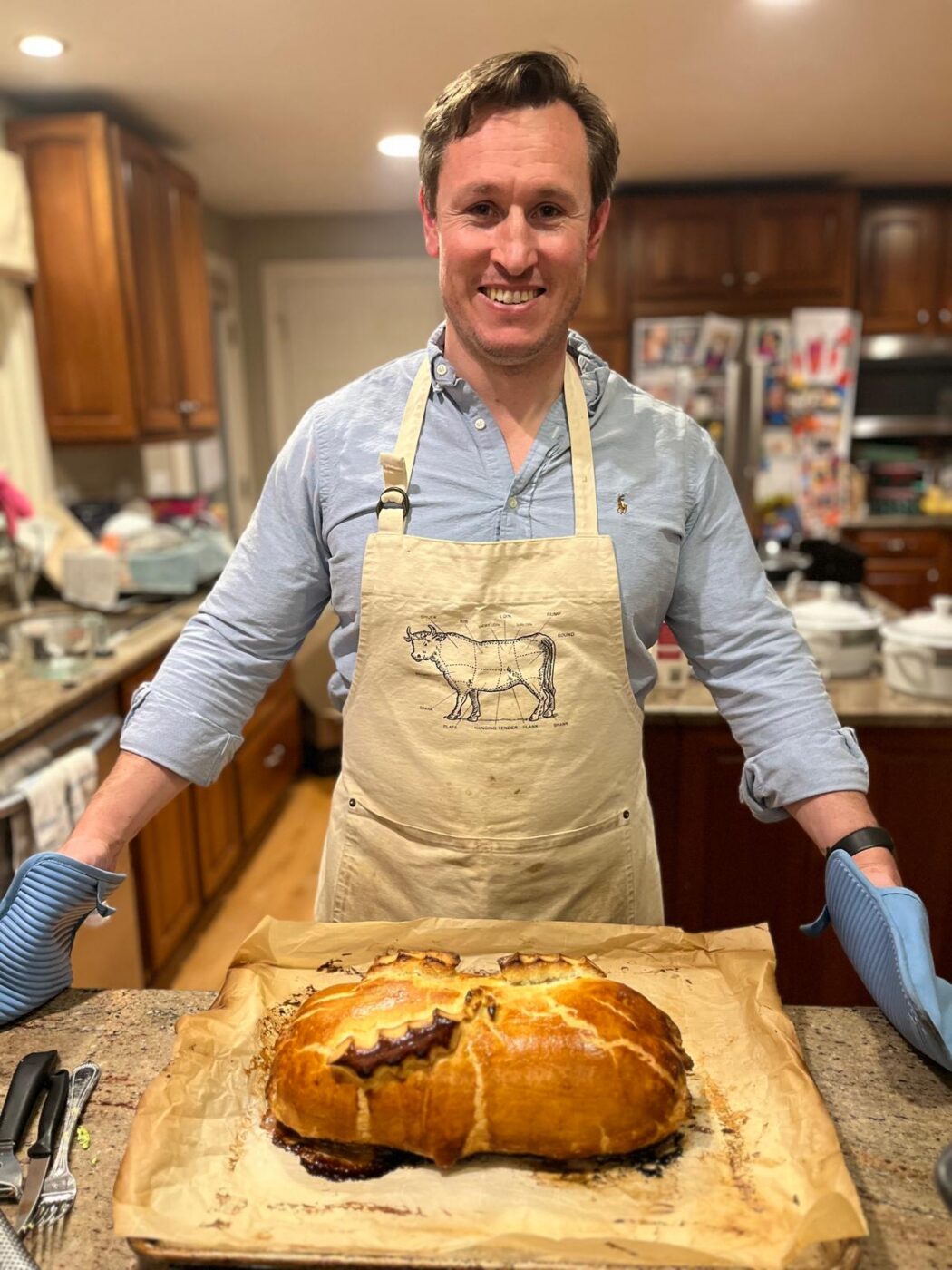










 Order a Search Now