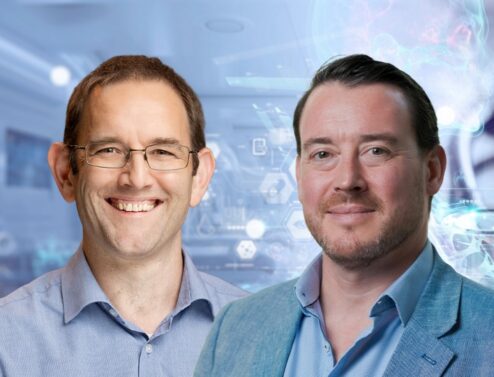
Alex Brown and Alex Bone are Partners and Patent Attorneys at Venner Shipley, specialising in mechanical engineering inventions and MedTech innovation. Drawing on decades of combined experience, they help businesses ranging from early-stage startups to multinational organisations develop intellectual property strategies that support innovation, investment and commercial growth. Quick Profile Names: Alex Brown & Alex […]
1st July 2026
Alex Brown and Alex Bone are Partners and Patent Attorneys at Venner Shipley, specialising in mechanical engineering inventions and MedTech innovation. Drawing on decades of combined experience, they help businesses ranging from early-stage startups to multinational organisations develop intellectual property strategies that support innovation, investment and commercial growth.
Areas of Expertise: Mechanical engineering, MedTech innovation, patent strategy, patent prosecution, opposition and appeal proceedings, startup support, Unified Patent Court matters
Different routes into the same profession
Although they now work side-by-side within Venner Shipley’s Mechanical Engineering team, Alex Brown and Alex Bone arrived in the patent profession through very different routes.
For Alex Brown, intellectual property was familiar from an early age. His father was a patent attorney, giving him an unusual insight into a profession that many people only discover after university.
After studying Mechanical Engineering at the University of Manchester and spending a short period in IT, he realised he wanted a career that combined technology, law and commercial strategy.
“I knew with the intersection of the technology and the law, a career in the patent profession would tick all the boxes that I was interested in.”
Nearly 25 years later, he remains with the same firm, now leading Venner Shipley’s Mechanical Engineering team.
Alex Bone’s journey was more typical of many patent attorneys. While studying Chemical Engineering at the University of Cambridge, he attended a lecture delivered by a patent attorney who happened to be recruiting.
The profession immediately appealed to him.
After qualifying in private practice, he moved in-house to Novartis, where he worked with medical device technologies before returning to private practice through A.A. Thornton, which later combined with Venner Shipley.
Together, their different backgrounds provide clients with a blend of private practice, in-house and leadership experience.
Why MedTech continues to inspire
Both attorneys have spent much of their careers working with mechanical inventions and MedTech technologies.
For Alex Brown, mechanical engineering has always held a particular fascination because inventions can be seen, touched and understood through physical interactions.
He points out that despite predictions that software and electronics would dominate innovation, mechanical engineering remains highly active and competitive.
This is especially true in MedTech, where seemingly simple devices often contain highly sophisticated engineering.
Drug delivery systems, safety syringes and inhalers may appear straightforward, but tiny mechanical differences can determine whether a device performs reliably and gains acceptance from healthcare professionals and patients.
Alex Bone shares a similar enthusiasm.
He remains fascinated by the ingenuity required to create mechanical solutions to complex healthcare challenges.
Particularly rewarding are the stories behind many MedTech startups.
Often, innovation begins when an entrepreneur encounters a real-world healthcare problem affecting a family member or friend and decides to solve it.
“They go away and come up with a widget that makes their family member’s life better in some small way, and then they try to make that into a product.”
The changing face of MedTech innovation
Over the course of their careers, both attorneys have witnessed significant changes within the MedTech sector.
One of the most notable developments has been the growing integration of engineering, software, electronics and healthcare data.
Alex Bone highlights the rise of personalised medicine, where treatments and delivery systems are increasingly tailored to individual patients rather than broad populations.
Modern devices often combine mechanical delivery systems with sensors, monitoring technologies and connected applications that track patient compliance and treatment outcomes.
At the same time, the availability of health data generated through wearable technologies has opened new opportunities for innovation.
Alex Brown has seen a similar convergence of disciplines.
Where patent matters were once separated into distinct technical areas, many modern innovations now require collaboration between mechanical, software and life sciences specialists.
Artificial intelligence is also beginning to influence product development, intellectual property management and innovation processes across the healthcare sector.
Helping startups avoid costly mistakes
Supporting startups and spin-outs is a significant part of both attorneys’ work.
While innovation may begin with a strong technical idea, both emphasise that intellectual property should be considered from the earliest stages of business development.
According to Alex Bone, one of the most common mistakes is postponing IP discussions until significant time and money have already been invested.
By that stage, businesses may discover third-party patent barriers or realise they have inadvertently disclosed valuable innovations before obtaining protection.
Alex Brown sees similar challenges, particularly among university spin-outs and academic founders.
Researchers are often accustomed to publishing their findings as quickly as possible. However, public disclosure before filing a patent application can seriously undermine protection opportunities.
Ownership issues can also create difficulties.
Without clear agreements regarding who owns newly developed intellectual property, problems may emerge later when businesses seek investment or commercial partnerships.
Both attorneys stress the importance of establishing a clear IP strategy early, even if formal filings come later.
Building confidence for investors and partners
A well-developed IP strategy does more than protect innovation. It can also play a crucial role in attracting investment.
Investors want confidence that the technology they are supporting can be protected and commercialised successfully.
“If there isn’t IP protection around the technology, it’s difficult to persuade someone to invest in something that someone else could easily copy,” explains Alex Brown.
Alex Bone adds that a strong strategy can also reduce uncertainty.
Freedom-to-operate reviews, competitor monitoring and ongoing IP planning help demonstrate that risks have been assessed and managed appropriately.
For startups seeking funding, partnerships or acquisition opportunities, that reassurance can be invaluable.
Navigating a changing patent landscape
The introduction of the Unified Patent Court (UPC) has added another dimension to European patent strategy.
According to Alex Brown, the UPC offers significant opportunities through centralised enforcement across multiple jurisdictions. However, it also introduces strategic decisions regarding risk and protection.
Some businesses embrace unitary patents and central enforcement, while others prefer a more cautious approach using traditional national validations.
Alex Bone notes that many smaller companies are attracted by the cost-effectiveness of obtaining broad European coverage through a unitary patent.
For larger organisations, strategic considerations around enforcement and revocation often play a greater role.
As with many aspects of intellectual property, there is rarely a one-size-fits-all solution.
What makes the profession rewarding
Despite decades in the profession, both attorneys remain enthusiastic about their work.
For Alex Bone, much of the enjoyment comes from problem solving.
Patent prosecution, oppositions and hearings often involve finding creative solutions within strict legal and technical constraints.
Every case presents a new puzzle.
He also enjoys working closely with smaller businesses where intellectual property can have a direct and significant impact on commercial success.
Alex Brown values the trusted relationships he has built with clients over many years.
Being involved early in the innovation process and working alongside research, development and commercial teams provides a deeper understanding of the technologies and businesses he supports.
He also continues to enjoy opposition and appeal work, where high-stakes disputes bring additional challenge and excitement.
Beyond client work, he finds fulfilment in helping to grow teams, develop people and contribute to the strategic direction of the firm.
Outside the office
Away from intellectual property, both attorneys enjoy staying active and spending time outdoors. But perhaps their most obvious shared interest is a passion for cars and motorsport.
For Alex Brown, much of his free time revolves around his three children and their activities. He also plays squash and enjoys track days, combining his engineering background with a love of driving. Over the years he has owned and driven a variety of performance and track-focused cars. Although these days he particularly enjoys extracting the maximum performance from smaller, lighter vehicles.
Alex Bone shares a similar enthusiasm for cars and track driving. While he jokes that some of his automotive adventures have not always gone entirely to plan, including the loss of a TVR during a particularly wet track day, he remains on the lookout for his next classic car project.
Beyond motorsport, Alex Bone enjoys running, walking and spending time outdoors. Regular walks along the South Downs and the Seven Sisters coastline provide a welcome opportunity to switch off. While running offers a chance to clear his mind away from the demands of client work.
Their shared enthusiasm for engineering extends well beyond the office. Reflecting the curiosity and problem-solving mindset that first drew both of them into the patent profession.
Looking ahead
When asked for one piece of advice for MedTech startups, both attorneys returned to a common theme: think about intellectual property early.
Understanding what makes an innovation valuable, identifying the true “crown jewels” of a business and creating a clear IP strategy from the outset can prevent costly mistakes later.
As MedTech continues to evolve through advances in engineering, data, software and artificial intelligence, those foundations are likely to become even more important.
Meet the IP Professional is a PatWorld interview series exploring the people and perspectives shaping the intellectual property profession. Discover more interviews in the Meet the IP Professional hub, and find out more about PatWorld, a global IP search provider working with IP professionals worldwide to support informed patent, design and trade mark decisions, on our About Us page.
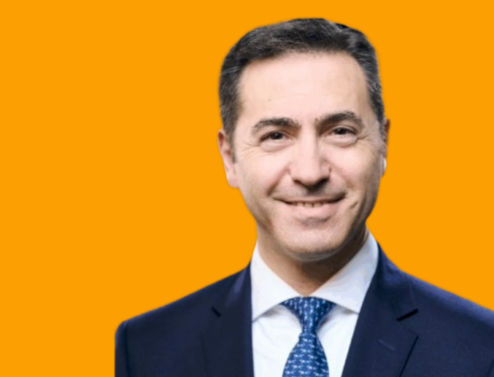
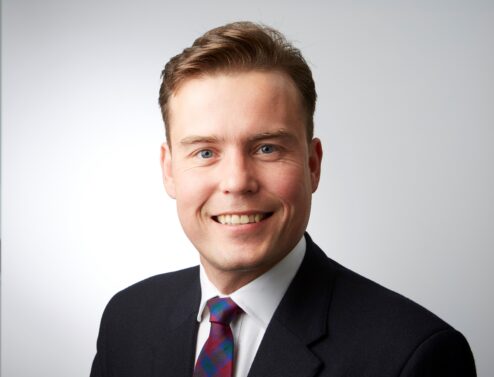
Daniel March is a Chartered Trade Mark Attorney and consultant at Two IP. Having worked across private practice, major law firms and global brand portfolios, he brings a practical and client-focused approach to trade mark protection, helping businesses understand the value of their brands and navigate an increasingly complex intellectual property landscape. Quick Profile Name: […]
24th June 2026
Daniel March is a Chartered Trade Mark Attorney and consultant at Two IP. Having worked across private practice, major law firms and global brand portfolios, he brings a practical and client-focused approach to trade mark protection, helping businesses understand the value of their brands and navigate an increasingly complex intellectual property landscape.
Quick Profile
Name:Daniel March Role: Consultant and Chartered Trade Mark Attorney Firm / Organisation:Two IP Location: London, UK Areas of expertise: Trade marks, brand protection, trade mark strategy, portfolio management, client advisory work
A profession few people plan for
Daniel is the first to admit that few people grow up wanting to become a trade mark attorney.
“Most people haven’t even heard of a trade mark attorney,” he says. Like many in the profession, his route into IP was not planned from the outset. While studying law at university, he took an intellectual property module that introduced him to trade marks, patents, copyright and design rights.
The subject sparked an interest that eventually led him away from a traditional legal career path and into the world of trade marks.
What appealed most was the connection to innovation, technology and the products people encounter every day. Rather than focusing solely on legal process, Daniel was drawn to a profession that sits close to product development, branding and commercial decision-making.
Seeing brands come to life
Throughout his career, Daniel has worked with a wide variety of clients, from multinational technology companies to household consumer brands.
Among the organisations he has supported are Nokia, Huawei and Unilever. These experiences gave him a front-row seat to the evolution of technology and the importance of brand protection in highly competitive markets.
Working with mobile phone manufacturers allowed him to witness rapid innovation first-hand. Devices that were once primarily used for making calls have evolved into powerful all-in-one communication and computing platforms, creating increasingly complex trade mark considerations.
His work with Unilever provided a different perspective. Supporting brands such as Hellmann’s, Dove, Lynx, Persil, Domestos and Vaseline offered insight into the extensive work involved in bringing products to market.
One of the aspects Daniel enjoys most is seeing a project progress from an early concept to a product on supermarket shelves or featured in national advertising campaigns.
“There’s a lot of background work that goes into it,” he explains. “When you see the finished product, you know you were involved in helping it get there.”
The importance of understanding clients
A recurring theme throughout Daniel’s career has been the importance of tailoring advice to the client.
One of the most valuable lessons he learned early on was that clients are not simply looking for a list of options. They want guidance.
Rather than presenting every possible route equally, he believes the role of an attorney is to understand the client’s objectives and recommend the most appropriate course of action.
That means adapting communication styles depending on the audience. An in-house counsel may require detailed legal analysis, while a business owner may simply need a clear answer about whether a proposed brand can move forward.
Daniel believes effective advice should be straightforward and accessible.
“You don’t have to use legal language to show expertise,” he says. “The best advice is often the simplest and easiest to understand.”
A new chapter at Two IP
After many years in traditional private practice and large law firms, Daniel recently joined Two IP as a consultant.
The move represented a significant career change. Shifting from an established role to a consultancy environment brought both excitement and uncertainty.
“It’s very daunting,” he says. “The buck stops with you.”
What attracted him to Two IP was the opportunity to build stronger client relationships while enjoying greater flexibility and autonomy.
He values the supportive culture he has found within the firm and appreciates the ability to focus on client service without some of the distractions that can come with larger organisations.
For Daniel, one of the biggest attractions is the ability to focus on client service. The consultancy model allows him to build relationships in his own way, work more flexibly and spend more time on the aspects of the profession he finds most rewarding.
Brands are much more than registrations
One of Daniel’s strongest messages for businesses is that trade marks should not be viewed simply as registrations.
Instead, they should be treated as valuable commercial assets.
A trade mark helps consumers identify the products and services they trust. Over time, that recognition creates loyalty, reputation and commercial value.
“The registration itself may cost a few hundred pounds,” he explains, “but the value of the brand can be enormous.”
For that reason, he encourages businesses to think strategically about brand protection from the outset. That includes conducting proper clearance searches, understanding future growth plans and developing an enforcement strategy to protect rights once they are established.
As online commerce continues to expand globally, these considerations have become increasingly important.
Daniel has also observed how technological developments are changing the profession. While artificial intelligence and automation can speed up tasks such as searching and reporting, he believes human expertise remains essential.
“AI is a tool,” he says. “It can help you work more efficiently, but clients still need advice, judgement and experience.”
Learning from others and paying it forward
Throughout his career, Daniel has benefited from the guidance of mentors and colleagues who helped shape his approach.
One experience that left a lasting impression involved a senior barrister who helped him prepare for professional examinations. When Daniel enquired about payment for the support, the barrister declined.
Instead, he asked for one thing: help the next generation.
That lesson has stayed with Daniel throughout his career and continues to influence the way he works with trainees and junior colleagues today.
He believes professional development extends far beyond formal qualifications.
“Every day is a school day,” he says. “There is always something new to learn.”
Outside the office
Away from work, Daniel enjoys travelling, classic cars and keeping active.
Since moving into consultancy, he has found more flexibility to focus on health and wellbeing and has recently returned to running.
Travel is another passion. Having visited destinations across Europe, the United States, China and the Middle East, he enjoys exploring different cultures, architecture and histories. His next adventure is a trip to Panama.
Daniel is also a keen enthusiast of classic cars, particularly traditional British sports cars. He appreciates the character and styling of older vehicles and enjoys attending car shows whenever time allows.
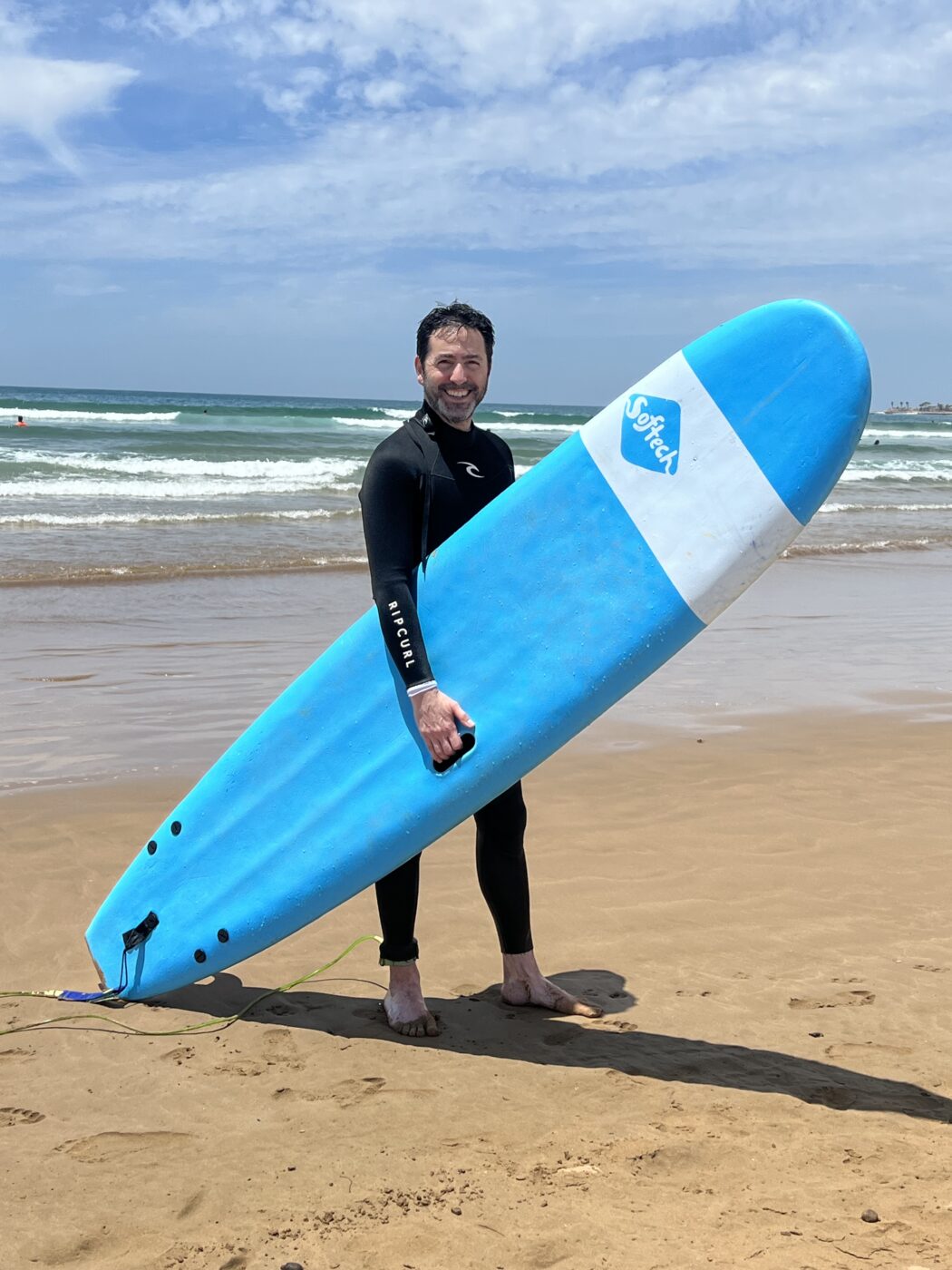
More recently, he added surfing to the list of activities he has tried, taking to the waves during a trip to Morocco.
Closer to home, he recommends the countryside around Hampstead Heath and Kenwood House, as well as the South Downs near Eastbourne, where he spent time walking with family while growing up.
For those looking for a more challenging walk, Scafell Pike remains one of his favourite hiking experiences.
Looking ahead
Reflecting on a career that has spanned major brands, global clients and significant changes within the profession, Daniel remains enthusiastic about the future of trade marks.
While technology will continue to reshape how attorneys work, he believes the fundamentals remain unchanged.
Successful trade mark practice is built on understanding people, communicating clearly and helping businesses protect the brands that matter most to them.
For Daniel, the key is simple: understand the client, provide practical advice and build relationships based on trust.
Meet the IP Professional is a PatWorld interview series exploring the people and perspectives shaping the intellectual property profession. Discover more interviews in the Meet the IP Professional hub, and find out more about PatWorld — a global IP search provider working with IP professionals worldwide to support informed patent, design and trade mark decisions — on our About Us page.
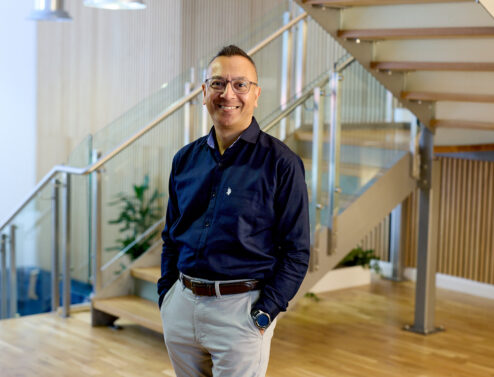
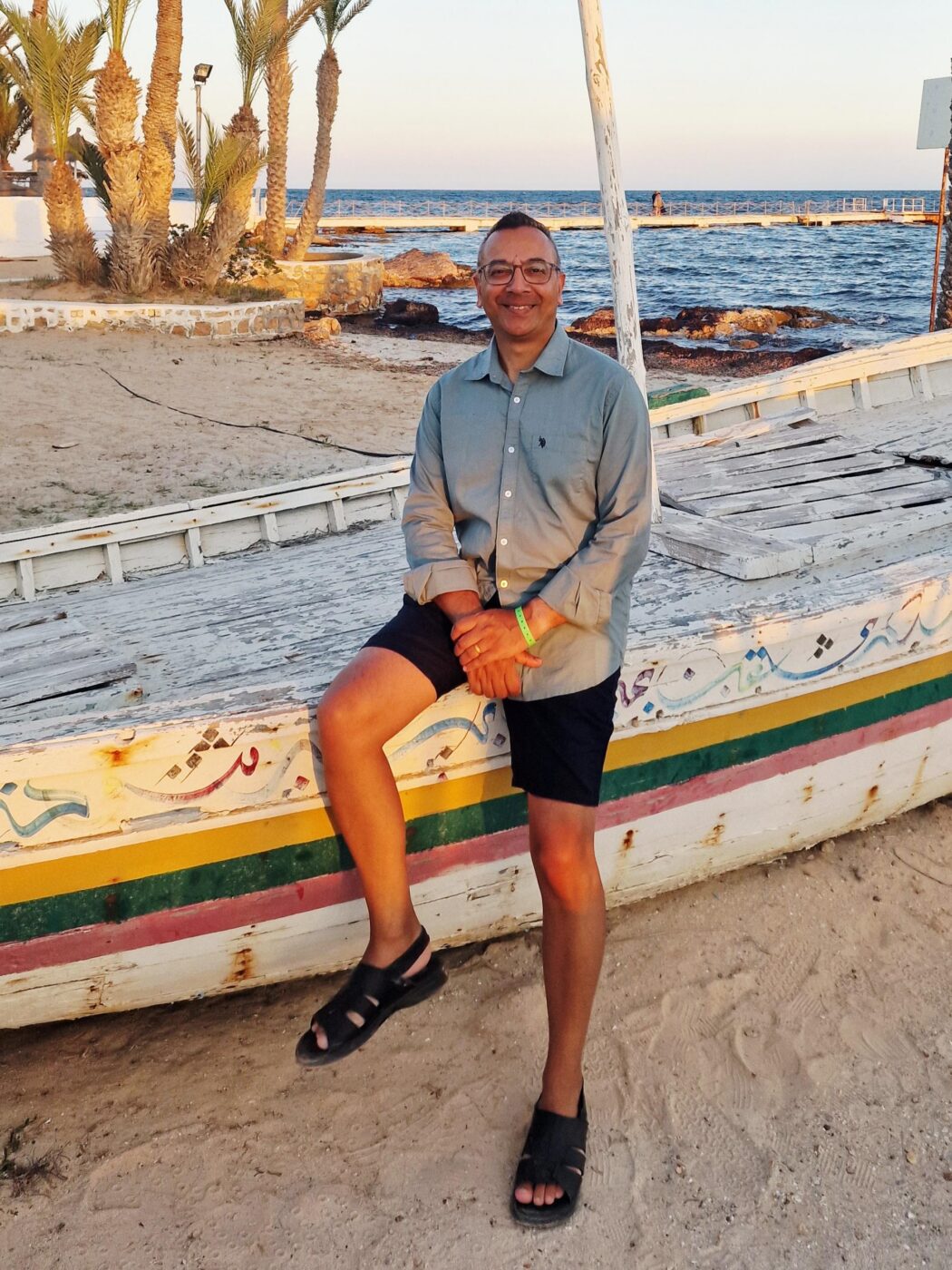
Saiful Khan is an Owner at Potter Clarkson with more than 25 years of experience in intellectual property. Working across a diverse range of technologies and international markets, he combines technical expertise with a strong commitment to education, diversity and inclusion, and helping clients make informed strategic decisions. Name: Saiful KhanRole: Owner, Patent AttorneyFirm / […]
17th June 2026
Saiful Khan is an Owner at Potter Clarkson with more than 25 years of experience in intellectual property. Working across a diverse range of technologies and international markets, he combines technical expertise with a strong commitment to education, diversity and inclusion, and helping clients make informed strategic decisions.
Name:Saiful Khan Role: Owner, Patent Attorney Firm / Organisation:Potter Clarkson Location: United Kingdom Areas of expertise: Patent strategy, software and AI inventions, telecommunications, international patent prosecution, licensing, diversity and inclusion
Finding the right path into IP
Like many people in the profession, Saiful’s route into intellectual property was not entirely planned.
After completing a PhD, he explored a number of possible career options, including academic research and management consultancy. One opportunity even involved research into spray technologies that reminded him of the needleless injections featured in Star Trek, a programme he readily admits being a fan of.
Ultimately, IP appealed because it brought together technical, commercial and legal thinking. It also played to one of his strengths: translating complex concepts into something others can understand.
“I’ve always been at the interface where I can work with people who are really smart and bring things down to something that can be understood by a wider audience,” he explains.
What convinced him he had found the right profession was the people. Early in his career, he recognised a shared way of thinking and problem-solving among his peers, and that gave him confidence that he belonged in the profession.
Leading through service
Saiful has been an Owner at Potter Clarkson for nearing two decades and previously served on the firm’s Board during a period of significant growth and transformation.
Looking back, he describes leadership as both a privilege and a responsibility. Rather than focusing on personal achievement, he sees leadership as an opportunity to serve others and help create the conditions for collective success.
“It is all about service,” he says. “How do you best serve, given the talents that each person has?”
His approach combines attention to detail with an understanding of the bigger picture. Whether advising clients or helping shape business strategy, he believes successful decision-making requires a deep understanding of people, systems and long-term objectives.
The attraction of variety
One of the aspects Saiful enjoys most about his work is the sheer breadth of technologies he encounters.
His background in engineering and materials science provided a foundation that has allowed him to work across disciplines ranging from medical devices and nanotechnology to telecommunications, software and artificial intelligence.
For Saiful, the appeal lies in the opportunity to continually learn.
“I’ve enjoyed knowing a little bit about this and a little bit about that,” he says. “It’s about understanding.”
That curiosity remains central to his work today and is something he believes is essential for anyone considering a career in patents.
Technology, AI and the importance of critical thinking
Having worked extensively with software-related inventions throughout his career, Saiful has observed first-hand how approaches to patenting software and AI continue to evolve across different jurisdictions.
While examination practices differ between patent offices around the world, he believes many of the established principles used for software inventions will continue to shape the treatment of AI-related technologies.
Beyond the legal and technical questions, however, he is particularly interested in the wider societal impact of AI.
For Saiful, access to information has never been greater, but information alone is not enough.
“Knowledge is at our fingertips, but it is not a substitute for critical thinking,” he says.
He believes education remains as important as ever and is concerned that overreliance on technology could reduce opportunities for people to develop the experience and judgement that come from solving problems themselves.
Rather than replacing human capability, he hopes AI will enhance it.
“What I’d like is for AI to make us smarter and better, not replace our capabilities.”
Understanding what matters to clients
Saiful’s client base ranges from multinational corporations managing extensive patent portfolios to SMEs and individual inventors making critical early-stage decisions.
While the scale may differ, his approach remains consistent: understand what the client is trying to achieve and provide advice that reflects their circumstances.
One question he frequently asks smaller businesses is simple but revealing: “Why is this important to you?”
For larger organisations, conversations often focus on how a particular patent fits within broader commercial and technology strategies. For smaller clients, each decision can carry greater significance.
What he enjoys most is helping clients navigate those choices and becoming a trusted adviser rather than simply a service provider.
The value of an international perspective
International collaboration has been a defining feature of Saiful’s career. Through his work with organisations including CIPA, AIPPI and IP Inclusive, he has developed a global perspective on both the profession and the issues shaping it.
He believes international engagement is fundamental to modern IP practice.
Although patent systems are not fully harmonised, he sees significant commonality across jurisdictions and believes understanding different perspectives leads to better outcomes for clients and the profession alike.
Perhaps more importantly, he says international collaboration reinforces a shared sense of humanity.
“What I find in the IP profession is that there are very, very many like-minded people in the international domain.”
Creating opportunities through diversity and inclusion
Alongside his client work, Saiful is widely recognised for his commitment to diversity and inclusion.
His motivation is straightforward: talent exists everywhere, and the profession should do everything possible to ensure people have the opportunity to succeed.
“For me, it’s always been about talent,” he explains.
Having progressed from what he describes as a position of low privilege to one of significant professional privilege, he feels a responsibility to help others access similar opportunities.
He is particularly passionate about ensuring people are judged on their abilities and potential, rather than their background or personal characteristics.
“What I’d like is for everybody who’s outstanding to be given that opportunity to progress.”
Supporting the next generation
Education and mentoring are also important parts of Saiful’s professional life.
As a tutor and international workshop leader, he values the opportunity not only to share knowledge but also to learn from others.
Teaching reinforces his own understanding while exposing him to different perspectives and approaches.
For those considering a career in patents, he highlights curiosity, analytical thinking and strong communication skills as essential attributes. Technical expertise matters, but so does the ability to understand complex information and confidently defend your own position.
Ultimately, he believes professionals must take responsibility for developing their own judgement rather than relying on others, or technology, to provide the answers.
Outside the office
Away from work, walking has become one of Saiful’s favourite ways to unwind.
Whether enjoying local walks with friends or taking part in guided walking holidays with his wife, he values the combination of exercise, conversation and time outdoors.
Travel also plays a role in helping him recharge. Recent highlights have included walking in Switzerland and exploring the Canadian Rockies, while future plans include a guided walking holiday in Jordan.
Although he admits he does not play as often as he would like, tennis remains another long-standing passion. Given the choice of an alternative career, he jokes that becoming an international tennis player might have been an attractive option.
Looking ahead
When asked what he hopes to see from technology over the next decade, Saiful returns to a theme that runs throughout both his career and his outlook on life: connection.
Drawing on his experience working in telecommunications, he believes the best technologies bring people together rather than drive them apart.
His hope is that future innovations, particularly in AI, will help people become more informed, thoughtful and capable, while maintaining appropriate safeguards and accountability.
“I’d like to see technology make us better human beings.”
Meet the IP Professional is a PatWorld interview series exploring the people and perspectives shaping the intellectual property profession. Discover more interviews in the Meet the IP Professional hub, and find out more about PatWorld, a global IP search provider working with IP professionals worldwide to support informed patent, design and trade mark decisions, on our About Us page.
Launching a new product without understanding the patent landscape can expose your business to unnecessary risk. A Freedom to Operate (FTO) search helps identify whether existing patents could affect your ability to manufacture, use, import, or sell your product in your chosen markets. An FTO search gives businesses a clearer picture of potential patent risks […]
20th May 2026
Launching a new product without understanding the patent landscape can expose your business to unnecessary risk. A Freedom to Operate (FTO) search helps identify whether existing patents could affect your ability to manufacture, use, import, or sell your product in your chosen markets.
An FTO search gives businesses a clearer picture of potential patent risks before major investment is made in development, manufacturing, distribution, or launch.
Why and When Would You Need an FTO Search?
A Freedom to Operate (FTO) search is typically carried out before important commercial or technical decisions are made — particularly when launching a new product, entering new markets, beginning manufacture, seeking investment, or developing existing technology further.
The purpose is to identify potential patent risks at an early stage, helping businesses avoid unnecessary delays, disputes, or costly redesigns later in the process.
An FTO search can help businesses:
Reduce infringement risk before product launch
Support investment, licensing, or acquisition discussions
Understand competitor patent activity and market positioning
Identify opportunities for design changes or licensing
Make informed commercial and development decisions
Minimise the risk of unexpected legal or operational challenges
By addressing potential issues early, businesses gain greater flexibility, clearer strategic direction, and increased confidence when moving products and technologies forward.
What We Offer
At PatWorld, we provide tailored Freedom to Operate searching across a broad range of technologies and jurisdictions.
Our services include:
Patent infringement risk searching
Jurisdiction-specific analysis
Technical and commercially focused reporting
Worldwide patent coverage
Fast turnaround options
Confidential and responsive support
Focussed pricing model
We work with patent attorneys, SMEs, start-ups, universities, and multinational organisations worldwide.
Why Choose PatWorld?
Our experienced research team combines technical expertise with practical commercial understanding. We focus on delivering clear, relevant results that help clients assess risk and proceed with greater confidence.
Whether you are preparing for launch, expanding into new markets, or evaluating investment opportunities, an FTO search can provide valuable clarity before important decisions are made.
Speak to Our Team
To discuss your Freedom to Operate requirements or request a quotation, contact [email protected] or complete the contact form.
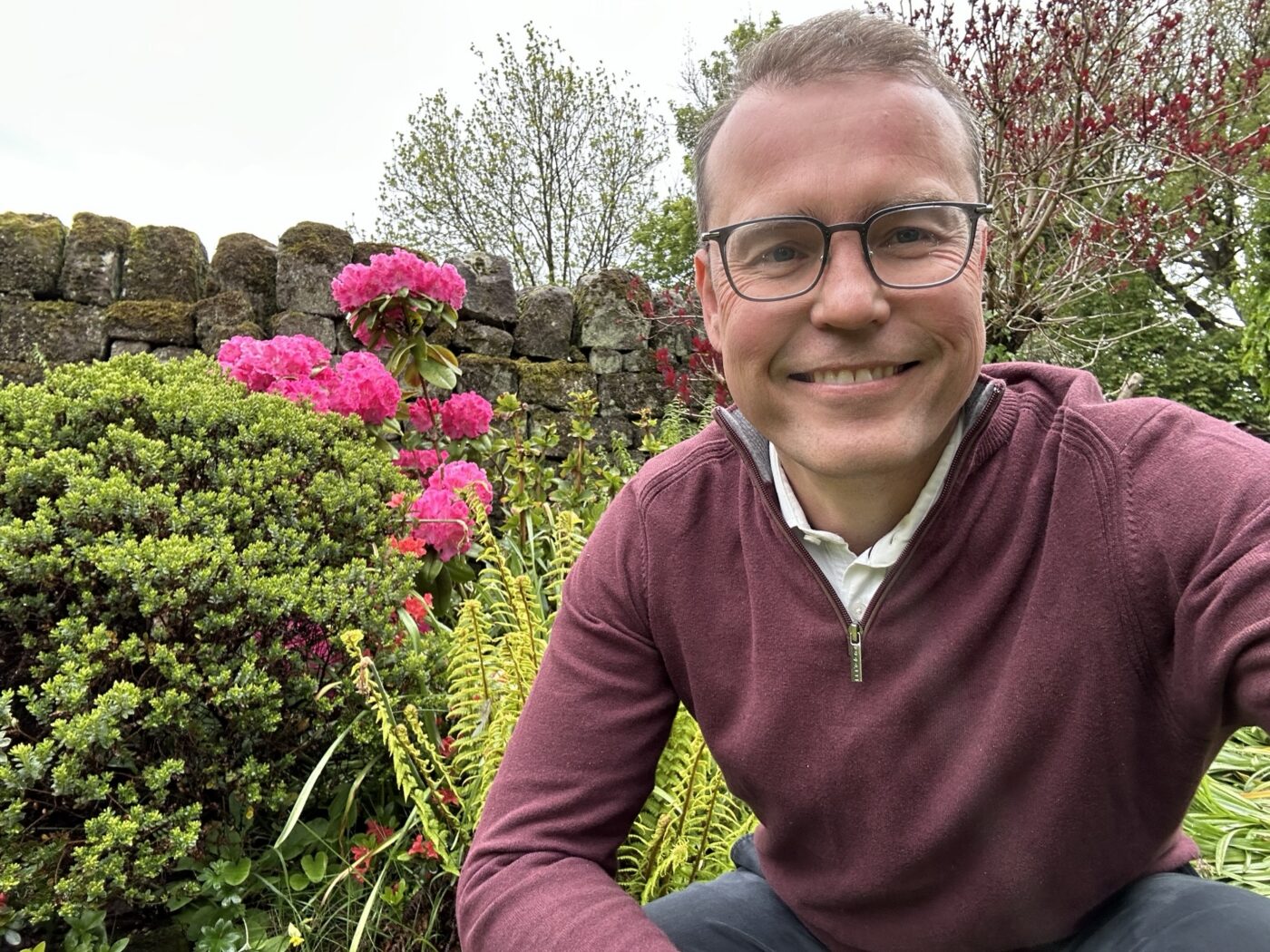
John-Paul Rooney is a partner at Withers & Rogers LLP, based in Sheffield. With a background that began with an engineering apprenticeship, he has built a career in patent law focused on client relationships, firm leadership, and the growth of one of the firm’s most successful regional offices. Quick Profile Name: John-Paul RooneyRole: PartnerFirm / […]
13th May 2026
John-Paul Rooney is a partner at Withers & Rogers LLP, based in Sheffield. With a background that began with an engineering apprenticeship, he has built a career in patent law focused on client relationships, firm leadership, and the growth of one of the firm’s most successful regional offices.
Quick Profile
Name:John-Paul Rooney Role: Partner Firm / Organisation:Withers & Rogers LLP Location: Sheffield, UK Areas of expertise: European and UK patents, client relationship management, electronics, video coding, IP strategy, Unified Patent Court matters, AI in IP practice
From apprentice technician to patent attorney
John-Paul Rooney’s route into the IP profession was far from conventional. He began his career as an apprentice technician at ICI Pharmaceuticals, now part of AstraZeneca, with no expectation that patent law would eventually become his career.
“I had absolutely zero idea that I would get into the IP profession,” he says.
During his apprenticeship, he studied part-time while working, eventually progressing from college to university. His early experience in industry exposed him to the commercial importance of patents, particularly within the pharmaceutical sector.
“We could see that when one of the blockbuster drugs that we made went off patent, the profit margin went down massively,” he explains. “That gave me a signpost to the existence of the IP profession and how important it was.”
After deciding to pursue university full-time, John-Paul studied electronics before completing a PhD involving a large-scale research project. It was towards the end of that doctorate that patent law first became a serious option.
Following his PhD viva, his supervisor suggested he would make a strong patent attorney because he could understand complex technology while communicating clearly with both engineers and business leaders.
“That was a great piece of career advice from him,” says John-Paul.
Finding the right culture
John-Paul joined Withers & Rogers LLP after applying to firms across the UK. He believes the firm’s openness to different backgrounds played a major role in that decision.
Today, as a partner, his responsibilities extend beyond client work. He serves on internal committees covering finance, quality, and risk management, while also leading several major client teams, including large US and UK accounts. He additionally runs the firm’s China desk, helping to build relationships with Chinese clients and associates, with particular success in new energy and biotech/pharmaceuticals sectors.
For John-Paul, culture has remained central throughout his career.
“Finding your people and a culture that fits you is really important,” he says. “Every patent attorney firm has a different culture, and I’m lucky to have found a great fit with Withers & Rogers.”
Building the Sheffield office
One of the defining parts of John-Paul’s career has been helping grow the Sheffield office of Withers & Rogers LLP over the last 15 years.
When he moved to Yorkshire to start a family, the firm did not yet have a regional office there. After spending time with another firm, he returned when the opportunity arose to help establish the Sheffield presence from the ground up.
“It was an opportunity I couldn’t resist,” he says.
What began as a small office with only a handful of people has since grown into a substantial regional operation employing over 40 people.
John-Paul believes two things made that growth possible: culture and energy.
“We developed a culture that could breed success,” he explains. “Being open, sharing information, supporting one another — that was really important. Then having the energy and desire to go out and communicate that to the world.”
He also highlights the importance of support from the wider firm.
“The rest of the firm really wanted the office to succeed,” he says. “That support was hugely important.”
Although hybrid working has changed office life, he believes in-person collaboration still plays a vital role in building strong teams and maintaining culture.
Technical understanding and client relationships
John-Paul’s engineering background continues to shape the way he works with clients today.
He recalls visiting a Sheffield-based client and immediately recognising elements of their equipment from his apprenticeship days.
“I knew exactly what I was looking at,” he says. “Their confidence in me went through the roof.”
That ability to understand technology quickly and communicate naturally with technical teams has become a key strength throughout his career.
He places particular importance on long-term client relationships.
“We really like building those long-term trusted relationships with our clients,” he says. “I enjoy seeing clients able to pick up the phone to discuss something difficult and for us to find a solution together.”
The changing IP landscape
Like many in the profession, John-Paul sees artificial intelligence as one of the biggest current shifts affecting IP practice.
“We are beginning to deploy AI more widely,” he explains, “but only as an assistant, not to do the work.”
He believes careful and responsible use of AI will become increasingly important across the profession.
Alongside AI, he also points to the growing influence of the Unified Patent Court in Europe.
“We’re involved in four litigations in that court at the moment,” he says. “It has definitely changed how IP is used.”
Later this year, John-Paul will also be speaking at the CIPA Congress in Manchester on the sustainability challenges facing the patent profession and its future direction.
Outside the office
Away from work, John-Paul enjoys spending time with his partner and three children. Living in the Peak District gives him plenty of opportunity for walking, particularly around Kinder Scout and Bamford Edge.
He is also a keen gardener with a growing interest in climbing roses.
“I think when I retire, I’ll be pottering around the garden most days,” he says.
Golf is another long-standing hobby. He plays competitively at his local course, which he jokes is close enough to see from his window.
Looking ahead
Reflecting on his career so far, John-Paul returns to the importance of finding the right environment and the right people.
“You’ve got to find a place with a culture that fits you, and vice-versa” he says.
His own path into the profession may not have been traditional, but he believes the industry is becoming more open to different backgrounds and experiences. Through internships and outreach initiatives, he hopes more people will discover opportunities in IP that they may never previously have considered.
Meet the IP Professional is a PatWorld interview series exploring the people and perspectives shaping the intellectual property profession. Discover more interviews in the Meet the IP Professional hub, and find out more about PatWorld, a global IP search provider working with IP professionals worldwide to support informed patent, design and trade mark decisions, on our About Us page.
This week marks the International Day of Light, a global initiative led by UNESCO that recognises the importance of light and light-based technologies in science, innovation, medicine, communications, and sustainable development. Light-driven innovation continues to influence some of the world’s most exciting technological advances, with new developments emerging across renewable energy, healthcare, AI infrastructure, and […]
12th May 2026
This week marks the International Day of Light, a global initiative led by UNESCO that recognises the importance of light and light-based technologies in science, innovation, medicine, communications, and sustainable development.
Light-driven innovation continues to influence some of the world’s most exciting technological advances, with new developments emerging across renewable energy, healthcare, AI infrastructure, and advanced materials. These innovations not only demonstrate scientific progress but also highlight the increasing importance of intellectual property protection and technology intelligence within rapidly evolving sectors.
Here are three recent innovations that demonstrate how light-based technologies are helping shape the future.
Solar technology moving beyond traditional efficiency limits
Researchers at Kyushu University recently announced a breakthrough in solar energy research using a process known as singlet fission. The technology reportedly achieved energy carrier generation efficiencies above traditional theoretical limits by converting light into usable energy more effectively.
If commercialised successfully, this approach could significantly improve the efficiency of future solar panels and renewable energy systems, supporting global sustainability goals while creating substantial opportunities for patent activity and competitive innovation.
Lens-free infrared imaging for healthcare and diagnostics
Scientists have also developed a new lens-free mid-infrared imaging system capable of converting infrared light into visible signals using nonlinear crystals. The innovation could help reduce the size, complexity, and cost of advanced imaging systems used within healthcare, diagnostics, industrial inspection, and scientific research.
By removing the need for traditional bulky lenses, this technology has the potential to make advanced imaging more accessible while opening new opportunities for product development and IP generation within photonics and medical technology sectors.
Optical chips supporting the future of AI and communications
Researchers at Monash University recently developed a multifunction optical chip capable of processing multiple light-based functions simultaneously through a “mosaic metasurface” design.
Photonic chips such as these are attracting significant global interest as industries seek faster and more energy-efficient ways to support AI processing, telecommunications, and high-speed data transfer. Replacing traditional bulky optical hardware with compact photonic systems could transform future computing infrastructure and broadband technologies.
As innovation accelerates across photonics, renewable energy, healthcare, and AI infrastructure, protecting intellectual property and understanding the competitive landscape becomes increasingly important.
PatWorld works with organisations innovating in these and related technology areas, supporting research and development through professional patent, trademark, technology landscape, and competitor search services. If you would like to learn how our IP search services can support your innovation strategy, contact the team for further information.
Ana Vesperinas is an associate and European Patent Attorney at Barker Brettell, specialising in chemistry and materials innovation. With a career spanning academia, industry, and private practice, she brings a broad scientific perspective to IP, combining technical expertise with a strong focus on client understanding and tailored advice. Name: Ana VesperinasRole: European Patent AttorneyOrganisation: Barker […]
6th May 2026
Ana Vesperinas is an associate and European Patent Attorney at Barker Brettell, specialising in chemistry and materials innovation. With a career spanning academia, industry, and private practice, she brings a broad scientific perspective to IP, combining technical expertise with a strong focus on client understanding and tailored advice.
Name:Ana Vesperinas Role: European Patent Attorney Organisation:Barker Brettell Location: Birmingham, UK Areas of expertise: Chemistry, functional formulations, materials, cosmetics, patent prosecution
A career shaped by exploration
Ana’s path into intellectual property was far from conventional. After completing a PhD and gaining experience across academia and industry, she only discovered IP later in her career. While working in industry, exposure to patent processes sparked her curiosity. Conversations with in house attorneys led her to explore the field further, ultimately prompting her to undertake a postgraduate course in intellectual property. That decision marked a turning point. Ana moved into an in house IP role before transitioning to private practice, where she felt she could broaden her experience and deepen her legal expertise. Today, she reflects positively on her varied journey, seeing it as a strength that shapes how she works.
A role grounded in chemistry and strategy
Now part of the chemistry team at Barker Brettell, Ana’s work focuses heavily on patent prosecution, alongside drafting and strategic advisory work. She particularly enjoys the challenge of prosecution developing arguments, understanding inventions in depth, and working towards broad and meaningful protection for her clients. Her technical expertise spans functional formulations, cosmetics, and increasingly, innovative materials. Recent work has included developments in construction materials and environmentally focused technologies, reflecting a wider industry shift towards sustainability and efficiency. Staying close to innovation is important to her. She actively keeps up with scientific developments to ensure she remains connected to the technologies behind the patents she works on.
Putting clients at the centre
A defining feature of Ana’s approach is her emphasis on understanding her clients’ needs. Her experience across different sectors allows her to relate to clients from a variety of backgrounds and tailor her advice accordingly. She believes strong relationships are built on clear communication from the outset setting expectations, explaining processes, and being transparent about challenges. Responsiveness is also key. Ana makes a conscious effort to respond quickly to client queries, recognising the urgency that often underpins IP decisions. Ultimately, she aims to make the patent process feel less daunting, ensuring clients feel informed, supported, and confident throughout.
Navigating international perspectives
A significant part of Ana’s career has involved working closely with US based clients. Many of her clients are located in the United States, requiring her to adapt strategies to fit European patent practice. This often involves managing expectations where approaches differ between jurisdictions. A strategy that succeeds in the US may not translate directly to Europe, requiring careful adjustment and clear communication. Through this experience, Ana has developed a strong understanding of both systems, enabling her to bridge the gap and deliver practical, effective advice.
Alongside her work with US clients, Ana’s UK‑based client base has grown steadily, ranging from individual inventors and universities to middle and large corporations. Ana takes a tailored approach, adapting her advice to each client’s level of intellectual property knowledge and experience. She places particular emphasis on transparency, ensuring clients have a clear understanding of anticipated next steps, expected timescales, and associated costs.
Keeping pace with innovation
Ana is particularly interested in the rise of functional materials and environmentally conscious innovation. Developments in areas such as construction materials, CO₂ reduction, and battery technologies are shaping her current work. She sees a clear trend towards sustainability, with many new inventions designed to reduce environmental impact while maintaining or improving performance. For Ana, staying informed about these changes is essential not just for technical understanding, but to provide relevant and forward thinking advice to clients.
Lessons in balance and perspective
Working in IP has also influenced how Ana approaches challenges. Early in her career, she felt pressure to address everything immediately. Over time, she has learned the importance of prioritisation and organisation. Managing a dynamic workload requires flexibility. Unexpected tasks can quickly reshape a carefully planned day, making adaptability a key skill. This shift in mindset has helped her approach her work more calmly and effectively, balancing urgency with structure.
Outside the office
Away from work, Ana enjoys staying active. Tennis and padel are regular pursuits, offering a way to unwind and reset after busy days. She also has a passion for skiing, often travelling to France or Switzerland with her family. When she cannot get to the mountains, she makes use of Birmingham’s indoor ski facilities. For Ana, these activities provide an important balance, helping her recharge and maintain focus in her professional life.
Encouraging different paths into IP
Reflecting on her own journey, Ana is keen to highlight that there is no single route into the profession. Entering IP later in a career can bring valuable experience and perspective. She encourages those considering a move into IP not to feel discouraged if they did not follow a traditional path. Experience gained in other roles particularly in science or industry can be a significant asset. Her own career stands as an example of how diverse experiences can lead to a fulfilling role in IP, combining technical knowledge with a strong understanding of client needs.
Meet the IP Professional is a PatWorld interview series exploring the people and perspectives shaping the intellectual property profession. Discover more interviews in the Meet the IP Professional hub, and find out more about PatWorld, a global IP search provider working with IP professionals worldwide to support informed patent, design and trade mark decisions, on our About Us page.
As the IP landscape becomes increasingly complex, the ability to interpret patent information and translate it into meaningful, commercial advice is more important than ever. At Mewburn Ellis, this is not the work of one individual, but a collaborative effort, bringing together different technical backgrounds, perspectives and approaches. Following their contribution to an upcoming feature […]
29th April 2026
As the IP landscape becomes increasingly complex, the ability to interpret patent information and translate it into meaningful, commercial advice is more important than ever. At Mewburn Ellis, this is not the work of one individual, but a collaborative effort, bringing together different technical backgrounds, perspectives and approaches.
Following their contribution to an upcoming feature in The Global IP Magazine, published to coincide with INTA, we spoke to members of the Mewburn Ellis team to explore how they approach their work, what drives them, and how their individual expertise shapes the advice they provide to clients.
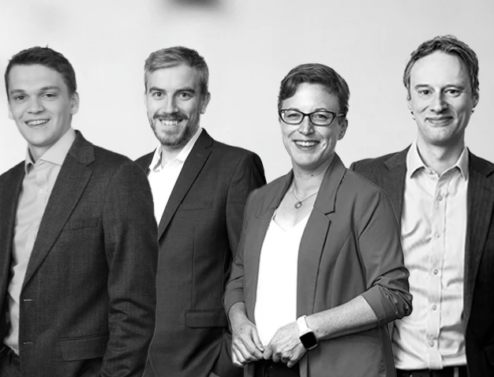
The team featured in this article includes:
William Hey– Patent Attorney and Senior Associate, Engineering Dan Thornton – Partner and Patent Attorney, Engineering Fran Salisbury – Partner and Patent Attorney, Life Sciences Paul Dunne – Partner and Patent Attorney, Chemistry
Together, they represent a cross-section of expertise across engineering and life sciences, working collaboratively to support clients navigating complex third party rights.
Different perspectives, one shared goal
Across engineering, chemistry and life sciences, the team at Mewburn Ellis works with patent data in different ways, but with a shared objective: to provide clarity in complex situations and support informed decision making.
Whether advising on freedom to operate, analysing technical and commercial landscapes or supporting strategic planning, the emphasis is always on interpretation. Understanding not just what the data shows, but what it means in practice.
That shared mindset is reflected in how each individual approaches their work.
William Hey – structuring complexity
Working extensively with patent landscapes and large datasets, William Hey focusses on bringing structure to complexity.
For him, the critical part is how the patent data found is organised and interpreted. By grouping and analysing information in a structured way, William helps turn large sets of search results into something meaningful, enabling both the team and their clients to identify patterns, trends and areas of focus more clearly.
He particularly enjoys the variety that comes with working in intellectual property.
“Working in private practice offers small windows into lots of different businesses,” he explains. “You often gain a real sense of a client’s company culture, along with an appreciation of their business strategy and the wider industry they operate in. With those insights, our team’s work is so much more useful to those clients..”
Outside of work, William enjoys practical, hands-on pursuits. Having completed a house renovation, he is now turning his attention to transforming an empty field into a new allotment. He also enjoys walking in the Peak District with his wife, occasionally flying his drone, and playing the piano.
For Dan, the most rewarding part of the role is working closely with clients and understanding how intellectual property fits into their broader commercial plans.
“I love working directly with clients,” he explains. “Sitting quietly and drafting a spec or a response is only part of the job. Learning about a client’s commercial plans and strategising together to ensure that their IP activities serve their goals is what I enjoy the most.”
Dan’s work focuses on helping clients navigate third party rights and creating and pursuing patent portfolios with real relevance in context. He approaches his work with an open mind. This has led him to bring an element of creativity to client work.
His approach is grounded in understanding the bigger picture, ensuring that analysis is aligned with the decision a client ultimately needs to make. Many of the most interesting client projects need the team approach; Dan enjoys working with his colleagues on planning and delivering these projects.
Outside work, Dan spends much of his time with his family. Living close to the hills, he enjoys getting outdoors with his three children and their new puppy, Peggy, often combining walks with a keen eye out for steam trains for his youngest.
Fran Salisbury – navigating life sciences complexity
For Fran Salisbury, working in life sciences brings a different dimension to patent analysis, one shaped by long development timelines and evolving technologies.
“In life sciences, you are often dealing with technologies that are still developing,” she explains. “You might be assessing risk before a product is fully defined.”
This requires a careful balance. Too much detail too early can be as unhelpful as too little, particularly when technologies may change over time.
Fran particularly enjoys the problem solving aspect of her role.
“I enjoy taking a jumble of information and ideas and bringing them together into a coherent strategy, or pulling the threads together to form an argument.”
She also values the international nature of IP work, working with attorneys, clients and patent offices globally.
Outside of work, Fran enjoys being outdoors, skiing, swimming and hiking, as well as quieter creative pursuits such as painting and drawing.
Paul’s work focusses on contentious matters, helping clients understand their options for clearing the way of competitors’ rights and defending their own patents.
A recurring theme in his work is distilling a large mix of documents into sharp and impactful arguments, cutting out unnecessary complexity. For smaller clients, Paul highlights that many assume that holding a patent gives them the right to use a technology, when in reality it provides the right to prevent others from doing so.
His approach is centred on clarity, ensuring that clients understand both the risks they face and the options available to them, so they can make informed, pragmatic decisions. He particularly enjoys working closely with clients in a collaborative way, feeling embedded within in house teams rather than operating as a separate external adviser.
“The joy of private practice is getting to work with lots of interesting, enthusiastic clients on a variety of tech,” he says. “The thing I enjoy most is feeling properly embedded with an in-house team, when the work feels like a collaboration instead of a transaction.”
Outside of work, Paul enjoys spending time with his wife, two children and spaniel Archie. Whether walking through the woods or visiting the beaches of Somerset, he values time outdoors with his family. He also enjoys carving out time to play the piano and go swimming.
While each team member brings a different perspective, it is the combination of these approaches that enables Mewburn Ellis to deliver well-rounded, commercially relevant advice.
Strategic thinking, structured analysis, technical depth and clear communication all play a role, supported by collaboration both within the team and with external partners.
Meeting the team at INTA
Fran, along with many of the Mewburn Ellis team, will be in London during INTA. If you are attending and would like to meet, they would be very happy to connect and continue the conversation in person.
Mewburn Ellis works closely with specialist search providers such as PatWorld to ensure that searches are aligned with how the results will be used in practice. By tailoring search outputs to the firm’s analytical approach, PatWorld provides datasets that support structured analysis and enable the team to focus on interpretation, insight and client advice.
Meet the IP Professional is a PatWorld interview series exploring the people and perspectives shaping the intellectual property profession. Discover more interviews in the Meet the IP Professional hub, and find out more about PatWorld, a global IP search provider working with IP professionals worldwide to support informed patent, design and trade mark decisions, on our About Us page
Pamela Bryer is a Partner and Patent Attorney at Marks & Clerk, based in Edinburgh. With a background in physics and photonics, she specialises in supporting innovation across emerging technologies, with a particular focus on design protection and the strategic use of intellectual property in fast-moving sectors. Name: Pamela BryerRole: Partner and Patent AttorneyFirm: Marks […]
22nd April 2026
Pamela Bryer is a Partner and Patent Attorney at Marks & Clerk, based in Edinburgh. With a background in physics and photonics, she specialises in supporting innovation across emerging technologies, with a particular focus on design protection and the strategic use of intellectual property in fast-moving sectors.
Name:Pamela Bryer Role: Partner and Patent Attorney Firm:Marks & Clerk Location: Edinburgh, UK Areas of expertise: Patent and design protection, emerging technologies, IP strategy
From research to intellectual property
Pamela’s path into intellectual property began during her studies in physics and photonics at the University of St Andrews. Initially considering a career in research, she joined Marconi to work on tunable lasers for telecommunications systems.
However, she quickly realised that specialising in a single technology was not the right fit. Instead, she was drawn to the broader perspective offered by intellectual property.
“I didn’t necessarily want to know everything about one specific device. I’d much rather understand a wider range of technologies and how they work.”
Her exposure to patent strategy during this time, particularly designing around existing patents, sparked a lasting interest in the field.
A collaborative approach to innovation
At Marks & Clerk, Pamela values the firm’s collaborative and forward-thinking culture. She highlights the importance of working across disciplines and supporting both clients and colleagues.
“There’s always someone willing to listen, share ideas and help you think through problems in a different way,” she explains.
This collaborative environment allows her to work closely with clients, not only understanding the legal aspects of their innovations but also the commercial and technological context behind them.
Curiosity driving expertise
Pamela’s work spans a wide range of technologies, including AI, medtech and connectivity. Her interest in these areas is driven by curiosity and their real-world impact.
“What excites me most are technologies sitting at the intersection of innovation and impact,” she says.
From a patent perspective, these technologies present both opportunities and challenges. They often evolve rapidly and cross traditional boundaries, requiring flexible and forward-thinking protection strategies.
The strategic value of design protection
A key area of Pamela’s expertise is design protection, which she sees as central to product success.
“Design sits at the intersection of technology, usability, branding and customer experience,” she explains.
She believes that design rights can provide a valuable additional layer of protection, particularly in fast-moving sectors where user experience and product differentiation are critical.
Clients, however, often face challenges in deciding how and when to protect their innovations. With rapid development cycles and evolving technologies, early decisions must be made with limited information.
Pamela advises a proactive, portfolio-based approach, aligning patent and design strategies with product development to maximise long-term value.
Supporting innovation through diversity and collaboration
Pamela is a strong advocate for diversity and inclusion within the IP profession. She believes that a broader range of perspectives leads to better outcomes for both clients and innovation.
“Innovation itself is inherently diverse,” she notes, emphasising that different viewpoints help ensure that technologies are understood in their full context.
Her approach to mentorship reflects this belief. Having benefited from supportive mentors throughout her career, she now focuses on helping others build confidence and navigate what can be a complex profession.
“I try to be approachable and encouraging… supporting the next generation is one of the most rewarding parts of my role.”
Turning ideas into valuable IP
Working closely with clients is central to Pamela’s approach. She begins by understanding their objectives and the problems their technology solves.
“It’s about translating complex ideas into an appropriate combination of IP protection that is robust but also commercially meaningful,” she explains.
By distilling inventions down to their core concepts and aligning protection strategies with business goals, she helps clients create IP that supports growth, investment and long-term innovation.
Looking ahead: evolving technologies and IP practice
Pamela is particularly interested in developments in design law, including current reform in the EU and proposed reform in the UK. Some of these changes aim to better accommodate digital and dynamic designs, reflecting the evolving nature of modern products.
She also sees the integration of artificial intelligence within IP practice as both a challenge and an opportunity.
“We need to think about how to responsibly incorporate AI into our daily practice to produce better outcomes for clients,” she says.
Outside the office
Outside of work, Pamela enjoys activities that provide a different kind of mental challenge or allow her to switch off completely. Travel and photography are key interests, alongside quizzes, board games and time spent with family.
She also enjoys exploring new places and restaurants, and walking remains a favourite way to unwind. Close to home, Arthur’s Seat in Edinburgh is a regular destination, offering views across the city and coastline.
Further afield, she has completed a 500-mile section of the Appalachian Trail — an experience she describes as unforgettable.
One of her favourite travel destinations is Hoi An in Vietnam, a UNESCO World Heritage Site known for its historic architecture and vibrant food scene. It’s a place she particularly enjoys for its atmosphere, culture and distinctive character.
A balanced perspective on innovation
Reflecting on her career, Pamela emphasises the importance of curiosity, collaboration and adaptability. As technologies continue to evolve, she believes the role of IP professionals will become even more strategic. By combining technical understanding with commercial insight, they can help shape how innovation is protected and brought to market.
Her advice is simple: stay curious, remain open to new ideas, and never underestimate the value of collaboration in solving complex problems.
Pamela and members of the Marks & Clerk team will be in London for the International Trademark Association (INTA) Annual Meeting this May. If you’re also planning to be there and would like to connect, feel free to get in touch to arrange a meeting.
Meet the IP Professional is a PatWorld interview series exploring the people and perspectives shaping the intellectual property profession. Discover more interviews in the Meet the IP Professional hub, and find out more about PatWorld — a global IP search provider working with IP professionals worldwide to support informed patent, design and trade mark decisions — on our About Us page.
Gerard Byrne is a part-qualified patent attorney at Knights, with a background spanning patent examination, searching, and in-house analysis. His experience across the IP lifecycle gives him a distinctive perspective, particularly on how patent information can be used more strategically to support innovation and commercial decision-making. Name: Gerard ByrneRole: Part-Qualified Patent AttorneyOrganisation: KnightsLocation: UKAreas of […]
15th April 2026
Gerard Byrne is a part-qualified patent attorney at Knights, with a background spanning patent examination, searching, and in-house analysis. His experience across the IP lifecycle gives him a distinctive perspective, particularly on how patent information can be used more strategically to support innovation and commercial decision-making.
Name:Gerard Byrne Role: Part-Qualified Patent Attorney Organisation:Knights Location: UK Areas of expertise: Patent drafting and prosecution, patent analysis, IP strategy, freedom-to-operate
A career shaped by perspective
Gerard’s route into IP began at the UK Intellectual Property Office, where he joined as a patent examiner after completing a degree in Mechanical Engineering. It wasn’t a carefully mapped decision, but it was the most interesting opportunity at the time, and one that quickly proved to be a strong fit.
From there, his career evolved steadily. After moving into private practice patent searching, he went on to work as an in-house analyst supporting engineering-led businesses, before securing a trainee patent attorney role. While the early steps were not always intentional, the direction became clearer over time.
“I always kind of wanted to be an attorney after entering the profession,” he reflects, noting that breaking into the profession can be challenging. His varied experience, however, has provided a strong foundation.
Seeing IP through different lenses
Few patent attorneys begin their careers across such a wide range of roles. For Gerard, each stage has shaped how he approaches his work today.
As a searcher, he developed a broad technical awareness, reviewing large volumes of patent literature across multiple fields. This gave him a practical understanding of how patent landscapes evolve and what makes a strong application.
His time as an in-house analyst shifted that perspective further. Patents became more than legal tools; they became part of the innovation process itself. “You start to see patents not just as legal instruments but as tools for driving and mapping innovation,” he explains.
Now, as a part-qualified attorney, those perspectives come together. His role involves balancing technical detail, strategic thinking, and commercial realities to deliver outcomes that align with client objectives.
From analysis to application
Gerard’s current role spans drafting applications, prosecuting cases before the UK and European patent offices, and advising on freedom-to-operate questions. The variety is a key part of its appeal.
“No two days look the same,” he says, describing work that ranges from drafting claims for mechanical inventions to advising clients on competitor activity.
His background in analysis continues to influence how he approaches drafting. In particular, it has made him more aware of the risks posed by prior art. Rather than treating drafting as a purely technical exercise, he sees it as a purposeful process, shaped by what may emerge during examination.
Patents as strategic tools
A consistent theme in Gerard’s experience is the idea that patents are often underused as strategic assets.
He points to the practical barriers that prevent wider engagement. Patent databases can be difficult to navigate, and the documents themselves are dense and technical. For many engineers, extracting meaningful insight from patent literature is not straightforward.
Yet the value is clear. Patent information can guide product development, highlight competitive activity, and inform commercial decisions at every stage of a project. Without that foundation, decisions risk being made without a full understanding of the landscape.
For Gerard, the future lies in better integration, embedding analytical thinking throughout the innovation process, rather than treating it as a standalone step.
Bridging roles and improving collaboration
Having worked both in-house and in private practice, Gerard has seen how differently IP can be approached. In-house roles bring a closer connection to commercial outcomes, while private practice offers broader exposure to technologies and industries.
“The ideal, honestly, is to have experienced both,” he notes, highlighting how each perspective helps to correct the blind spots of the other.
Collaboration plays a central role in making that work effectively. Whether working with inventors, litigators, or commercial teams, success often comes down to clear communication and mutual understanding. Translating between technical, legal, and business language is a key skill.
Developing as a patent attorney
Working towards qualification brings its own challenges. The exams are demanding, and success often depends on understanding exactly what is being asked.
For Gerard, managing that process comes down to consistency. “It’s just doing a little bit every day quite regularly,” he explains.
He also highlights the importance of a supportive training environment, with access to a varied caseload and structured guidance. Without that, candidates can find themselves struggling on multiple fronts.
His advice to others is practical: make full use of past papers and available resources and focus on understanding how to answer the question being asked.
Outside the office
Away from work, Gerard prefers to stay active. Skiing, scuba diving and hiking all feature, although the time of year often dictates which takes priority.
More recently, cooking has become a favourite way to unwind, particularly during the winter months when outdoor activities are less accessible. He enjoys experimenting with different cuisines, with a current focus on French cooking. It offers a creative contrast to the structure of his day-to-day work.
He also picked up the saxophone during the COVID pandemic, initially as a challenge and a long-term project. Largely self-taught, it remains a personal pursuit rather than a public one, but one that offers a different kind of focus outside the demands of IP work.
Looking ahead
As Gerard continues towards full qualification, his focus is on building a well-rounded practice that draws on all aspects of his experience. His journey highlights the value of seeing IP from multiple angles, and the benefits that brings to both clients and the profession.
With a growing emphasis on strategy, collaboration, and integration, he sees the role of the patent attorney continuing to evolve into something broader: not just a legal advisor, but a partner in innovation.
Meet the IP Professional is a PatWorld interview series exploring the people and perspectives shaping the intellectual property profession. Discover more interviews in the Meet the IP Professional hub, and find out more about PatWorld — a global IP search provider working with IP professionals worldwide to support informed patent, design and trade mark decisions — on our About Us page.
PatWorld Global IP Research Services
Patent, Design, and Trademark Research Experts with a combined experience of over 200 years in Intellectual Property searching. Highly trained, dynamic in-house research teams specialising in a wide range of subject matter. All our analysts follow a training program developed by former IPO Examiners. Our teams are available to discuss any specific technical points regarding your search enquiries.













 Order a Search Now