Veronika Brázdová is a physicist by training and now works as a UK and European patent attorney and commercial mediator. Through Brázdová IP, she combines scientific curiosity with commercial thinking, with a particular interest in sustainable and marine technologies, including shipping, decarbonisation and emerging blue-water innovation.
Quick Profile
Name:Veronika Brázdová Role: UK and European Patent Attorney and Commercial Mediator Firm / organisation:Brázdová IP Location: UK Areas of expertise: Physics and engineering, sustainable technologies, marine technologies, shipping and decarbonisation, IP strategy and commercial mediation
Curiosity as a starting point
For Veronika, the connection between physics and patents is more natural than it might first appear.
“I went into physics to find out how things work,” she says. Curiosity was what initially attracted her to science. When the realities of pursuing a long-term academic career prompted her to consider alternatives, she realised patents offered something surprisingly similar. “Patents are also about how things work.”
That moment of understanding remains one of the things she most enjoys about her profession. Whether looking at scientific research, an invention or even a mediation, Veronika wants to understand what sits beneath the surface.
There is a particular satisfaction when the underlying function or structure suddenly becomes clear. Once you understand why something is happening, she explains, you can work with it very differently.
That same curiosity eventually led Veronika to establish Brázdová IP. “I wanted to create my own business in the way I want it,” she says. Running her own practice gives her freedom over everything from her technical niche to the firm’s branding. More importantly, it allows her to concentrate on areas that matter to her, particularly working with founders and sustainable technologies.
Bringing a physicist’s perspective to new inventions
Veronika’s scientific experience spans different disciplines and approaches, from large-scale simulations and supercomputing to experimental work. That breadth is valuable in patent practice.
Within physics and engineering, patent attorneys may encounter technologies across many different sectors. They need to be able to understand what arrives on their desk, even when it sits outside their previous specialist experience. “Having experience in different fields helps you understand any new field as well, because you’ve seen so many things before,” she explains.
It also helps you know which questions to ask.
Veronika found that her legal training strengthened this further. Patent attorneys are trained to question an invention carefully and work out exactly how it functions. For someone whose career began with a desire to understand how things work, it is an aspect of the profession she particularly enjoys.
An affinity with ships and sustainable technology
Marine and sustainable technology bring together several of Veronika’s interests. She has always loved ships and the ocean. Growing up in a landlocked country made the sea represent holidays, adventure and “far horizons”.
A recent trip to the Arctic reinforced that fascination. Arriving in Kirkenes, she saw her ship moored against the icy landscape. “I felt the same way as some people probably feel about cathedrals,” she recalls. For Veronika, the sheer scale of a ship engineered to withstand such harsh conditions is impressive in itself. Professionally, the sector is equally compelling.
Shipping is undergoing a strong drive towards decarbonisation. New requirements are encouraging shipowners to reduce emissions, while technological developments are making ideas feasible that could not previously be implemented.
Hydrofoils are one example. The underlying principle has been understood for many years. Advances in materials, software and computing have now made increasingly sophisticated applications possible.
The marine environment also creates unusual technical demands. Equipment must cope with salt water, wind, waves, vibration and temperature extremes. In Arctic environments, conditions become more demanding still.
For a patent attorney, this combination of difficult operating conditions and rapid innovation makes the field particularly interesting.
When old ideas become new technology
Ask Veronika which marine technology excites her most and the answer comes quickly: wind-assisted ships. “This is my absolute favourite and the coolest technology as far as I’m concerned.”
Humans relied on sails for thousands of years before steam and other forms of propulsion took over. Now wind power is returning, supported by modern materials, engineering and control systems.
As wind-assist proponents like to point out, “the cheapest fuel is the fuel that they don’t burn.” Even a relatively modest reduction in fuel consumption can become significant when multiplied across a fleet.
Modern wind-assist systems can take several forms. Rigid sails can be precisely adjusted to changing wind conditions. Flettner rotors use rotating cylinders to generate propulsion assistance, applying a principle that has been known for more than a century.
What interests Veronika is how quickly the discussion has moved. At industry events only a few years ago, much of the conversation centred on pilot projects. More recently, the focus has shifted towards commercial installations.
Existing cargo ships can also be retrofitted, allowing operators to introduce wind assistance without replacing conventional engines.
For Veronika, it is a good example of how an established idea can become commercially viable once the supporting technology catches up.
Making IP strategy part of the business strategy
When working with founders, Veronika believes IP cannot be treated as something to consider later.
Early-stage companies already have long lists of urgent priorities. Intellectual property can easily become part of the “legal stuff” that founders know they should address at some point. But delaying those conversations can create unnecessary risk. “The sooner you start, the better the payoff,” she says.
Crucially, that does not automatically mean seeking patents. Veronika believes an IP strategy must support the business plan. Before recommending a particular approach, she therefore wants to understand where a company is heading.
“If I think a client doesn’t need a patent, I will tell them they don’t need a patent.” Trade secrets may sometimes be more appropriate, or a combination of different forms of protection.
Funding plans, expansion, target markets, technology and competitors can all affect the right strategy. This is why Veronika particularly values carrying out IP audits with clients. By discussing the business and the technology together, she can help establish an IP strategy that the company can then implement.
That strategy should never be static. Veronika recommends revisiting it as the business develops. A funding milestone, a new invention or a change in commercial direction may all mean the IP approach needs to change too. “It’s an ongoing thing.”
What mediation brings to patent practice
Alongside her patent work, Veronika is also a commercial mediator. The training has influenced the way she works with clients, particularly when difficult questions need to be asked. “The way you ask is critical,” she says.
Just as important is listening. Active listening forms a major part of mediation training. Veronika describes it as a life skill that can help almost anywhere.
It also reinforces the importance of understanding what a client actually wants to achieve. The underlying objective may be different from the position first presented.
There is a clear connection with the curiosity that first drew Veronika to physics. Whether the subject is an invention, a business strategy or a commercial disagreement, she is interested in understanding what is really happening beneath the surface.
Lessons from academia, innovation and business
Moving from academia into IP also changed Veronika’s perspective on innovation.
One lesson was simple: don’t try to do everything yourself. Academics can become conditioned to believe they both can and should handle everything. Commercial life requires a different approach.
She also learned the importance of knowing when something is good enough. “You can still have a high bar of what good enough is, but it is not the same as perfect.” In academia, it can be tempting to continue perfecting details that ultimately have little bearing on the bigger picture.
Working with businesses has made Veronika more conscious of funding, commercial priorities and communication.
The most important question is often not the intricate technical detail, but what the technology actually does.
Looking 20 years ahead
There are several marine technologies Veronika would like to fast-forward two decades to see.
Marine carbon dioxide removal is high on the list. The ocean is already a natural carbon sink, but the process is slow. Technologies are being developed to accelerate carbon removal and deploy it at scale. The challenge now is not simply whether approaches can work technically, but whether they can be scaled and commercialised.
Autonomous vessels are another area she expects to develop significantly, while wind-assisted shipping remains a personal favourite.
She is also watching tidal energy. It has been “emerging” for decades, but commercial and site-specific challenges have made standardisation difficult.
How these technologies develop will also depend on progress elsewhere, including floating offshore wind and other energy sources. For Veronika, that uncertainty is part of what makes the sector fascinating.
Outside the office
Switching off means getting “away from the screen and into the real world”.
Singing is particularly important to Veronika. She is currently working her way through Cleopatra’s arias from Handel’s Giulio Cesare, something she describes as great fun. She also plays the harp.
Her interests do not stop there.
She would like to return to Japanese woodblock printing after enjoying a course several years ago. More recently, she has been learning perfumery. It is proving challenging, but that is part of the attraction. “It’s one of those slogs that will be really satisfying and worth it in the future.”
Her enthusiasm for the sea extends beyond work too. During a recent Arctic holiday, she spent time aboard a working Hurtigruten ship before travelling onwards and experiencing husky sledding across the Finnmark Plateau in a whiteout.
Advice for scientists and engineers considering IP
For scientists and engineers wondering whether their background is suitable for a career in intellectual property, Veronika’s advice is straightforward: “Do it.”
The important thing is not already knowing every technology you might encounter. By definition, patent attorneys regularly work with inventions that have not existed before. What matters is having the scientific training needed to follow what an inventor is explaining, ask the right questions and understand the technology. Legal training builds on that foundation.
Veronika remembers finishing a two-hour discussion with a group of inventors alongside another patent attorney. At the end, the attorneys remarked that they finally understood how the invention worked. The inventors replied: “Now we understand how it works.”
Perhaps that captures Veronika’s career particularly well. From physics to patents, mediation and sustainable marine technology, the common thread is the satisfaction of asking questions until something complex becomes clear.
She will also be attending UK Offshore Wind 2026, organised by the Danish-UK Association, on 3 December 2026.
If you are attending either event and would like to connect with Veronika, reach out to her on LinkedIn.
Meet the IP Professional is a PatWorld interview series exploring the people and perspectives shaping the intellectual property profession. Discover more interviews in the Meet the IP Professional hub, and find out more about PatWorld, a global IP search provider working with IP professionals worldwide to support informed patent, design and trade mark decisions, on our About Us page.
Michael McLaughlin is a Singapore Registered Patent Attorney, British Chartered Patent Attorney and qualified European Patent Attorney, and founder of McLaughlin IP. Originally from the UK, he has more than 25 years’ experience in intellectual property, combining international patent expertise with a highly tailored approach to helping businesses protect innovation across Singapore, Asia and wider global markets.
Quick profile
Name:Michael McLaughlin Role: Singapore Registered Patent Attorney Firm / organisation:McLaughlin IP Location: Singapore Areas of expertise: Patents, international patent strategy, software and ICT, electrical and electronic engineering, mechanical engineering and devices
From engineering to intellectual property
Like many patent attorneys, Michael did not begin his career with a long-held ambition to work in IP. However, his route into the profession was not entirely accidental.
The seed was planted towards the end of his university course. A close friend was considering a career in the profession and suggested Michael might also be suited to it. At that point, the prospect of more professional examinations held little appeal. Michael already had an engineering job lined up and was ready to begin his career.
Around eight years later, they had the conversation again. By then, Michael was working as an engineer in London and looking for a new challenge. His friend had been working as a patent attorney for most of that time and still enjoying the variety of the profession. This time, Michael listened.
The combination of technology, analytical thinking and the opportunity to keep learning appealed to him. He made the move into patent law, trained in London and subsequently qualified as a British Chartered Patent Attorney and European Patent Attorney.
Building an international perspective
International work became part of Michael’s career from an early stage. While training and working in London, he helped manage clients’ patent portfolios across multiple jurisdictions. That meant exposure to prosecution in countries including the US, China and Korea well before his eventual move to Singapore.
When he did relocate, the transition was therefore less of a dramatic change in practice and more of a refinement. Singapore’s patent legislation also provided a relatively familiar starting point because of its roots in UK patent law. Over time, however, Michael developed a deeper understanding of the distinctions in Singapore law and between jurisdictions across Asia.
Today, that experience helps him anticipate the practical differences that can arise when clients pursue international protection.
“I immediately picked up this international exposure during my training in London,” he explains. “After moving to Singapore, it was really about picking up experience and becoming more familiar with the subtleties and distinctions.”
Those distinctions can appear small, but they matter. Understanding them early can help clients make better decisions about international filing programmes. The extra experience picked up over the years, and the ability to draw on that and apply and extend it in new and challenging situations is the key.
For Michael, working in Singapore has particularly strengthened his knowledge of patent practice across ASEAN and the wider Asian region.
Advice built around the client
One principle sits firmly at the centre of Michael’s practice: there is no universal template for good IP advice.
He recalls recently receiving an enquiry from someone who asked for the firm’s “standard framework” for handling his situation. Michael’s response was straightforward: there wasn’t one. “We don’t do that one-size-fits-all approach,” he says.
A framework may become established for an individual client once their requirements are understood. But Michael does not believe the same approach should automatically be applied to every organisation.
Instead, the starting point is a conversation. “What do you have? Where do you want to go? How do you want to get there? What do you want to do with the IP?” Those questions become particularly important when advising organisations of very different sizes. Michael’s clients range from individual inventors and SMEs to larger businesses and international organisations.
The aim is to understand what the client is trying to achieve and shape the IP strategy around that objective.
Singapore’s evolving IP landscape
Michael has witnessed significant change during his career, particularly across Asia. The rise of China as a major source of patent filings has transformed the global landscape. He has also watched major Korean corporations build enormous patent portfolios.
Closer to home, he has seen Singapore’s patent system develop considerably. One notable change has been the creation of Singapore’s own search and examination capabilities. Earlier approaches relied much more heavily on work undertaken by other patent offices. Singapore has since developed what Michael describes as a capable search and examination unit of its own. The development reflects the country’s wider commitment to intellectual property. “Singapore takes intellectual property very, very seriously,” he says.
For a patent attorney, that commitment is accompanied by access to some fascinating technology. Michael has encountered advanced research and written patent applications covering work that he believes he may have been less likely to encounter had he remained in the UK.
Singapore has also developed a substantial innovation ecosystem around universities, incubators, government support and access to investment. For many Singapore-based innovators, however, the opportunity extends well beyond the domestic market. Because Singapore itself is relatively small, Michael finds that many of his domestic clients are thinking internationally from an early stage. The question of where to seek patent protection therefore comes back to commercial objectives rather than a predetermined list of countries.
“Where are your markets? Where are your opportunities?” he asks.
The right filing strategy depends on the answers.
Knowing why you want IP
That same focus on purpose runs through Michael’s approach to patent strategy. He has worked with organisations developing portfolios during periods of significant growth. One of the most important lessons from those experiences is deceptively simple: understand why the business wants intellectual property in the first place.
It is not enough for an organisation to decide that it “needs IP” because intellectual property is viewed as important. “Has anyone asked the question, why do you need it?” Michael says. “What do you need it for? What are you going to use it for?” For Michael, those questions should inform the strategy from the beginning.
A patent portfolio should have a purpose. Understanding that purpose helps determine what should be protected, where protection is needed and how much resource should sensibly be invested. Most organisations should need more than, “Yes, we’ll give you X number of patent applications at Y thousands of dollars over the next Z years.”
Technology is changing the conversation
Software, electronics and engineering remain important areas of Michael’s practice. Increasingly, developments in artificial intelligence are affecting both the technology being protected and the way patent professionals work.
For clients seeking international protection, Michael sees increasing complexity in areas such as AI-related inventions.
Patent office decisions and evolving practice can raise expectations around the information required and how an application should be prepared. This can (or at least should) also affect the time and budget needed to produce a strong specification.
That sometimes means having difficult conversations with clients. A budget suitable for a relatively routine invention may not be appropriate for a complex AI patent application intended for multiple international markets. The process may also require changes in how information is gathered from inventors at the outset.
Michael sees AI tools themselves becoming part of patent practice too. He expects AI-assisted patent drafting to raise the baseline quality of some specifications. Yet he does not believe technology removes the value of an experienced adviser.
Instead, it may make that distinction more important. “The big opportunity is still going to be for the trusted adviser,” he says. Experience allows professionals to make connections, look more deeply at a situation and understand what may be required to achieve a client’s desired result.
AI may change the playing field, but Michael believes there will still be opportunities for strong thinkers to distinguish themselves.
The importance of being good with people
Ask Michael what skills matter in an international IP career and his answer goes beyond technical expertise. Analytical ability is important, but so are human skills.
It was something he came to appreciate after moving from large engineering organisations into a much smaller patent attorney firm. “So much of what we do is dependent on personal relationships,” he says. That applies internally, with colleagues, and externally with clients and overseas associates. It becomes particularly important when building an international practice.
Communication is part of the same skill set. When Michael writes complex advice, his priority is not producing an impressive piece of prose. He thinks about the person receiving it. “How is this going to be read? I have to frame this in a way which is accessible for the reader.”
For those entering the profession, his advice is therefore to recognise the importance of relating to people as well as developing technical expertise.
There is another quality he values too: common sense. “A little bit of common sense goes an awful long way.”
Switching off
Outside work, Michael devotes a significant amount of time to staying fit and healthy. Exercise is part of most days. His focus is increasingly on mobility and compound movement. He is also a wannabe surfer, but needs to make more time for it. The results have been significant. Michael says he is in better physical shape in his mid-50s than he was 20 years earlier.
He has also rediscovered reading. Once an avid reader, he has recently returned to historical non-fiction and is enjoying making books part of his downtime again.
Perhaps most importantly, he tries to step away from screens. Sometimes switching off really does mean putting the device down.
Living in Singapore also gives Michael plenty of opportunities to get outside. He particularly enjoys walking around MacRitchie Reservoir and the trails surrounding Bukit Timah. During the pandemic, access to those outdoor spaces became especially valuable.
Looking ahead
Michael is pragmatic about the changes facing the profession. AI will alter how some aspects of patent work are carried out. It may improve the baseline quality of certain tasks and reshape client expectations. But he believes experience, judgement and the ability to understand people will continue to matter.
For the next generation of IP professionals, technical expertise alone may therefore not be enough. The ability to listen, understand what someone is really trying to achieve and communicate advice in a way they can use remains central to the role.
The tools may change. The value of being a trusted adviser remains.
Meet the IP Professional is a PatWorld interview series exploring the people and perspectives shaping the intellectual property profession. Discover more interviews in the Meet the IP Professional hub, and find out more about PatWorld, a global IP search provider working with IP professionals worldwide to support informed patent, design and trade mark decisions, on our About Us page.
Robert Wulff is a Principal and patent attorney at Griffith Hack in Sydney, Australia. Over a 37-year career with the firm, he has worked across patents and designs in industries ranging from mining and agriculture to construction and clean technology, while developing a client-focused approach grounded in curiosity, listening and a genuine interest in innovation.
Quick Profile
Name:Robert Wulff Role: Principal and Patent Attorney Firm / organisation: Griffith Hack Location: Sydney, Australia Areas of expertise: Patents, designs, IP strategy, chemical engineering, mining, agriculture, construction and industrial technologies
Finding a profession that combined technology and words
Robert’s route into intellectual property began with chemical engineering. After training and working as a chemical engineer for three years, he realised that something was missing.
“I always loved words and writing,” he explains. “I didn’t really get that opportunity as a practising chemical engineer.”
A university friend had entered the patent profession and introduced Robert to a career that could bring those interests together. When two positions became available, Robert interviewed for both and was offered both. He chose Griffith Hack.
That was in 1989. He has been with the firm ever since, becoming a principal in 1997.
Looking back, Robert describes entering IP as something of a fortunate accident. “I kind of stumbled into this profession,” he says. “I don’t think I appreciated at the time that I had fallen into a lucky profession.”
What has kept him engaged is the combination that attracted him in the first place: technology, people and the opportunity to communicate complex ideas.
From fax machines to AI
Thirty-seven years in one profession has given Robert an unusually long view of how working practices have changed.
When he joined Griffith Hack, fax machines had yet to transform client communication. Their arrival brought an expectation of overnight replies. Email accelerated that further, while laptops, mobile phones and smartphones progressively changed where and how people could work.
COVID brought another major shift, making remote working a standard part of professional life. Robert now divides his working week between home and the office.
The latest change is artificial intelligence. For Robert, AI is already augmenting professional work and increasing productivity. At the same time, it is creating new areas of patent activity as clients develop AI-related technologies.
Staying close to clients and technology
Robert’s role has also evolved as Griffith Hack itself has changed. With professional management now handling much of the day-to-day running of the business, his focus is firmly on clients, people and business development.
He looks after key clients, supervises and mentors around nine attorneys, writes articles, attends conferences and maintains relationships with IP professionals around the world.
“What continues to inspire me most is the clients and the technologies that we get to work with,” he says. “It’s a real privilege, actually, because some of our clients are world’s best at what they do.”
The variety is considerable. One day might involve wastewater treatment, another a new building tool, a chemical process, metal extraction technology or even fence posts.
For someone naturally curious about how things work, that variety remains one of the profession’s great attractions.
“You get to enter into their world,” Robert says.
Asking questions – and listening to the answers
Robert’s approach to clients has been influenced by an interest that extends well beyond patent law. For more than four decades, he has studied practical philosophy.
In particular, he has drawn on the dialectic method associated with Socrates: using questions and discussion to develop understanding.
Robert sees it as a powerful technique in client meetings. Asking the right questions helps him understand not only an invention but also the client’s business and objectives.
That emphasis on questioning is accompanied by something simpler: listening.
“A lot of questions and a lot of listening,” is how he describes the starting point for developing an effective IP strategy.
IP strategy starts with the business
Robert firmly views intellectual property as a business tool rather than simply a collection of legal rights.
His involvement with an early-stage venture community has reinforced that perspective. Investors considering technology businesses often expect to see appropriate IP protection in place. But that does not mean recommending patents in every situation.
Robert believes an IP strategy must start with understanding what the organisation is trying to achieve.
“My experience is that every IP strategy is different,” he says. “It is unique in a way because every business is different.”
For some developments, trade secrets may make more commercial sense. A startup may need to maximise protection while controlling costs, while a large industrial organisation may have very different priorities.
Robert also sees a clear connection between an organisation’s attitude towards innovation and the value it derives from IP. Where innovation forms part of the culture, IP is more likely to be regarded as a business asset rather than simply a cost.
“You’ve got to really understand the client and their business and their offering and what it is they’re seeking to achieve,” he explains.
A profession transformed
The structure of the IP profession looks very different from when Robert entered it.
In 1989, he recalls a landscape dominated by smaller boutique IP practices. Since then, major law firms have moved further into IP, firms have merged, and listed groups and private equity have become increasingly involved in the sector.
Griffith Hack itself has been part of that evolution, growing from a traditional partnership structure to become part of a larger international IP group.
The result, in Robert’s view, is a considerably more competitive profession.
Career structures have changed too. Robert became an equity partner eight years after entering the profession, a progression he says would be unusually rapid today.
At the other end of the spectrum, building an independent practice brings different challenges, from balancing client work with running a business to deciding where and how to invest in technology and people.
Where AI fits into the future of patent practice
Despite the pace of technological change, Robert does not believe AI will remove the need for skilled patent attorneys.
“In my opinion, there’s always going to be a role for a skilled and experienced patent attorney,” he says.
AI can take on some routine work traditionally carried out at the beginning of a patent attorney’s career. Robert believes this will change how junior practitioners develop their skills, making training and exposure to higher-value work increasingly important.
But technology still needs to be understood in context. Patent attorneys must bridge the gap between an invention, the client’s objectives and appropriate legal protection.
At the same time, Robert is seeing patent activity across AI, critical minerals, renewable technologies, pollution reduction, waste and water treatment, quantum computing and data-related technologies.
“The fundamentals will always remain,” he says. “You’ll need attorneys that can roll their sleeves up and understand the technologies and then ensure that those technologies translate effectively into legal protection.”
Curiosity, humility and a sense of wonder
For Robert, longevity in the profession has not meant reaching a point where there is nothing left to learn.
“Remain open to be surprised and preserve a sense of wonder,” he says.
He believes practitioners should cultivate a genuine interest in what their clients are doing, ask questions and listen carefully. Just as importantly, they should avoid assuming they have mastered their craft.
Robert uses patent drafting as an example. Even after decades of experience, he believes his own drafting continues to evolve and is willing to learn from colleagues, including the attorneys he mentors.
“My view is that you’ve never mastered your craft,” he says.
That willingness to keep learning means being prepared to recognise a better approach and acknowledge when you may have got something wrong.
The inventor Robert would invite to lunch
Asked which inventor he would most like to spend an afternoon talking to, Robert chooses Japanese inventor Shunpei Yamazaki.
What interests Robert most is not simply what Yamazaki invented, but how he thought. He would want to understand his process of invention, what inspired him and which achievements gave him the greatest satisfaction.
It is a choice that reflects Robert’s own curiosity about not just what someone has created, but how they think.
Outside the office
Away from IP, family plays a central role in Robert’s life. He and his wife have two adult children who are both at university, and the family still enjoys spending time and holidaying together.
Before COVID, the family bought a farm in the Southern Highlands. Robert describes the landscape as “a little slice of England”, with parts of the area having been used in the filming of Babe.
Robert enjoys surfing, gardening, fixing things around the farm and walking the dog with his wife. He is also writing his first novel, while practical philosophy remains a longstanding passion that he shares with his wife.
Giving the work 100%
When Robert first joined the partnership at Griffith Hack, he asked a friend who had been a senior partner in another professional services firm for advice.
The answer came down to three principles: give the work 100%, treat everyone as you would like to be treated yourself, and never compromise your principles.
Robert has carried that advice throughout his career and now passes it on to the attorneys he mentors. He also encourages them to strive for excellence, both in their work and in how they treat clients and colleagues.
If he could return to his first day in the profession, he would offer his younger self much the same advice – along with a reminder to appreciate the opportunity sooner.
“You’re a lucky man to have fallen into this profession,” he says.
After 37 years, the technologies may have changed and the profession has become more competitive, but Robert’s enthusiasm for the work remains intact.
For him, the enduring appeal lies in being able to learn, ask questions and work alongside people developing new ideas – while recognising that, however experienced you become, there is always more to discover.
Meet the IP Professional is a PatWorld interview series exploring the people and perspectives shaping the intellectual property profession. Discover more interviews in the Meet the IP Professional hub, and find out more about PatWorld, a global IP search provider working with IP professionals worldwide to support informed patent, design and trade mark decisions, on our About Us page.
Maille (pronounced “molly”) Lyons never planned a career in intellectual property. A scientist, researcher and educator, she knew little about patents when a move to Washington DC led a friend to suggest applying for a role at the United States Patent and Trademark Office (USPTO). Fourteen years later, she left a career she loved with a wealth of experience from inside the US patent system. Today, through her own consultancy, she is using that examiner’s perspective to help others better understand and navigate the patent process.
Quick profile
Name:Mary Maille (Molly) Lyons. Background: Scientist, researcher and educator; former USPTO Patent Examiner. Current focus: Independent IP consultancy, SeaLyons LLC. Specialist area: Biotechnology and the US patent examination process. Something you might not know: Maille combines her consultancy with a life of travel and plans to return to living and working aboard a 44-foot sailboat when her new vessel is ready.
An unexpected route into IP
For Maille, a career in intellectual property was never part of a carefully mapped-out plan.
Her background was in science. She had worked in both research and education, developing a deep knowledge of biotechnology and, just as importantly, an appetite for learning.
A change in circumstances provided the unexpected route into patents. As a military wife, Maille had moved regularly, and when her husband’s career took them to Washington DC, finding a suitable scientific research position proved difficult.
A friend suggested that she apply to the USPTO.
At the time, Maille knew very little about intellectual property or what being a patent examiner involved. Nevertheless, the combination of science, research and the opportunity to explore new ideas quickly proved a natural fit.
She was hooked.
Over the next 14 years, Maille built a successful career at the USPTO. Receiving accolades for her work and discovering a profession that brought together many of the things she enjoyed most.
“I loved reading about new innovations every day and speaking to innovators who were passionate about their inventions.”
Her previous experience proved particularly valuable. A background in biotechnology gave her the technical understanding required to examine complex inventions.While years spent researching meant that reading, investigating and continually acquiring new knowledge already came naturally.
There was, however, one aspect of the job that surprised her.
“You need to know a lot of law.”
For someone entering the profession from a scientific background, understanding the legal framework surrounding patents represented a significant learning curve. Over time, that combination of scientific and legal knowledge became an important part of her expertise.
Life on the other side of a patent application
For patent applicants and their representatives, interaction with an examiner may be just one stage of a much longer journey. For Maille, spending 14 years on the other side of that interaction has given her a very different perspective on the process.
One point she is particularly keen to emphasise is that many examiners want applicants to succeed.
Having spoken with innovators throughout her USPTO career, she understands how much time, knowledge and enthusiasm can sit behind an invention. The examiner’s job is not simply to find reasons to reject an application, but to assess it within the framework they are required to follow.
Maille describes the examiner’s role using the analogy of putting a fence around an invention. An inventor will naturally want that fence to extend as far as possible, maximising the scope of their protection. The examiner’s role is to determine where that fence can fairly be placed, balancing appropriate protection for the inventor with the interests of the wider public and the need to leave room for further innovation.
That makes presenting information clearly particularly important. For Maille, that clarity starts with the claims. Examiners will often read these first because they establish the legal boundaries of the protection being sought, meaning every word matters. Clear, well-written claims can make the examiner’s task easier and often give a good indication of how clearly the rest of the application has been prepared.
Maille points to the guidance provided by the USPTO for patent applications. While not every element of that guidance is mandatory, following the recommended structure can make it considerably easier for an examiner to understand an application and locate the information they need.
From her experience, departing from that guidance unnecessarily can create problems.
If information is difficult to identify or understand, there is greater potential for something important to be missed. That can make the examination process more difficult and potentially contribute to an application being rejected.
It is a simple insight, but one that reflects Maille’s broader philosophy: understanding the process from the examiner’s perspective can make navigating it much easier.
Turning examiner experience into a consultancy
Leaving the USPTO was not driven by a desire to leave patent examination behind. Maille thoroughly enjoyed her work.
Instead, a very different life decision prompted the next stage of her career.
Maille and her husband had decided to live aboard a sailboat and travel. Establishing her own consultancy offered a way to retain her connection with intellectual property. While creating the freedom to work wherever their travels took them.
It also gave her an opportunity to put 14 years of examiner experience to work in a new way.
Today, that experience is central to what she offers.
Having sat on the examiner’s side of the process, Maille understands what an examiner is looking for in an application and the issues that can arise during examination and subsequent responses or appeals. She can look at a situation through a lens that applicants themselves may never have experienced.
That perspective is particularly useful because she also understands the human side of the process.
Years of conversations with applicants have given her an appreciation of the passion people have for their ideas. Combining that understanding with practical knowledge of how examiners work allows her to help clients approach the process more effectively.
It is a role that brings together the different strands of her career: scientist, researcher, educator and former patent examiner.
The deliberately provocative title reflects one of the messages she wants applicants to understand: the relationship between applicant and examiner does not need to be adversarial.
Maille believes it is important not to let patent examination become an “us versus them” contest between examiners and IP practitioners. Instead, she encourages both sides to keep the inventor at the centre of the process. Behind an application is usually someone who genuinely believes they have created something important.The shared aim should be to help establish a strong, defensible patent with an appropriate scope of protection.
The book is intended to help inventors and those supporting them better understand how to work with patent examiners and make their way through the USPTO process more smoothly.
Although firmly rooted in the US patent system, Maille believes the lessons are relevant beyond the United States, particularly for overseas applicants seeking US patent protection.
That international relevance has become even more significant following a USPTO rule change effective from 20 July 2026. The rule change concerning representation for applicants located outside the United States. For overseas innovators navigating the US system, understanding how the USPTO and its examiners operate remains an important part of the process.
Maille’s experience also gives her an appreciation of just how complex patent examination can become. Patentability is not simply a matter of understanding the science behind an invention. Examiners must apply detailed legal and procedural guidance, including rules around issues such as subject matter eligibility.
For innovators encountering the system for the first time, that complexity can be daunting. Maille’s aim is to make what happens on the examiner’s side less mysterious.
A career built on curiosity
There is another thread connecting the different stages of Maille’s career: curiosity.
Research, teaching and patent examination all require a willingness to keep learning. For Maille, that is one of the great attractions of working with intellectual property.
Every application can introduce a new technology, discovery or idea.
It is also why she believes someone does not necessarily need to discover intellectual property at the beginning of their career to find their place within it. Maille herself came to IP relatively late, bringing experience and qualifications from elsewhere that ultimately helped her succeed.
Her advice to others considering a similar move is reassuringly straightforward: you can start at any time.
A research background can be particularly useful because researchers are already accustomed to reading extensively, investigating unfamiliar subjects and continually developing their knowledge.
There is, however, one caveat.
If spending large amounts of time reading scientific and technical literature sounds tedious, patent examination may not be the career for you.
For Maille, it was precisely the opposite. The opportunity to encounter something new every day was part of what kept the role interesting throughout her 14 years at the USPTO.
Wherever the winds take her
Maille’s working life today looks rather different from her years in Washington DC.
She previously lived and travelled aboard a catamaran, which has since been sold while she waits for a new boat to be built. In the meantime, her travels continue on dry land, with plans to be back on the water later this year.
The ambition is to combine both sides of her life. Developing her consultancy and sharing the knowledge accumulated during her USPTO career while continuing to travel the world.
It is perhaps an appropriate next chapter for a career that was never planned in the first place.
What began with a friend’s suggestion to apply for an unfamiliar job became a 14-year career at the heart of the US patent system. Now, Maille is taking everything she learned on the examiner’s side and using it to help others see the patent process from a different perspective. Wherever in the world she happens to be.
Connect with Maille
To learn more about Maille’s consultancy, her experience at the USPTO and her adventures as she takes her work around the world, connect with her on LinkedIn, visit IP at Sea or email.[email protected]
For more of Maille’s insights from the examiner’s side of the patent process, her book, There are NO Bad Patent Examiners: The unofficial guide to working with the “good” ones, offers a practical look at working with USPTO patent examiners and navigating the examination process. Find out more about Maille’s book.
Meet the IP Professional is a PatWorld interview series exploring the people and perspectives shaping the intellectual property profession. Discover more interviews in the Meet the IP Professional hub, and find out more about PatWorld, a global IP search provider working with IP professionals worldwide to support informed patent, design and trade mark decisions, on our About Us page.
Michelle Catto is a Senior Associate at FB Rice in Australia, specialising in medical technology and engineering. With a background in medical device development, she brings an engineer’s perspective to intellectual property, helping innovators consider patents alongside regulatory, investment and commercial objectives as they build businesses with ambitions extending beyond Australia.
Quick Profile
Name:Michelle Catto Role: Senior Associate Firm / organisation:FB Rice Location: Australia – Sydney Areas of expertise: Medical technology, medical devices, engineering, patent drafting and prosecution, IP strategy, portfolio management and freedom to operate
A happy accident: from engineering to IP
Michelle describes her move into intellectual property as a “happy accident”.
She began her career at Cochlear, joining its graduate programme before moving into production engineering. The programme gave her experience across manufacturing, quality, regulatory, design, new product industrialisation and returned device analysis.
One department she never experienced was IP. “I didn’t even really think about it as an option back then,” she says.
That changed through a colleague at Cochlear who was a patent attorney but had spent time working in the regulatory team. The two stayed in touch. Several years later, when Michelle mentioned she was looking for a change, her former colleague suggested something completely different: joining her team as a trainee attorney.
Michelle started asking questions about the profession and quickly saw its appeal.
“IP is at this really interesting intersection between technology and law and business strategy,” she explains. “I really love problem solving and strategic thinking, and I’m a skilled communicator, so it really felt like a natural fit for me.”
Her engineering experience remains fundamental to the way she works. It helps her understand complex technologies quickly and connect with inventors and technical teams. In fact, Michelle jokes that she probably uses her engineering skills more as a patent attorney than she did as an engineer.
Finding a home in MedTech
Today, Michelle works within FB Rice’s broader engineering team, focusing predominantly on medical technology. It is an area particularly close to her heart.
“There’s such a tangible link to making a positive impact in people’s lives,” she says.
Her clients range from small start-ups to multinational businesses, but the common thread is solving real problems in healthcare.
For Michelle, MedTech is also intellectually fascinating because so many disciplines intersect. Science, engineering and medicine meet regulatory requirements and commercial considerations.
“Every project is interesting and different,” she says. “It’s incredibly rewarding to be part of that journey and know that the work I’m doing is feeding into something that’s actually going to help people.”
Australian innovation with global ambitions
Michelle believes Australia produces world-class research and innovation, particularly in MedTech and healthcare. “We’re a relatively small country, but in this area we often say that we punch above our weight.”
Australia benefits from a strong academic research environment. Michelle also points to the country’s growing appeal as a destination for clinical trials. Together, these factors create opportunities to develop ideas, generate evidence and validate technologies.
The greater challenge can come in moving from an innovative idea to a successful global business.
Access to capital can be more limited than in larger markets. Australian companies also often need to consider international expansion much earlier in their development. That makes joined-up strategic thinking particularly important.
Michelle believes businesses that align their IP, regulatory and commercialisation strategies early are generally better positioned for long-term success.
The relatively small domestic market also means even early-stage Australian businesses may see themselves as global companies from the outset.
“Long-term growth often means looking beyond our shores,” she explains.
Manufacturing capability, international partnerships and global networks can all influence where a company goes next. In turn, those choices have implications for IP.
Michelle therefore encourages clients to think early about where they intend to develop, manufacture and sell their products. Those decisions influence both protection strategies and the third-party risks they may encounter.
“Having that global perspective from the beginning really helps to ensure that the decisions they’re making now will support that journey as they expand.”
Looking beyond the patent
As Michelle’s career has developed, so has the nature of the advice she provides.
Early in a patent attorney’s career, she explains, much of the focus is naturally on drafting and prosecution. Deep technical and legal expertise takes years to build, often with guidance from experienced practitioners and mentors.
Those skills remain fundamental. However, Michelle’s own work increasingly involves helping clients navigate a much broader innovation ecosystem.
“In MedTech particularly, IP is one important piece of a much larger puzzle.”
Regulatory strategy, reimbursement, investment, manufacturing, market entry and commercial partnerships can all influence whether a technology ultimately succeeds.
For Michelle, an important part of her role is helping clients understand where IP fits within that bigger picture. “It’s about how you can use IP, not just to tick a box and say, ‘we’ve got a patent’, but to support your broader business objectives.”
Those conversations often start with two deceptively simple questions: where is the client now, and where do they want to go?
The answer may depend on whether a business is raising capital, building value ahead of an acquisition, seeking strategic partnerships or pursuing another commercial objective. Some clients arrive with a clear strategy. Others are still working it out.
Michelle sees her role as working alongside her clients. She cannot determine their business strategy for them, but she can help them understand the IP component and how it connects with their wider plans.
When IP unlocks something bigger
For Michelle, some of the most satisfying moments are when IP contributes to a wider commercial milestone. “I love those moments where you see IP working to help unlock something bigger.”
That could mean supporting a funding round, progress towards an IPO or a commercial partnership. The value comes from knowing that protecting important aspects of a technology is helping the client move towards a larger goal.
With established organisations, the relationship can look very different. Michelle enjoys working with in-house counsel and business leaders to understand how individual technologies fit within much larger portfolios.
This might involve tailoring prosecution strategies to broader commercial objectives. It can also involve freedom to operate work to help businesses understand and navigate third-party risks.
In both cases, the patent attorney becomes part of executing a wider strategy rather than working on IP in isolation.
Asking why nobody has done it before
There is one question Michelle particularly likes asking engineers at an early stage of developing a new medical device:
“Why hasn’t anyone done this before?”
The answer can reveal far more than might initially be expected.
If nobody has thought of the idea before, that is interesting. But Michelle finds it even more revealing when others have tried and failed.
Understanding why previous approaches did not gain traction can expose critical points of innovation. It can identify commercial risks and unexplored opportunities. It may also reveal which elements of a new technology are most important to protect.
Sometimes the previous barrier was technical. At other times, the problem was a failure to understand what the eventual users actually needed.
For Michelle, understanding the end user is an important part of looking at an innovation more broadly. Considering who will use a technology, what they need and why previous approaches may have fallen short can reveal valuable insights into both the innovation and its commercial potential.
It can also help identify which aspects of a new technology may be particularly important to protect.
Supporting the next generation in STEM
Michelle is passionate about STEM education and diversity, partly because she remembers the support she received from others.
“I really see the benefit that I’ve gained from other people investing in me, particularly other women who are more senior in the profession.”
She now wants to offer that same encouragement to others.
Michelle also believes perceptions of STEM careers can be unnecessarily narrow. Engineering and science can lead in many different directions, as her own career demonstrates.
She is involved in supporting early-stage accelerators within the MedTech sector, including through IP education and early-stage due diligence. She enjoys helping young companies understand IP while they are still finding their feet.
There is also a personal motivation.
Michelle has three daughters and wants them to grow up seeing STEM as somewhere they can fully belong, should they choose that path. As they get older, she has become increasingly interested in engaging with girls at school level.
“I’ve got a lot of good stories to tell and I’d like to share those, I think, with the next generation.”
Building careers for the long term
Michelle’s perspective on careers has also been shaped by balancing professional development with family life.
Her biggest lesson is that people have different levels of capacity at different stages of their lives. “The best workplaces are ones that are flexible enough to see someone’s value, not just in the moment, but over the long term.”
She credits FB Rice with providing the flexibility that has helped her build a sustainable career alongside raising her family. Parental leave has been particularly important. Michelle believes equitable parental leave matters not only for mothers, but for their partners too.
The leave available to her partner gave Michelle greater capacity to concentrate on returning to work. It also allowed him time to focus on family.
She would like to see more organisations offer, and encourage people to take, equitable parental leave, allowing caring responsibilities to be shared more evenly.
Life beyond IP
Outside work, family naturally occupies much of Michelle’s time. But she also enjoys finding new ways to challenge herself.
Around five years ago, she took up the cello as an adult beginner. She had learned piano growing up but had always wanted to play cello. When her eldest daughter began learning, Michelle decided to join her.
Learning together has been rewarding, although Michelle suspects her daughter may soon overtake her. Her second daughter has now started too, meaning there are currently three cellos in the family home. Her eldest has ambitions to add a double bass, creating what Michelle laughingly describes as a potential logistical problem for the car.
She also loves being outdoors. Living around an hour west of Sydney in the Blue Mountains gives her plenty of opportunities for hiking, trail running and swimming in the creeks during summer.
Her favourite local walk is Mount Solitary. Rising from the Jamison Valley, it offers expansive views back towards Katoomba and the Three Sisters, and across the surrounding landscape.
Further afield, Tasmania is somewhere she returns to repeatedly. She particularly recommends the Three Capes Track, describing Tasmania as “the most magical place I’ve ever been”.
Whether learning an instrument or heading into the mountains, stepping away from work gives Michelle a chance to use her mind differently. “I always find when I return that I’ve got new perspectives and new ideas.”
Staying open to unexpected opportunities
For engineers considering IP, Michelle’s advice reflects her own unconventional route into the profession: find mentors, talk to people and remain open to opportunities that were never part of the original plan.
She also recommends trying to understand what the work really involves before committing to it. “Find a patent attorney and ask them out for coffee,” she suggests. Ask them to explain the fundamentals of patent drafting. “It’ll either really fascinate you or you’ll quickly realise it’s not for you.”
If it is fascinating, Michelle encourages people not to assume they need to fit a particular mould. The profession combines technical expertise with communication, strategy and commercial thinking. That creates room for different backgrounds and different ways of approaching problems.
“If you’re curious and you enjoy learning and solving problems, then it can be a really rewarding career.”
For Michelle, that curiosity has taken her from engineering into a profession she had never originally considered. It now allows her to combine the technical thinking she enjoys with a much wider view of innovation, helping businesses understand not simply how to obtain IP, but how it can support the journey from an idea to commercial success.
Meet the IP Professional is a PatWorld interview series exploring the people and perspectives shaping the intellectual property profession. Discover more interviews in the Meet the IP Professional hub, and find out more about PatWorld, a global IP search provider working with IP professionals worldwide to support informed patent, design and trade mark decisions, on our About Us page.
Paul Renwick is a Patent Attorney at Marks & Clerk Singapore whose career has taken him from engineering in the UK to patent practice in New Zealand and Singapore. Qualified as an Australian and New Zealand Patent Attorney, he helps innovators protect commercially valuable inventions while bringing an international perspective to intellectual property.
Patent drafting and prosecution, AI and software, Semiconductor technologies, Deep technology, International patent strategy
Finding engineering, and discovering IP
Paul’s interest in engineering began long before he knew intellectual property existed.
Growing up, he was always taking things apart, fixing bicycles and motorbikes and generally wanting to understand how things worked. Engineering felt like a natural choice, helped by having an engineer as a father.
It wasn’t until university that another career path emerged.
As part of his engineering degree, a patent attorney visited to explain the profession and how engineers could apply their technical knowledge in a completely different way. That presentation planted a seed.
“I did a PhD involving some IP and my supervisor was spinning out a company, so there were patents being filed. Then I worked for a semiconductor start-up that was beginning to build its own patent portfolio.”
That combination of academic research, commercial engineering and first-hand exposure to patents made the transition into intellectual property feel like the obvious next step.
Interestingly, his former employer became one of his earliest clients after he entered private practice. “It was nice seeing both sides of it. I had worked inside the company before helping them protect their technology.”
One move that changed everything
Paul began his patent attorney career in Sheffield, where he trained for three years before taking an opportunity to work in New Zealand.
Initially intended as a one-year overseas experience, the move quickly became something much bigger. “I thought I’d spend a year in New Zealand, gain some different experience and then see what happened.”
The opportunity to stay arose naturally, and one year became almost seven. During that time, Paul qualified as an Australian and New Zealand Patent Attorney under the Trans-Tasman system, building expertise in a market where international patent filing is an integral part of daily practice.
The move to Singapore was another opportunity to broaden his experience, this time within one of Asia’s leading centres for innovation and technology. Working closer to emerging industries, fast-growing companies and international clients has given him an even broader perspective on global IP strategy.
Looking back, each move has broadened both his professional experience and his understanding of how innovation develops in different parts of the world.
Although patent law across the UK, New Zealand and Singapore shares common roots, each jurisdiction applies it slightly differently. Seeing those differences first-hand has helped shape the way he approaches complex international portfolios.
“You see how each jurisdiction has implemented the law. The outcomes are often similar, but the different approaches give you a stronger background.”
Supporting innovation across Asia
Today, Paul is a Patent Attorney with Marks & Clerk Singapore, where his work centres on helping universities, start-ups and small to medium-sized businesses protect their innovations. While many of his clients are based in Singapore, his work frequently extends across Southeast Asia, reflecting Singapore’s role as a regional gateway for technology businesses.
His technical practice focuses on artificial intelligence, software, semiconductors and deep technology, sectors that continue to evolve at an extraordinary pace.
“Singapore is a bit of a hub,” he explains. “Companies from Thailand and Malaysia, and even further afield in Korea, China and Japan, often work with Singapore firms.”
English also plays an important role. Many businesses choose to draft their first patent application in English before pursuing protection in key international markets, particularly the United States and Europe. This makes Singapore an attractive base for companies with global ambitions.
For Paul, the work remains as engaging today as it was when he first entered the profession.
“I think it’s why I got into IP in the first place. You’re constantly learning about new technology and talking to inventors about the things they’re creating. You’re involved right from the start.”
Every new invention presents another opportunity to understand a different technology and help shape how it is protected commercially.
Why Singapore continues to attract innovation
Having worked in the UK, New Zealand and now Singapore, Paul has seen how different innovation ecosystems develop. While every country has its own strengths, he believes Singapore has created an environment where technology businesses can grow rapidly.
Much of that success comes from a combination of government support, universities, private investment and venture capital.
“There seems to be a lot of support for technology and innovation, from the universities through to government institutions and VC funding.”
He has also noticed how quickly Singapore embraces emerging technologies. Whether it was blockchain several years ago or artificial intelligence today, the country’s investment priorities tend to follow the leading edge of innovation.
“They really get behind new technologies. They’re trying to upskill the whole country.”
That commitment has helped establish Singapore as a significant centre for semiconductor manufacturing while also encouraging rapid growth in AI-focused businesses.
“The IP landscape evolves alongside the technology,” Paul says. “Wherever the technology is heading, the start-ups, investors and government support tend to follow.”
Thinking globally from day one
One of the biggest changes Paul has witnessed throughout his career is the increasingly international outlook of technology businesses. For many companies in Singapore and New Zealand, expansion beyond domestic markets is expected from the outset.
“The first conversation is usually about their plans. Where are they going? Which countries matter to them?”
Those answers shape the IP strategy from the very beginning. Rather than treating patents as country-specific assets, Paul works with clients to develop filing strategies that reflect manufacturing locations, future licensing opportunities and long-term commercial ambitions.
That approach has become even more important as international trading conditions continue to evolve. Recent geopolitical uncertainty and changing global trade relationships have added new layers of complexity for technology companies planning international growth.
At the same time, Paul has noticed clients increasingly seeking advice beyond patents alone. Artificial intelligence has prompted new discussions around copyright, trade marks and the protection of data.
Working alongside colleagues across the wider Marks & Clerk group, he has become involved in advising businesses on data governance and privacy issues linked to AI technologies.
Many AI businesses collect and process information from users around the world, making compliance with international privacy legislation an important consideration.
“You can’t only think about one country. If people are accessing your technology globally, you have to think globally.”
Turning innovation into valuable IP
Among the many projects Paul has worked on, two stand out for very different reasons.
The first involved an entrepreneur in New Zealand who, after suffering a serious horse-riding accident, set out to design a safer equestrian helmet.
Starting in a workshop at home, the inventor developed the product from first principles before working with manufacturers to bring it to market. Paul helped protect both the patents and the registered designs as the business grew.
“It was really rewarding to work with him over many years as he commercialised the technology.”
At the other end of the spectrum was a major semiconductor company in Singapore undertaking an extensive intellectual property audit. The project involved identifying commercially valuable innovations before developing a coordinated patent filing programme covering multiple technologies.
“It was a huge amount of teamwork,” Paul recalls. “We became deeply involved in understanding both their technology and their commercial goals.”
Although the projects differed enormously in scale, they shared something important. Both required understanding not only the technology itself, but also how intellectual property could support each client’s wider business objectives.
That combination of technical knowledge and commercial thinking continues to be one of the aspects of patent practice Paul enjoys most.
Commercial thinking makes the difference
When asked what clients value most in a patent attorney today, Paul’s answer comes without hesitation.
Commercial awareness.
It’s a lesson he learnt early in his career from one of his first mentors, and one that still shapes every conversation he has with inventors.
“My original trainer always used to ask, ‘Where’s the money coming from?'”
At first glance, it sounds like a simple question. In reality, Paul believes it changes the entire way a patent attorney approaches drafting an application.
It’s not enough to understand how an invention works. You also need to understand how the business intends to make money from it. That might influence where protection is sought, how claims are drafted or which aspects of the technology deserve the greatest emphasis.
“Understanding the technology is important, but so is understanding how you create a commercially valuable patent.”
Sometimes that means focusing on manufacturing rather than the eventual sales market. Other times it means thinking ahead to licensing opportunities or international expansion.
For Paul, intellectual property is most effective when it supports a company’s commercial objectives rather than existing in isolation.
Outside the office
Away from work, Paul enjoys activities that offer a different kind of challenge.
Rock climbing and cycling help him switch off, while Singapore’s warm climate means much of his climbing now takes place indoors or across the border in Malaysia.
Before moving to Singapore, he climbed regularly in New Zealand and the Peak District, both places that still hold special memories.
Another favourite pastime is board games. One recent favourite is Power Grid, a strategy game that rewards planning, negotiation and adapting to changing circumstances. “I think there are probably some transferable skills,” he says. “Negotiation and dealing with potential conflicts.”
His favourite hiking memories, however, belong to New Zealand. Among the many walks he recommends, the Mercer Bay Loop and the surrounding coastal trails near Muriwai and Piha stand out for their dramatic scenery.
“They’re stunning on a good day.”
Looking ahead
Looking back over a career spanning the UK, New Zealand and Singapore, Paul sees a profession that is becoming increasingly global.
Technology moves quickly, businesses often think internationally from their earliest days and intellectual property continues to evolve alongside new developments such as artificial intelligence.
Yet despite those changes, one principle has remained constant throughout his career. Never lose sight of the commercial purpose behind the technology.
For Paul, understanding innovation is only half of the job. The real value lies in helping inventors turn good ideas into commercially successful assets that support long-term growth.
It is an approach that has guided his career from his earliest days in Sheffield to advising technology businesses across Southeast Asia today.
Meet the IP Professional is a PatWorld interview series exploring the people and perspectives shaping the intellectual property profession. Discover more interviews in the Meet the IP Professional hub, and find out more about PatWorld, a global IP search provider working with IP professionals worldwide to support informed patent, design and trade mark decisions, on our About Us page.
From pharmaceutical patents to international policy, Claire Gregg has built a career that combines scientific expertise, legal insight and professional leadership. As a Principal at Davies Collison Cave in Australia, she is passionate about complex patent disputes, mentoring the next generation of practitioners and strengthening Australia’s contribution to the global intellectual property community.
Areas of Expertise: Chemistry and pharmaceuticals, patent strategy, litigation support, IP policy, mentoring and professional leadership
Finding the perfect balance between science and law
Growing up, Claire Gregg imagined a very different legal career.
Inspired by the criminal law dramas she watched with her mother, she initially set out to become a lawyer. After starting a law degree, however, she found herself increasingly drawn to science instead, eventually pursuing organic chemistry and completing a PhD.
Everything changed when another researcher in her laboratory mentioned they were leaving to become a patent attorney.
“They started telling me about it and I was like, ‘Wait, so I can do law and science without being a lawyer. That’s great.’ It really spoke to me that I could combine both in one profession.”
From that point onwards, Claire knew she had found the career she’d been looking for.
More than two decades later, she says that same combination of science and law continues to keep her engaged.
“The science is always changing. The law is always changing. You learn something new every day. I love that constant intellectual stimulation.”
Drawn to the most challenging work
Today, as a Principal at Davies Collison Cave, Claire specialises in chemistry and pharmaceutical patents, with a particular focus on patent strategy, disputes and litigation support.
While many patent attorneys enter the profession as an alternative to academia, Claire’s motivation was different. She had always wanted to return to law, and intellectual property gave her the opportunity to combine legal reasoning with scientific expertise.
Litigation, in particular, appealed because of the complexity involved.
“That’s where the deepest, most challenging intellectual arguments, reasoning and opportunities come from,” she explains. “I like the depth of knowledge that’s required.”
She also enjoys knowing that her work can make a genuine difference to clients who have invested years of research and significant resources into developing innovative technologies.
One recent highlight was being part of the team that secured Australia’s first preliminary injunction in a pharmaceutical patent case for eight years for Johnson & Johnson, an achievement she describes as particularly rewarding.
Her motivation stems from the enjoyment she has found throughout her own career.
“This profession has given me so much,” she says. “I wanted to give back.”
Professional organisations provide opportunities to help shape law and policy, but just as importantly, they create opportunities to learn from others.
“Everyone you connect with, you learn something new from them and you can teach them something new as well.”
For Claire, stepping outside the immediate environment of her own firm has broadened both her thinking and her understanding of the profession.
Why Australian patent attorneys stand out
Although Australia’s patent attorney profession is relatively small, Claire believes it consistently makes a significant contribution internationally.
She describes Australian practitioners as naturally outward-looking, something shaped by the country’s need to work closely with overseas jurisdictions.
“We’re relatively sophisticated for our size,” she says. “We really have to invest in learning about other systems and being across all of that for our clients.”
That international mindset has also given Australian practitioners an important voice in global discussions.
Claire believes Australia’s patent system strikes a thoughtful balance between protecting applicants’ rights while recognising the interests of third parties. Through her work with international organisations, she has seen elements of the Australian approach recognised as valuable examples during discussions on harmonisation.
More than anything, she believes Australian practitioners understand how their jurisdiction fits into the wider international IP landscape.
Looking beyond Australia’s borders
International collaboration has become one of the most rewarding aspects of Claire’s career.
Through organisations including IPTA and FICPI, she has worked alongside practitioners from many different jurisdictions, contributing to discussions on policy while learning how different countries approach similar legal and commercial challenges.
“It teaches you the value of having a perspective that’s bigger than your own jurisdiction,” she says. “There are so many different ways of practising, different commercial problems and different historical angles on the law.”
Those experiences have reinforced her belief that Australia has much to contribute internationally. Although relatively small, she believes Australia’s patent system has developed a strong balance between the rights of applicants and third parties, and she has been encouraged to see aspects of the Australian approach considered in wider discussions around international harmonisation.
For Claire, international collaboration is most valuable when every jurisdiction has the opportunity to contribute. Different perspectives strengthen policy, improve understanding and ultimately benefit the global IP profession.
Turning great research into global success
Australia has a long history of producing world-class scientific research, and Claire believes the country’s greatest opportunity now lies in turning more of that research into commercial success.
“We’ve got world-leading universities, world-leading research and world-leading science going on here,” she says.
The challenge, in her view, is supporting innovators to take those discoveries beyond the laboratory.
She believes government policy, investment and increasing awareness of intellectual property all have important roles to play in helping Australian innovation reach global markets.
Recent initiatives focusing on commercialisation give her confidence that progress is being made, while research institutions are becoming increasingly strategic in how they manage intellectual property and build partnerships.
If that momentum continues, Claire believes Australia is well placed to strengthen its role within the international innovation landscape.
Investing in future talent
Developing future professionals is something Claire regards as both a responsibility and one of the most rewarding parts of her career.
“The ongoing viability of our profession depends on it,” she says.
She credits many of her own achievements to mentors who invested time in her development and believes supporting the next generation is simply paying that investment forward.
Mentoring also provides opportunities to learn.
“They think about things really differently,” she says when discussing younger professionals entering the IP profession.
Claire has noticed that newer generations often place greater emphasis on work-life balance and wellbeing, while seeking meaningful work much earlier in their careers. Rather than viewing those differences negatively, she believes every generation has something valuable to contribute.
“I don’t think any of those things are good or bad. It’s just different.”
Understanding people as well as patents
Alongside her legal and scientific expertise, Claire has also studied psychology and trained as a Mental Health First Aid Officer.
Rather than fundamentally changing her leadership style, she believes it has helped her better understand how people respond differently to pressure, motivation and challenging situations.
“Everyone responds differently to pressure and challenges. Everyone’s motivated differently.”
The training has also helped her recognise when colleagues may not be okay and, importantly, how to help them access appropriate support while maintaining healthy personal boundaries.
It reflects a leadership approach built on empathy, understanding and recognising that no single management style works for everyone.
Outside the office
When work allows, Claire enjoys slowing the pace.
Her three cats are, she says with a smile, “the best part of my life”, and spending time with them provides the perfect way to switch off.
She also enjoys writing, although she admits that even when she sits down to write for pleasure, she often finds herself producing articles about patent law.
Home improvement projects provide another creative outlet, from decorating to tackling practical jobs around the house.
Travel remains another passion. Although conferences regularly take her around the world, Claire always tries to extend work trips so she can experience more of the places she visits.
Europe is a favourite destination because of its history, culture and food, while countries such as Egypt, India and Cuba have left equally lasting impressions.
Looking ahead
Reflecting on her career, Claire finds it impossible to identify a single achievement that stands above the rest.
Becoming a Principal at one of Australia’s leading IP firms, contributing to a landmark pharmaceutical patent case, serving on the IPTA Council, becoming Vice President and writing for respected IP publications have all brought different kinds of satisfaction.
Yet perhaps the strongest thread running through her career is something less tangible.
She has never viewed intellectual property as simply a profession or a personal career path. Instead, she sees it as a community that benefits from curiosity, collaboration and a willingness to invest in others.
“I don’t see it as just being about me and my career,” she explains. “I love this profession and it means a lot to me. It’s part of who I am, so I want to make sure it’s in really good shape when I eventually leave it.”
Whether advising clients, mentoring future patent attorneys, helping shape policy or representing Australia internationally, Claire continues to be driven by the same curiosity that first led her to intellectual property: the opportunity to keep learning while helping others do the same.
Meet the IP Professional is a PatWorld interview series exploring the people and perspectives shaping the intellectual property profession. Discover more interviews in the Meet the IP Professional hub, and find out more about PatWorld, a global IP search provider working with IP professionals worldwide to support informed patent, design and trade mark decisions, on our About Us page.
Charlotte Duly is a Partner in the Trade Mark Group at D Young & Co, where she advises clients on protecting and managing global trade mark portfolios. Combining legal expertise with teaching, writing and professional leadership, she believes curiosity, commercial thinking and a passion for learning are essential to delivering better outcomes for clients.
Quick Profile
Name:Charlotte Duly Role: Partner, Chartered Trade Mark Attorney and Solicitor Firm / Organisation:D Young & Co LLP Location: London, UK Areas of expertise: Trade mark strategy, global portfolio management, clearance, prosecution, enforcement, disputes and brand protection
From science to trade marks
Charlotte’s route into intellectual property was far from conventional. Originally intending to pursue a career in science, she worked in a laboratory before exploring other options. A family friend suggested patent law, introducing her to a profession she had never previously encountered.
While studying for a Master’s degree in Intellectual Property, everything changed during a memorable lecture on trade marks.
The lecturer brought legal principles to life using real-world examples, including famous branding disputes illustrated with everyday products. More than twenty years later, Charlotte still remembers that session and the excitement it created.
Although she applied for both patent and trade mark roles, she realised the creative and commercial nature of trade marks suited her far better.
“I got my first job in trade marks and I haven’t looked back.”
Learning beyond day-to-day practice
Throughout her career, Charlotte has combined client work with writing, teaching, examining and committee roles. Rather than viewing these as separate activities, she sees them as opportunities to become a more rounded adviser.
Trade mark law spans countless industries, jurisdictions and legal systems. One day may involve pharmaceuticals, another fashion, financial services or food and drink. That variety means continual learning is part of the profession.
Charlotte believes exposure to different people, perspectives and ways of working ultimately benefits clients.
“The more you learn, the better you become in this field.”
Writing articles, presenting seminars and contributing to professional organisations have all broadened her understanding while allowing her to share knowledge with the next generation of IP professionals.
Finding the right team
Charlotte joined D Young & Co just over a year ago, moving from a large international full-service law firm to a specialist intellectual property practice.
Although the legal work remains familiar, she values being surrounded by colleagues who share the same enthusiasm for intellectual property.
She describes the firm as supportive, creative and agile, allowing the team to focus on delivering the best possible service to clients.
Perhaps most importantly, she feels she has found a team with shared values.
“I’ve found my people.”
Watching brands grow
One of the most rewarding aspects of Charlotte’s work is guiding clients from the earliest stages of brand development through to international protection.
It begins with trade mark clearance, helping clients determine whether a proposed name can be used and registered. From there, she develops filing strategies tailored to commercial ambitions, budgets and future growth.
The greatest satisfaction comes much later.
Whether spotting a client’s advertisement in an airport, seeing a product on a supermarket shelf or encountering a brand overseas, Charlotte enjoys knowing she played a small part in helping bring it to market.
There is, she says, a genuine sense of pride in watching a brand develop from an idea into something recognised around the world.
Advice that evolves with experience
Charlotte believes one of the biggest changes in any attorney’s career is moving from purely legal advice towards more commercially focused guidance.
Technical knowledge remains essential, but experience brings greater confidence in balancing legal risks with business realities.
The wider environment has also changed dramatically since she entered the profession.
Social media transformed brand protection. Domain names evolved. Artificial intelligence has introduced new challenges. Advisers must constantly reassess how businesses protect, enforce and develop their trade marks.
That means today’s advice cannot simply rely on yesterday’s experience.
Instead, Charlotte believes advisers should always be looking ahead, considering not only current risks but also how decisions made today will affect clients several years into the future.
Contributing to the wider profession
Charlotte has served on committees including CITMA and MARQUES, experiences she says have provided valuable insight into challenges facing the profession beyond individual client matters.
Committee work exposes wider issues affecting practitioners, encourages collaboration and helps shape the future direction of the profession.
It also prevents professionals becoming isolated within their own practices.
By hearing different perspectives and contributing to industry discussions, attorneys gain a broader understanding of both the legal landscape and the practical challenges facing colleagues and clients alike.
Charlotte encourages others to become involved, even for a relatively short period.
“It’s really interesting… and you get to help shape the profession going forwards.”
Why curiosity matters
Asked what qualities make the biggest difference over the long term, Charlotte highlights two.
The first is attention to detail. Trade mark practice depends heavily on dates, evidence and precise factual analysis.
The second is curiosity. Rather than answering only the immediate question, she believes good attorneys take time to explore whether there are additional issues, opportunities or risks that clients may not yet have considered.
Spending just a few extra minutes investigating can often uncover something important.
That willingness to dig deeper, she believes, leads to stronger advice and better client outcomes.
The changing face of brand protection
Charlotte sees artificial intelligence as one of the most significant developments affecting both practitioners and brand owners.
AI has made copying websites, branding and creative content faster and easier. Fake social media accounts continue to appear, while counterfeit products and imitation branding remain persistent challenges.
For many businesses, enforcement has become an ongoing balancing act.
Resources are finite, so advisers must help clients decide where time and money will have the greatest impact.
As technology continues to evolve, Charlotte believes the strategic role of trade mark attorneys will become even more valuable.
Businesses increasingly recognise that brands are among their most important commercial assets, making effective protection and enforcement more critical than ever.
Beyond legal expertise
If Charlotte could introduce one new subject into every aspiring trade mark attorney’s training, it would not be another legal module.
Instead, she would focus on management skills.
Attorneys quickly find themselves managing clients, expectations, deadlines and, later in their careers, colleagues and teams.
These conversations are often challenging, yet many professionals receive little formal preparation for them.
Charlotte believes developing these people skills early would benefit both clients and the profession.
Outside the office
Away from work, Charlotte’s life revolves around her two young sons, who keep her busy as what she jokingly describes as a “taxi service” and part-time sports coach.
When she finds time for herself, she heads out for a run.
She is quick to point out that she is neither the fastest nor the longest-distance runner, but that is beside the point.
Running gives her space to clear her mind, let thoughts come and go, and recharge before the working day begins.
Living close to Tooting Common provides the perfect setting, and she admits she particularly enjoys running in the rain.
Looking ahead
After more than two decades in trade marks, Charlotte remains as enthusiastic about the profession as when she first discovered it. She believes the legal landscape will continue to evolve, particularly as AI and new technologies reshape how brands are created, protected and enforced.
What excites her most is that there is always something new to learn. Whether advising clients, teaching future practitioners or contributing to the profession through committee work, she sees intellectual property as a career that never stands still. For Charlotte, curiosity, collaboration and a willingness to keep learning are what make the profession both rewarding and enduring.
Meet the IP Professional is a PatWorld interview series exploring the people and perspectives shaping the intellectual property profession. Discover more interviews in the Meet the IP Professional hub, and find out more about PatWorld, a global IP search provider working with IP professionals worldwide to support informed patent, design and trade mark decisions, on our About Us page.
For Tom Gaunt, Head of Intellectual Property at Lewis Silkin, intellectual property is about far more than filing patents. Drawing on international experience and a commercial mindset, he works with businesses to build IP strategies that support innovation, investment and long-term growth in an increasingly complex technology landscape.
Areas of expertise: Patent strategy, IP portfolio management, commercialisation, licensing, innovation strategy, software, telecommunications, automotive and clean technologies
Discovering a career through Japan
Tom’s route into intellectual property began with a desire to experience life overseas rather than a carefully mapped-out career plan.
Having completed a research master’s in materials engineering, he spotted an opportunity to work in Japan, where companies were filing large volumes of patents in consumer electronics, semiconductor manufacturing and LCD technologies. The role combined his technical background with the opportunity to live abroad, making it an easy decision.
What surprised him was how quickly he fell in love with the profession.
“After spending so long focused on one research project, suddenly I was exposed to new technology every day. I could apply science to commercial problems, think about business strategy and get paid to write arguments. It was an incredible job in an incredible place.”
Working in Japan also shaped the way he approaches clients today. Communicating with non-native English speakers taught him the importance of expressing complex ideas clearly, while long-standing client relationships demonstrated the value of trust built over time.
The experience also gave him a valuable perspective on different approaches to working. Seeing first-hand how dedicated and hardworking his colleagues were reinforced his own belief that sustained performance comes from balancing ambition with wellbeing.
“You can be ambitious and hardworking, but work-life balance is essential if you want to do your best work.”
That philosophy has stayed with him throughout his career and continues to influence the way he leads his team today, creating an environment where people can perform at their best while maintaining a healthy balance outside work.
Looking beyond individual IP rights
Today, as Head of Intellectual Property at Lewis Silkin, Tom leads one of the UK’s largest IP practices within a law firm. Rather than viewing patents, trade marks and litigation as separate disciplines, he believes businesses benefit most when IP advice starts with commercial objectives rather than legal processes.
“Clients don’t come to us asking for patents or trade marks in isolation. They come with business problems and business objectives.”
That shift in thinking has transformed the way his team works.
Instead of treating patent filing as a standalone service, Lewis Silkin brings together specialists from across intellectual property to develop coordinated strategies that reflect each client’s commercial ambitions, budget and long-term plans.
The result is a more integrated approach where patents, trade marks, licensing, enforcement and commercial advice all work together to support growth.
Innovation is becoming increasingly interconnected
Much of Tom’s work sits at the intersection of multiple technologies.
Software, communications, automotive engineering and clean technologies increasingly overlap, creating opportunities but also greater complexity.
“What we’re seeing is a convergence of technology. Businesses that historically had very little overlap are now colliding.”
Modern vehicles, for example, increasingly rely on software, communications and perception technologies alongside traditional engineering. That means organisations need IP strategies that help them navigate collaboration, overlapping technologies and increasingly competitive markets.
Rather than focusing solely on protecting inventions, Tom helps businesses build portfolios that give them options for future commercial negotiations, partnerships and growth.
Thinking strategically from the outset
One of the biggest changes Tom has seen over the past decade is the growing recognition that intellectual property extends far beyond patents.
When working with innovative businesses, particularly those establishing R&D functions for the first time, he encourages them to think about all forms of intellectual property together.
“Businesses often see innovation as producing patent applications. We encourage them to think about a whole thicket of IP.”
That wider perspective includes trade secrets, confidential know-how, design rights, employment arrangements and governance processes alongside patents.
By considering these elements from the beginning of an innovation project, businesses retain greater flexibility as technologies develop and commercial opportunities evolve.
Importantly, every conversation starts with the same question.
“What is the business trying to achieve?”
For Tom, the answer should always shape the IP strategy rather than the other way around.
Helping businesses realise the value of innovation
Protecting innovation is only one part of the process.
Tom is particularly interested in helping organisations understand how intellectual property creates commercial value, whether through licensing, investment, partnerships or direct commercialisation.
Businesses may begin with one objective before changing direction as markets evolve, making flexibility essential.
Sometimes that means deliberately choosing not to patent every innovation if retaining proprietary knowledge provides greater long-term advantage.
It also means looking beyond individual patent filings when demonstrating value to investors.
Tom describes work analysing inventor performance by examining historical grant rates, publications and commercial success, helping organisations demonstrate the strength of both their innovation and the teams behind it.
“The value isn’t just in a single patent. It’s much broader than that.”
Collaboration delivers stronger outcomes
For Tom, successful IP advice depends on collaboration across multiple disciplines.
At Lewis Silkin, patent attorneys, trade mark specialists, litigators and commercial lawyers work together throughout the innovation lifecycle, from early horizon scanning through to commercialisation.
Clients also benefit from regular strategic discussions that go beyond individual projects.
Rather than reacting to issues as they arise, these conversations explore market developments, emerging competitors and future technologies that may influence business decisions years ahead.
“It’s about partnering with clients and building the most effective long-term plan.”
The patent attorney of the future
Artificial intelligence is already changing the profession, but Tom believes its greatest value lies in helping patent attorneys spend more time where they add the greatest value.
Routine tasks can increasingly be completed more efficiently, freeing attorneys to focus on strategic thinking, commercial judgement and creative problem-solving.
“It should help you focus on what’s really valuable.”
For those entering the profession, Tom sees learning how to use AI critically and effectively as becoming just as important as developing technical expertise.
In his view, commercial awareness, strategic thinking and the confidence to bridge technical innovation with business objectives will define the next generation of patent attorneys.
Outside the office
Tom believes maintaining a healthy work-life balance is fundamental to performing well professionally.
Outside work, he enjoys hiking, snowboarding and travelling, making sure he always has at least one mountain adventure planned.
Having hiked across the Himalayas, Japan, Korea, Norway and the Alps, one destination continues to stand out.
“Scotland is honestly one of the most beautiful places in the world.”
For Tom, spending time outdoors provides the opportunity to recharge before returning to the demands of leading a large team and advising clients in a fast-moving sector.
Looking ahead
Reflecting on the profession’s evolution, Tom believes intellectual property advisers are becoming increasingly strategic.
Technical excellence remains essential, but today’s clients also need advisers who understand business, investment and commercial growth.
As innovation becomes more interconnected and technologies continue to converge, the role of the patent attorney will increasingly be to help organisations make informed strategic decisions rather than simply protect individual inventions.
Meet the IP Professional is a PatWorld interview series exploring the people and perspectives shaping the intellectual property profession. Discover more interviews in the Meet the IP Professional hub, and find out more about PatWorld, a global IP search provider working with IP professionals worldwide to support informed patent, design and trade mark decisions, on our About Us page.
Alex Brown and Alex Bone are Partners and Patent Attorneys at Venner Shipley, specialising in mechanical engineering inventions and MedTech innovation. Drawing on decades of combined experience, they help businesses ranging from early-stage startups to multinational organisations develop intellectual property strategies that support innovation, investment and commercial growth.
Areas of Expertise: Mechanical engineering, MedTech innovation, patent strategy, patent prosecution, opposition and appeal proceedings, startup support, Unified Patent Court matters
Different routes into the same profession
Although they now work side-by-side within Venner Shipley’s Mechanical Engineering team, Alex Brown and Alex Bone arrived in the patent profession through very different routes.
For Alex Brown, intellectual property was familiar from an early age. His father was a patent attorney, giving him an unusual insight into a profession that many people only discover after university.
After studying Mechanical Engineering at the University of Manchester and spending a short period in IT, he realised he wanted a career that combined technology, law and commercial strategy.
“I knew with the intersection of the technology and the law, a career in the patent profession would tick all the boxes that I was interested in.”
Nearly 25 years later, he remains with the same firm, now leading Venner Shipley’s Mechanical Engineering team.
Alex Bone’s journey was more typical of many patent attorneys. While studying Chemical Engineering at the University of Cambridge, he attended a lecture delivered by a patent attorney who happened to be recruiting.
The profession immediately appealed to him.
After qualifying in private practice, he moved in-house to Novartis, where he worked with medical device technologies before returning to private practice through A.A. Thornton, which later combined with Venner Shipley.
Together, their different backgrounds provide clients with a blend of private practice, in-house and leadership experience.
Why MedTech continues to inspire
Both attorneys have spent much of their careers working with mechanical inventions and MedTech technologies.
For Alex Brown, mechanical engineering has always held a particular fascination because inventions can be seen, touched and understood through physical interactions.
He points out that despite predictions that software and electronics would dominate innovation, mechanical engineering remains highly active and competitive.
This is especially true in MedTech, where seemingly simple devices often contain highly sophisticated engineering.
Drug delivery systems, safety syringes and inhalers may appear straightforward, but tiny mechanical differences can determine whether a device performs reliably and gains acceptance from healthcare professionals and patients.
Alex Bone shares a similar enthusiasm.
He remains fascinated by the ingenuity required to create mechanical solutions to complex healthcare challenges.
Particularly rewarding are the stories behind many MedTech startups.
Often, innovation begins when an entrepreneur encounters a real-world healthcare problem affecting a family member or friend and decides to solve it.
“They go away and come up with a widget that makes their family member’s life better in some small way, and then they try to make that into a product.”
The changing face of MedTech innovation
Over the course of their careers, both attorneys have witnessed significant changes within the MedTech sector.
One of the most notable developments has been the growing integration of engineering, software, electronics and healthcare data.
Alex Bone highlights the rise of personalised medicine, where treatments and delivery systems are increasingly tailored to individual patients rather than broad populations.
Modern devices often combine mechanical delivery systems with sensors, monitoring technologies and connected applications that track patient compliance and treatment outcomes.
At the same time, the availability of health data generated through wearable technologies has opened new opportunities for innovation.
Alex Brown has seen a similar convergence of disciplines.
Where patent matters were once separated into distinct technical areas, many modern innovations now require collaboration between mechanical, software and life sciences specialists.
Artificial intelligence is also beginning to influence product development, intellectual property management and innovation processes across the healthcare sector.
Helping startups avoid costly mistakes
Supporting startups and spin-outs is a significant part of both attorneys’ work.
While innovation may begin with a strong technical idea, both emphasise that intellectual property should be considered from the earliest stages of business development.
According to Alex Bone, one of the most common mistakes is postponing IP discussions until significant time and money have already been invested.
By that stage, businesses may discover third-party patent barriers or realise they have inadvertently disclosed valuable innovations before obtaining protection.
Alex Brown sees similar challenges, particularly among university spin-outs and academic founders.
Researchers are often accustomed to publishing their findings as quickly as possible. However, public disclosure before filing a patent application can seriously undermine protection opportunities.
Ownership issues can also create difficulties.
Without clear agreements regarding who owns newly developed intellectual property, problems may emerge later when businesses seek investment or commercial partnerships.
Both attorneys stress the importance of establishing a clear IP strategy early, even if formal filings come later.
Building confidence for investors and partners
A well-developed IP strategy does more than protect innovation. It can also play a crucial role in attracting investment.
Investors want confidence that the technology they are supporting can be protected and commercialised successfully.
“If there isn’t IP protection around the technology, it’s difficult to persuade someone to invest in something that someone else could easily copy,” explains Alex Brown.
Alex Bone adds that a strong strategy can also reduce uncertainty.
Freedom-to-operate reviews, competitor monitoring and ongoing IP planning help demonstrate that risks have been assessed and managed appropriately.
For startups seeking funding, partnerships or acquisition opportunities, that reassurance can be invaluable.
Navigating a changing patent landscape
The introduction of the Unified Patent Court (UPC) has added another dimension to European patent strategy.
According to Alex Brown, the UPC offers significant opportunities through centralised enforcement across multiple jurisdictions. However, it also introduces strategic decisions regarding risk and protection.
Some businesses embrace unitary patents and central enforcement, while others prefer a more cautious approach using traditional national validations.
Alex Bone notes that many smaller companies are attracted by the cost-effectiveness of obtaining broad European coverage through a unitary patent.
For larger organisations, strategic considerations around enforcement and revocation often play a greater role.
As with many aspects of intellectual property, there is rarely a one-size-fits-all solution.
What makes the profession rewarding
Despite decades in the profession, both attorneys remain enthusiastic about their work.
For Alex Bone, much of the enjoyment comes from problem solving.
Patent prosecution, oppositions and hearings often involve finding creative solutions within strict legal and technical constraints.
Every case presents a new puzzle.
He also enjoys working closely with smaller businesses where intellectual property can have a direct and significant impact on commercial success.
Alex Brown values the trusted relationships he has built with clients over many years.
Being involved early in the innovation process and working alongside research, development and commercial teams provides a deeper understanding of the technologies and businesses he supports.
He also continues to enjoy opposition and appeal work, where high-stakes disputes bring additional challenge and excitement.
Beyond client work, he finds fulfilment in helping to grow teams, develop people and contribute to the strategic direction of the firm.
Outside the office
Away from intellectual property, both attorneys enjoy staying active and spending time outdoors. But perhaps their most obvious shared interest is a passion for cars and motorsport.
For Alex Brown, much of his free time revolves around his three children and their activities. He also plays squash and enjoys track days, combining his engineering background with a love of driving. Over the years he has owned and driven a variety of performance and track-focused cars. Although these days he particularly enjoys extracting the maximum performance from smaller, lighter vehicles.
Alex Bone shares a similar enthusiasm for cars and track driving. While he jokes that some of his automotive adventures have not always gone entirely to plan, including the loss of a TVR during a particularly wet track day, he remains on the lookout for his next classic car project.
Beyond motorsport, Alex Bone enjoys running, walking and spending time outdoors. Regular walks along the South Downs and the Seven Sisters coastline provide a welcome opportunity to switch off. While running offers a chance to clear his mind away from the demands of client work.
Their shared enthusiasm for engineering extends well beyond the office. Reflecting the curiosity and problem-solving mindset that first drew both of them into the patent profession.
Looking ahead
When asked for one piece of advice for MedTech startups, both attorneys returned to a common theme: think about intellectual property early.
Understanding what makes an innovation valuable, identifying the true “crown jewels” of a business and creating a clear IP strategy from the outset can prevent costly mistakes later.
As MedTech continues to evolve through advances in engineering, data, software and artificial intelligence, those foundations are likely to become even more important.
Meet the IP Professional is a PatWorld interview series exploring the people and perspectives shaping the intellectual property profession. Discover more interviews in the Meet the IP Professional hub, and find out more about PatWorld, a global IP search provider working with IP professionals worldwide to support informed patent, design and trade mark decisions, on our About Us page.
PatWorld Global IP Research Services
Patent, Design, and Trademark Research Experts with a combined experience of over 200 years in Intellectual Property searching. Highly trained, dynamic in-house research teams specialising in a wide range of subject matter. All our analysts follow a training program developed by former IPO Examiners. Our teams are available to discuss any specific technical points regarding your search enquiries.



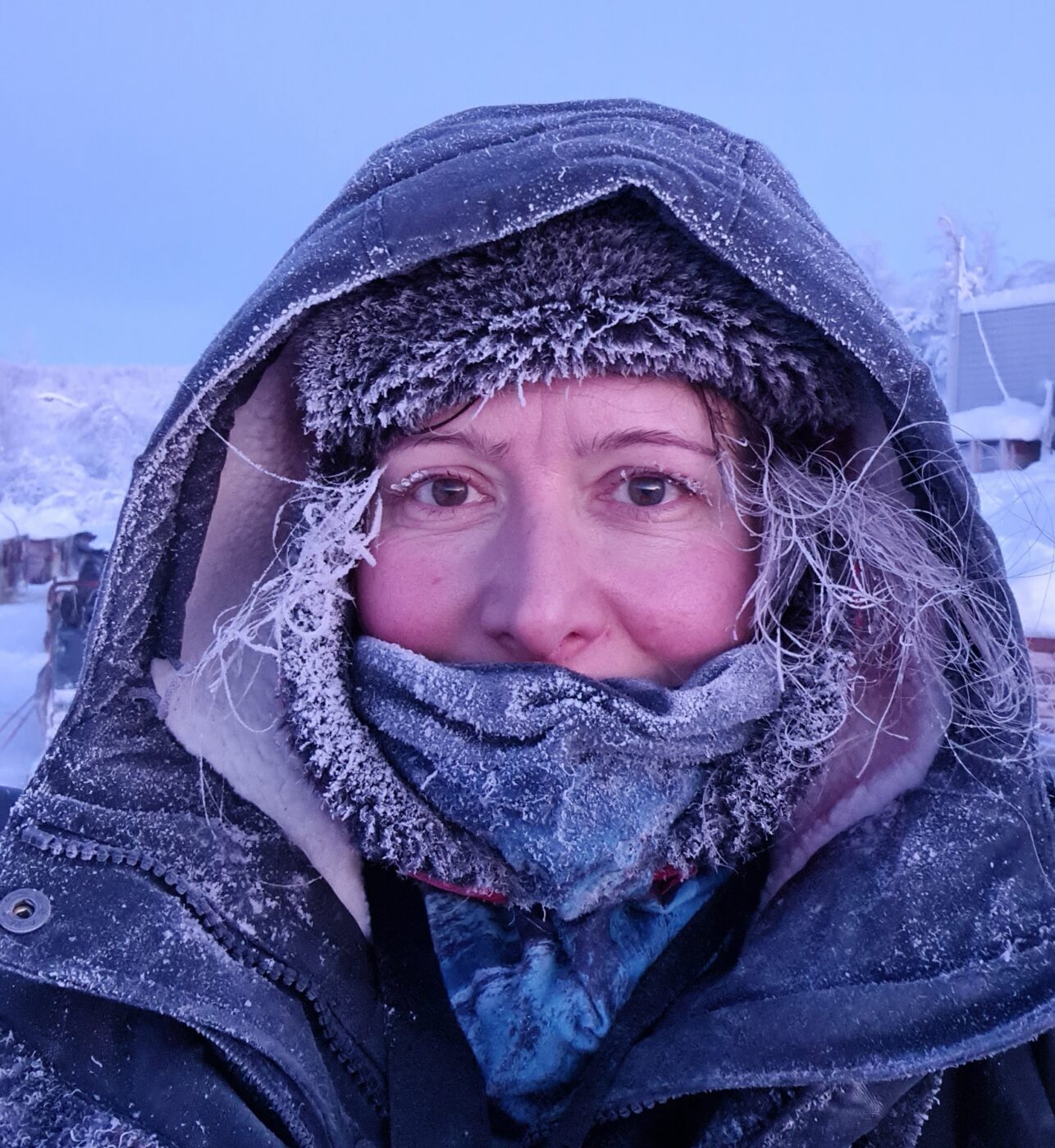
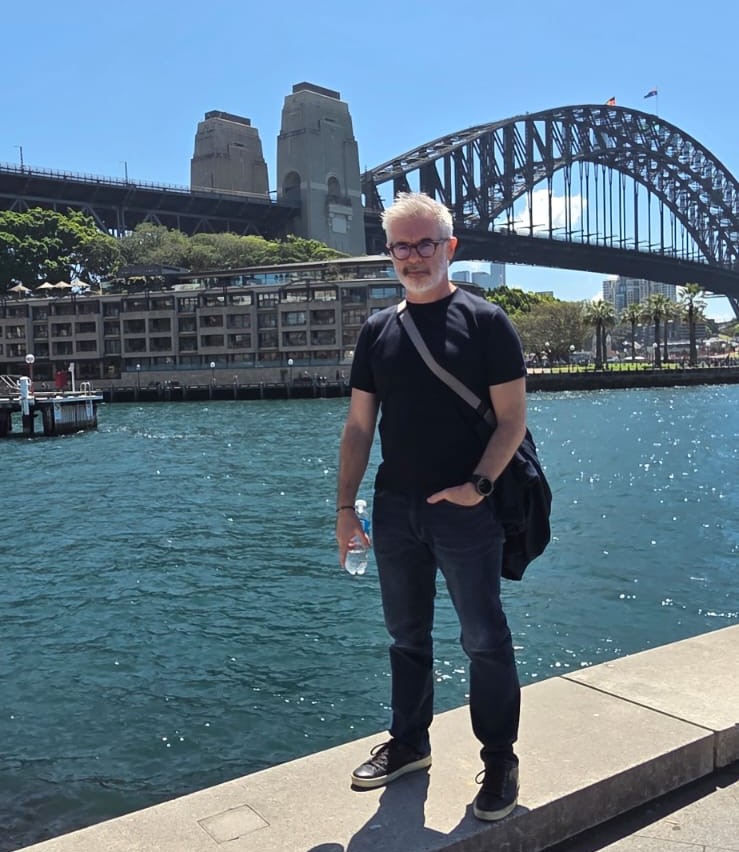


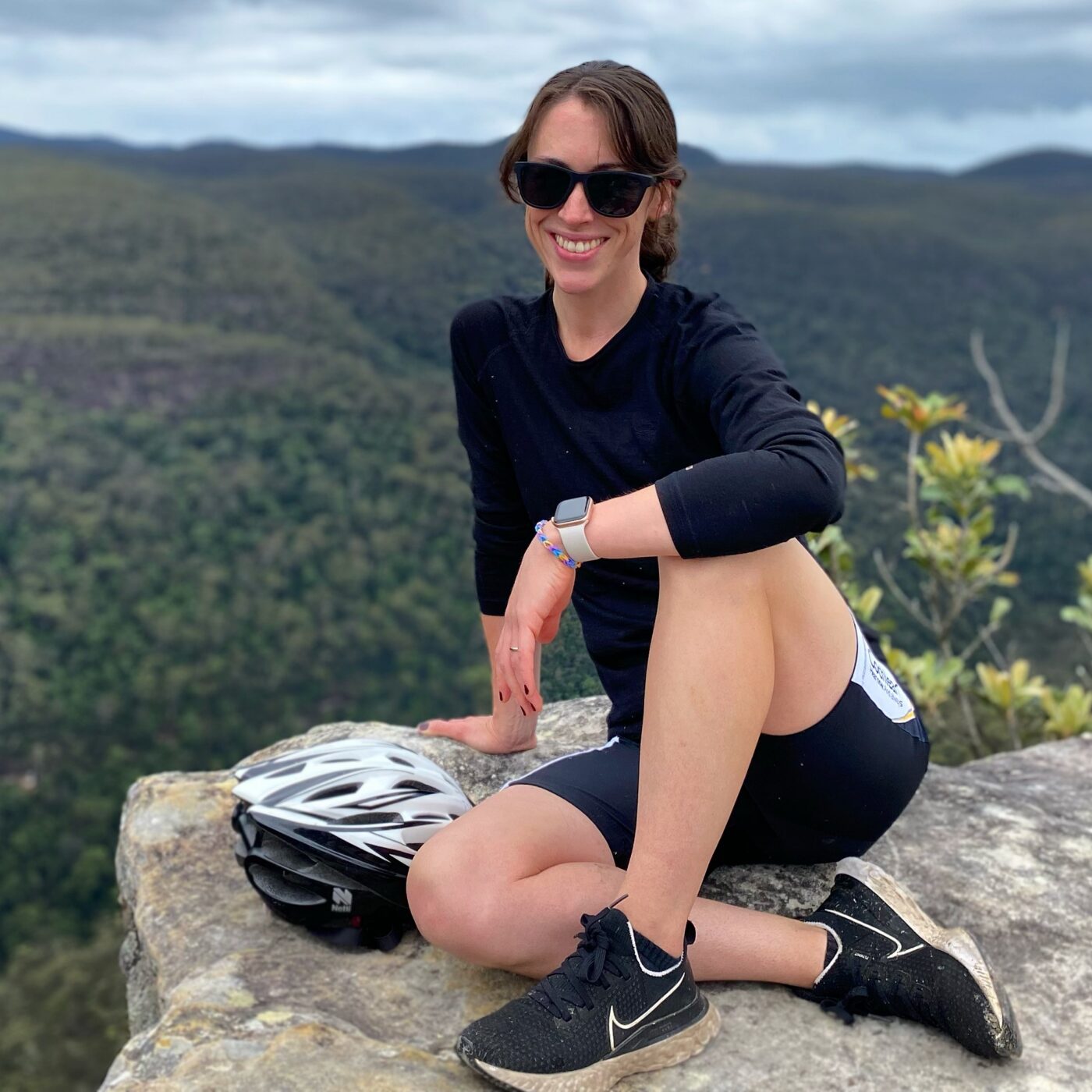






 Order a Search Now