Philip Cupitt is a patent attorney at Marks & Clerk whose work spans engineering, software, telecommunications, medical devices and artificial intelligence. From the value of rigorous patent searching to the evolving role of AI, Philip believes technology can enhance the profession, but human understanding, judgement and communication remain fundamental. Quick Profile Name: Philip CupittRole: Partner, […]
14th October 2026
Philip Cupitt is a patent attorney at Marks & Clerk whose work spans engineering, software, telecommunications, medical devices and artificial intelligence. From the value of rigorous patent searching to the evolving role of AI, Philip believes technology can enhance the profession, but human understanding, judgement and communication remain fundamental.
Quick Profile
Name:Philip Cupitt Role: Partner, Patent Attorney & UPC Representative Firm / organisation:Marks & Clerk Location: Birmingham, UK Areas of expertise: Patents, software, telecommunications, artificial intelligence, medical devices, electronics, mechanical engineering, standard essential patents, freedom to operate and EPO oppositions
Finding a career at the intersection of technology and law
Philip’s route into intellectual property was more accidental than planned. After completing his PhD in 2002, he was considering a range of career options when he came across a somewhat mysterious advertisement for a “graduate trainee”. The recruiter behind it was working on behalf of several patent attorney firms, and once Philip learned what the profession involved, it immediately appealed to two longstanding interests. “I obviously liked technology. I studied engineering and I’ve always been interested in technology, but I had also thought earlier about doing a law degree.” Patent law offered an opportunity to bring the two together.
More than two decades later, it is the constant exposure to new ideas that continues to make the profession interesting. Philip is fascinated by how things work, whether that means understanding software, an electrical product or a mechanical device, and patent work provides an almost endless supply of technologies to investigate. “There’s a never-ending flow of new technologies to learn about and understand.”
That breadth is particularly evident in his work across fields such as telecommunications and medical technology. His interest in the latter began early: Philip’s mother was a radiographer and explained radiography to him when he was young, while his PhD also had links to medicine. Telecommunications offers a different example of technological complexity. A device as familiar as a mobile phone brings together huge numbers of innovations and patents, from communications technologies to hardware. For Philip, gaining an understanding of what is happening behind technology that most of us simply take for granted remains one of the most rewarding aspects of the job.
Making patent advice understandable
Technical knowledge is only part of being an effective patent attorney. One of the biggest lessons Philip has learned during his career is the importance of communicating outside what he calls the “patent bubble”. Advice written in the language best suited to a patent office may make perfect sense to another attorney, but it may be far less useful to an inventor or business leader trying to make a commercial decision. “The key to everything is trying to explain things in a way that someone outside the patent bubble can understand.”
For Philip, clients should understand not only what their attorney is doing, but why. That means clearly explaining the available options and, where appropriate, being prepared to recommend a course of action rather than simply presenting a list of possibilities. He returns to this point when considering what distinguishes genuinely useful legal advice from advice that is technically excellent but difficult to apply. The best advice, he believes, should be easy for the client to understand and digest, and attorneys should also be prepared to “get off the fence” and say what they would do if they were in the client’s shoes. Ultimately, the purpose is to give clients enough clear information and guidance to make better decisions.
Why searching matters before decisions are made
Patent searching is one area where Philip sees considerable value in getting the right information at the right stage. For patentability, he believes businesses and inventors should understand the prior art before committing to the cost of filing and pursuing a patent application. Preparing an application is only the beginning of that investment: prosecution and, eventually, maintaining granted rights all have associated costs. A good understanding of the prior art can therefore help a business assess both the likely scope of protection and whether proceeding makes commercial sense.
It can also improve the resulting application. Once the relevant prior art is understood, an attorney can take it into account when drafting, which Philip believes can lead to a more focused application that is better prepared for examination and potential future challenges. Freedom to operate searching is equally important. “Businesses shouldn’t just launch products without having undertaken their due diligence to know what the patent risks are.” That applies not only to launching a new product, but also when taking an existing product into a new market. Identifying potential risks earlier can help a business make informed decisions rather than encounter an unwelcome problem after significant investment has already been made.
For Philip, however, the quality of a patent search cannot be measured simply by the number of documents returned. The searcher needs to understand the brief, the technology and where to look, and just as importantly, they need to recognise which results are genuinely relevant. “You can tell quite easily when looking at a patent search whether or not you think the searcher has understood what they’re looking for and looked in the right places.”
It is an area where he specifically values experienced search professionals. Philip says that when he asks PatWorld to carry out searches, he trusts the analysts to understand the brief, apply an appropriate strategy and surface the most relevant documents. That makes the results more useful because an attorney is not left working through large volumes of material with little relevance to the question being asked.
As search technology continues to develop, Philip also sees opportunities for AI to support experienced searchers, particularly when dealing with very large volumes of patent information or language barriers. However, he believes the human element remains central: understanding the invention, developing the right strategy and recognising what is genuinely relevant all depend on technical knowledge and professional judgement.
AI and the changing IP profession
Philip has been considering AI’s impact on the IP profession for several years. In 2019, he wrote about how the technology might develop, and one of the biggest changes since then has been the emergence of highly capable general-purpose AI tools.
He had expected much of the development to come through specialist patent-specific systems but has been surprised by how useful general-purpose tools can be in supporting aspects of patent work. That does not diminish the role of specialist technology; instead, it has broadened the range of tools available to professionals. Philip also highlights security as an increasingly important consideration when deciding which systems can appropriately be used for confidential work.
Looking ahead, Philip sees the most effective model as one in which AI supports professionals rather than replaces them.
“What I think is effective is to have humans being assisted by AI rather than being replaced by AI.”
AI may help reduce the time spent on certain tasks, allowing attorneys to focus more attention on judgement, strategy and client communication. For Philip, however, the human relationship remains fundamental: businesses are run by people, and the most meaningful interactions still come from people communicating directly with one another.
Protecting innovation in the age of AI
AI presents another challenge for Philip in his work: protecting AI-related inventions themselves. One difficulty is the age of the legal framework. UK and European patent law was developed at a time when today’s computing capabilities would have been difficult to imagine, and as a result Philip believes AI innovations can face obstacles to patent protection that do not necessarily apply in the same way to inventions in other technical fields.
He would like to see the law evolve, but recognises the difficulty of legislating for technology that is moving so quickly. Changes made today could themselves become outdated as AI develops. It is a delicate balance: creating a framework capable of protecting modern innovation without introducing hastily drafted rules that create fresh problems in the future.
Life beyond patents: family, guitars and rediscovering the 1980s
Away from work, family life takes priority. Philip enjoys spending time with his two children, whether that means taking them out, watching films together or simply playing video games. He has also been introducing his seven-year-old son to television from his own childhood, with Knight Rider among their recent choices. Philip admits that some elements have dated better than others, although the programme still holds up surprisingly well.
Music is another longstanding interest. Philip has played guitar for most of his life and, as his children have grown a little older, he has found more time to return to it. Rock and indie feature heavily, but his tastes are broadening again as he rediscovers music from his childhood, including some songs that might once have been considered embarrassing by his teenage self. “Wham is one example that I’m willing to admit to.” Listening again decades later, he has found that much of the music has stood the test of time.
His favourite guitar at the moment is a PRS, an instrument he had wanted since seeing one in a guitar-history book as a teenager. Earlier this year, he finally bought one.
Interestingly, Philip does not think being a guitarist has particularly changed how he approaches intellectual property. Instead, the influence has worked in the opposite direction: being a patent attorney has changed the way he looks at guitars. Patent records can reveal the stories behind familiar instruments and technology, including the inventors involved, the innovations that succeeded and those that did not. “It’s really intriguing to look at guitar technology through the lens of a patent attorney.” Philip is now working on a website that he hopes will eventually bring some of those stories together.
If money were no object, however, his dream instrument would have less to do with patent history and more to do with musical history. A guitar once owned by a member of The Beatles would be difficult to beat. For Philip, their importance lies not in individual virtuosity but in the enormous influence the band had on the music that followed.
Keeping judgement at the centre
Philip’s career may have begun almost by chance, but a consistent thread now runs through his work: curiosity about how things work and a determination to help people make sense of complexity. Whether the subject is a new invention, a patent search or the role of AI, his perspective remains grounded in the value of human understanding, using technology where it helps, while keeping judgement, communication and commercial insight at the centre of the process.
Meet the IP Professional is a PatWorld interview series exploring the people and perspectives shaping the intellectual property profession. Discover more interviews in theMeet the IP Professional hub, and find out more about PatWorld, a global IP search provider working with IP professionals worldwide to support informed patent, design and trade mark decisions, on ourAbout Us page.
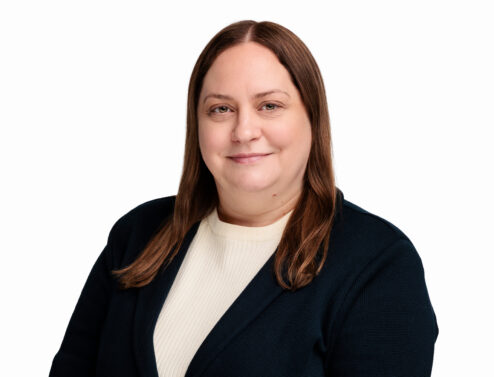
Pamela Bryer is a Partner and Patent Attorney at Marks & Clerk, based in Edinburgh. With a background in physics and photonics, she specialises in supporting innovation across emerging technologies, with a particular focus on design protection and the strategic use of intellectual property in fast-moving sectors. Name: Pamela BryerRole: Partner and Patent AttorneyFirm: Marks […]
22nd April 2026
Pamela Bryer is a Partner and Patent Attorney at Marks & Clerk, based in Edinburgh. With a background in physics and photonics, she specialises in supporting innovation across emerging technologies, with a particular focus on design protection and the strategic use of intellectual property in fast-moving sectors.
Name:Pamela Bryer Role: Partner and Patent Attorney Firm:Marks & Clerk Location: Edinburgh, UK Areas of expertise: Patent and design protection, emerging technologies, IP strategy
From research to intellectual property
Pamela’s path into intellectual property began during her studies in physics and photonics at the University of St Andrews. Initially considering a career in research, she joined Marconi to work on tunable lasers for telecommunications systems.
However, she quickly realised that specialising in a single technology was not the right fit. Instead, she was drawn to the broader perspective offered by intellectual property.
“I didn’t necessarily want to know everything about one specific device. I’d much rather understand a wider range of technologies and how they work.”
Her exposure to patent strategy during this time, particularly designing around existing patents, sparked a lasting interest in the field.
A collaborative approach to innovation
At Marks & Clerk, Pamela values the firm’s collaborative and forward-thinking culture. She highlights the importance of working across disciplines and supporting both clients and colleagues.
“There’s always someone willing to listen, share ideas and help you think through problems in a different way,” she explains.
This collaborative environment allows her to work closely with clients, not only understanding the legal aspects of their innovations but also the commercial and technological context behind them.
Curiosity driving expertise
Pamela’s work spans a wide range of technologies, including AI, medtech and connectivity. Her interest in these areas is driven by curiosity and their real-world impact.
“What excites me most are technologies sitting at the intersection of innovation and impact,” she says.
From a patent perspective, these technologies present both opportunities and challenges. They often evolve rapidly and cross traditional boundaries, requiring flexible and forward-thinking protection strategies.
The strategic value of design protection
A key area of Pamela’s expertise is design protection, which she sees as central to product success.
“Design sits at the intersection of technology, usability, branding and customer experience,” she explains.
She believes that design rights can provide a valuable additional layer of protection, particularly in fast-moving sectors where user experience and product differentiation are critical.
Clients, however, often face challenges in deciding how and when to protect their innovations. With rapid development cycles and evolving technologies, early decisions must be made with limited information.
Pamela advises a proactive, portfolio-based approach, aligning patent and design strategies with product development to maximise long-term value.
Supporting innovation through diversity and collaboration
Pamela is a strong advocate for diversity and inclusion within the IP profession. She believes that a broader range of perspectives leads to better outcomes for both clients and innovation.
“Innovation itself is inherently diverse,” she notes, emphasising that different viewpoints help ensure that technologies are understood in their full context.
Her approach to mentorship reflects this belief. Having benefited from supportive mentors throughout her career, she now focuses on helping others build confidence and navigate what can be a complex profession.
“I try to be approachable and encouraging… supporting the next generation is one of the most rewarding parts of my role.”
Turning ideas into valuable IP
Working closely with clients is central to Pamela’s approach. She begins by understanding their objectives and the problems their technology solves.
“It’s about translating complex ideas into an appropriate combination of IP protection that is robust but also commercially meaningful,” she explains.
By distilling inventions down to their core concepts and aligning protection strategies with business goals, she helps clients create IP that supports growth, investment and long-term innovation.
Looking ahead: evolving technologies and IP practice
Pamela is particularly interested in developments in design law, including current reform in the EU and proposed reform in the UK. Some of these changes aim to better accommodate digital and dynamic designs, reflecting the evolving nature of modern products.
She also sees the integration of artificial intelligence within IP practice as both a challenge and an opportunity.
“We need to think about how to responsibly incorporate AI into our daily practice to produce better outcomes for clients,” she says.
Outside the office
Outside of work, Pamela enjoys activities that provide a different kind of mental challenge or allow her to switch off completely. Travel and photography are key interests, alongside quizzes, board games and time spent with family.
She also enjoys exploring new places and restaurants, and walking remains a favourite way to unwind. Close to home, Arthur’s Seat in Edinburgh is a regular destination, offering views across the city and coastline.
Further afield, she has completed a 500-mile section of the Appalachian Trail — an experience she describes as unforgettable.
One of her favourite travel destinations is Hoi An in Vietnam, a UNESCO World Heritage Site known for its historic architecture and vibrant food scene. It’s a place she particularly enjoys for its atmosphere, culture and distinctive character.
A balanced perspective on innovation
Reflecting on her career, Pamela emphasises the importance of curiosity, collaboration and adaptability. As technologies continue to evolve, she believes the role of IP professionals will become even more strategic. By combining technical understanding with commercial insight, they can help shape how innovation is protected and brought to market.
Her advice is simple: stay curious, remain open to new ideas, and never underestimate the value of collaboration in solving complex problems.
Pamela and members of the Marks & Clerk team will be in London for the International Trademark Association (INTA) Annual Meeting this May. If you’re also planning to be there and would like to connect, feel free to get in touch to arrange a meeting.
Meet the IP Professional is a PatWorld interview series exploring the people and perspectives shaping the intellectual property profession. Discover more interviews in the Meet the IP Professional hub, and find out more about PatWorld — a global IP search provider working with IP professionals worldwide to support informed patent, design and trade mark decisions — on our About Us page.
From diagnostics to cannabis-based therapeutics, Sophie Topham’s career in biotech patent law has been anything but predictable. A Senior Associate in the biotechnology team at Marks & Clerk, Sophie’s calm, analytical approach is matched by a refreshing curiosity—qualities that have made her an invaluable asset to clients and colleagues alike. We caught up with her […]
9th July 2025
From diagnostics to cannabis-based therapeutics, Sophie Topham’s career in biotech patent law has been anything but predictable. A Senior Associate in the biotechnology team at Marks & Clerk, Sophie’s calm, analytical approach is matched by a refreshing curiosity—qualities that have made her an invaluable asset to clients and colleagues alike. We caught up with her to hear about her work, career path, and the rare case that led to one of her most widely read articles.
From Immunology to Innovation
Sophie’s current docket spans a broad range of biotechnology innovations. While she regularly works with immunology-based diagnostics and oncology-related inventions (including peptide vaccines and tools for identifying oncogenic mutations), her work is as diverse as the biotech field itself.
“Over the last few years, I’ve also worked in the cannabis field, particularly with extracts and synthetic cannabinoids for medical uses,” she explains. “And more recently, I’ve seen an increase in devices—some that resemble ELISAs on a chip, others that use antibodies in more novel ways.”
Despite the increasing overlap between biotech and AI, Sophie admits she still has a soft spot for what she calls “pure biology.” “As a biologist by training, those are the ones I find the most intuitive to work with.”
A Curious Case of Prior Art
In 2024, Sophie penned an article about an unusual and educational experience: having a client’s own clinical trial proposal cited as prior art against their European patent. It was the first time she’d encountered such a scenario—and it proved just as useful for the IP community as it did for her personally.
“Opponents in an EPO opposition cited the client’s trial proposal, which we hadn’t seen before due to a team change on the client’s side,” she recalls. “I had to dig into the case law to understand how such documents are interpreted, especially regarding whether the invention was truly disclosed.”
The case raised interesting questions around whether and how other documents—such as scientific publications—can be used to interpret clinical trial proposals, and how that squares with the EPO’s guidelines.
Understanding the Unusual
Sophie is quick to point out that having clinical trial proposals cited as prior art is still uncommon. “Patent applications in biotech typically don’t require clinical data to be granted. In vitro data is often sufficient for meeting plausibility requirements, so most companies file before trials begin,” she says.
Still, her experience highlighted how easy it is for assumptions to trip up even the most diligent teams. “We’ve seen clients express genuine surprise that their own publications can be cited against them—especially in Europe where there’s no grace period.”
The Route Not Taken
Like many in the IP profession, Sophie’s path wasn’t a straight line. “I originally wanted to be an airline pilot,” she laughs. “But when airlines stopped sponsoring training, the cost became unrealistic. Then I remembered a careers talk we had at university about being a patent attorney. I looked into it, and here I am.”
With a background in biological natural sciences from Cambridge, Sophie’s analytical mindset found a perfect home in IP law. She’s since seen applications through from drafting to grant, oppositions, and even appeals.
“Seeing something I’ve written be granted—and knowing I helped a startup gain recognition through their patent—those are the highlights,” she says.
Life Outside the Office
When she’s not deep in a patent claim, Sophie is rarely still. “I always try to move—walk, cycle, yoga, strength training. Even when working from home, I’ll build exercise into my day.” She’s part of a cycling club and makes time for a proper lunch break most days—usually with some kind of movement.
Evenings are more relaxed: cooking from scratch, reading anything from spy novels to translated Japanese fiction, and planning her next getaway. This summer, she’ll finally fulfil a childhood dream—horse riding along the beaches of Morocco with her twin sister.
If Only There Were More Hours…
When asked which fictional invention she’d most like to patent, Sophie doesn’t hesitate: “Hermione Granger’s Time-Turner. I’d love more hours in the day. If I knew how it worked, I’d make one!”
With her blend of sharp legal insight and grounded, genuine enthusiasm for the science behind the patents, Sophie brings a distinct human touch to biotech IP. Whether she’s tackling tricky prior art or galloping down a Moroccan beach, she’s doing it with purpose and passion.
Marks & Clerk is a leading international firm of intellectual property experts, providing comprehensive patent, trade mark, design, and litigation services. With a global presence and deep sector knowledge, Marks & Clerk supports innovative companies from startups to multinationals in protecting and leveraging their IP assets.
How PatWorld Supports Biotech Innovators
At PatWorld, we help biotech companies, attorneys, and researchers access fast, reliable, and intuitive global patent search tools. Our advanced search and analytics features enable professionals like Sophie to:
Southeast Asia is emerging as a key player in global manufacturing and innovation, making intellectual property (IP) protection more crucial than ever. In this edition of ‘Meet the IP Professional’, we sit down with James Kinnaird, a Partner at Marks & Clerk Singapore LLP, to discuss the evolving IP landscape in the region, the challenges […]
25th March 2025
Southeast Asia is emerging as a key player in global manufacturing and innovation, making intellectual property (IP) protection more crucial than ever. In this edition of ‘Meet the IP Professional’, we sit down with James Kinnaird, a Partner at Marks & Clerk Singapore LLP, to discuss the evolving IP landscape in the region, the challenges faced by regional businesses, and strategic insights for companies looking to innovate or manufacture in this dynamic market.
From Research to IP Law: James Kinnaird’s Journey
James Kinnaird’s career in IP law began with a shift from scientific research. After completing a Ph.D. in the UK and postdoctoral studies in the U.S., he worked in the pharmaceutical sector but soon found himself drawn to a career that would allow him to engage with a broader range of innovations.
“I enjoyed research, but I was also keen to explore a role where I could see a wider variety of cutting-edge technologies without being limited to a single project or field,” he explains. “IP law provided the perfect combination of scientific insight and strategic thinking.”
His decision to move to Singapore was both personal and professional. With its unique blend of Western and Asian influences, it was an ideal location for his family. Professionally, the region’s rapid economic growth and expanding middle class presented an exciting opportunity to work with businesses looking to protect and commercialize their innovations.
Why Southeast Asia Matters for IP Protection
Many businesses outside the region overlook Southeast Asia when considering IP protection. However, James emphasizes that ignoring this market is a missed opportunity.
Southeast Asia is home to four of the “Mighty Five” (Malaysia, Indonesia, Thailand, and Vietnam) – countries identified as key destinations for global manufacturing and innovation. With rapid economic development, growing middle-class consumers, and an increasing shift of production away from China, the region presents immense commercial potential.
“By 2030, ASEAN’s population is projected to reach 723 million, with 70% classified as middle class,” James notes. “Companies must plan their IP strategy with this long-term growth in mind, much like how businesses planned for the rise of China and India 10-15 years ago.”
Challenges for Regional Companies Moving Beyond Suppliers
For many Southeast Asian businesses, the challenge isn’t just protecting their innovations but transitioning from being simple suppliers to global players.
James explains a common scenario: A brand approaches a supplier with a problem, the supplier finds a solution, but ultimately, the brand claims ownership of the IP, leaving the supplier with no manufacturing guarantees.
To counter this, he advises companies to take a proactive approach to innovation:
File patents before engaging with brands – This ensures ownership of key technologies and prevents brands from taking IP elsewhere.
Leverage IP for negotiation power – Patents allow suppliers to dictate terms rather than being at the mercy of brand decisions.
Consider licensing deals – If a supplier lacks manufacturing capacity, licensing can open new revenue streams.
This shift in mindset can transform businesses from mere service providers to essential partners in the global supply chain.
The Role of IP in Business Strategy
Building a strong IP portfolio isn’t just about patents. Businesses need a comprehensive strategy that aligns with their long-term goals. James highlights key considerations:
Business-to-business vs. business-to-consumer – Companies need to balance patents with trademark protection, particularly if building a recognizable brand.
Trade secrets management – Many businesses underestimate the importance of protecting trade secrets, including ensuring that employees leaving the company don’t share proprietary knowledge.
Choosing where to file – Filing patents everywhere can be costly. Instead, James suggests focusing on:
Key markets for sales
Countries with robust IP enforcement
Major manufacturing hubs to prevent IP theft
Lessons from the Region: Effective IP Strategies
A strong example of a Southeast Asian company growing into a global player is Thai Union, the Thai seafood giant that owns brands such as John West. While its expansion has been driven primarily by acquisitions rather than IP, the company’s strategy demonstrates how regional firms can scale internationally by leveraging branding, supply chain strength, and market positioning.
Another approach that has worked well in the region is establishing start-up-style subsidiaries. Large Southeast Asian conglomerates have begun experimenting with direct-to-consumer brands, securing patents early to lock in exclusivity and drive market growth.
Preparing for the Future of IP in Southeast Asia
Looking ahead, James sees IP protection becoming even more critical as Southeast Asia cements itself as a global innovation hub. However, he warns that companies must think regionally, not just locally.
“For example, if you secure your IP in Singapore but ignore other ASEAN countries, you risk facing copycats,” he says. “We’ve seen companies attend a trade show in Singapore, only to discover years later that a competitor in the Philippines has copied their brand and products entirely.”
James predicts that while ASEAN is unlikely to have a unified patent system (like the European Patent Office) anytime soon, companies must work with local experts to navigate the diverse legal landscape effectively.
A Passion for Travel and Creativity
When he’s not navigating the complexities of IP law, James enjoys exploring Southeast Asia’s diverse cultures. Living in Singapore provides the perfect base for travel, and over the years, he has visited destinations across Thailand, Malaysia, Japan, Indonesia, and beyond. One of his favourite trips involved visiting Japan’s ancient city of Kyoto, known for its stunning temples and vibrant history.
Closer to home, James also enjoys a more creative pursuit—miniature painting. A hobby that requires patience and precision, he finds painting miniatures to be a relaxing counterbalance to his professional life. Encouraging creativity within his family, he spends time painting alongside his young daughters, who have developed their own artistic talents. “My six-year-old has already started creating anime-style drawings,” he says proudly.
How Marks & Clerk Supports Companies in Southeast Asia
Marks & Clerk Singapore LLP has been at the forefront of IP protection in the region for over 30 years, supporting both local and international clients with:
Patent drafting and prosecution
Freedom to operate analysis and infringement advice
Litigation support and trade mark enforcement
IP due diligence and training programmes
Regional IP strategy development across ASEAN
With deep expertise in the Southeast Asian market and strong relationships with trusted local firms, Marks & Clerk helps businesses navigate the complexities of regional IP laws.
For more information on how Marks & Clerk can support your IP strategy, visit Marks & Clerk Singapore.
To connect with James Kinnaird, reach out via LinkedIn.
Postscript: Understanding the Mighty Five and ASEAN
For those unfamiliar with the terms referenced in this article:
The Mighty Five (MITI-V): This refers to five countries – Malaysia, Indonesia, Thailand, India, and Vietnam – identified as emerging manufacturing powerhouses. The term is inspired by earlier economic groupings like BRICS (Brazil, Russia, India, China, and South Africa). These countries are seen as the next major destinations for global manufacturing, particularly as businesses look to diversify supply chains beyond China.
ASEAN (Association of Southeast Asian Nations): A regional intergovernmental organisation comprising ten Southeast Asian countries: Brunei, Cambodia, Indonesia, Laos, Malaysia, Myanmar, the Philippines, Singapore, Thailand, and Vietnam. ASEAN promotes economic growth, political stability, and trade collaboration among its member states. With a combined population larger than the European Union, ASEAN is rapidly becoming one of the world’s most significant economic regions.
Understanding these economic blocks is crucial for businesses looking to expand manufacturing operations or protect intellectual property in Southeast Asia.
How PatWorld Supports IP Professionals
At PatWorld, we understand the importance of precision and insight in IP research and analysis. We are proud to support professionals like James Kinnaird with our expert patent search services, helping firms make informed decisions with confidence. Whether you require a freedom-to-operate search, prior art search, or competitor analysis, PatWorld’s experienced team is here to assist. Find out more and order a search at https://patworld.com/gb/order-a-search/.
PatWorld is committed to spotlighting the professionals shaping the future of intellectual property. Stay tuned for more insights from industry leaders.
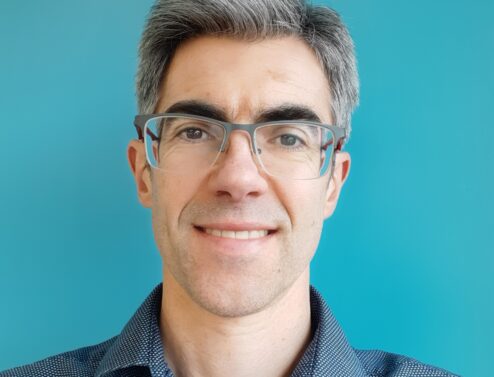
Yann Robin, is a Principal Associate and Patent Attorney at Marks & Clerk. With a career spanning over 17 years, Yann has built a reputation for his meticulous approach to intellectual property, combining technical expertise with a deep understanding of client needs. We spoke to Yann about his journey through triathlons, chemistry and patents, the […]
20th February 2025
Yann Robin, is a Principal Associate and Patent Attorney at Marks & Clerk. With a career spanning over 17 years, Yann has built a reputation for his meticulous approach to intellectual property, combining technical expertise with a deep understanding of client needs. We spoke to Yann about his journey through triathlons, chemistry and patents, the evolving role of foreign languages in patent law, and the importance of tailoring IP strategies to meet diverse client priorities.
Falling into IP: Yann’s Unexpected Path
Unlike some who enter the IP profession with a clear vision, Yann’s path was more serendipitous. After completing his postgraduate studies at the University of Strathclyde, Yann began his career at Thomson Derwent, working on patent classification tools. His work involved assigning codes to patents, particularly in the field of chemistry and polymers. This experience sparked his interest in patents and naturally led him to pursue a career as a patent attorney.
“I didn’t have a lifelong ambition to work in IP; I simply followed the opportunities my career presented,” Yann reflects. “But I’m glad I did. It’s a fascinating and rewarding field.”
The Power of Languages in IP Practice
As a native French speaker, Yann’s language skills have long been an asset in his practice. When he started in the profession in 2007, proficiency in a second language—particularly one of the EPO’s official languages—was highly valued. This was because access to machine-generated English translations was not as widespread as it is today.
While machine translation tools have advanced dramatically, Yann highlights that fluency in foreign languages remains invaluable in certain circumstances. “There are still instances where a precise understanding of a foreign language is essential,” he explains. For example, a recent freedom-to-operate analysis required Yann to review a French competitor’s EP patent and the associated French prior art. In this case, subtle linguistic nuances in the claims and prior art documents meant machine translations could not be solely relied upon. Yann’s fluency in French allowed him to provide his client with the clarity needed to make a sound commercial decision.
Although machine translations will likely continue to improve, Yann believes there will always be circumstances where working with the original language is indispensable. The subtleties of technical and legal terms often defy perfect translation, making human expertise a necessity.
Tailoring IP Strategies to Diverse Client Needs
Yann’s client base is diverse, ranging from individual innovators and start-ups to SMEs and multinational corporations. This breadth of experience has reinforced his belief that no two clients are the same. “The most critical point is to first understand the client’s situation and commercial goals, both short-term and long-term,” he says.
He recalls a client, a local SME specialising in cancer diagnostics, who successfully secured a significant round of funding. Their robust patent portfolio, developed with Yann’s guidance over a decade, played a key role in this achievement. This example underscores the importance of aligning IP strategy with a company’s growth trajectory and commercial objectives.
Yann emphasises that budget constraints often shape the IP strategies of start-ups and SMEs. He and his team at Marks & Clerk address this by offering tailored solutions, including a dedicated Start-up Offering and access to IP Audits to help businesses get a cost-effective start on their IP journey.
Sustainable Innovation: A Personal and Professional Interest
Sustainability is a growing area of importance in IP. I find it exciting both technologically and because it aligns with my belief that we need to find solutions to the environmental challenges we face.
Combining his professional expertise with personal values, Yann is actively involved in Marks & Clerk’s Sustainable Materials Group. This initiative focuses on supporting clients developing eco-friendly and innovative materials. “Sustainability is a growing area of importance in IP,” Yann explains. “I find it exciting both technologically and because it aligns with my belief that we need to find solutions to the environmental challenges we face.”
Building Long-Term Relationships
For Yann, building trusted, long-term relationships with clients is fundamental. “Our job is to advise as best we can, and that means understanding the people behind the businesses,” he notes. Regular dialogue and staying attuned to a client’s evolving needs enable him to deliver advice that is not only legally sound but also commercially practical.
Advice for Aspiring IP Professionals
For those considering a career in intellectual property, Yann offers honest and practical advice: “Be patient and stay humble. It takes time to develop the technical, legal, and client-facing skills needed to become truly independent as a patent attorney. You may come into the profession with an impressive academic background, but you’ll need to embrace the learning process, sometimes at a pace which may feel frustratingly slow”
Beyond the Office: Triathlons, Trail Runs, and Outdoor Adventures
Away from the world of patents, Yann is a passionate outdoor enthusiast. He enjoys trail running, cycling, open-water swimming, and competing in triathlons. “I’ve been doing triathlons for almost 10 years now,” Yann shares. “Like most people who dip into that world later in life, I started with shorter distances like Sprint or Olympic, then moved on to longer distances. I tend to do a couple of events a year. I completed my first Ironman distance last summer in Northumberland, finishing an unexpected third overall. One of the most unusual events I did was a half-ironman night race near Aviemore, starting at midnight with a swim in Loch Morlich in complete darkness, followed by biking through the night and running up Cairn Gorm at sunrise—a truly unique experience!”
He also has a lesser-known trait—a photic sneeze reflex. “I sneeze when I look at bright sunlight,” he laughs. “Apparently, it affects around 20% of people, but it still surprises my colleagues!”
Looking to the Future
Yann predicts that while machine translation tools will continue to improve, the need for human linguistic and cultural understanding will persist. The nuances of IP law and the complexity of technical inventions will always require the expertise of a skilled professional who can interpret beyond the limitations of automated tools.
At PatWorld, we understand the importance of precision and insight in IP research and analysis. We are proud to support professionals like Yann Robin with our expert patent search services, helping firms make informed decisions with confidence. Whether you require a freedom-to-operate search, prior art search, or competitor analysis, PatWorld’s experienced team is here to assist. Find out more and order a search at https://patworld.com/gb/order-a-search/.
PatWorld is committed to spotlighting the professionals shaping the future of intellectual property. Stay tuned for more insights from industry leaders.
PatWorld Global IP Research Services
Patent, Design, and Trademark Research Experts with a combined experience of over 200 years in Intellectual Property searching. Highly trained, dynamic in-house research teams specialising in a wide range of subject matter. All our analysts follow a training program developed by former IPO Examiners. Our teams are available to discuss any specific technical points regarding your search enquiries.










 Order a Search Now