Ask Jason Boakes what has changed most during his career and his answer might surprise you. While technologies, industries and client expectations continue to evolve, he believes the qualities that define an excellent patent attorney have remained remarkably consistent. As a Partner and co-founder of Secerna LLP, he has built his career around technical excellence, […]
15th July 2026
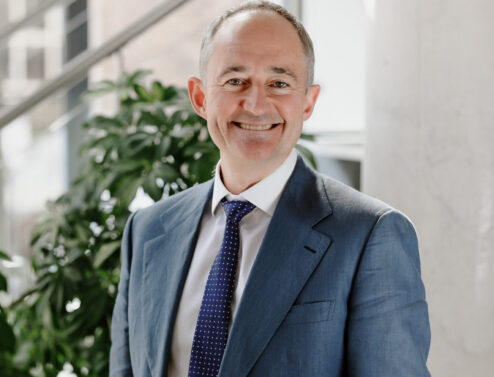
Ask Jason Boakes what has changed most during his career and his answer might surprise you. While technologies, industries and client expectations continue to evolve, he believes the qualities that define an excellent patent attorney have remained remarkably consistent. As a Partner and co-founder of Secerna LLP, he has built his career around technical excellence, trusted relationships and honest advice, principles he believes remain at the heart of effective patent practice.
Quick Profile
Name: Jason Boakes Role: Partner Firm: Secerna LLP Location: York, United Kingdom Areas of expertise: Patent drafting and prosecution, IP strategy, contentious patent matters, business leadership, mentoring and client relationship management.
Discovering a profession he never planned to join
Like many patent attorneys, Jason’s route into intellectual property began through curiosity rather than a carefully mapped career plan. Sponsored by Pilkington Glass during his science studies, he encountered an in-house patent team and discovered a profession that combined science, law and commercial problem-solving.
After training with Page White & Farrer in London, two decisions shaped his career. The first was returning to his native Yorkshire. The second, and perhaps the defining moment of his career, came years later when he left his role as an equity partner at HGF to establish Secerna alongside his business partner, Charlotte. Building a new firm brought into focus the challenges and responsibilities Equity partners in independent firms face, namely business leadership and management alongside technical client work.
More than a patent attorney
Jason is keen to distinguish between being a patent attorney and being an equity partner.
While the technical work remains central to his role, leading an independent practice requires balancing many different responsibilities. Alongside client work, he is responsible for helping shape the firm’s direction, supporting its people and ensuring the business continues to grow sustainably.
“We manage the functioning of the firm, what its priorities are and the tone that we want to set for the business,” he explains.
His role combines technical patent work with mentoring colleagues, developing international client relationships and helping shape the future direction of the business. That variety is one of the aspects he enjoys most.
Despite the variety, Jason remains closely connected to the technical work that first attracted him to the profession.
“If you found a firm, it is because you probably love what you do,” he says. “And I am no exception.”
Rather than viewing work as something to endure before life begins, he sees it as an opportunity for continual learning, challenge and personal growth.
That enthusiasm continues to shape the way he approaches both leadership and client service.
Why the fundamentals still matter
The original theme of our conversation centred on the evolving role of the patent attorney. Interestingly, Jason challenges the premise itself.
While acknowledging that technology, client expectations and the innovation landscape have changed significantly, he believes the core responsibilities of a good patent attorney have remained remarkably consistent.
“I don’t think their role has changed enormously,” he says.
Early-career attorneys still need to develop technical expertise, master the principles of patent law and produce work of the highest quality. Those foundations, he believes, are just as important today as they were when he entered the profession more than thirty years ago.
Innovation now spans an extraordinary range of technologies, while businesses of every size increasingly recognise the value of intellectual property. That growth has expanded both the number and diversity of clients seeking specialist advice. At the same time, technical disciplines have become increasingly specialised.
“When I started, I studied physics so I was the physics guy,” Jason explains. “Now you’re the AI person or the bioinformatics person. The technology areas within what were themselves dedicated subject areas, where significant activity occurs, have become much more specialised.”
He also recognises that younger attorneys are becoming involved in business development earlier in their careers.Rather than seeing this as a fundamental shift in the profession, however, he views it as a natural response to a more competitive marketplace and a broader client base. As firms grow and client expectations evolve, opportunities to build professional networks and contribute to business development arise earlier in many careers than they once did.
The essential qualities, however, remain unchanged: technical excellence, attention to detail, sound judgement, empathy and a genuine commitment to helping clients succeed.
Every client is different
Jason believes effective advice begins with understanding each client’s ambitions, resources and appetite for risk. Some organisations have sophisticated in-house IP teams who control the IP strategy of the organisation, while others require much more guidance. Rather than applying a standard formula, he tailors his advice to reflect each client’s commercial objectives and practical realities.
Building relationships that last
For Jason, technical expertise is only one part of being an effective patent attorney. Equally important is building relationships founded on trust, openness and honesty.
“One of the most valuable lessons,” he says, “is telling people what they need to hear, not what they want to hear.”
Whether delivering good news or bad, he believes clients value straightforward advice delivered promptly. Delaying difficult conversations rarely improves the outcome, whereas honesty allows clients to make informed decisions and move forward with confidence.
“People understand that things don’t always work out perfectly,” he explains. “As long as you’re straight with your client and you’ve done everything you can to help them, that usually goes okay.”
It is a pragmatic approach, reflecting his wider belief that long-term relationships are built on trust rather than simply technical capability.
The qualities that endure
Asked what qualities matter most for the next generation of patent attorneys, Jason points not to trending attributes but to enduring attributes: curiosity, professionalism, technical understanding, attention to detail and pride in producing excellent work. Clients recognise quality, and those standards remain as important today as ever.
A profession of many hats
Outside the profession, manypeople assume patent attorneys spend most of their time drafting patent applications.Jason smiles at the misconception.In reality, the work is far more varied.
Depending on the needs of clients, his work ranges from drafting and contentious matters to leading teams and advising on complex projects.
He describes the role as continually changing, with priorities shifting according to the challenges clients are facing.That variety is one of the aspects he enjoys most.
Rather than becoming repetitive, every new project brings different technologies, different commercial considerations and different opportunities to solve problems.
As an equity partner, he is often involved when clients face particularly complex issues or require strategic oversight across larger teams, adding another dimension to an already varied role.
Outside the office
Although Jason speaks enthusiastically about his work, he is equally happy to admit that switching off doesn’t necessarily involve one defining hobby. Instead, he enjoys a wide variety of interests that allow him to recharge in different ways.
Over recent years he has owned a racehorse, enjoys spending time with friends and has discovered an unexpected enthusiasm for gardening.
Among his proudest achievements is planting around 140 David Austin roses, which now occupy a prominent place in his garden.
“I spend a lot more time pruning roses than I ever thought I would,” he laughs.
His favourite is the elegant white Macmillan Nurse rose, chosen not only for its appearance but perhaps also, he jokes, because as a Yorkshireman he feels obliged to favour white roses.
Home life also includes a Nova Scotia Duck Tolling Retriever, whose intelligence sometimes manifests itself as an unwavering belief that he is the one in charge. The dog has become a popular visitor at the Secerna office, where colleagues are encouraged to bring their own dogs into work from time to time.
Looking ahead
After more than three decades in the profession, Jason remains enthusiastic about patent law. Technology will continue to evolve, but he believes the foundations of excellent patent practice remain constant: technical excellence, trusted relationships and honest advice. Those principles continue to guide both his own career and the culture he is helping build at Secerna.
Meet the IP Professional is a PatWorld interview series exploring the people and perspectives shaping the intellectual property profession. Discover more interviews in the Meet the IP Professional hub, and find out more about PatWorld, a global IP search provider working with IP professionals worldwide to support informed patent, design and trade mark decisions, on our About Us page.
Top medical technology conferences in 2026 showcase breakthroughs in AI diagnostics, digital health, robotics, and regulatory compliance, connecting medtech innovators, clinicians, investors, and IP experts worldwide. These events drive partnerships and reveal patent opportunities in the rapidly evolving healthcare technology landscape CES Digital Health Summit J.P. Morgan Healthcare Conference MD&M West HIMSS Global Health Conference […]
15th January 2026
Top medical technology conferences in 2026 showcase breakthroughs in AI diagnostics, digital health, robotics, and regulatory compliance, connecting medtech innovators, clinicians, investors, and IP experts worldwide. These events drive partnerships and reveal patent opportunities in the rapidly evolving healthcare technology landscape
CES Digital Health Summit
Date: January 6–9, 2026
Location: Las Vegas, NV, USA
Overview: Exclusive summit spanning AI trends, Age Tech, IoT, and digital health advances with 12,000+ attendees, conference sessions, networking, and product demos. https://www.ces.tech
Overview: World’s largest medical design and manufacturing show covering product development lifecycle with 1,700+ suppliers in automation and materials. https://www.mdmwest.com
HIMSS Global Health Conference & Exhibition
Date: March 9–12, 2026
Location: Las Vegas, NV, USA
Overview: Massive gathering of IT professionals, clinicians, and executives exploring digital health solutions, interoperability, and health information technology. https://www.himss.org
LSI USA Emerging Medtech Summit
Date: March 16–20, 2026
Location: Dana Point, CA, USA
Overview: High-level partnering for 1,600+ medtech executives, investors, and startups with pitches, panels, and one-on-one meetings across health tech sectors. https://lifesciencintelligence.com
The MedTech Forum
Date: May 11–13, 2026
Location: Stockholm, Sweden
Overview: Largest European health technology industry event uniting executives for partnering, investment, and strategic discussions on medtech challenges. https://www.themedtechforum.eu
Med-Tech Innovation Expo
Date: June 3–4, 2026
Location: Birmingham, UK
Overview: UK’s premier med-tech trade event with live demonstrations of machines, components, and supply chain intelligence for medical device professionals. https://med-techexpo.com
The MedTech Conference
Date: October 18–21, 2026
Location: Boston, MA, USA
Overview: Leading global medtech event featuring key conversations, sessions, and networking for advancing medical device innovation and commercialization. https://themedtechconference.com
HLTH USA 2026
Date: November 15–18, 2026
Location: Las Vegas, NV, USA
Overview: Major health tech ecosystem event with 12,000+ leaders focusing on AI, diagnostics, virtual care, and digital transformation in healthcare. https://hlth.com
MEDICA 2026
Date: November 16–19, 2026
Location: Düsseldorf, Germany
Overview: World’s largest medical trade fair with 5,000+ exhibitors in imaging, health IT, diagnostics, and equipment, plus forums and innovation programs. https://www.medica-tradefair.com
These conferences provide essential platforms for medtech IP attorneys to track innovations and navigate regulatory landscapes.
Please note that event dates and locations are subject to change. Check official websites for updates.
How Can PatWorld Support You?
Medtech innovations require robust IP protection amid intense global competition. PatWorld specializes in prior art searches for medical device attorneys, identifying freedom-to-operate risks and competitive landscapes. Our experts deliver precise analysis supporting regulatory approvals and commercialization strategies.
Top packaging conferences in 2026 offer innovators, designers, and IP attorneys prime opportunities to explore sustainable solutions, automation trends, and supply chain advancements across global markets. These events foster networking, deal-making, and insights into patentable technologies shaping the industry. WestPack 2026 PACK EXPO East 2026 Sustainable Packaging Innovation Forum 2026 Packaging Innovations & Empack 2026 […]
Top packaging conferences in 2026 offer innovators, designers, and IP attorneys prime opportunities to explore sustainable solutions, automation trends, and supply chain advancements across global markets. These events foster networking, deal-making, and insights into patentable technologies shaping the industry.
WestPack 2026
Date: February 3–4, 2026
Location: Anaheim Convention Center, Anaheim, CA, USA
Overview: A leading trade show for packaging and manufacturing innovations, featuring sectors like medtech, automation, design, plastics, and sustainability, with expert sessions and tech demos for food, beverage, and medical packaging. https://www.sensationsexhibits.com/west-pack/
PACK EXPO East 2026
Date: February 17–19, 2026
Location: Philadelphia, PA, USA
Overview: A targeted packaging and processing trade show delivering innovations for CPG and life sciences buyers, with 500+ exhibitors across 40+ vertical markets for productive networking and project solutions. https://www.packexpoeast.com
Overview: The world’s leading trade fair for the packaging industry, uniting machine builders, material suppliers, and brands for innovations, trends, and strategies in sustainable packaging solutions, including start-up ideas and digital advancements. https://www.interpack.de
EastPack Surabaya 2026
Date: July 1–4, 2026
Location: Surabaya, Indonesia
Overview: International exhibition on processing, packaging, automation, and handling for food, beverage, pharmaceutical, and cosmetics industries, connecting regional supply chains. https://eastpackindonesia.com
PackPlus 2026
Date: August 20–22, 2026
Location: Pragati Maidan (Bharat Mandapam Convention Centre), New Delhi, India
Overview: A major trade fair for packaging innovations in beauty, personal care, FMCG, luxury beverage, and more, connecting 5,000+ attendees with 190+ exhibitors for eco-friendly, e-commerce-ready solutions and high-quality leads. https://www.londonpackagingweek.com
These conferences provide key platforms for packaging innovators, designers, and IP attorneys to explore trends, network, and address challenges like sustainability and IP protection.
Please note that event dates and locations are subject to change. Check official websites for updates.
How Can PatWorld Support You?
Packaging innovations drive competitive advantage, but navigating patents is complex. PatWorld offers expert prior art searches tailored for packaging attorneys and R&D teams, identifying risks and opportunities early. Our specialists deliver precise, actionable insights to strengthen your IP strategy.
Partner with PatWorld for packaging IP excellence.
From Filing to Enforcement: Greg Corcoran’s Approach to Smart IP Management. Greg Corcoran founded his own practice, Greg Corcoran IP, recently in March 2025 to use his substantial commercial experience, with a clear and thoughtful philosophy: patents are business tools. When developed strategically, they can be used to mitigate risk, unlock commercial opportunity, and give […]
7th October 2025
From Filing to Enforcement: Greg Corcoran’s Approach to Smart IP Management.
Greg Corcoran founded his own practice, Greg Corcoran IP, recently in March 2025 to use his substantial commercial experience, with a clear and thoughtful philosophy: patents are business tools. When developed strategically, they can be used to mitigate risk, unlock commercial opportunity, and give clients the commercial leverage they need to thrive in an increasingly competitive world.
Greg is a European and UK Patent Attorney, UPC Representative and former in-house counsel at one of Europe’s leading technology companies. Today, he works directly with clients to support strategic portfolio development and improvement. His practice is rooted in practical experience and built on a foundation of collaboration, commercial insight, and a deep understanding of the full patent lifecycle.
A Pathway to Patents
Greg’s journey into IP law began with a desire to combine a technical background with meaningful client relationships. After early exposure to both scientific research and legal practice, he studied physics at university with the clear intention of training as a solicitor specialising in intellectual property. That plan paid off. He trained at Taylor Joynson Garrett (now Taylor Wessing) where his first experience of patent practice was revocation proceedings before the English High Court.
Greg retrained as a patent attorney in the midst of the dot-com crash in the London office of a national patent attorney firm. Through his training he sought out a more commercially focused role where prosecution decisions were made in context of business objectives. At qualification he realised his goal of securing an in-house role, managing large patent portfolios and providing clearance advice in the context of the company’s business landscape.
Over his seventeen years in-house he worked closely with fellow in-house patent professionals, external counsel, and the company’s engineers – many of whom were the inventors of the patents in the portfolio. Ultimately, he worked with people across the entire business from product architects, colleagues in marketing, and members of the Board. Working as part of a team he needed to ensure that patent claims, for example, aligned to the chosen IP strategy to realise-the business’ real- commercial goals.
“A patent should be more than just a description of a technical solution to a technical problem – it should be prepared so it can have claims relevant for its possible application and commercial leverage in mind.”
A Bridging Practice
At the heart of Greg’s practice is a distinctive approach that brings together three crucial elements: effective drafting, practical in-house experience, and a clear understanding of its strategic use of patents for example in litigation strategy. These pillars have influenced the preparation of the program for the CIPA Congress 2025 which is themed around the intersection of IP and AI and which Greg is chairing this week. He notes that, with the support of CIPA’s current President, Bobby Mukherjee – a leading in-house practitioner – he encouraged each panel session to have an in-house speaker. The program includes a very practical patent drafting session and a UK and UPC judiciary panel session.
“To secure granted claims which a client can leverage to acquire the commercial value they seek, it is crucial to appreciate how your claims would work before a court, even before you put pen to paper and start drafting.”
Through his practice, Greg aims to help clients prepare more robust patents, that do not merely capture the invention which the inventor thinks has been invented, but are also prepared with how the patent may be applied commercially in mind – which may include enforcement. While his business is relatively new, the services which he offers are informed by years of experience both in-house and in private practice. He is actively building a client base that can benefit from this integrated approach.
“Drafting with foresight, advising the business to navigate third party patent landscapes, knowing how in-house teams work, and keeping one eye on how the patent could be used, even in the courtroom – these are the skills which I seek to bring together for my clients.”
Portfolio Improvement: An Underused Commercial Tool?
Portfolio improvement enables clients to achieve more value from their existing assets in the context of the patent landscape of their chosen markets. He works with clients identifying their filings that have potential to offer useful leverage and optimising claim scope in context of competitor positions. This means that he needs to learn about third party patent portfolios, and the client’s markets, not just the client’s own assets. Investment in a portfolio is also an investment in knowledge of the context of the client’s assets. With more knowledge, the more effectively, efficiently and deftly the patents in a patent portfolio may be used. Enhancement of portfolios take time and draws on experience and a strategic approach to IP. Portfolio improvement, he says, can be far more than mitigating the risk of litigation. Even if litigation mitigation is not a primary goal it is a valuable added benefit. A third party may hesitate or wait before using court proceedings, or even seek solely to negotiate, if a target business has invested in its IP position to develop an appropriate patent portfolio. Investment in IP can help mitigate significant costs.
“Whether you’re seeking investment, looking to license out technology, or wanting otherwise to negotiate with a third party, an improved portfolio can be a benefit to your position. A well-developed portfolio informs a third party that you’re prepared with a strategy in mind.”
This proactive approach is particularly relevant in today’s global IP landscape, where pressure on IP budgets meets rising commercial expectations. Use of older filings may serve to achieve patents which can be used to apply leverage against third parties faster and more effectively than fresh filings. Under cost pressures and good timing, improvement work can be targeted, focused and limited.
The Benefits of Litigation Mitigation
Even though clients prefer to avoid talking about litigation, it has to be considered as a part of commercial strategy according to Greg. The positive reception to the UPC since it started in 2023, makes portfolio improvement to mitigate litigation risk even more important and valuable. As we are hearing from leading US practitioners such as David Kappos, an ex-UPTO Director, the UPC is changing the global dominance of the US courts because it is faster, cheaper, and more predictable in its processes and it is also more willing to grant injunctions. Commercial leaders are now describing how these characteristics, especially in view of the size of the UPC’s jurisdiction over eighteen contracting states, often lead to settlement. The risk of a negative decision leading to an injunction can create a commercial predicament for the parties. Information the UPC suggests that the chance of a settlement, in practice, is high.
The reach of the UPC has implications for businesses of all sizes throughout the European market, including SMEs and not just global players. Before the UPC started, a business could rely on the fractured mosaic of different European jurisdictions that would limit the impact of a patent suit usually to one jurisdiction. Those days are numbered if they are not already over. Recent cases of the UPC (and even the German courts) are taking a ‘long-arm approach’ to jurisdictions under special conditions. The enforcement of patents in non-UPC states, such as Spain, or not of the EU, such as the UK, using long-arm jurisdiction, means the reach of the UPC is far further than initially expected.
All business would be advised to invest in their patent position in a prudent manner as part of good business administration. Investment consequently mitigates litigation risk. Traditionally legal fees spent for a litigation are considered as costs that are incurred only when the litigation is under way and thus as a last resort. Funds are spent very quickly following quickly made decisions. Proceedings at the UPC run too fast using this approach, demanding too many resources for a defendant to prepare an adequate defence and respond by preparing and filing its own countersuit. The alternative is to incur some of these costs in advance carefully and strategically over a period of time -such a spending strategy would be an investment. Businesses with an adequate budget could make a long-term investment by starting preparation and mitigation long in advance; yet meaningful results can be achieved with a targeted approach on a limited budget. Yet, as Greg mentioned earlier, such preparations would also improve a patent portfolio and a business’s IP position for the other purposes for example to realise new commercial opportunities.
“Litigation as a business strategy is, after all, a last resort.”
How Greg can Help: Practical, Independent, and In-House-Informed
One of the defining features of Greg’s offering is flexibility. His business’s offering includes services that are designed to plug into existing teams. He offers support to companies which may not have the resources for a full in-house function but still need senior-level strategic input. He offers assistance and advice in the development and implementation of a portfolio strategy, in helping align patent filings with business objectives, and flagging and assisting mitigation of litigation risks.
His experience also allows him to complement rather than compete with other attorneys, bringing an in-house angle and offering a resource to draw on. For example, providing a litigation-informed perspective to drafting and prosecution decisions and offering second opinions that improve the value of a portfolio without escalating cost.
“Predicting which patents of a portfolio will be challenged is a fool’s game; it’s more prudent and cheaper to prepare some of the patents so more of them hold up to scrutiny. I heard a repeating message when I spoke to litigation counsel across Europe in the months before I set up my practice: when their clients present them with their best patents, often only a very small proportion survive scrutiny. Counsel has to use the best patents their clients have – but does it have to be that way, especially now, when so much more can be at stake in Europe?”
Greg also understands the realities of international portfolio management and improvement. Having managed a global portfolio including the US, Europe, and Asia he appreciates the cultural challenges that such work may bring, and the nuances in local practice through engendering long durable relationships with local counsel. He helps clients navigate through such differences that are essential to manage effective communication with external counsel and manage the global IP assets of the client effectively.
A Photographer’s Eye for Detail
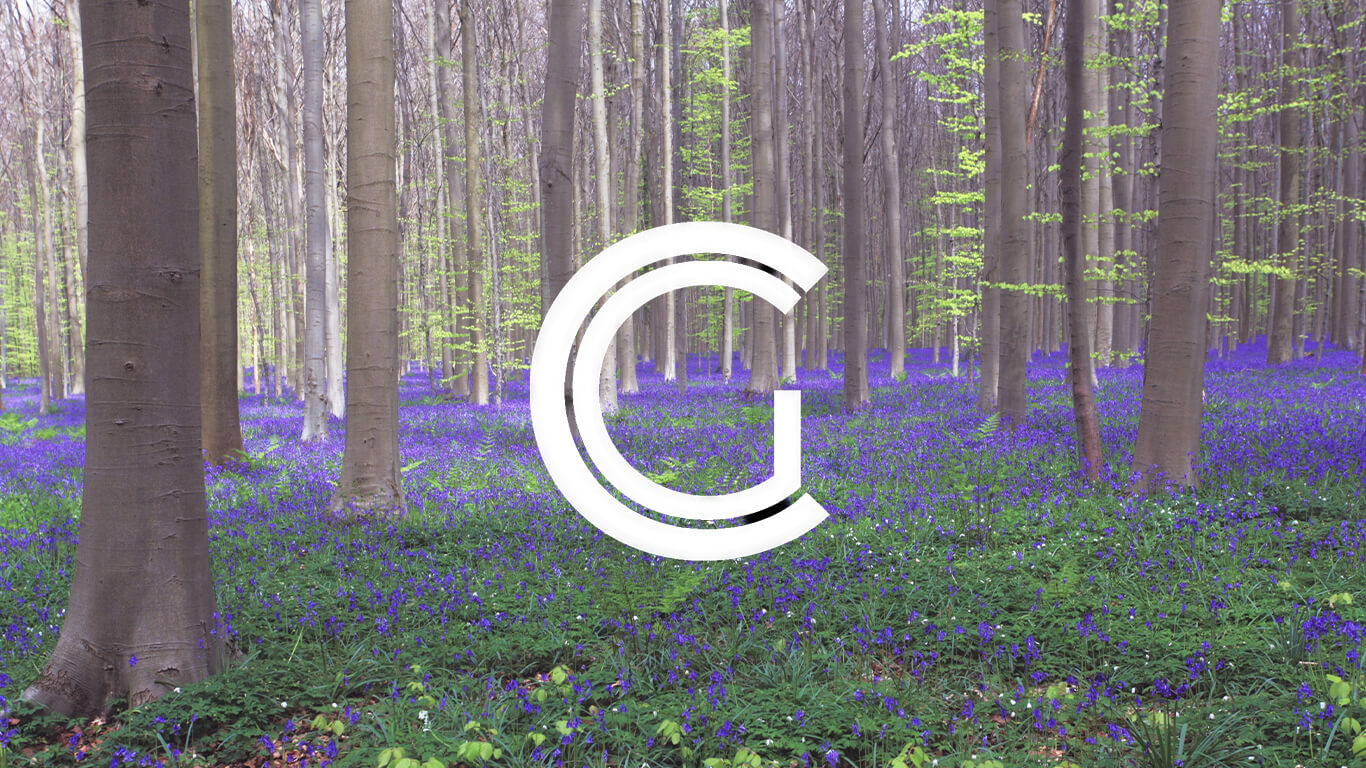
Outside the world of patents, Greg is a keen landscape photographer. His brand image is a striking photograph of Belgium’s famous bluebell wood, the Hallerbos. It reflects his international focus and his approach to IP: considered, layered, and aware of how small details contribute to the bigger picture and conversely how the big picture is dependent on the detail within it.
“An image is a whole, but it’s the sum of its parts and the parts make the whole. It’s just like a sound patent portfolio.”
A Favourite Walk?
The Gower Peninsula in Wales – a mix of clifftop paths leading to green rolling countryside, overlooking sheep dotted salt-marshes and empty expansive beaches, through bluebell woods and winding rugged windswept coastal trails. It’s an appropriate metaphor for a career spent exploring new ground while keeping a careful eye on the landscape.
Connect with Greg
Whether you’re a patent attorney, in-house counsel, or an innovator looking to strengthen your IP position, Greg is open to collaboration and conversation. You can learn more about his work and services at https://gregcorcoranip.co.uk or connect with him directly on LinkedIn.
How PatWorld Supports Strategic IP Work
For IP professionals developing commercially focused portfolios – like those Greg helps his clients build – high-quality patent search support can make a real difference. PatWorld’s team of expert analysts deliver tailored search services, including freedom-to-operate, validity, and landscape analysis, helping patent attorneys make confident, informed decisions. For firms looking to strengthen their IP strategies, this kind of insight lays the groundwork for more effective portfolio development and risk mitigation.
When Lawrence Cullen discusses Supplementary Protection Certificates (SPCs[i]), he does so with the clarity and passion of someone who has spent decades at the heart of the system—and who still finds it intellectually rewarding. After a distinguished career at the UK Intellectual Property Office (UKIPO), where he became one of the UK’s leading experts on […]
27th August 2025
When Lawrence Cullen discusses Supplementary Protection Certificates (SPCs[i]), he does so with the clarity and passion of someone who has spent decades at the heart of the system—and who still finds it intellectually rewarding. After a distinguished career at the UK Intellectual Property Office (UKIPO), where he became one of the UK’s leading experts on SPCs, Lawrence has launched a consultancy to help others navigate the intricacies of life sciences IP.
From Chemistry Labs to IP Policy
Lawrence’s journey into IP began in the lab. Originally from Ireland, he studied industrial chemistry there at the University of Limerick. He then went on to complete a PhD at the University of Sheffield. A research career followed, taking him to UK. France, Germany, and the United States. It was during this time—working on a some patents at the University of Kentucky—that his interest in IP was sparked.
“I read my original proposal to the university for the patent and then saw the final patent application,” he recalls. “They were both describing the same thing but in completely different ways. I found that transformation fascinating.”
After returning to the UK with a young family and looking for a more stable career path, Lawrence applied to the UKIPO—and never looked back.
Building a Reputation in SPCs
Lawrence spent just under three decades at the UKIPO. Initially as a patent examiner, then working in policy and trademarks en route to becoming a Deputy Director and Hearing Officer in patents. His experience spans petrochemicals, cosmetics. pharmaceuticals and biotech, but it’s his specialism in SPCs that has become his hallmark.
“What makes SPCs so challenging is that they sit at the intersection of patent law and regulatory law,” he explains. “They’re not just a patent extension. They’re a sui generis right—unique in legal terms—and require a good understanding of both systems.”
As a Hearing Officer, Lawrence was responsible for reviewing disputed SPC applications. He often found himself deciding issues involving the UK’s approach to SPC case law for the first time. His decisions, nearly all of which were appealed (and subsequently upheld) helped clarify regulatory grey areas and provided vital guidance in a field where every word of the relevant legislation is scrutinised.
“It is not surprising that these decisions were nearly always appealed” he says “given the commercial value of the right being sought. Aa single granted SPC could be worth millions. That’s why nearly every one of the 19 articles in the relevant regulation has been argued over and litigated!”
A New Consultancy for a Complex Landscape
Now, Lawrence is offering his specialist knowledge directly to clients through his new consultancy. His goal? To support life sciences businesses, patent attorneys, and legal teams as they deal with complex SPC and pharmaceutical patent issues.
“If someone comes to me and asks, ‘Can I get an SPC based on this patent and this marketing authorisation?’ I can help them assess the options—perhaps even identify strategies they hadn’t considered.”
His expertise is particularly valuable at critical decision points: choosing the right patent to base an SPC on, assessing post-grant amendment possibilities, and anticipating how a granting authority might interpret a borderline case.
“Most people only apply for one SPC in a given matter, so there’s a lot riding on getting it right,” he adds. “My job is to bring clarity and reduce uncertainty.”
Beyond the Patent Office
Lawrence’s consultancy work is already expanding. He supports clients with early-stage planning, responds to refusals, and even helps those opposing SPCs in competitive scenarios. He’s also involved in academic research as a Visiting Scholar at the University of Sheffield, exploring the foundations and future of the SPC system.
His aim is to ensure that clients not only understand how the system works today but are also prepared for the changes ahead.
“We’re entering a more complex regulatory environment—particularly with medical devices and software becoming integral to treatments. That’s going to create new questions around if and how SPCs apply.”
Still Curious, Still Learning
Despite decades in the field, Lawrence’s enthusiasm remains undimmed.
“Every problem is slightly different. I still enjoy the ambiguity. You’re often working on the balance of probabilities, not certainties. That keeps it fresh.”
That curiosity extends beyond the office. When not immersed in SPC regulations, Lawrence is likely to be out walking stretches of the Wales Coast Path. Or, cheering from the stands at rugby games. A recent trip to Australia for the British & Irish Lions tour being a particular highlight.
“Being there and seeing the games in person was incredible. I’ve played the game, coached it, and still find it endlessly fascinating.”
How Lawrence Can Help
If you’re navigating SPCs—whether preparing an application, managing a refusal, or just trying to understand your strategic options—Lawrence is ready to help. With in-dept knowledge of how decisions are made and why, his consultancy offers a rare depth of insight for those operating in the life sciences, pharmaceutical, and biotech sectors.To get in touch with Lawrence or learn more about his services, connect via LinkedIn
A Supplementary Protection Certificate (SPC) is an intellectual property right that extends the protection of a patented active ingredient in a pharmaceutical or plant protection product. SPCs compensate for the time it takes to obtain regulatory approval before a product can be sold, offering up to five additional years of market exclusivity after a patent expires. Because they sit at the intersection of patent and regulatory law, SPCs are both legally and commercially significant—yet often misunderstood. This article explores their impact and the unique expertise Lawrence Cullen brings to this space.
Some careers are forged by ambition. Others by curiosity. For Joeeta Murphy, it was both. A former research scientist turned top-tier patent attorney, Joeeta blends a deep love of science with a sharp legal mind—bringing decades of insight to the ever-evolving world of life sciences intellectual property. Now Head of Life Sciences at ip21, Joeeta’s […]
21st August 2025
Some careers are forged by ambition. Others by curiosity. For Joeeta Murphy, it was both. A former research scientist turned top-tier patent attorney, Joeeta blends a deep love of science with a sharp legal mind—bringing decades of insight to the ever-evolving world of life sciences intellectual property.
Now Head of Life Sciences at ip21, Joeeta’s career spans more than 30 years and reflects her unique ability to bridge two complex worlds: cutting-edge science and rigorous intellectual property strategy.
A Scientist at Heart, A Strategist by Choice
Joeeta began her career working on vaccines, diabetes, and Alzheimer’s research. But it was a law A-Level—taken in the evening out of sheer interest—that set her on a new path. “I didn’t want to give up science, but I also really enjoyed the legal side,” she explains. “Becoming a patent attorney allowed me to do both.”
That instinct paid off. Joeeta went on to complete an MSc in IP Management at Queen Mary, London, and qualified as a UK and European Patent Attorney. She now also holds the CIPA Litigation Certificate and is registered to represent clients before the Unified Patent Court (UPC).
But ask her which qualification was the toughest? “Definitely my MPhil in pharmaceutical sciences. It was a pure research degree—I was on my own, designing experiments and trying to make discoveries. That experience gave me huge respect for inventors. It’s what they do every day.”
The Power of Perspective
That scientific empathy has shaped Joeeta’s entire career. Whether advising startups or representing multinationals in high-stakes oppositions, she takes a tailored approach—always grounded in clarity, context, and commercial awareness.
“With startups, the focus is on budget and timing. We work closely to prioritise their innovations, patent filings and avoid early disclosure,” she explains. “With multinationals, it’s about building expansive, global patent portfolios and aligning with long-term product lifecycles.”
It’s a skillset that’s earned her a place on the IAM Strategy 300 list, for the third year running, recognising the world’s leading IP strategists.
A Career Highlight: Uncovering Hidden Value
Among her many successes, one case stands out. After reviewing a client’s large patent portfolio following an acquisition, Joeeta identified a buried platform patent with huge potential. “Several competitors were already in clinical trials using that technology—it was a clear case of infringement.”
Her work led to successful EPO oppositions, strategic pre-litigation moves, and ultimately a lucrative licensing deal for the client. “It was high pressure but incredibly rewarding. That’s when the job is really fun.”
Vision, Leadership and a Global Outlook
As head of ip21’s Life Sciences team, Joeeta combines legal excellence with natural leadership. “It all comes down to organisation and understanding priorities,” she says. She actively mentors young innovators through initiatives like the Trinity Bradfield Prize, and sits on the CIPA Council, helping shape the profession’s future.
For her, the best IP strategies are deeply embedded in a company’s broader goals. “Your IP should evolve with your business—identifying what to protect, where, and why. Freedom to operate and patentability searches are vital. So is knowing when to prune a portfolio.”
She’s also a passionate advocate for staying up to date. “Technology is always moving—so we have to move with it. That means reading constantly, attending conferences, and learning from our clients, who are often the real subject-matter experts.”
Life Outside IP: Snorkels, Spices and Cambridgeshire Walks
When she’s not in the courtroom or mentoring PhD students, Joeeta unwinds with cooking, countryside walks, and the occasional snorkelling adventure. “I’ve tried windsurfing—failed miserably,” she laughs. “But snorkelling in the Red Sea and in Key West, Florida was incredible.”
Her favourite recipe? A Bengali classic: chilli chicken, rich with spices and colour. “I love cooking with my children. They’ve picked up my tips and cook on their own now, which is brilliant.”
As for her go-to walk? “Around the Wimpole Estate in Cambridgeshire. It’s beautiful, and not too steep,” she says, smiling. “We also love visiting the Lake District and enjoy the circular walks and mountain scenery.”
A Lasting Legacy
Looking ahead, Joeeta is optimistic. “AI will transform drug discovery. Biotech innovation continues to accelerate. I want our Life Sciences team at ip21 to be at the forefront—offering the kind of support that makes a real difference to our clients’ success.”
And with Joeeta leading the way, there’s no doubt they will be.
Connect with Joeeta
If you’d like to follow more of Joeeta’s work or connect professionally, you can find her on LinkedIn. To explore the innovative IP services offered by her team, visit ip21 Ltd—a firm at the forefront of life sciences and biotech intellectual property.
PS: PatWorld works closely with leading Patent Attorneys like Joeeta Murphy to provide professional, reliable patent search services—including Freedom to Operate (FTO), Patentability, and Collection (State-of-the-Art) searches. Learn more.
In the latest instalment of our Meet the IP Professional series, we spoke to Oliver Tidman, an Intellectual Property lawyer with a deep passion for brand protection and founder of Edinburgh-based law firm Tidman Legal. With a client-focused approach and a reputation for making IP law accessible, Oliver shared his journey into the world of […]
13th August 2025
In the latest instalment of our Meet the IP Professional series, we spoke to Oliver Tidman, an Intellectual Property lawyer with a deep passion for brand protection and founder of Edinburgh-based law firm Tidman Legal. With a client-focused approach and a reputation for making IP law accessible, Oliver shared his journey into the world of trade marks, the challenges facing modern businesses, and why prevention truly is better than cure when it comes to protecting your brand.
A Natural Fit for Innovation and Identity
From early on in his legal career, Oliver was drawn to the intersection of law, innovation, and branding.
“I’ve always had an interest in the creative and commercial aspects of business and entrepreneurship — how ideas become valuable assets,” he explains. “Trade marks stood out because they’re so closely tied to a business’s identity and reputation. Helping people protect what makes their business unique felt like a natural fit.”
This focus on identity and growth led Oliver to establish Tidman Legal in 2017. Before founding his firm, he built experience both in private practice and in-house roles in Edinburgh and London, gaining valuable insights into how different organisations approach IP strategy.
Building a Client-Centred IP Practice
Tidman Legal has carved out a strong niche by offering clear, commercially-minded advice without unnecessary complexity. Whether supporting a startup registering its first trade mark or guiding a business expanding overseas, Oliver and his team focus on aligning IP protection with long-term growth goals.
“We don’t just file trade marks—we help clients build IP strategies across trade marks, patents, designs and copyright. Everything is tailored to help move the business forward.”
Common Pitfalls and the Power of Early Action
When asked about the most frequent mistakes he sees among startups and SMEs, Oliver doesn’t hesitate:
“The biggest one? Launching a brand without properly checking if the name is available. Too often, businesses invest in branding, websites, and marketing—only to face opposition or be forced into a costly rebrand.”
To help businesses avoid this, Tidman Legal offers a free downloadable guide: “5 Pitfalls of Failing to Register a Trade Mark”5 Branding Pitfalls Guide.
He also stresses the importance of thinking globally from day one, especially for online businesses.
Navigating Disputes and Strategic Enforcement
Trade mark disputes, Oliver says, require the foresight of a chess game.
“It’s not just about reacting to a move — it’s about anticipating the other side’s strategy and knowing when to push forward or negotiate.”
He recalls one case where a startup faced opposition from a multinational company. Through smart strategy and evidence gathering, they not only protected the application but secured a coexistence agreement. The win was not just in registration, it was in protecting future international growth.
IP in a Digital World
With brands increasingly operating across borders and platforms, enforcement is becoming more complex.
“Some countries allow swift enforcement, others are more drawn out. I’d like to see more action around bad faith filings — something similar to the process for the Uniform Domain Name Dispute Resolution Policy (UDRP), which is fast and cost-effective.”
AI and digital tools are also playing an increasing role in monitoring and clearance.
“We use AI-powered tools to monitor trade mark applications and alert clients to potential issues. But there’s still a vital role for human insight and strategic advice.”
Educating and Empowering Clients
Oliver is a strong advocate for IP education—especially for startups and small businesses.
“Often, clients don’t come to us until there’s already a dispute. In my experience, many of these clients don’t fully understand the value of their IP until there is already a dispute or infringement. By that point, they’re on the back foot having to deal with brand damage or even having to rebrand entirely. That’s why I strongly believe that prevention is always better than cure.”
Tidman Legal supports this through blog posts, webinars, and events to raise awareness and simplify complex IP topics.
Looking Ahead: Opportunities and Challenges
What’s next for trade marks?
“AI is accelerating brand creation. But with that speed comes risk — deepfakes, voice cloning, and auto-generated infringing content. It’s a challenging area that may need new legislation to keep pace.”
Oliver also highlights the need for better funding access for early-stage innovators.
“There is support out there, but the hurdles are often high. I’d like to see more funding aimed at startups, which often have limited resources, so they can access professional IP advice early on.”
Personal Reflections
What part of your work do you find most rewarding?
“Helping someone go from an idea sketched on a napkin to a protected brand on shelves or screens is incredibly satisfying. IP is intangible but its impact is very real – when a client sees their brand protected and they can grow with confidence, that’s the real payoff.”
What advice would you give to aspiring IP professionals who are particularly interested in working with trade marks?
“Start by developing commercial awareness as much as legal expertise. Brands live in the real world – they evolve, pivot and rebrand. Also, keep an eye on tech, it’s changing the IP landscape faster than legislation can.”
Beyond the Office
When he’s not helping clients protect their brands, you’ll often find Oliver on the squash court competing in the East of Scotland leagues. A recent highlight? A match against a former world No. 1.
“I only managed to get one point off him but it was a surreal experience!”
Oliver enjoys playing saxophone in his spare time and is also a keen hiker and recommends the Pentland Hills just outside Edinburgh:
“You get an incredible view across the city over to Fife.”
“Playing sax has a lot in common with IP law. In both worlds, timing is everything – whether you’re playing the right rhythm or filing a trademark before someone else does!”
P.S. PatWorld works with companies like Tidman Legal to deliver professional trade mark, patent, and registered design searches. You can order a professional search directly through our website—trusted by IP professionals across the UK and beyond. https://patworld.com/gb/order-a-search/
When Eric McGill talks about patents, you hear both the scientist’s precision and the strategist’s passion. A seasoned technology transfer expert who has worked with NASA, the FDA, and the U.S. Army, McGill has spent two decades helping inventors and institutions unlock the real-world potential of innovation. His latest venture—Patentelligence—is a bold response to one […]
6th August 2025
When Eric McGill talks about patents, you hear both the scientist’s precision and the strategist’s passion. A seasoned technology transfer expert who has worked with NASA, the FDA, and the U.S. Army, McGill has spent two decades helping inventors and institutions unlock the real-world potential of innovation. His latest venture—Patentelligence—is a bold response to one of IP’s most persistent questions: What is this patent worth, and what should I do with it?
From Lab Bench to Licensing Desk: A Personal Journey into IP
McGill’s path to technology transfer was far from typical. As a grad student working full time and newly married, he invented a product to solve a household issue—sparking his first interaction with the patent system. With help from a university contact, he filed for two patents and ultimately left school to commercialize the invention.
That experience launched a career rooted in both science and business. “It was never just about invention,” he says. “I became obsessed with the question: why do some ideas succeed while others fail?” That question continues to drive his work today.
Patentelligence: A Tool to Answer ‘Now What?’
Inventors and IP managers alike often struggle with what to do after securing a patent. That’s where Patentelligence comes in—an AI-powered patent valuation and decision-support platform that delivers fast, blind, and structured insight into a patent’s market value, commercial potential, and licensing viability.
The platform offers four report types—ranging from quick snapshots to comprehensive 360° briefings—each designed to be affordable, scalable, and tailored to different types of users, including inventors, startup founders, TTOs, and corporate IP teams.
“Our goal,” says McGill, “is to provide clarity at the exact moment people need to decide whether to pursue, pivot, or let go.”
Built with AI, Backed by Expertise
Unlike traditional patent valuation services that rely on time-consuming consulting or raw databases, Patentelligence leverages a blend of agentic AI, automation, and human oversight. It simulates machine learning processes to analyze public data and score a patent’s commercialization likelihood, market valuation band, and licensing income range.
“The system delivers client-ready insights in hours, not weeks,” McGill notes. “It’s not just faster—it’s consistent, repeatable, and grounded in real commercialization logic.”
Disruptive Pricing for an Underserved Market
One of the most transformative aspects of Patentelligence is its pricing. Where traditional reports might cost $5,000–$15,000, Patentelligence’s offerings start at just $97. Reports are usually delivered within one to two days.
“It’s not just about lowering costs,” McGill explains. “It’s about right-sizing insight. Most inventors don’t need a 30-page theory. They need to know: is this worth keeping? Can I license it? What’s a fair range?”
Solving a $6.4 Billion Blind Spot
One major target for Patentelligence is the widespread inefficiency in maintenance fee decision-making. Billions are spent each year to maintain patents—many of which will never generate returns.
McGill saw this problem firsthand early in his career. “At one lab, I was asked to make keep-or-drop decisions on patents—but there was no data to guide me,” he recalls. “It was just judgment.”
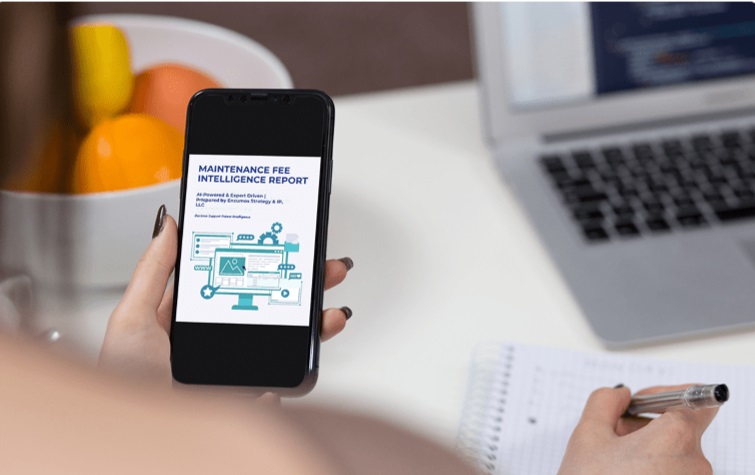
That experience inspired Patentelligence’s Maintenance Fee Intelligence Report, which gives data-backed go/no-go recommendations. It’s already proving valuable: university IP offices are beginning to adopt the tool to improve decision-making and reduce wasted spend.
Connecting Tools and Teaching
Patentelligence is one half of McGill’s larger mission. Through his educational platform, The Inventor’s Mentor, he helps inventors navigate the commercialization process and make better licensing decisions.
“Patentelligence is the toolkit,” he says. “The Inventor’s Mentor is the mindset training. Together, they offer inventors both the why and the how.”
Scaling Strategy, Not Just Technology
With a full launch coming soon under Patentelligence.AI, McGill hopes the platform will make IP intelligence more equitable and evidence-based.
“Too many great patents sit idle simply because decision-makers don’t know the next step,” he says. “We’re making that step clearer—and faster—for everyone.”
For McGill, it all comes back to a belief that’s guided him from the start: that smart, well-supported inventors can change the world. And with the right tools, they just might.
Fun Fact: Master of Molecules and Masala
When he’s not evaluating patents or building AI tools, Eric swaps algorithms for aromatics in the kitchen. He’s especially passionate about recreating Indian and Caribbean dishes—so much so that friends have joked he could give local restaurants a run for their money. Cooking, like innovation, feeds his deep curiosity and love of experimentation.
Connect with Eric
To learn more about Patentelligence or connect directly with Eric McGill, reach out via LinkedIn, or visit https://maintenance.enzumosstrategy.com/. His full suite of products will be launching August 2025. To speak to Eric about his work with early-stage inventors and those seeking patent licensing support go to https://www.theinventorsmentor.com/
Whether you’re a solo inventor, a university TTO, or a corporate IP leader, Eric is always open to conversations about smarter, faster paths to innovation.
P.S. Patent valuation is a powerful step in the innovation journey—and it’s even more effective when built on a solid foundation. PatWorld’s professional IP Search services can support innovators at the earliest stages, helping uncover prior art, assess novelty, and evaluate freedom to operate. It’s the ideal complement to the insights provided by Patentelligence. Explore how PatWorld can support your innovation journey: https://patworld.com/gb/order-a-search/
When it comes to securing exclusivity in the life sciences sector, few bring the depth of insight and strategic clarity that Francis Tierney offers. A qualified UK and European patent attorney since the 1990s, Francis blends decades of in-house experience with a boutique advisory approach that gives life sciences companies a genuine edge—particularly in pharmaceuticals […]
2nd July 2025
When it comes to securing exclusivity in the life sciences sector, few bring the depth of insight and strategic clarity that Francis Tierney offers. A qualified UK and European patent attorney since the 1990s, Francis blends decades of in-house experience with a boutique advisory approach that gives life sciences companies a genuine edge—particularly in pharmaceuticals and small molecule therapeutics. In this article PatWorld discusses with Francis Exclusivity in Pharma, and Navigating the Life Sciences Patent Landscape.
From In-House to Boutique: A Unique Perspective
Francis began his IP career in-house, spending nearly three decades advising on agrochemical and pharmaceutical innovations before moving into private practice. This “poacher turned gamekeeper” transition, as he jokingly puts it, equips him with an intuitive understanding of how clients operate and what they truly need from their IP counsel.
Now at Patent Boutique, he works closely with clients on prosecution, opposition, appeal work, due diligence, and strategic portfolio development. His tailored, hands-on approach is a hallmark of the firm.
The Five Pillars of Patent Strategy in Pharma
Francis sees five key IP considerations for life sciences companies today:
Confidentiality: With increased pressure to publish and attract investors, ensuring non-disclosure before filing is vital.
Timing of Filings: Filing too early can lead to protection ending earlier during peak sales; too late, and companies risk being scooped.
Collaboration with R&D: Patent attorneys need to work closely with research teams to react quickly to emerging data and shape strategy in real time.
Market Awareness: Limited budgets mean companies must prioritise filings in jurisdictions most critical to commercial success.
AI: Keeping abreast of developments in, and the increasing capabilities of, AI.
Getting Patent Drafting Right
Drafting for small molecules brings its own hazards. “If you draft too broadly, not only might your claims be rejected, but you risk creating your own most damaging prior art,” Francis warns. He emphasises the importance of including strong biological data—especially for markets like China—and ensuring that patents will remain enforceable 20+ years down the line, particularly when linked to SPCs.
US vs. Europe: Avoiding a Common Pitfall
One of the most frequent issues Francis sees is US-based companies underestimating global disclosure rules. “There’s a grace period in the US, but not in Europe. Smaller companies often publish during the priority year, which can be problematic for later filings,” he explains.
He also notes how different legal frameworks—such as the EPO’s problem-solution approach versus the US’s obviousness standard—can yield very different outcomes from the same prior art.
Early-Stage Advice: Flexible, Focused, and Fast
Emerging biotech companies often need more tailored support, especially when balancing speed, disclosure, and credibility for investors. Francis helps them navigate this by streamlining prosecution strategies and ensuring they have grantable, meaningful patents to support licensing or M&A activities.
“Established pharma companies have structured IP processes. Start-ups don’t—so we help them build systems and strategies that are credible and cost-effective,” he says.
Patent Portfolios as Deal Enablers
Whether supporting collaborations or preparing for acquisition, Francis views robust IP portfolios as central. “You need to show what you’ve got, but also what you might be developing. Priority filings before a deal are key to demonstrating value,” he advises.
AI in Drug Discovery: A New Frontier, with Caveats
Francis acknowledges AI as a potential game-changer in small molecule R&D, but with caution. “If AI knows everything, where’s the inventive step?” he asks. He sees a possible future where narrower, more focused patent claims become the norm due to more precise AI targeting—but also where validity could well be questioned if algorithms become standardised tools.
A Call for Change: Grace Period Reform
If he could change one thing in the UK or EU IP landscape, Francis would introduce a broader grace period. “It would protect researchers from the kind of accidental disclosures that can destroy patentability. A safety net—not to rely on, but to support honest mistakes.”
The Boutique Advantage
At Patent Boutique, Francis and his colleagues offer flexibility, cost transparency, and a collaborative approach. “We were cloud-based from the start, so our clients benefit from seamless document transfer, real-time communication, and scalable support,” he notes. Clients also gain access to a wider network of trusted attorneys—competency, not size or shine, is what counts.
Outside the Office: Gardening and Grandkids
Beyond the world of SPCs and claim drafting, Francis is a proud grandfather and a keen (and increasingly enthusiastic) gardener. “It’s such a contrast to patent law—where you wait years for a result. In the garden, you plant something and within weeks, there’s colour, texture, and reward,” he says. His latest pride? A set of stunning Alstroemeria —particularly a variety called Indian Summer.
Connect with Francis Tierney 🔗 Francis Tierney on LinkedIn 🔗 Patent Boutique – A specialist firm offering high-level, strategic patent services tailored to life sciences and beyond.
P.S. How PatWorld Supports Patent Attorneys Like Francis PatWorld supports IP professionals with expert-led Patent, Trademark, and Design Search services. Whether you’re advising clients on exclusivity strategies, preparing for prosecution or opposition, or managing complex portfolios, our tailored search solutions deliver the clarity and confidence you need to move forward.
From ballroom dancing and ten-pin bowling to guiding cutting-edge startups through the complexities of intellectual property, Andrew Flaxman has certainly had a diverse journey. Today, as a partner at Bristol-based IP firm Stevens Hewlett & Perkins (SH&P), Andrew is a passionate advocate for startups and a specialist in software, computing, and AI-related patents. The Path […]
12th May 2025
From ballroom dancing and ten-pin bowling to guiding cutting-edge startups through the complexities of intellectual property, Andrew Flaxman has certainly had a diverse journey. Today, as a partner at Bristol-based IP firm Stevens Hewlett & Perkins (SH&P), Andrew is a passionate advocate for startups and a specialist in software, computing, and AI-related patents.
The Path to Patents
Andrew didn’t set out to become a patent attorney. In fact, it wasn’t until the final week of university that he picked up a leaflet that introduced him to the profession. With a love of physics, a knack for language, and a curiosity about the law, the role seemed like the perfect fit. He began his career in London before making the move to Bristol, eventually rising to partner level, and joining SH&P earlier this year.
A Day in the Life (Is Never the Same)
“There’s no typical day,” Andrew says. “I might be dealing with emails, drafting patents, speaking to clients, attending partner meetings, or at a conference. Every day brings something new.”
That dynamic workday is part of what makes the job so compelling—especially for someone who thrives on innovation and the unknown.
Championing Startups
Andrew’s enthusiasm shines when it comes to supporting early-stage ventures. He works closely with the SetSquared Bristol community and is especially proud of SH&P’s initiative Pitch and Protect, which awarded £10,000 in IP support to a start-up to help them get their first patent on file.
“Startups are looking for advisors who genuinely want to help,” he says. “We’re flexible and hands-on—being part of a firm that can adapt quickly is a real advantage.”
Debunking IP Myths
One of the most common misconceptions Andrew encounters? “Startups often think there’s no point in filing patents because they can’t afford to enforce them,” he explains. “But having IP can deter infringement and is a valuable business asset. It’s normally better to have rights than to have none at all.”
He also frequently hears from clients in computing and software who wrongly believe their ideas can’t be patented. “It’s a grey area, but certainly not impossible. I spend about 80% of my time working in this space. If in doubt, just have a conversation with a patent attorney.”
IP Trends and Tech Frontiers
Andrew is especially excited about the potential in robotics and automated systems—particularly when combined with AI.
“AI is already being used to help diagnose medical conditions, but we’re not far from seeing robotic surgery controlled by AI, even without a human surgeon. It’s incredible—and IP plays a crucial role in protecting that innovation.”
He’s also watching how generative AI is shaking up the IP profession itself. While some tools can assist with tasks like drafting, Andrew believes the nuance of legal language and strategic thinking still firmly requires a human touch.
Advice to Aspiring IP Professionals
“You need a strong technical foundation, but also great communication skills and an eye for detail,” he says. “So much of our work comes down to how we use words and what they mean.”
Keeping Skills Sharp
Andrew stays current the same way many of us do: reading articles, attending seminars, and yes—occasionally checking Wikipedia. “We learn a lot from our clients too,” he adds. “Conversations with inventors are often the best education.”
The Reward? Seeing Clients Succeed
“The most fulfilling part of my job is helping startups on their journey—from first filing to commercial success. You feel like part of the team, and their wins feel like your own.”
Fun Fact: From the Dance Floor to the Finish Line
Not many patent attorneys can say they were once a ballroom dancing champion, but Andrew can. Taught by his mother, he won several competitions as a child before trading dance shoes for rugby boots. He later became a ten-pin bowling champ, and today, he’s an Ironman triathlete who completed Ironman Wales and is training for his next race in Leeds.
If He Could Invent Anything…
“A time machine,” Andrew says without hesitation. “Not to go to the future, but to visit key moments in history—just to see what life was really like.”
PatWorld works with patent attorneys like Andrew to provide expert patent searching across all technology sectors. Whether you’re exploring an idea or protecting a breakthrough, our patent search reports helps professionals make informed IP decisions.
To find out how PatWorld can support your firm or in-house team, check out the links below or contact us directly on [email protected].
Patent, Design, and Trademark Research Experts with a combined experience of over 200 years in Intellectual Property searching. Highly trained, dynamic in-house research teams specialising in a wide range of subject matter. All our analysts follow a training program developed by former IPO Examiners. Our teams are available to discuss any specific technical points regarding your search enquiries.












 Order a Search Now