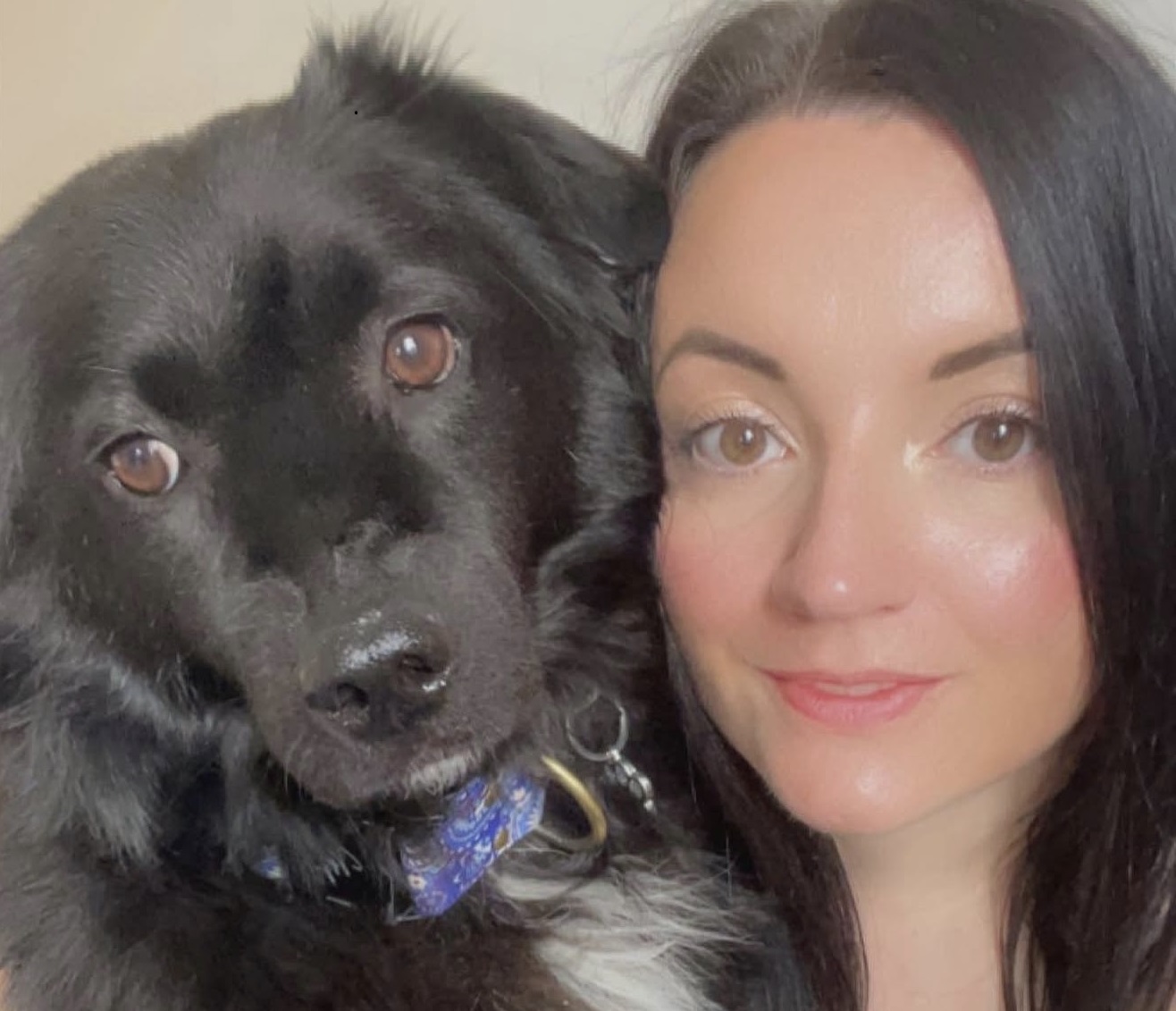
Kay Szawlis is a Senior Trade Mark Paralegal at Springbird IP, with experience spanning patents, trade marks and different IP working environments. Her career offers an insight into the evolving role of the paralegal, the value of finding a workplace that fits your circumstances, and why a successful career in IP does not have to […]
7th October 2026
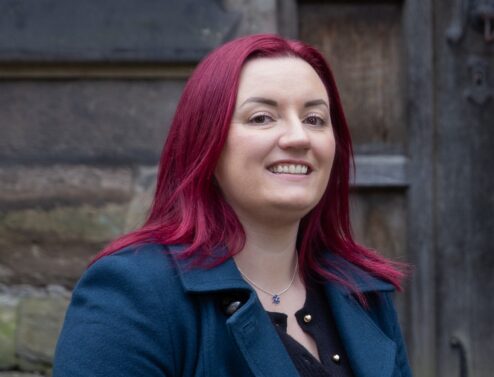
Kay Szawlis is a Senior Trade Mark Paralegal at Springbird IP, with experience spanning patents, trade marks and different IP working environments. Her career offers an insight into the evolving role of the paralegal, the value of finding a workplace that fits your circumstances, and why a successful career in IP does not have to follow the traditional attorney route.
Quick Profile
Name:Kay Szawlis Role: Senior Trade Mark Paralegal Firm / organisation:Springbird IP Location: UK Areas of expertise: Trade marks, brand protection, patents and wider IP rights
An unexpected route into IP
Kay originally thought her future lay in science. After studying biotechnology at university in Edinburgh, she realised that an academic career was not for her. A talk by a patent attorney introduced her to intellectual property and immediately caught her attention. Combining her scientific background with a different type of professional career seemed an interesting direction, and she went on to complete a postgraduate course.
Her first practical experience of IP came in a rather unconventional way. Pregnant after finishing her studies and with several months before her due date, Kay was determined to use the time productively. She worked her way through a directory of patent firms, contacting them one by one to ask whether they would give her some work experience. Eventually, Jensen & Son said yes.
Her first assignment involved researching filing requirements around the world for an international trade mark portfolio. It was a daunting introduction to the profession, but also the opportunity that gave Kay her start. She worked until two weeks before her daughter was born and later returned to the firm on a consultancy basis, allowing her to combine work with childcare. She stayed for almost four years and remains grateful to Derek Moore for giving her that first opportunity.
“That first job was crucial to get me in,” she says.
Building a career around changing priorities
As Kay’s family grew, so did her understanding of what she needed from her career. Over the following years, she gained experience in several different types of IP practice, from smaller firms to larger organisations. Each gave her valuable experience and helped her understand the working environment that suited her circumstances at that particular stage of life.
Family has always been a priority. When her children needed additional support and the commute started taking its toll on her mental health, flexibility became increasingly important. Kay knew she needed to find a way of developing her career while also being able to respond to the changing needs of her family.
That process eventually brought her to Springbird IP, then part of a larger solicitors’ firm. At the time, Kay worked alongside Laura West, now CEO of Springbird, and another paralegal as the department developed. She subsequently saw it grow and become a separate firm.
Being involved from those early stages created a sense of connection that has proved important to her. “There’s a sense of ownership,” she says. “There’s definitely a sense of identity and pride.”
Five years later, Springbird is the longest Kay has worked anywhere, and she has since had her third child. Home working, flexible hours and what she describes as “very human policies” give her the flexibility she needs at this stage of family life. It is an environment that fits both the career she has built and the life she has outside it.
Finding her place in trade marks
Kay’s career has given her experience across both patents and trade marks. Now focused entirely on trade marks at Springbird, she enjoys the pace and variety of the work, particularly the more unusual cases that require investigation and problem-solving.
“I enjoy quirks,” she says. “I enjoy getting down to the nitty gritty and figuring out, when there’s a problem, a solution to that problem.”
She also enjoys building relationships with clients and becoming genuinely interested in their businesses and brands. There is even a running joke at Springbird that Kay becomes a loyal customer of every new client they take on. For Kay, that connection is part of what makes the work so enjoyable: she genuinely likes the brands she works with and enjoys seeing what they are developing.
Her experience in patents has also given Kay a broader perspective on trade mark work. Having worked across different rights, Kay has come to appreciate how patents, trade marks, designs and copyright can complement one another as part of a wider commercial picture.
Understanding that broader context is important in her work, and it is something she continues to develop. Kay readily admits that she can become absorbed in the detail of a particular task, so she values colleagues who encourage her to step back and consider the bigger picture. For Kay, understanding how individual IP rights fit within a client’s wider commercial objectives helps give greater context to the work she does.
The evolving IP paralegal
For Kay, one of the most interesting aspects of the paralegal role is just how varied it can be. Responsibilities differ between firms, teams and individuals, making it difficult to separate changes across the profession from the natural development that comes with experience. What she has noticed, however, is greater recognition of the expertise that paralegals can bring.
“I think we are becoming more visible,” she says. “We are trusted more, we are given more responsibilities, and I quite like that.”
That visibility can also extend to client relationships. Kay now has opportunities to interact directly with clients and, through platforms such as LinkedIn, to engage with them as an individual as well as through her work. She enjoys that more personal side of the role and the relationships that can develop as a result.
Most importantly, Kay believes there is a growing understanding that being a paralegal can be a career in its own right. Becoming an attorney is one option, but it is not necessarily the end goal for everyone. Kay herself once expected to follow that route before realising that her ambitions had changed.
For those considering IP, she also sees the role as offering different ways to enter and progress within the profession. People do not necessarily need to arrive with every skill already in place. Knowledge can be developed through experience, while the variety of the role can build skills that are useful across different areas of work.
“You don’t have to have the full tool set straight from the start,” Kay says. “You can work your way up.” For Kay, that ability to learn and develop over time is one of the strengths of a paralegal career.
Trusting people to develop
For Kay, one of the most important ways firms can support paralegals is by recognising what they are capable of and giving them room to grow.
“Trust them, talk to them, understand them,” she says. “You hired them for a reason. They are competent.”
That can mean giving people ownership of their work, opportunities to tackle more complex tasks and the chance to learn from experienced colleagues. Just as importantly, Kay believes there should be honest conversations about what individuals want from their careers rather than assumptions about where their role should lead.
Her own development has benefited from colleagues who are willing to explain things. If an interesting legal question arises, Kay wants to understand the reasoning behind it, even when that knowledge is not strictly necessary for the task she is doing. She values working with people who welcome that curiosity.
It has helped her develop greater confidence too. Despite her experience, Kay admits that imposter syndrome can still surface in her professional life. Her response is to keep asking questions and accept that occasionally being wrong is simply part of learning.
“Don’t be afraid to make mistakes. Don’t be afraid to be wrong. Fact-check what you can and just keep talking. It’ll get easier and better.”
Outside the office
For all the importance Kay places on her career, she is equally clear that family comes first. She and her partner have three children, and spending time with them is her favourite way to switch off. Family trips often take them back to Poland, while skiing and snowboarding have become activities they enjoy together.
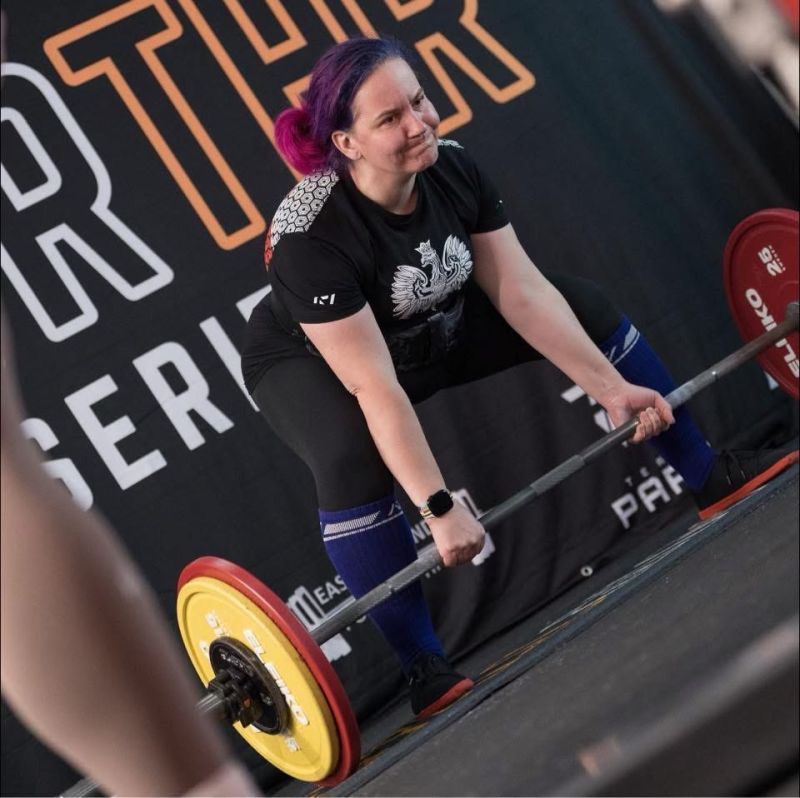
Sport features heavily in family life. Kay goes weightlifting with her daughter, while her two older children play rugby. Inevitably, she has become involved there too, handling administration for her son’s team and social media for her daughter’s. “Once an admin, always an admin,” she jokes.
Kay also has a habit of collecting hobbies. When she wants time to herself, she heads to the gym and is currently hoping to move into competitive powerlifting. For something quieter, she knits while listening to audiobooks, and when she needs an escape, there is always cycling.
It all reflects Kay’s enthusiasm for trying new things, whether at work or away from it.
A career path of your own
Kay’s career has developed very differently from the one she imagined when she first heard a patent attorney speak during her biotechnology degree. Experience across patents and trade marks, different working environments and changing family circumstances have helped her understand where her strengths lie and what she wants from her professional life.
Her story also reflects the breadth of opportunity within the IP paralegal profession. For some, it can be a route towards qualification; for others, it can become a fulfilling long-term career in its own right. Kay’s own path shows that careers can evolve as circumstances and ambitions change, and that continuing to ask questions, learn from others and remain open to new directions can be just as important as knowing exactly where you want to end up.
Meet the IP Professional is a PatWorld interview series exploring the people and perspectives shaping the intellectual property profession. Discover more interviews in the Meet the IP Professional hub, and find out more about PatWorld, a global IP search provider working with IP professionals worldwide to support informed patent, design and trade mark decisions, on our About Us page.
Daniel March is a Chartered Trade Mark Attorney and consultant at Two IP. Having worked across private practice, major law firms and global brand portfolios, he brings a practical and client-focused approach to trade mark protection, helping businesses understand the value of their brands and navigate an increasingly complex intellectual property landscape. Quick Profile Name: […]
24th June 2026
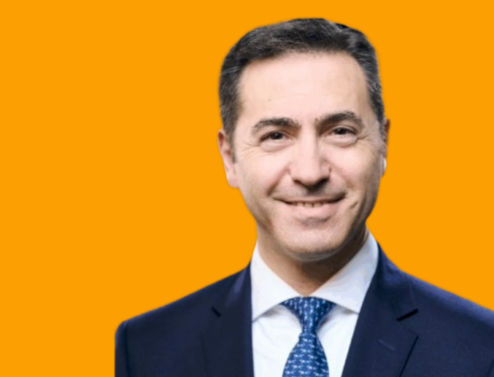
Daniel March is a Chartered Trade Mark Attorney and consultant at Two IP. Having worked across private practice, major law firms and global brand portfolios, he brings a practical and client-focused approach to trade mark protection, helping businesses understand the value of their brands and navigate an increasingly complex intellectual property landscape.
Quick Profile
Name:Daniel March Role: Consultant and Chartered Trade Mark Attorney Firm / Organisation:Two IP Location: London, UK Areas of expertise: Trade marks, brand protection, trade mark strategy, portfolio management, client advisory work
A profession few people plan for
Daniel is the first to admit that few people grow up wanting to become a trade mark attorney.
“Most people haven’t even heard of a trade mark attorney,” he says. Like many in the profession, his route into IP was not planned from the outset. While studying law at university, he took an intellectual property module that introduced him to trade marks, patents, copyright and design rights.
The subject sparked an interest that eventually led him away from a traditional legal career path and into the world of trade marks.
What appealed most was the connection to innovation, technology and the products people encounter every day. Rather than focusing solely on legal process, Daniel was drawn to a profession that sits close to product development, branding and commercial decision-making.
Seeing brands come to life
Throughout his career, Daniel has worked with a wide variety of clients, from multinational technology companies to household consumer brands.
Among the organisations he has supported are Nokia, Huawei and Unilever. These experiences gave him a front-row seat to the evolution of technology and the importance of brand protection in highly competitive markets.
Working with mobile phone manufacturers allowed him to witness rapid innovation first-hand. Devices that were once primarily used for making calls have evolved into powerful all-in-one communication and computing platforms, creating increasingly complex trade mark considerations.
His work with Unilever provided a different perspective. Supporting brands such as Hellmann’s, Dove, Lynx, Persil, Domestos and Vaseline offered insight into the extensive work involved in bringing products to market.
One of the aspects Daniel enjoys most is seeing a project progress from an early concept to a product on supermarket shelves or featured in national advertising campaigns.
“There’s a lot of background work that goes into it,” he explains. “When you see the finished product, you know you were involved in helping it get there.”
The importance of understanding clients
A recurring theme throughout Daniel’s career has been the importance of tailoring advice to the client.
One of the most valuable lessons he learned early on was that clients are not simply looking for a list of options. They want guidance.
Rather than presenting every possible route equally, he believes the role of an attorney is to understand the client’s objectives and recommend the most appropriate course of action.
That means adapting communication styles depending on the audience. An in-house counsel may require detailed legal analysis, while a business owner may simply need a clear answer about whether a proposed brand can move forward.
Daniel believes effective advice should be straightforward and accessible.
“You don’t have to use legal language to show expertise,” he says. “The best advice is often the simplest and easiest to understand.”
A new chapter at Two IP
After many years in traditional private practice and large law firms, Daniel recently joined Two IP as a consultant.
The move represented a significant career change. Shifting from an established role to a consultancy environment brought both excitement and uncertainty.
“It’s very daunting,” he says. “The buck stops with you.”
What attracted him to Two IP was the opportunity to build stronger client relationships while enjoying greater flexibility and autonomy.
He values the supportive culture he has found within the firm and appreciates the ability to focus on client service without some of the distractions that can come with larger organisations.
For Daniel, one of the biggest attractions is the ability to focus on client service. The consultancy model allows him to build relationships in his own way, work more flexibly and spend more time on the aspects of the profession he finds most rewarding.
Brands are much more than registrations
One of Daniel’s strongest messages for businesses is that trade marks should not be viewed simply as registrations.
Instead, they should be treated as valuable commercial assets.
A trade mark helps consumers identify the products and services they trust. Over time, that recognition creates loyalty, reputation and commercial value.
“The registration itself may cost a few hundred pounds,” he explains, “but the value of the brand can be enormous.”
For that reason, he encourages businesses to think strategically about brand protection from the outset. That includes conducting proper clearance searches, understanding future growth plans and developing an enforcement strategy to protect rights once they are established.
As online commerce continues to expand globally, these considerations have become increasingly important.
Daniel has also observed how technological developments are changing the profession. While artificial intelligence and automation can speed up tasks such as searching and reporting, he believes human expertise remains essential.
“AI is a tool,” he says. “It can help you work more efficiently, but clients still need advice, judgement and experience.”
Learning from others and paying it forward
Throughout his career, Daniel has benefited from the guidance of mentors and colleagues who helped shape his approach.
One experience that left a lasting impression involved a senior barrister who helped him prepare for professional examinations. When Daniel enquired about payment for the support, the barrister declined.
Instead, he asked for one thing: help the next generation.
That lesson has stayed with Daniel throughout his career and continues to influence the way he works with trainees and junior colleagues today.
He believes professional development extends far beyond formal qualifications.
“Every day is a school day,” he says. “There is always something new to learn.”
Outside the office
Away from work, Daniel enjoys travelling, classic cars and keeping active.
Since moving into consultancy, he has found more flexibility to focus on health and wellbeing and has recently returned to running.
Travel is another passion. Having visited destinations across Europe, the United States, China and the Middle East, he enjoys exploring different cultures, architecture and histories. His next adventure is a trip to Panama.
Daniel is also a keen enthusiast of classic cars, particularly traditional British sports cars. He appreciates the character and styling of older vehicles and enjoys attending car shows whenever time allows.
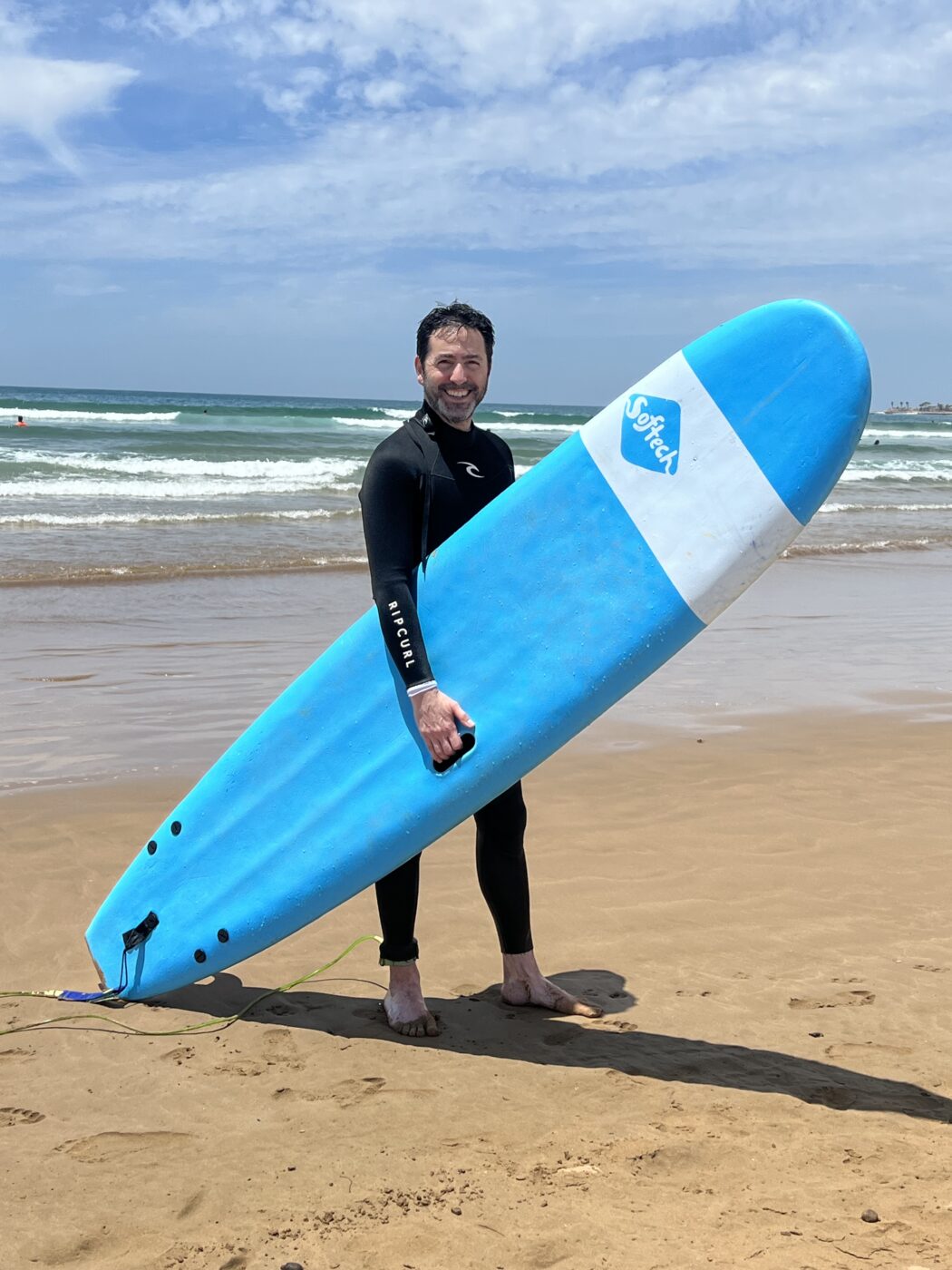
More recently, he added surfing to the list of activities he has tried, taking to the waves during a trip to Morocco.
Closer to home, he recommends the countryside around Hampstead Heath and Kenwood House, as well as the South Downs near Eastbourne, where he spent time walking with family while growing up.
For those looking for a more challenging walk, Scafell Pike remains one of his favourite hiking experiences.
Looking ahead
Reflecting on a career that has spanned major brands, global clients and significant changes within the profession, Daniel remains enthusiastic about the future of trade marks.
While technology will continue to reshape how attorneys work, he believes the fundamentals remain unchanged.
Successful trade mark practice is built on understanding people, communicating clearly and helping businesses protect the brands that matter most to them.
For Daniel, the key is simple: understand the client, provide practical advice and build relationships based on trust.
Meet the IP Professional is a PatWorld interview series exploring the people and perspectives shaping the intellectual property profession. Discover more interviews in the Meet the IP Professional hub, and find out more about PatWorld — a global IP search provider working with IP professionals worldwide to support informed patent, design and trade mark decisions — on our About Us page.
Rhianna Faye is an IP Paralegal at Strachan IP, based near Oxford. With around 13 years’ experience, she supports patent and trade mark work across multiple jurisdictions. Her role focuses on managing deadlines, coordinating stakeholders, and ensuring the smooth running of IP processes within a small, agile firm. Name: Rhianna FayeRole: IP ParalegalOrganisation: Strachan IPLocation: […]
8th April 2026
Rhianna Faye is an IP Paralegal at Strachan IP, based near Oxford. With around 13 years’ experience, she supports patent and trade mark work across multiple jurisdictions. Her role focuses on managing deadlines, coordinating stakeholders, and ensuring the smooth running of IP processes within a small, agile firm.
Name:Rhianna Faye Role: IP Paralegal Organisation:Strachan IP Location: Hereford, UK Areas of expertise: Patent and trade mark support, deadline management, international filing coordination, renewals, IP administration
A career discovered by chance
Rhianna did not set out to work in intellectual property. After leaving education, she began her career in criminal defence law. While she initially enjoyed the work, the nature of the cases became difficult to manage emotionally. She found it hard to switch off outside work and began looking for a different path.
Her next move into bid management introduced her to deadline-driven work and structured processes. She found similarities with legal case preparation, but the role required extensive travel. Wanting something more stable, she explored new opportunities and was introduced to IP through a recruitment agency.
It was during her first interview that she realised how well her skills aligned with the role. She joined as a patent secretary, later qualifying as a paralegal and progressing into a more senior position.
A central role in IP practice
Rhianna describes the paralegal role as the operational counterpart to the patent attorney. While attorneys focus on technical and legal aspects, such as drafting specifications and advising clients, her role ensures that everything around those activities runs smoothly.
This includes preparing filing documents, instructing foreign attorneys, managing deadlines, and handling formalities. In a small firm like Strachan IP, her responsibilities extend further. She is involved in renewals, invoicing, records management, and even marketing activities.
“I see it as trying to lighten the attorney’s workload as much as possible,” she explains.
Managing complexity and deadlines
A key part of Rhianna’s work is tracking and managing deadlines. Every case involves multiple time-sensitive actions, often across different jurisdictions. She logs deadlines in multiple systems and reviews them weekly to prioritise tasks.
This structured approach helps ensure nothing is missed. It also allows her to anticipate pressure points and prepare work in advance where possible.
International work adds another layer of complexity. Different countries have different requirements, from notarised documents to certified copies and translations. These variations must be understood early so that timelines can be planned effectively.
“It’s important that you understand those requirements at the start so that you can work backwards,” she says.
Working at the heart of a wider network
Working in a small firm means Rhianna’s role extends beyond an internal team. She regularly coordinates with multiple external attorneys, foreign associates, translators and service providers, each working to their own processes and timescales.
This makes communication and organisation critical. While each external partner manages their own work, Rhianna maintains oversight of deadlines and ensures everything stays aligned. She often has visibility across all moving parts, even when others are only focused on their individual tasks.
Because of this, her role becomes one of coordination as much as administration. She balances competing priorities, keeps work progressing across jurisdictions, and ensures that no deadlines are missed despite the complexity.
Developing towards trade mark qualification
Alongside her role, Rhianna is training to become a trade mark attorney. Career progression has always been important to her, and she has consistently combined work with study.
Encouraged by a colleague, she began the qualification process while working full time and raising her young son. She completed a degree through the Open University in four years, followed by a postgraduate certificate in intellectual property law.
She is now preparing for the next stage of qualification. While her current firm does not have an in-house trade mark attorney, she continues to build her knowledge independently and remains committed to seeing the process through.
“It’s been a long journey, but one I’m determined to finish,” she says.
Seeing the bigger IP picture
Studying trade mark law has broadened Rhianna’s perspective on intellectual property. Earlier in her career, her focus was mainly on patents and designs. Now, she has a clearer understanding of how different IP rights work together.
This includes how trade marks protect brand identity and reputation, complementing the protection offered by patents and designs. The result is a more complete view of how businesses safeguard their innovations and market position.
The evolving role of the IP paralegal
Over the course of her career, Rhianna has seen the paralegal role change significantly. Earlier roles involved more traditional administrative tasks, such as audio typing.
Today, paralegals are more involved in case management and play a more active role in supporting legal work. This shift reflects both technological changes and the need to use attorney time more efficiently.
In smaller firms, the role can be even broader. Rhianna’s position combines multiple functions that would typically be spread across several departments in a larger organisation.
Skills for success
Organisation and time management are essential in Rhianna’s role. She regularly handles multiple cases at different stages, with deadlines that often overlap.
Clear communication is equally important. She must manage expectations across attorneys and clients, often explaining complex processes in simple terms.
Attention to detail is another key skill. Even small errors can have significant consequences in IP work, particularly when dealing with legal rights and formal documentation.
Outside the office
Outside work, Rhianna’s time is largely shaped by her eight-year-old son. Weekends are often spent at football matches or swimming lessons, and she regularly travels to Manchester to watch games.
She also enjoys long walks with her Romanian rescue dog, who she describes as her “shadow”. Cooking and trying new restaurants are another passion, balanced with weight training and playing netball in a social league.
Keeping everything on track
If someone were to shadow Rhianna for a day, she believes the best way to understand the role would be to see how deadlines are managed.
She describes the paralegal as the “central cog” that connects all parties involved in an IP case. From attorneys to clients and international partners, her role is to ensure everyone completes their part on time.
It is a position of responsibility that often goes unnoticed, but is critical to the success of any IP practice.
Looking ahead
Rhianna’s career reflects both adaptability and determination. From an unplanned entry into IP to pursuing professional qualification, she has built a role that combines structure, responsibility, and flexibility.
Her experience highlights the importance of support roles within the profession. As IP work becomes more complex and global, the contribution of skilled paralegals remains essential to keeping everything running smoothly.
Meet the IP Professional is a PatWorld interview series exploring the people and perspectives shaping the intellectual property profession. Discover more interviews in the Meet the IP Professional hub, and find out more about PatWorld — a global IP search provider working with IP professionals worldwide to support informed patent, design and trade mark decisions — on our About Us page.
Jane Wainwright is a former patent attorney and equity partner who now works as a coach supporting IP professionals. After 23 years in private practice, including leadership roles at Potter Clarkson, she founded her own coaching business to help individuals across the IP sector navigate career progression, leadership pressure and personal growth. Quick Profile Name: […]
25th February 2026
Jane Wainwright is a former patent attorney and equity partner who now works as a coach supporting IP professionals. After 23 years in private practice, including leadership roles at Potter Clarkson, she founded her own coaching business to help individuals across the IP sector navigate career progression, leadership pressure and personal growth.
Quick Profile
Name:Jane Wainwright Role: Executive and Leadership Coach Organisation:Starry Eyed Pragmatics Location: UK Areas of expertise: Coaching IP professionals, leadership development, career progression, strengths and values work, team and group coaching
From patent attorney to coach
Jane spent 23 years in the patent profession, beginning as a trainee and progressing to equity partner and Head of Biotech at Potter Clarkson. She also served on the executive board. Alongside her technical work, she increasingly found herself drawn to leadership and people development.
While a partner, she set up a leadership development programme for junior partners preparing for equity. The programme included coaching and training in areas not typically covered in attorney qualifications, such as finance and HR. As part of the first cohort, Jane undertook coaching herself.
That experience proved pivotal. Coaching helped her develop her leadership style and think differently about how she supported others. Encouraged by her own coach, she undertook formal coach training. Over time, she realised that coaching was the work she most enjoyed.
Leaving the profession after more than two decades was daunting. But she describes the move as a way of giving back to a profession that had shaped her career. Today, she works primarily with IP professionals, combining sector understanding with independent perspective.
What IP professionals bring to coaching
Jane is careful not to oversimplify the issues her clients face. While there are recurring themes, every coaching relationship is different.
Career progression and promotion feature strongly, particularly for those aiming for equity partnership. Many want to develop executive presence, authority or confidence in leadership roles. Others are balancing professional ambition with family life and personal commitments.
She also sees a strong perfectionist tendency within the IP profession. High standards are essential, but perfectionism can become exhausting. A key part of her work is helping people recognise when “good enough” really is enough.
At senior levels, challenges can become more isolating. Partners and firm owners often lack safe spaces to discuss pressures or uncertainties. Conversations with peers may feel commercially sensitive. Coaching provides an independent, confidential environment where they can explore concerns openly.
Coaching versus training and mentoring
Jane draws a clear distinction between professional training, mentoring and coaching.
Training focuses on learning the technical and legal aspects of the job. Mentoring involves sharing experience and advice from someone further along the path.
Coaching, by contrast, is not about giving answers. It is about asking the right questions and creating space for reflection. The client does most of the talking. The coach facilitates exploration and problem-solving, helping the individual find their own solutions.
For Jane, the value lies in enabling people to think clearly about what matters to them. She works extensively with strengths and values. By understanding personal values, clients can assess whether their work aligns with what matters most to them. Where there is misalignment, they can consider changes.
Similarly, identifying strengths helps people “job craft” within their role. Someone strong in relationship building may thrive in business development. Someone with exceptional attention to detail may excel in professional standards or training roles. Aligning work with strengths often increases both effectiveness and satisfaction.
Pressure, vulnerability and progression
Jane believes coaching can be valuable at many career stages, but particularly at the senior end.
As responsibility increases, opportunities for open and vulnerable conversation often decrease. Prospective partners may hesitate to share concerns with existing partners. Established partners may worry about appearing uncertain in front of peers.
Coaching creates space for honest reflection without judgement. It can also help individuals understand the realities of business ownership before stepping into partnership. This preparation can make leadership transitions smoother.
She also challenges assumptions about the cost of coaching. While it requires time, she sees clear commercial benefits. Greater confidence, stronger client relationships and improved performance in areas such as oral proceedings can outweigh the investment.
Growth on both sides
Coaching has shaped Jane’s own development as much as it has her clients’.
Through her training and practice, she came to recognise and address her own imposter syndrome. Seeing the impact of her work on others has strengthened her confidence. Measuring the difference she makes for clients has been more tangible than measuring her own achievements in isolation.
What motivates her most is witnessing change. She describes the satisfaction of seeing someone move from confusion or stress to clarity and action. Promotions, improved confidence or simply a renewed sense of direction all bring a visible shift.
For Jane, that moment when “the spark” appears makes the work worthwhile.
Life beyond IP
Outside work, Jane describes herself as someone who does “lots of different things, but nothing” — a reflection of varied interests rather than inactivity.
She enjoys time with her cockapoo, long walks and camper van adventures. Travel is a particular passion, especially visits to Disney parks and cruises, which she describes as her “happy place”. She also experiments with 3D design, digital illustration and creative projects.
Closer to home, a favourite regular walk is at Shipley Country Park near Ilkeston, a 5.5km route through fields, trees and reservoirs. It is a simple routine that offers space and perspective.
Ready to be coachable
For IP professionals curious about coaching, Jane offers a clear message. Coaching can be for anyone, but it requires readiness.
Being “coachable” means being open to change and willing to put in the work. Without that commitment, coaching may not be effective. With it, the possibilities can be significant.
After more than two decades in the patent profession, Jane’s focus has shifted from drafting and prosecution to personal development and leadership growth. Yet her aim remains aligned with the profession she knows well: helping people perform at their best, in ways that are sustainable and true to who they are.
Meet the IP Professional is a PatWorld interview series exploring the people and perspectives shaping the intellectual property profession. Discover more interviews in the Meet the IP Professional hub, and find out more about PatWorld — a global IP search provider working with IP professionals worldwide to support informed patent, design and trade mark decisions — on our About Us page.
After a long career spanning private practice, in house support, training and even maternity services advocacy, Debbie has launched Granta IP, a consultancy that gives her the balance and autonomy she wants at this stage of life. She explains that she is not retiring but reshaping how she works so she can stay engaged in […]
11th December 2025
After a long career spanning private practice, in house support, training and even maternity services advocacy, Debbie has launched Granta IP, a consultancy that gives her the balance and autonomy she wants at this stage of life. She explains that she is not retiring but reshaping how she works so she can stay engaged in the profession on her own terms.
Granta IP brings together her strengths in IP management for small and growing businesses and her technical experience as a patent attorney. She enjoys the contrast, the structured focus of drafting and office actions alongside the broader strategic work of building good IP processes from the ground up.
From Australia to the UK, Learning to Adapt
Debbie spent fourteen years working in Western Australia before returning to the UK. Her client base may have shifted slightly, but the essential lesson remained the same, adapt to the needs of the business in front of you. Working with small companies that had limited understanding of IP taught her the value of meeting clients where they are and building systems that fit their reality.
Helping Businesses Avoid the IP Catch Up Problem
One issue she sees regularly is small companies leaving IP management until it becomes a problem. When portfolios expand without clear processes, it becomes harder to piece everything together later. At Granta IP, Debbie helps organisations get ahead of this by identifying their IP early, setting up workable systems and supporting in house teams who need extra capacity or guidance.
Supporting the Next Generation Through CIPA
Education is a major theme in Debbie’s career. She has taught, written and developed training materials, and now chairs the CIPA Education Committee. She is currently involved in IPReg’s wide ranging review of professional training and in developing apprenticeships as an accessible route into the profession. For her, seeing people grow in confidence is one of the most rewarding parts of the job.
Preparing for an AI Enabled Future
With AI entering the IP workflow, Debbie believes strong foundational skills matter more than ever. Tools can help with early drafting, but only if attorneys know how to evaluate and refine the output. She stresses the importance of critical thinking, client understanding and judgement, qualities no system can replace.
Beyond IP, Dance and Social History
Outside work, Debbie has two enduring passions, dance and family and social history. Although she once considered stage school, today she dances for fun, Latin, hip hop and fitness-based classes. She also spends time researching family history, uncovering stories that span miners, missionaries, textile workers and relatives across Europe, South America and Africa.
Looking Ahead
As she builds Granta IP and contributes to the future of professional education, Debbie’s focus remains the same, stay curious, stay adaptable and keep giving back. Her path has not been linear, but every stage has shaped the professional she is today, and she brings all of it into the work she now does with clients and colleagues.
About Granta IP
Granta IP Services Ltd is a UK-based consultancy providing practical patent, trademark and design protection for innovators, SMEs and growing businesses. Founded by an experienced Chartered Patent Attorney Debbie Slater, the firm blends technical expertise with hands-on industry insight to help clients secure and manage their IP as they scale. Granta IP delivers clear, flexible strategies that strengthen innovation, support commercial growth and ensure ideas are protected from the start.
At PatWorld, we’re proud to support IP firms like Granta IP with comprehensive patent search and intelligence services. From prior art and freedom-to-operate searches to competitor and landscape analysis, our tools help attorneys and their clients make informed, strategic decisions — saving time and improving the strength of every patent application. Get in touch with us today to learn how we can assist with your next project.
From Primary Classrooms to Global Business Leadership Before becoming the CEO of an international company supporting global workforce compliance, Ann Ellis led a very different kind of team—as a deputy head teacher at a primary school near Halifax. Her journey into international business began in 1995, when her husband John accepted a telecoms role in […]
16th July 2025
From Primary Classrooms to Global Business Leadership
Before becoming the CEO of an international company supporting global workforce compliance, Ann Ellis led a very different kind of team—as a deputy head teacher at a primary school near Halifax. Her journey into international business began in 1995, when her husband John accepted a telecoms role in Italy. The family relocated, and just a year later, Ann co-founded a company to support freelance engineers like John, who were working across Europe but faced complex compliance barriers due to local employment laws.
“I was the first employee of the company,” she recalls. “My office was a broom cupboard in our flat in Northern Italy.”
That modest beginning sparked what would become Mauve Group—a pioneering organisation helping businesses to hire, relocate and pay workers around the world compliantly and efficiently. Their breakthrough came with a major telecoms contract in Hungary in 1999, and the company quickly expanded its operations, setting up teams in Cyprus, the UK, and beyond.
Building Mauve Group from the Ground Up
As co-Founder and CEO, Ann played a hands-on role in the company’s early growth. She travelled across continents to set up new entities and build a network of local experts—creating compliant employment solutions for engineers supporting global telecoms networks. That hands-on experience, she says, became the foundation of Mauve’s expertise in global expansion and employment.
What began as a service for telecoms engineers has since evolved into a fully-fledged global Employer of Record (EOR) and compliance consultancy. Mauve now supports clients from a wide range of sectors—including NGOs, universities, and technology companies—enabling them to hire talent across borders without the need for local entities.
Flexible, Compliant Solutions for Global Teams
Today, Mauve Group offers a comprehensive suite of services: EOR, global payroll , immigration support, international HR consultancy, tax compliance, company set-up, and global risk assessments. With entities in 70 countries and solutions in over 150, their global reach is extensive—and personal.
“We’re a flexible company that provides bespoke solutions,” Ann explains. “Our clients vary from large organisations like IMAX to agile tech firms, and we tailor our services to meet their unique needs.”
Ann attributes much of Mauve’s success to its experienced team, many of whom have been with the company for over 15 years. This longevity ensures not just deep institutional knowledge, but trusted relationships with local experts on the ground.
Driving Innovation with Mauve Insight
To meet the demands of modern global employment, Mauve developed its own proprietary platform—Mauve Insight. This tool facilitates seamless onboarding, expense approvals, leave requests, and secure data access. It also offers a Help Centre and an automated customer service platform for both clients and workers.
“We’re also building an in-house payroll and invoicing system,” says Ann, “so we can continue to improve our internal operations and provide faster, more efficient services.”
Guiding Clients into New Markets
With clients expanding into diverse markets, Mauve acts as both a guide and a partner. Ann notes that many companies underestimate the complexity of local laws when expanding abroad. Mauve’s risk assessments and local partnerships ensure clients remain fully compliant, avoiding legal pitfalls and unexpected costs.
They’re also developing a market research tool to help businesses identify the most strategic regions for expansion, based on industry trends and compliance factors.
Remote Work and Global Talent Access
The rise of remote work, Ann says, has changed the game. “Companies can now access the best talent regardless of geography,” she notes. “One of our clients in Brazil, a gaming company, hired top professionals across multiple countries. We made it possible for those workers to be employed compliantly, in their local jurisdictions.” This kind of agility, she believes, is key to long-term business growth.
A Personal Touch in Leadership
Despite leading a global operation, Ann stays grounded in the business. “I was a one-woman show in the early days, and I still enjoy getting involved operationally from time to time,” she says. “It helps me understand the challenges different teams face.” Clients often come to Mauve with an idea of how to reach their expansion goal—like setting up an entity—but discover through consultation that EOR might be a more cost-effective and scalable option. Ann and her team are focused on problem-solving and building lasting client relationships.
Work-Life Balance and Global Living
When she’s not running a global business, Ann enjoys connecting with friends and family over good food and wine. With homes in Dubai, Rome, Cyprus, and Miami, she takes full advantage of her love of travel and culture. Regular workouts and scenic walks keep her grounded, while her go-to TV picks include The White Lotus, The Gentlemen, and Slow Horses.
The Mauve Advantage
Under Ann’s leadership, Mauve Group has grown into a trusted partner for organisations navigating the complex world of global employment. By combining local knowledge, regulatory expertise, and a people-first approach, the company empowers clients to grow with confidence.
Connect with Ann Ellis 🔗 Ann Ellis on LinkedIn 🔗 Mauve Group – Mauve Group is a global HR, Employer of Record and business consultancy provider, supporting organisations to expand, hire and pay workers internationally.
How PatWorld Supports Industry Proffesionals Like Ann PatWorld supports IP professionals with expert-led Patent, Trademark, and Design Search services. Whether you’re advising clients on exclusivity strategies, preparing for prosecution or opposition, or managing complex portfolios, our tailored search solutions deliver the clarity and confidence you need to move forward.
Patent, Design, and Trademark Research Experts with a combined experience of over 200 years in Intellectual Property searching. Highly trained, dynamic in-house research teams specialising in a wide range of subject matter. All our analysts follow a training program developed by former IPO Examiners. Our teams are available to discuss any specific technical points regarding your search enquiries.








 Order a Search Now