Ana Vesperinas is an associate and European Patent Attorney at Barker Brettell, specialising in chemistry and materials innovation. With a career spanning academia, industry, and private practice, she brings a broad scientific perspective to IP, combining technical expertise with a strong focus on client understanding and tailored advice.
Name:Ana Vesperinas Role: European Patent Attorney Organisation:Barker Brettell Location: Birmingham, UK Areas of expertise: Chemistry, functional formulations, materials, cosmetics, patent prosecution
A career shaped by exploration
Ana’s path into intellectual property was far from conventional. After completing a PhD and gaining experience across academia and industry, she only discovered IP later in her career. While working in industry, exposure to patent processes sparked her curiosity. Conversations with in house attorneys led her to explore the field further, ultimately prompting her to undertake a postgraduate course in intellectual property. That decision marked a turning point. Ana moved into an in house IP role before transitioning to private practice, where she felt she could broaden her experience and deepen her legal expertise. Today, she reflects positively on her varied journey, seeing it as a strength that shapes how she works.
A role grounded in chemistry and strategy
Now part of the chemistry team at Barker Brettell, Ana’s work focuses heavily on patent prosecution, alongside drafting and strategic advisory work. She particularly enjoys the challenge of prosecution developing arguments, understanding inventions in depth, and working towards broad and meaningful protection for her clients. Her technical expertise spans functional formulations, cosmetics, and increasingly, innovative materials. Recent work has included developments in construction materials and environmentally focused technologies, reflecting a wider industry shift towards sustainability and efficiency. Staying close to innovation is important to her. She actively keeps up with scientific developments to ensure she remains connected to the technologies behind the patents she works on.
Putting clients at the centre
A defining feature of Ana’s approach is her emphasis on understanding her clients’ needs. Her experience across different sectors allows her to relate to clients from a variety of backgrounds and tailor her advice accordingly. She believes strong relationships are built on clear communication from the outset setting expectations, explaining processes, and being transparent about challenges. Responsiveness is also key. Ana makes a conscious effort to respond quickly to client queries, recognising the urgency that often underpins IP decisions. Ultimately, she aims to make the patent process feel less daunting, ensuring clients feel informed, supported, and confident throughout.
Navigating international perspectives
A significant part of Ana’s career has involved working closely with US based clients. Many of her clients are located in the United States, requiring her to adapt strategies to fit European patent practice. This often involves managing expectations where approaches differ between jurisdictions. A strategy that succeeds in the US may not translate directly to Europe, requiring careful adjustment and clear communication. Through this experience, Ana has developed a strong understanding of both systems, enabling her to bridge the gap and deliver practical, effective advice.
Alongside her work with US clients, Ana’s UK‑based client base has grown steadily, ranging from individual inventors and universities to middle and large corporations. Ana takes a tailored approach, adapting her advice to each client’s level of intellectual property knowledge and experience. She places particular emphasis on transparency, ensuring clients have a clear understanding of anticipated next steps, expected timescales, and associated costs.
Keeping pace with innovation
Ana is particularly interested in the rise of functional materials and environmentally conscious innovation. Developments in areas such as construction materials, CO₂ reduction, and battery technologies are shaping her current work. She sees a clear trend towards sustainability, with many new inventions designed to reduce environmental impact while maintaining or improving performance. For Ana, staying informed about these changes is essential not just for technical understanding, but to provide relevant and forward thinking advice to clients.
Lessons in balance and perspective
Working in IP has also influenced how Ana approaches challenges. Early in her career, she felt pressure to address everything immediately. Over time, she has learned the importance of prioritisation and organisation. Managing a dynamic workload requires flexibility. Unexpected tasks can quickly reshape a carefully planned day, making adaptability a key skill. This shift in mindset has helped her approach her work more calmly and effectively, balancing urgency with structure.
Outside the office
Away from work, Ana enjoys staying active. Tennis and padel are regular pursuits, offering a way to unwind and reset after busy days. She also has a passion for skiing, often travelling to France or Switzerland with her family. When she cannot get to the mountains, she makes use of Birmingham’s indoor ski facilities. For Ana, these activities provide an important balance, helping her recharge and maintain focus in her professional life.
Encouraging different paths into IP
Reflecting on her own journey, Ana is keen to highlight that there is no single route into the profession. Entering IP later in a career can bring valuable experience and perspective. She encourages those considering a move into IP not to feel discouraged if they did not follow a traditional path. Experience gained in other roles particularly in science or industry can be a significant asset. Her own career stands as an example of how diverse experiences can lead to a fulfilling role in IP, combining technical knowledge with a strong understanding of client needs.
Meet the IP Professional is a PatWorld interview series exploring the people and perspectives shaping the intellectual property profession. Discover more interviews in the Meet the IP Professional hub, and find out more about PatWorld, a global IP search provider working with IP professionals worldwide to support informed patent, design and trade mark decisions, on our About Us page.
As the IP landscape becomes increasingly complex, the ability to interpret patent information and translate it into meaningful, commercial advice is more important than ever. At Mewburn Ellis, this is not the work of one individual, but a collaborative effort, bringing together different technical backgrounds, perspectives and approaches.
Following their contribution to an upcoming feature in The Global IP Magazine, published to coincide with INTA, we spoke to members of the Mewburn Ellis team to explore how they approach their work, what drives them, and how their individual expertise shapes the advice they provide to clients.
The team featured in this article includes:
William Hey– Patent Attorney and Senior Associate, Engineering Dan Thornton – Partner and Patent Attorney, Engineering Fran Salisbury – Partner and Patent Attorney, Life Sciences Paul Dunne – Partner and Patent Attorney, Chemistry
Together, they represent a cross-section of expertise across engineering and life sciences, working collaboratively to support clients navigating complex third party rights.
Different perspectives, one shared goal
Across engineering, chemistry and life sciences, the team at Mewburn Ellis works with patent data in different ways, but with a shared objective: to provide clarity in complex situations and support informed decision making.
Whether advising on freedom to operate, analysing technical and commercial landscapes or supporting strategic planning, the emphasis is always on interpretation. Understanding not just what the data shows, but what it means in practice.
That shared mindset is reflected in how each individual approaches their work.
William Hey – structuring complexity
Working extensively with patent landscapes and large datasets, William Hey focusses on bringing structure to complexity.
For him, the critical part is how the patent data found is organised and interpreted. By grouping and analysing information in a structured way, William helps turn large sets of search results into something meaningful, enabling both the team and their clients to identify patterns, trends and areas of focus more clearly.
He particularly enjoys the variety that comes with working in intellectual property.
“Working in private practice offers small windows into lots of different businesses,” he explains. “You often gain a real sense of a client’s company culture, along with an appreciation of their business strategy and the wider industry they operate in. With those insights, our team’s work is so much more useful to those clients..”
Outside of work, William enjoys practical, hands-on pursuits. Having completed a house renovation, he is now turning his attention to transforming an empty field into a new allotment. He also enjoys walking in the Peak District with his wife, occasionally flying his drone, and playing the piano.
For Dan, the most rewarding part of the role is working closely with clients and understanding how intellectual property fits into their broader commercial plans.
“I love working directly with clients,” he explains. “Sitting quietly and drafting a spec or a response is only part of the job. Learning about a client’s commercial plans and strategising together to ensure that their IP activities serve their goals is what I enjoy the most.”
Dan’s work focuses on helping clients navigate third party rights and creating and pursuing patent portfolios with real relevance in context. He approaches his work with an open mind. This has led him to bring an element of creativity to client work.
His approach is grounded in understanding the bigger picture, ensuring that analysis is aligned with the decision a client ultimately needs to make. Many of the most interesting client projects need the team approach; Dan enjoys working with his colleagues on planning and delivering these projects.
Outside work, Dan spends much of his time with his family. Living close to the hills, he enjoys getting outdoors with his three children and their new puppy, Peggy, often combining walks with a keen eye out for steam trains for his youngest.
Fran Salisbury – navigating life sciences complexity
For Fran Salisbury, working in life sciences brings a different dimension to patent analysis, one shaped by long development timelines and evolving technologies.
“In life sciences, you are often dealing with technologies that are still developing,” she explains. “You might be assessing risk before a product is fully defined.”
This requires a careful balance. Too much detail too early can be as unhelpful as too little, particularly when technologies may change over time.
Fran particularly enjoys the problem solving aspect of her role.
“I enjoy taking a jumble of information and ideas and bringing them together into a coherent strategy, or pulling the threads together to form an argument.”
She also values the international nature of IP work, working with attorneys, clients and patent offices globally.
Outside of work, Fran enjoys being outdoors, skiing, swimming and hiking, as well as quieter creative pursuits such as painting and drawing.
Paul’s work focusses on contentious matters, helping clients understand their options for clearing the way of competitors’ rights and defending their own patents.
A recurring theme in his work is distilling a large mix of documents into sharp and impactful arguments, cutting out unnecessary complexity. For smaller clients, Paul highlights that many assume that holding a patent gives them the right to use a technology, when in reality it provides the right to prevent others from doing so.
His approach is centred on clarity, ensuring that clients understand both the risks they face and the options available to them, so they can make informed, pragmatic decisions. He particularly enjoys working closely with clients in a collaborative way, feeling embedded within in house teams rather than operating as a separate external adviser.
“The joy of private practice is getting to work with lots of interesting, enthusiastic clients on a variety of tech,” he says. “The thing I enjoy most is feeling properly embedded with an in-house team, when the work feels like a collaboration instead of a transaction.”
Outside of work, Paul enjoys spending time with his wife, two children and spaniel Archie. Whether walking through the woods or visiting the beaches of Somerset, he values time outdoors with his family. He also enjoys carving out time to play the piano and go swimming.
While each team member brings a different perspective, it is the combination of these approaches that enables Mewburn Ellis to deliver well-rounded, commercially relevant advice.
Strategic thinking, structured analysis, technical depth and clear communication all play a role, supported by collaboration both within the team and with external partners.
Meeting the team at INTA
Fran, along with many of the Mewburn Ellis team, will be in London during INTA. If you are attending and would like to meet, they would be very happy to connect and continue the conversation in person.
Mewburn Ellis works closely with specialist search providers such as PatWorld to ensure that searches are aligned with how the results will be used in practice. By tailoring search outputs to the firm’s analytical approach, PatWorld provides datasets that support structured analysis and enable the team to focus on interpretation, insight and client advice.
Meet the IP Professional is a PatWorld interview series exploring the people and perspectives shaping the intellectual property profession. Discover more interviews in the Meet the IP Professional hub, and find out more about PatWorld, a global IP search provider working with IP professionals worldwide to support informed patent, design and trade mark decisions, on our About Us page
Pamela Bryer is a Partner and Patent Attorney at Marks & Clerk, based in Edinburgh. With a background in physics and photonics, she specialises in supporting innovation across emerging technologies, with a particular focus on design protection and the strategic use of intellectual property in fast-moving sectors.
Name:Pamela Bryer Role: Partner and Patent Attorney Firm:Marks & Clerk Location: Edinburgh, UK Areas of expertise: Patent and design protection, emerging technologies, IP strategy
From research to intellectual property
Pamela’s path into intellectual property began during her studies in physics and photonics at the University of St Andrews. Initially considering a career in research, she joined Marconi to work on tunable lasers for telecommunications systems.
However, she quickly realised that specialising in a single technology was not the right fit. Instead, she was drawn to the broader perspective offered by intellectual property.
“I didn’t necessarily want to know everything about one specific device. I’d much rather understand a wider range of technologies and how they work.”
Her exposure to patent strategy during this time, particularly designing around existing patents, sparked a lasting interest in the field.
A collaborative approach to innovation
At Marks & Clerk, Pamela values the firm’s collaborative and forward-thinking culture. She highlights the importance of working across disciplines and supporting both clients and colleagues.
“There’s always someone willing to listen, share ideas and help you think through problems in a different way,” she explains.
This collaborative environment allows her to work closely with clients, not only understanding the legal aspects of their innovations but also the commercial and technological context behind them.
Curiosity driving expertise
Pamela’s work spans a wide range of technologies, including AI, medtech and connectivity. Her interest in these areas is driven by curiosity and their real-world impact.
“What excites me most are technologies sitting at the intersection of innovation and impact,” she says.
From a patent perspective, these technologies present both opportunities and challenges. They often evolve rapidly and cross traditional boundaries, requiring flexible and forward-thinking protection strategies.
The strategic value of design protection
A key area of Pamela’s expertise is design protection, which she sees as central to product success.
“Design sits at the intersection of technology, usability, branding and customer experience,” she explains.
She believes that design rights can provide a valuable additional layer of protection, particularly in fast-moving sectors where user experience and product differentiation are critical.
Clients, however, often face challenges in deciding how and when to protect their innovations. With rapid development cycles and evolving technologies, early decisions must be made with limited information.
Pamela advises a proactive, portfolio-based approach, aligning patent and design strategies with product development to maximise long-term value.
Supporting innovation through diversity and collaboration
Pamela is a strong advocate for diversity and inclusion within the IP profession. She believes that a broader range of perspectives leads to better outcomes for both clients and innovation.
“Innovation itself is inherently diverse,” she notes, emphasising that different viewpoints help ensure that technologies are understood in their full context.
Her approach to mentorship reflects this belief. Having benefited from supportive mentors throughout her career, she now focuses on helping others build confidence and navigate what can be a complex profession.
“I try to be approachable and encouraging… supporting the next generation is one of the most rewarding parts of my role.”
Turning ideas into valuable IP
Working closely with clients is central to Pamela’s approach. She begins by understanding their objectives and the problems their technology solves.
“It’s about translating complex ideas into an appropriate combination of IP protection that is robust but also commercially meaningful,” she explains.
By distilling inventions down to their core concepts and aligning protection strategies with business goals, she helps clients create IP that supports growth, investment and long-term innovation.
Looking ahead: evolving technologies and IP practice
Pamela is particularly interested in developments in design law, including current reform in the EU and proposed reform in the UK. Some of these changes aim to better accommodate digital and dynamic designs, reflecting the evolving nature of modern products.
She also sees the integration of artificial intelligence within IP practice as both a challenge and an opportunity.
“We need to think about how to responsibly incorporate AI into our daily practice to produce better outcomes for clients,” she says.
Outside the office
Outside of work, Pamela enjoys activities that provide a different kind of mental challenge or allow her to switch off completely. Travel and photography are key interests, alongside quizzes, board games and time spent with family.
She also enjoys exploring new places and restaurants, and walking remains a favourite way to unwind. Close to home, Arthur’s Seat in Edinburgh is a regular destination, offering views across the city and coastline.
Further afield, she has completed a 500-mile section of the Appalachian Trail — an experience she describes as unforgettable.
One of her favourite travel destinations is Hoi An in Vietnam, a UNESCO World Heritage Site known for its historic architecture and vibrant food scene. It’s a place she particularly enjoys for its atmosphere, culture and distinctive character.
A balanced perspective on innovation
Reflecting on her career, Pamela emphasises the importance of curiosity, collaboration and adaptability. As technologies continue to evolve, she believes the role of IP professionals will become even more strategic. By combining technical understanding with commercial insight, they can help shape how innovation is protected and brought to market.
Her advice is simple: stay curious, remain open to new ideas, and never underestimate the value of collaboration in solving complex problems.
Pamela and members of the Marks & Clerk team will be in London for the International Trademark Association (INTA) Annual Meeting this May. If you’re also planning to be there and would like to connect, feel free to get in touch to arrange a meeting.
Meet the IP Professional is a PatWorld interview series exploring the people and perspectives shaping the intellectual property profession. Discover more interviews in the Meet the IP Professional hub, and find out more about PatWorld — a global IP search provider working with IP professionals worldwide to support informed patent, design and trade mark decisions — on our About Us page.
Gerard Byrne is a part-qualified patent attorney at Knights, with a background spanning patent examination, searching, and in-house analysis. His experience across the IP lifecycle gives him a distinctive perspective, particularly on how patent information can be used more strategically to support innovation and commercial decision-making.
Name:Gerard Byrne Role: Part-Qualified Patent Attorney Organisation:Knights Location: UK Areas of expertise: Patent drafting and prosecution, patent analysis, IP strategy, freedom-to-operate
A career shaped by perspective
Gerard’s route into IP began at the UK Intellectual Property Office, where he joined as a patent examiner after completing a degree in Mechanical Engineering. It wasn’t a carefully mapped decision, but it was the most interesting opportunity at the time, and one that quickly proved to be a strong fit.
From there, his career evolved steadily. After moving into private practice patent searching, he went on to work as an in-house analyst supporting engineering-led businesses, before securing a trainee patent attorney role. While the early steps were not always intentional, the direction became clearer over time.
“I always kind of wanted to be an attorney after entering the profession,” he reflects, noting that breaking into the profession can be challenging. His varied experience, however, has provided a strong foundation.
Seeing IP through different lenses
Few patent attorneys begin their careers across such a wide range of roles. For Gerard, each stage has shaped how he approaches his work today.
As a searcher, he developed a broad technical awareness, reviewing large volumes of patent literature across multiple fields. This gave him a practical understanding of how patent landscapes evolve and what makes a strong application.
His time as an in-house analyst shifted that perspective further. Patents became more than legal tools; they became part of the innovation process itself. “You start to see patents not just as legal instruments but as tools for driving and mapping innovation,” he explains.
Now, as a part-qualified attorney, those perspectives come together. His role involves balancing technical detail, strategic thinking, and commercial realities to deliver outcomes that align with client objectives.
From analysis to application
Gerard’s current role spans drafting applications, prosecuting cases before the UK and European patent offices, and advising on freedom-to-operate questions. The variety is a key part of its appeal.
“No two days look the same,” he says, describing work that ranges from drafting claims for mechanical inventions to advising clients on competitor activity.
His background in analysis continues to influence how he approaches drafting. In particular, it has made him more aware of the risks posed by prior art. Rather than treating drafting as a purely technical exercise, he sees it as a purposeful process, shaped by what may emerge during examination.
Patents as strategic tools
A consistent theme in Gerard’s experience is the idea that patents are often underused as strategic assets.
He points to the practical barriers that prevent wider engagement. Patent databases can be difficult to navigate, and the documents themselves are dense and technical. For many engineers, extracting meaningful insight from patent literature is not straightforward.
Yet the value is clear. Patent information can guide product development, highlight competitive activity, and inform commercial decisions at every stage of a project. Without that foundation, decisions risk being made without a full understanding of the landscape.
For Gerard, the future lies in better integration, embedding analytical thinking throughout the innovation process, rather than treating it as a standalone step.
Bridging roles and improving collaboration
Having worked both in-house and in private practice, Gerard has seen how differently IP can be approached. In-house roles bring a closer connection to commercial outcomes, while private practice offers broader exposure to technologies and industries.
“The ideal, honestly, is to have experienced both,” he notes, highlighting how each perspective helps to correct the blind spots of the other.
Collaboration plays a central role in making that work effectively. Whether working with inventors, litigators, or commercial teams, success often comes down to clear communication and mutual understanding. Translating between technical, legal, and business language is a key skill.
Developing as a patent attorney
Working towards qualification brings its own challenges. The exams are demanding, and success often depends on understanding exactly what is being asked.
For Gerard, managing that process comes down to consistency. “It’s just doing a little bit every day quite regularly,” he explains.
He also highlights the importance of a supportive training environment, with access to a varied caseload and structured guidance. Without that, candidates can find themselves struggling on multiple fronts.
His advice to others is practical: make full use of past papers and available resources and focus on understanding how to answer the question being asked.
Outside the office
Away from work, Gerard prefers to stay active. Skiing, scuba diving and hiking all feature, although the time of year often dictates which takes priority.
More recently, cooking has become a favourite way to unwind, particularly during the winter months when outdoor activities are less accessible. He enjoys experimenting with different cuisines, with a current focus on French cooking. It offers a creative contrast to the structure of his day-to-day work.
He also picked up the saxophone during the COVID pandemic, initially as a challenge and a long-term project. Largely self-taught, it remains a personal pursuit rather than a public one, but one that offers a different kind of focus outside the demands of IP work.
Looking ahead
As Gerard continues towards full qualification, his focus is on building a well-rounded practice that draws on all aspects of his experience. His journey highlights the value of seeing IP from multiple angles, and the benefits that brings to both clients and the profession.
With a growing emphasis on strategy, collaboration, and integration, he sees the role of the patent attorney continuing to evolve into something broader: not just a legal advisor, but a partner in innovation.
Meet the IP Professional is a PatWorld interview series exploring the people and perspectives shaping the intellectual property profession. Discover more interviews in the Meet the IP Professional hub, and find out more about PatWorld — a global IP search provider working with IP professionals worldwide to support informed patent, design and trade mark decisions — on our About Us page.
Rhianna Faye is an IP Paralegal at Strachan IP, based near Oxford. With around 13 years’ experience, she supports patent and trade mark work across multiple jurisdictions. Her role focuses on managing deadlines, coordinating stakeholders, and ensuring the smooth running of IP processes within a small, agile firm.
Name:Rhianna Faye Role: IP Paralegal Organisation:Strachan IP Location: Hereford, UK Areas of expertise: Patent and trade mark support, deadline management, international filing coordination, renewals, IP administration
A career discovered by chance
Rhianna did not set out to work in intellectual property. After leaving education, she began her career in criminal defence law. While she initially enjoyed the work, the nature of the cases became difficult to manage emotionally. She found it hard to switch off outside work and began looking for a different path.
Her next move into bid management introduced her to deadline-driven work and structured processes. She found similarities with legal case preparation, but the role required extensive travel. Wanting something more stable, she explored new opportunities and was introduced to IP through a recruitment agency.
It was during her first interview that she realised how well her skills aligned with the role. She joined as a patent secretary, later qualifying as a paralegal and progressing into a more senior position.
A central role in IP practice
Rhianna describes the paralegal role as the operational counterpart to the patent attorney. While attorneys focus on technical and legal aspects, such as drafting specifications and advising clients, her role ensures that everything around those activities runs smoothly.
This includes preparing filing documents, instructing foreign attorneys, managing deadlines, and handling formalities. In a small firm like Strachan IP, her responsibilities extend further. She is involved in renewals, invoicing, records management, and even marketing activities.
“I see it as trying to lighten the attorney’s workload as much as possible,” she explains.
Managing complexity and deadlines
A key part of Rhianna’s work is tracking and managing deadlines. Every case involves multiple time-sensitive actions, often across different jurisdictions. She logs deadlines in multiple systems and reviews them weekly to prioritise tasks.
This structured approach helps ensure nothing is missed. It also allows her to anticipate pressure points and prepare work in advance where possible.
International work adds another layer of complexity. Different countries have different requirements, from notarised documents to certified copies and translations. These variations must be understood early so that timelines can be planned effectively.
“It’s important that you understand those requirements at the start so that you can work backwards,” she says.
Working at the heart of a wider network
Working in a small firm means Rhianna’s role extends beyond an internal team. She regularly coordinates with multiple external attorneys, foreign associates, translators and service providers, each working to their own processes and timescales.
This makes communication and organisation critical. While each external partner manages their own work, Rhianna maintains oversight of deadlines and ensures everything stays aligned. She often has visibility across all moving parts, even when others are only focused on their individual tasks.
Because of this, her role becomes one of coordination as much as administration. She balances competing priorities, keeps work progressing across jurisdictions, and ensures that no deadlines are missed despite the complexity.
Developing towards trade mark qualification
Alongside her role, Rhianna is training to become a trade mark attorney. Career progression has always been important to her, and she has consistently combined work with study.
Encouraged by a colleague, she began the qualification process while working full time and raising her young son. She completed a degree through the Open University in four years, followed by a postgraduate certificate in intellectual property law.
She is now preparing for the next stage of qualification. While her current firm does not have an in-house trade mark attorney, she continues to build her knowledge independently and remains committed to seeing the process through.
“It’s been a long journey, but one I’m determined to finish,” she says.
Seeing the bigger IP picture
Studying trade mark law has broadened Rhianna’s perspective on intellectual property. Earlier in her career, her focus was mainly on patents and designs. Now, she has a clearer understanding of how different IP rights work together.
This includes how trade marks protect brand identity and reputation, complementing the protection offered by patents and designs. The result is a more complete view of how businesses safeguard their innovations and market position.
The evolving role of the IP paralegal
Over the course of her career, Rhianna has seen the paralegal role change significantly. Earlier roles involved more traditional administrative tasks, such as audio typing.
Today, paralegals are more involved in case management and play a more active role in supporting legal work. This shift reflects both technological changes and the need to use attorney time more efficiently.
In smaller firms, the role can be even broader. Rhianna’s position combines multiple functions that would typically be spread across several departments in a larger organisation.
Skills for success
Organisation and time management are essential in Rhianna’s role. She regularly handles multiple cases at different stages, with deadlines that often overlap.
Clear communication is equally important. She must manage expectations across attorneys and clients, often explaining complex processes in simple terms.
Attention to detail is another key skill. Even small errors can have significant consequences in IP work, particularly when dealing with legal rights and formal documentation.
Outside the office
Outside work, Rhianna’s time is largely shaped by her eight-year-old son. Weekends are often spent at football matches or swimming lessons, and she regularly travels to Manchester to watch games.
She also enjoys long walks with her Romanian rescue dog, who she describes as her “shadow”. Cooking and trying new restaurants are another passion, balanced with weight training and playing netball in a social league.
Keeping everything on track
If someone were to shadow Rhianna for a day, she believes the best way to understand the role would be to see how deadlines are managed.
She describes the paralegal as the “central cog” that connects all parties involved in an IP case. From attorneys to clients and international partners, her role is to ensure everyone completes their part on time.
It is a position of responsibility that often goes unnoticed, but is critical to the success of any IP practice.
Looking ahead
Rhianna’s career reflects both adaptability and determination. From an unplanned entry into IP to pursuing professional qualification, she has built a role that combines structure, responsibility, and flexibility.
Her experience highlights the importance of support roles within the profession. As IP work becomes more complex and global, the contribution of skilled paralegals remains essential to keeping everything running smoothly.
Meet the IP Professional is a PatWorld interview series exploring the people and perspectives shaping the intellectual property profession. Discover more interviews in the Meet the IP Professional hub, and find out more about PatWorld — a global IP search provider working with IP professionals worldwide to support informed patent, design and trade mark decisions — on our About Us page.
Peter McBride is the founder of Scintilla, a UK-based patent and trade mark firm. With a background in physics and private practice, he has built a business focused on client relationships, commercial clarity, and innovation, offering a modern approach to intellectual property strategy and advisory work.
Name:Peter McBride Role: Founder Firm:Scintilla Location: United Kingdom (Glasgow, Aberdeen, Manchester) Areas of expertise: Patents, trade marks, IP strategy, deep tech, client advisory
From physics to patent law
Peter’s route into intellectual property began during his time studying physics. Like many in the profession, he had not initially been aware of the career path.
After discovering the blend of technical and legal work involved, he applied directly to firms and secured a trainee role straight out of university.
His early career saw him develop within private practice, learning the technical and client-facing aspects of the role. Along the way, he credits several influential figures and colleagues who helped shape his development.
However, the idea of running his own business had been present much earlier.
Taking the leap to found Scintilla
Peter’s entrepreneurial mindset dates back to his school years, when he set up a small gardening business with a friend. While not a long-term venture, it sparked an interest in building something of his own.
Over time, that interest grew. As his career progressed, he began to feel that traditional firm structures did not align with how he wanted to work.
“I slowly just started getting frustrated… I’ve got ideas of how I want to do things,” he explains.
After careful consideration, he took the step to establish Scintilla in 2013. Starting alone, he handled every aspect of the business, from client work to finance and business development.
Those early days were challenging but rewarding. Building relationships and meeting potential clients played a key role in establishing the firm.
Evolving from practitioner to business leader
As Scintilla has grown, Peter’s role has shifted significantly. What began as a hands-on technical role has evolved into leading and developing a business.
He describes the transition as a common challenge for founders: moving from doing the work to building the organisation.
“It’s the cliché of working on the business instead of in it,” he says.
Today, his focus is more on team development, client relationships, and strategic direction. He still enjoys client work but increasingly values the opportunity to build a strong team and create opportunities for others.
This people-focused approach is a key motivator, alongside the satisfaction of growing the business itself.
Rethinking client relationships and pricing
A defining feature of Scintilla’s approach is its move away from the traditional billable hour.
Peter has long questioned whether time-based billing reflects the true value delivered to clients. Instead, the firm has introduced a model based on agreed pricing and defined outcomes.
“We have to focus on the outcomes that we deliver for clients,” he explains.
By agreeing fees in advance, clients gain predictability and avoid unexpected costs. This approach also shifts the focus away from time tracking and towards delivering meaningful results.
Peter believes this change improves trust and reduces one of the most common sources of tension in client relationships: fees.
Translating innovation into practical IP strategy
Working with innovators requires more than technical knowledge. For Peter, the key lies in understanding each client’s needs and communication style.
Some clients want detailed explanations, while others prefer concise guidance. Adapting to these differences is essential.
He also emphasises the importance of practical advice. Rather than presenting abstract legal analysis, he focuses on helping clients make informed decisions.
“What they want is guidance and a direction for you to steer them in,” he says.
This includes balancing legal considerations with commercial realities, particularly in fast-moving and complex sectors.
Industry trends and the rise of deep tech
Peter is seeing strong growth in areas such as artificial intelligence and quantum technologies.
“AI is in everything,” he notes, reflecting its widespread integration across industries.
In addition, Scintilla works extensively in what he describes as “deep tech”, covering areas such as semiconductors, photonics, and sensing technologies.
These sectors present both opportunities and challenges, particularly in terms of how innovation is protected and commercialised.
Building a culture around values and trust
As the firm has expanded across multiple offices, maintaining a strong culture has been a priority.
Peter has defined a set of core values, including being down to earth, authentic, visionary, compassionate, and resolute.
These values underpin a collaborative and supportive environment, where team members are encouraged to speak openly and learn from mistakes.
There is also a strong emphasis on long-term thinking. This applies not only to team development but also to client relationships, where flexibility and trust are key.
“We’re looking at the bigger picture all the time instead of just the short term,” he explains.
Outside the office
Away from work, Peter enjoys spending time with his family and staying active.
His hobbies include road cycling, mountain biking, running, and playing guitar. Recently, he has also added gardening to the list after moving house.
One of his favourite walks is Ben A’an, near Glasgow. It offers a rewarding climb with panoramic views, making it a popular choice for a quick escape from the city.
When it comes to downtime indoors, he admits he is not particularly drawn to board games. However, he does enjoy playing Catan with his family—especially when it avoids becoming too competitive.
Looking ahead
For Peter, the future of IP lies in combining technical expertise with commercial insight and strong client relationships.
As technology continues to evolve, the role of the adviser becomes even more important. Clients need clear guidance, practical thinking, and a trusted partner who can help them navigate complexity.
That philosophy continues to shape both his approach and the ongoing development of Scintilla.
Peter and members of the Scintilla team will be attending the International Trademark Association (INTA) Annual Meeting in London this May. If you’re also planning to be there and would like to connect, feel free to get in touch to arrange a meeting.
Meet the IP Professional is a PatWorld interview series exploring the people and perspectives shaping the intellectual property profession. Discover more interviews in the Meet the IP Professional hub, and find out more about PatWorld — a global IP search provider working with IP professionals worldwide to support informed patent, design and trade mark decisions — on our About Us page.
Louise Windsor is a patent and trade mark attorney and co-founder of Sweetinburgh & Windsor. With a background in physics and medical physics, she works closely with owner-led businesses and international companies to protect innovation. Her work focuses on practical IP strategies that support real commercial growth.
Quick Profile Name:Louise Windsor Role: Patent and Trade Mark Attorney Firm / Organisation:Sweetinburgh & Windsor Location: Sussex, United Kingdom Areas of expertise: Patent drafting, SME innovation support, mechanical and physics-based technologies, international patent strategy, trade mark protection
A curiosity for how things work
Louise Windsor’s path into intellectual property began with a natural curiosity about technology. With an academic background in physics and medical physics, she was drawn to a career that combined scientific thinking with communication.
“I always enjoyed working out how things worked,” she explains. “And I enjoyed writing, so I particularly like drafting patent applications.”
The profession also offered something she valued in a scientific career: variety and human interaction. Working as a patent attorney means no two days are quite the same, and the role involves meeting inventors, discussing new technologies and translating ideas into clear legal protection.
Seeing innovation develop first-hand
One of the aspects that captured Louise’s interest early in her career was the opportunity to see ideas develop into real products.
During her training, she regularly met clients throughout the development process. That exposure gave her a full view of how innovation moves from concept to commercial success.
“You get to see the full process of someone having an idea,” she says. “Then you carry on meeting with them and see the product out there and the success that they have. You see the impact on the business.”
That direct connection between IP protection and business growth remains one of the most motivating parts of the profession for her.
A role built around collaboration
Today, Louise’s work centres largely on patent drafting and strategy, with trade marks also being part of her practice.
Her typical week involves a mix of activities. There may be meetings with inventors to understand new technologies, discussions with overseas associates to coordinate international patent families, and the detailed work of drafting and responding to examination reports.
For Louise, collaboration is central to achieving the best results.
“We enjoy speaking to people, meeting in person or picking up the ‘phone,” she says. “Often the most important information comes from those conversations.”
Working closely with owner-led businesses
Much of Louise’s work focuses on owner-led businesses and SMEs. These companies often rely heavily on their innovations, and IP strategy can play a critical role in their growth.
This collaborative relationship allows her to align IP protection with broader commercial goals. It also means adapting strategies as businesses evolve, particularly as product development cycles become faster.
Clients increasingly want advice that is clear, practical and efficient.
Adapting to a faster innovation landscape
The pace of technological development continues to change the way IP professionals work. Louise has seen businesses move products from development to market more quickly, which often requires faster and more flexible IP strategies.
“Clients might be developing multiple products more quickly,” she explains. “So we have to adapt the strategy depending on what they’re trying to achieve commercially.”
Technology trends also influence the work itself. While her background includes medical physics and mechanical technologies, newer areas such as green technologies and AI-related inventions are becoming increasingly prominent.
One of the things she values most about the profession is that learning never stops. “Technology changes, the law changes, so you’re always learning,” she says.
Building confidence through experience
For Louise, confidence as a practitioner has grown through experience and through seeing the success of the businesses she supports.
“Seeing your clients succeed shows that things are moving in the right direction,” she explains.
Starting a business herself also gave her a deeper understanding of the pressures faced by many of her clients. That experience has shaped the way she approaches advice.
“Setting up a business helps you understand that IP is just one small part of what owner-led businesses are trying to achieve,” she says.
Outside the office
Away from work, Louise enjoys running and regularly takes part in longer-distance events.
“I do a lot of running,” she says. “About half marathon is as far as I get these days.”
For her, running offers both relaxation and a sense of focus. She also enjoys exploring new locations through running events, combining travel with time outdoors.
Looking ahead
Despite years in the profession, Louise remains motivated by the constant evolution of technology.
“What still excites me is that technology is always changing,” she says. “You meet inventors who are leaders in their field and they explain an ingenious way they’ve solved a problem.”
Having the opportunity to understand those innovations and help protect them continues to make the work both challenging and rewarding.
Meet the IP Professional is a PatWorld interview series exploring the people and perspectives shaping the intellectual property profession. Discover more interviews in the Meet the IP Professional hub, and find out more about PatWorld — a global IP search provider working with IP professionals worldwide to support informed patent, design and trade mark decisions — on our About Us page.
Katie Howe is a Senior Associate and UK and European Patent Attorney at Barker Brettell in Birmingham. Specialising in physics and engineering, she works across sectors including clean energy, aerospace and advanced transport, combining technical depth with commercially grounded IP strategy.
Name:Katie Howe Role: Senior Associate, UK and European Patent Attorney Firm:Barker Brettell Location: Birmingham, UK Areas of expertise: Physics and engineering patents, clean energy technologies, aerospace, transport innovation, IP strategy and consultancy
From research to patent strategy
Katie did not set out to become a patent attorney. During her PhD at the University of Birmingham, she was developing hydrogen fuel cell technology when she first encountered the profession.
“I’d always thought patent attorneys were lawyers,” she explains. “I didn’t realise you start with scientists and then teach them the relevant law.”
That realisation shifted her direction. While she enjoyed scientific research, she could see that a long-term academic career was not quite right for her. Patent law offered a way to stay close to innovation, while applying her scientific training in a different way.
Today, as a Senior Associate at Barker Brettell, she works as a consultant to a wide range of clients. These range from individual inventors to multinational corporations and overseas attorneys seeking UK or European protection.
The skills behind the role
Katie describes the day-to-day work as detailed and analytical. Much of it involves getting to the heart of what is truly new about an invention.
“It’s about identifying what’s special and then generalising that as much as possible to secure broad protection,” she says.
She likens discussions with examiners to “scientific spot the difference”. An examiner may cite similar prior art, and her role is to analyse the distinctions carefully and explain why they matter.
Two skills underpin this work: communication and attention to detail. Communication is essential not only with examiners, but also with clients who may have very different levels of IP knowledge. Attention to detail ensures that the technical and legal arguments are robust.
Working across fast-moving engineering sectors also requires humility. “You have to accept you’re never going to be the expert in your client’s technology,” she explains. “You need a solid scientific foundation, but also a willingness to ask questions and trust the inventors as the technical experts.”
Sustainability, regulation and real-world pressures
A significant part of Katie’s practice sits within clean energy, transport and aerospace technologies. She has a particular interest in environmentally focused innovation.
“I like feeling that I’m helping move technology forward in the right direction,” she says.
Regulation plays a major role in many of these sectors. In aerospace, even small technical changes may require extensive testing and regulatory approval. To an examiner, a modification might appear minor. In practice, it may represent years of regulatory effort.
“Sometimes you have to explain that what looks like a tiny tweak actually overturns decades of established practice,” she notes.
Public policy can also shape innovation trends. During the COVID-19 pandemic, she saw a surge in filings around sanitation technologies. Regulation and global events can rapidly shift where companies focus their research and IP investment.
Balancing technical precision with commercial reality
One of the more nuanced aspects of Katie’s role is balancing technical correctness with commercial priorities.
She recalls a recent case where she believed an examiner’s objection was wrong. From a legal perspective, she could have pushed back strongly. However, the product in question was not commercially critical to the client.
“In the end, an ‘okay’ solution that was quicker and cheaper made more sense,” she explains.
Understanding a client’s goals is therefore central. Some inventions are flagship products, deserving significant investment in prosecution. Others may warrant a lighter approach. Relationship building enables those open conversations about cost, value and strategy.
This commercial focus also informs Barker Brettell’s broader IP consultancy work. Katie has been involved in helping businesses identify what IP they own, what remains unprotected and how their portfolio aligns with their commercial objectives.
“It always comes back to why you’re spending money,” she says. “If it’s not supporting the business goals, then something needs to change.”
Confidence, clarity and client trust
Katie believes that what differentiates a strong patent attorney from a merely competent one is not just technical skill.
“It’s about understanding what the client actually needs,” she says. “Not just doing the job well, but helping them move forward.”
Since she first started as a trainee, she has consciously worked on developing greater confidence in her communication. Rather than presenting the legal options tentatively, she focuses on presenting clear, reasoned recommendations that take into account the business context.
“Clients are paying you to be a consultant,” she reflects. “They want to know what the best option is.”
She also values positivity in communication. A small shift in language, such as saying “thank you for bearing with me” rather than “sorry for the delay”, can change the tone of a relationship and build trust.
AI, innovation and emerging risks
Looking ahead, Katie is closely watching developments in battery recycling and regeneration technologies. For her, this less visible side of sustainability is vital, given the materials involved and the environmental stakes.
Artificial intelligence is another area drawing attention, though with caution.
She sees AI as a powerful tool which has potential for saving time, but also a bad habit of “hallucinating” to fill gaps and sometimes generating outputs that are actively misleading. However, she encounters clients who treat it as an authoritative consultant.
“There’s a risk people don’t understand its limitations,” she says.
She has seen invention disclosures drafted by clients with the help of generative AI that included technical-sounding but meaningless or inappropriate content, adding unnecessary complexity to the review process and increasing costs for the client. There are also confidentiality concerns where inventors input sensitive details into open systems. Because many AI models use submitted information as training data, confidential inventions could potentially enter the public domain before a patent application is filed.
For Katie, the key is informed and careful use. Technology can support the profession, but it does not replace critical thinking.
Outside the office
Away from patent drafting and examiner correspondence, Katie is an avid reader, particularly of fantasy and science fiction.
She has also taken up the harp. Not a full-sized orchestral instrument, but a smaller lap harp that offers a different kind of focus.
“It requires a completely different mindset,” she says. “And it’s quite kind as an adult learner – it is hard to make a bad sound with a harp!”
Music and reading provide a creative counterbalance to the precision of technical legal work.
Looking forward
Reflecting on her career so far, Katie highlights the importance of confidence, curiosity and collaboration. A strong scientific grounding matters, but so does the ability to adapt to different clients and commercial contexts.
As innovation accelerates in areas such as clean energy, advanced transport and AI, she sees the patent attorney’s role as both protector and translator. Someone who can bridge technical detail, regulatory complexity and business reality.
For Katie, the value lies not just in securing rights, but in helping innovators navigate the path from idea to impact.
Meet the IP Professional is a PatWorld interview series exploring the people and perspectives shaping the intellectual property profession. Discover more interviews in the Meet the IP Professional hub, and find out more about PatWorld — a global IP search provider working with IP professionals worldwide to support informed patent, design and trade mark decisions — on our About Us page.
Matt Maitland is a UK and European patent attorney and US patent agent based just outside Boston. With experience in private practice and as in-house IP counsel at a US start-up, he brings a cross-border perspective to patent drafting, prosecution and international filing strategy.
Quick Profile
Name:Matt Maitland Role: UK & European Patent Attorney; US Patent Agent Organisation: Independent / formerly in private practice and in-house counsel Location: Greater Boston, USA Areas of expertise: Cross-border patent strategy, US and European prosecution, drafting, international filing strategy
From London to Boston
Matt began his career in private practice in London, later moving to the United States for family reasons. That move proved professionally transformative. Alongside qualifying as a US patent agent, he worked closely with both US and European practitioners, often acting as a bridge between the two systems.
Early in his career, he was fortunate to work with a UK-based technology client that filed widely across the world. Seeing the same inventions prosecuted in Europe, the US, China, Japan, India and Korea provided a powerful education.
“You learn a huge amount by watching how different offices treat the same application,” he explains. “Something that is not an issue in Europe might become a major hurdle in Japan or the US.”
That comparative experience shaped his understanding of how examiners operate, how prior art travels between jurisdictions, and how strategy in one country can affect another.
Understanding the Differences That Matter
For Matt, one of the most striking contrasts between systems lies in the treatment of added matter.
“The difference in approach between Europe and the US is enormous,” he says. In Europe, the ability to amend is tightly constrained. Understanding what support exists in the original filing is critical, and missteps can be fatal.
By contrast, US practice allows greater latitude in making amendments. That flexibility can help address unforeseen issues, but it does not remove the need for strong drafting from the outset.
He also highlights the US approach to obviousness. US examiners frequently combine multiple documents, sometimes from different technical fields, to support an obviousness rejection. To European practitioners, this can seem excessive, even perverse. Yet within the US legal framework, it is often entirely permissible.
Being dual-qualified allows Matt to explain these differences in practical terms. “Sometimes it’s just translating concepts,” he says. “A US colleague might be talking about enablement, while a European colleague might be talking about sufficiency, without them realizing that they are both talking about essentially the same issue”. The terminology differs, but the broad principles are the same.”
Getting It Right the First Time
When asked what absolutely needs to be right at filing, Matt is clear: the claims.
“In Europe, you can’t really fix poorly-drafted claims later,” he says. Moreover, because the claims typically act as a “blueprint” for the description, errors in the logic, terminology, and breadth of the claims tend to be replicated within the description. Consequently, finding support for curative amendments can be difficult — even under the more lenient approach applied in the US.
Where the independent claims have been drafted too broadly, the description and dependent claims will often lack sufficient technical detail to support amendments that would distinguish over the prior art.A good pre-filing search is therefore invaluable. If prior art can be found in an hour, an examiner will find it too. That knowledge helps calibrate the initial scope of the independent claim, and ensures that the dependent claims provide meaningful fallback positions.
Matt also advocates including multiple independent claims of differing scope, even in European filings. While not always common practice, he believes this approach introduces useful linguistic diversity. It forces the drafter to consider the invention from different angles and increases the chance of having suitable language available if clarity objections arise later.
Drafting as a Sales Pitch
One of Matt’s most distinctive analogies is that a patent application should function as a sales pitch.
“You’re persuading someone that this invention solves a real technical problem,” he explains. That approach is effective within the European problem-solution framework and, in the US, can resonate in litigation before a jury.
However, the scope of the “sales pitch” must match the scope of the claims. For example, if the claims cover vehicles in general, the description should not focus exclusively on motorcycles. Mismatches can cause claim interpretation issues in the US and essential element objections in Europe.
He also likens drafting to telling a joke. Timing matters. “You don’t want to give away the punchline too early,” he says. Revealing too much too soon can undermine both inventive step arguments in Europe and obviousness arguments in the US.
Choosing the Right Territories
In his recent in-house role at a start-up, Matt had to design an international filing strategy from scratch. That meant making hard choices about where to invest.
The starting point, he believes, is data. Market size statistics are often freely available and can quickly reveal which territories deliver meaningful commercial opportunity. In many cases, four or five jurisdictions may cover the majority of the global market.
Industry characteristics also matter. In highly regulated sectors, such as medical devices or autonomous vehicles, regulatory barriers can limit where competitors are likely to launch. In some cases, protection in a small number of key markets may provide sufficient leverage.
Filing in the wrong territory rarely causes immediate disaster. Failing to protect the right subject matter, however, can. If a core concept is not properly claimed at the outset, it may be impossible to recover later. For a start-up built around a small number of key technologies, that risk can be existential.
Budgets, Quality and the Role of AI
With increasing pressure on IP budgets, Matt warns against cutting corners on drafting.
“It’s a false economy,” he says. He would rather reduce the number of territories than compromise the quality of the application itself. Poor drafting can create problems that cannot be fixed.
He sees artificial intelligence as part of the solution. Law firms may be cautious, but economic pressure is driving adoption. Used responsibly, AI tools can help practitioners draft more efficiently, rephrase concepts, and identify potential clarity issues.
Ultimately, though, expertise remains central. “If you think an expert is expensive, try employing a layman,” he notes. The cost of fixing mistakes later (where that is even possible) can far exceed the upfront investment in getting it right.
Outside the Office
Away from patent practice, Matt prioritises fitness. Having played rugby for many years, he now focuses on weight training and running, weather permitting. Winters near Boston can be severe, with heavy snowfall disrupting school runs and outdoor plans.
He is also a keen cook and baker. He makes all the meals at home and has developed a particular enthusiasm for homemade pizza and bread. British-style wholemeal and granary loaves remain firm favourites, even if sourcing the right flour in the US requires some creativity.
Cooking, he says, provides a welcome contrast to the analytical demands of patent work. It is practical, creative and immediately rewarding.
Looking Ahead
For innovators filing their first international patent application, Matt offers two pieces of advice: choose the right adviser and invest in quality.
Interview potential counsel. Make sure they understand your technology and that you work well together. For early-stage companies, a single well-drafted application can shape the future of the business.
“Getting this right could be the difference between success and failure,” he says. “And it’s very hard to fix later.”
Meet the IP Professional is a PatWorld interview series exploring the people and perspectives shaping the intellectual property profession. Discover more interviews in the Meet the IP Professional hub, and find out more about PatWorld — a global IP search provider working with IP professionals worldwide to support informed patent, design and trade mark decisions — on our About Us page.
Sam Judge is a partner and patent attorney at Page White Farrer, specialising in chemical and pharmaceutical patent work. With experience spanning drafting, prosecution, opposition and appeals, Sam brings a calm, analytical approach to complex matters, shaped by hands-on industry experience and a steady progression within a full-service IP firm.
Quick profile
Name: Sam Judge Role: Partner and Patent Attorney Firm:Page White Farrer Location: London, UK Areas of expertise: Chemical and pharmaceutical patents, drafting and prosecution, European oppositions and appeals, portfolio strategy
From chemistry to patents
Sam’s route into the patent profession began early, sparked by exposure to laboratory work before university. A short internship at the National Physical Laboratory introduced him to hands-on scientific research, but it also prompted some frank advice. Several colleagues suggested that patent law offered stronger long-term prospects for someone with a scientific background.
That advice stayed with him. While studying chemistry at university, Sam explored what the patent attorney role involved and recognised it as a good fit. He enjoyed theory and problem-solving more than lab work, and the profession offered a way to stay close to science without being tied to the bench.
Graduating during the financial crisis shaped his next steps. Sam spent time working in the pharmaceutical industry as an analytical chemist, gaining valuable practical experience before completing a postgraduate certificate in IP law. That combination helped him secure a traineeship and begin formal training in the profession.
Growing within one firm
Sam joined Page White Farrer in 2012 and has progressed from trainee to partner within the firm. He credits this development not to a single defining moment, but to a series of incremental experiences and supportive supervision along the way.
Early training played an important role. Having a patient and even-handed supervisor helped Sam persevere through the demanding exam process and build confidence in his developing skills. Over time, exposure to different senior colleagues also allowed him to observe and adopt approaches he admired, particularly in how technical arguments and amendments were presented.
A broad chemical practice
Today, Sam is the firm’s lead chemist. His work focuses primarily on pharmaceuticals, supported by experience in materials science and other chemical technologies that come across a varied client base. He handles drafting and prosecution work alongside European opposition matters, giving him a rounded view of how applications stand up under challenge.
That combination directly informs his approach. Seeing how claims are attacked in opposition helps him identify potential weaknesses during drafting. Equally, experience drafting broad claims provides insight into where opposing parties are likely to press their arguments. For Sam, these different strands of work reinforce each other rather than sitting in isolation.
Alongside technical work, Sam has become increasingly involved in business development. This includes speaking at conferences, engaging with clients directly, and expanding relationships internationally, particularly with contacts in India that have grown from inherited client work.
Keeping perspective under pressure
With experience comes confidence, and Sam describes a noticeable shift in how he now handles complex or high-stakes matters. Situations that might once have felt intimidating are approached calmly, informed by having seen similar issues before.
That does not mean taking the work lightly. Sam is acutely aware that the inventions he advises on often represent years of research and significant investment. However, he believes that staying calm is essential. Clients need clear thinking, and effective advocacy depends on identifying issues and addressing them methodically.
This mindset also extends to communication. Early in his career, Sam tended towards very formal written correspondence. Over time, he learned to adapt tone depending on the audience. The underlying principles have stayed the same; what has changed is the scale, with advice now often framed at portfolio level rather than around a single application.
Learning through teaching and mentoring
Although client work remains central, Sam also values the perspective gained from teaching and mentoring. Delivering occasional lectures and training sessions exposes him to unexpected questions that force a return to first principles. These moments highlight how concepts that feel routine to practitioners can be challenging for others.
Mentoring new starters serves a similar purpose. Being asked to explain why things are done in a certain way prompts reflection on habits formed through experience. For Sam, this helps avoid relying too heavily on instinct and keeps his reasoning sharp and explicit.
Watching the profession evolve
In terms of wider trends, Sam sees European patent practice as relatively stable. Incremental procedural debates continue, but no single issue dominates day-to-day advice. The area he is watching most closely is artificial intelligence. While there is significant discussion around generative AI and its potential role in drafting, Sam remains cautious but is open to its future impact.
Switching off beyond the office
Away from work, Sam has found very different ways to reset. Since mid-2024, he has been taking flying lessons in gliders, an experience he describes as worlds apart from patent law. While both involve precision and learning how systems work, flying requires quicker decision-making and physical coordination.
He also runs regularly, preferring to head out alone and set his own pace. Running offers a simple mental reset, with no structure beyond putting one foot in front of the other. Travel and hiking feature too, with memorable trips including Iceland and Japan, where scenery and food have been as much a draw as the destinations themselves.
Lessons learned
When asked what advice he would give to those earlier in their IP careers, Sam’s answer is consistent and deliberate: don’t panic. Patent work is, at its core, about advocacy. Understanding that, and learning how to apply it calmly, comes with time and experience.
If there is a single principle guiding his approach today, it is exactly that. Keep calm, focus on what needs to be done, and deal with each issue clearly and methodically.
Meet the IP Professional is a PatWorld interview series exploring the people and perspectives shaping the intellectual property profession. Discover more interviews in the Meet the IP Professional hub, and find out more about PatWorld — a global IP search provider working with IP professionals worldwide to support informed patent, design and trade mark decisions — on our About Us page.
Jane Wainwright is a former patent attorney and equity partner who now works as a coach supporting IP professionals. After 23 years in private practice, including leadership roles at Potter Clarkson, she founded her own coaching business to help individuals across the IP sector navigate career progression, leadership pressure and personal growth.
Quick Profile
Name:Jane Wainwright Role: Executive and Leadership Coach Organisation:Starry Eyed Pragmatics Location: UK Areas of expertise: Coaching IP professionals, leadership development, career progression, strengths and values work, team and group coaching
From patent attorney to coach
Jane spent 23 years in the patent profession, beginning as a trainee and progressing to equity partner and Head of Biotech at Potter Clarkson. She also served on the executive board. Alongside her technical work, she increasingly found herself drawn to leadership and people development.
While a partner, she set up a leadership development programme for junior partners preparing for equity. The programme included coaching and training in areas not typically covered in attorney qualifications, such as finance and HR. As part of the first cohort, Jane undertook coaching herself.
That experience proved pivotal. Coaching helped her develop her leadership style and think differently about how she supported others. Encouraged by her own coach, she undertook formal coach training. Over time, she realised that coaching was the work she most enjoyed.
Leaving the profession after more than two decades was daunting. But she describes the move as a way of giving back to a profession that had shaped her career. Today, she works primarily with IP professionals, combining sector understanding with independent perspective.
What IP professionals bring to coaching
Jane is careful not to oversimplify the issues her clients face. While there are recurring themes, every coaching relationship is different.
Career progression and promotion feature strongly, particularly for those aiming for equity partnership. Many want to develop executive presence, authority or confidence in leadership roles. Others are balancing professional ambition with family life and personal commitments.
She also sees a strong perfectionist tendency within the IP profession. High standards are essential, but perfectionism can become exhausting. A key part of her work is helping people recognise when “good enough” really is enough.
At senior levels, challenges can become more isolating. Partners and firm owners often lack safe spaces to discuss pressures or uncertainties. Conversations with peers may feel commercially sensitive. Coaching provides an independent, confidential environment where they can explore concerns openly.
Coaching versus training and mentoring
Jane draws a clear distinction between professional training, mentoring and coaching.
Training focuses on learning the technical and legal aspects of the job. Mentoring involves sharing experience and advice from someone further along the path.
Coaching, by contrast, is not about giving answers. It is about asking the right questions and creating space for reflection. The client does most of the talking. The coach facilitates exploration and problem-solving, helping the individual find their own solutions.
For Jane, the value lies in enabling people to think clearly about what matters to them. She works extensively with strengths and values. By understanding personal values, clients can assess whether their work aligns with what matters most to them. Where there is misalignment, they can consider changes.
Similarly, identifying strengths helps people “job craft” within their role. Someone strong in relationship building may thrive in business development. Someone with exceptional attention to detail may excel in professional standards or training roles. Aligning work with strengths often increases both effectiveness and satisfaction.
Pressure, vulnerability and progression
Jane believes coaching can be valuable at many career stages, but particularly at the senior end.
As responsibility increases, opportunities for open and vulnerable conversation often decrease. Prospective partners may hesitate to share concerns with existing partners. Established partners may worry about appearing uncertain in front of peers.
Coaching creates space for honest reflection without judgement. It can also help individuals understand the realities of business ownership before stepping into partnership. This preparation can make leadership transitions smoother.
She also challenges assumptions about the cost of coaching. While it requires time, she sees clear commercial benefits. Greater confidence, stronger client relationships and improved performance in areas such as oral proceedings can outweigh the investment.
Growth on both sides
Coaching has shaped Jane’s own development as much as it has her clients’.
Through her training and practice, she came to recognise and address her own imposter syndrome. Seeing the impact of her work on others has strengthened her confidence. Measuring the difference she makes for clients has been more tangible than measuring her own achievements in isolation.
What motivates her most is witnessing change. She describes the satisfaction of seeing someone move from confusion or stress to clarity and action. Promotions, improved confidence or simply a renewed sense of direction all bring a visible shift.
For Jane, that moment when “the spark” appears makes the work worthwhile.
Life beyond IP
Outside work, Jane describes herself as someone who does “lots of different things, but nothing” — a reflection of varied interests rather than inactivity.
She enjoys time with her cockapoo, long walks and camper van adventures. Travel is a particular passion, especially visits to Disney parks and cruises, which she describes as her “happy place”. She also experiments with 3D design, digital illustration and creative projects.
Closer to home, a favourite regular walk is at Shipley Country Park near Ilkeston, a 5.5km route through fields, trees and reservoirs. It is a simple routine that offers space and perspective.
Ready to be coachable
For IP professionals curious about coaching, Jane offers a clear message. Coaching can be for anyone, but it requires readiness.
Being “coachable” means being open to change and willing to put in the work. Without that commitment, coaching may not be effective. With it, the possibilities can be significant.
After more than two decades in the patent profession, Jane’s focus has shifted from drafting and prosecution to personal development and leadership growth. Yet her aim remains aligned with the profession she knows well: helping people perform at their best, in ways that are sustainable and true to who they are.
Meet the IP Professional is a PatWorld interview series exploring the people and perspectives shaping the intellectual property profession. Discover more interviews in the Meet the IP Professional hub, and find out more about PatWorld — a global IP search provider working with IP professionals worldwide to support informed patent, design and trade mark decisions — on our About Us page.
Mark Sweetinburgh is a dual-qualified patent and trade mark attorney and co-founder of Sweetinburgh & Windsor. Based in Crawley, he works closely with UK businesses to provide commercially focused IP advice. His perspective reflects both long-standing technical expertise and the realities of running an independent IP firm.
Quick profile
Name:Mark Sweetinburgh Role: Partner, Patent and Trade Mark Attorney Firm:Sweetinburgh & Windsor Location: Crawley, West Sussex, UK Areas of expertise: Patents, trade marks, registered designs, freedom to operate, commercially focused IP strategy
From biochemistry to intellectual property
Mark’s route into the IP profession was shaped by curiosity rather than a fixed career plan. After studying biochemistry at the University of Bath, he knew research was not for him long term. What appealed instead was understanding how things work and applying that knowledge in a practical way.
An advert in New Scientist introduced him to the patent profession, without the language requirements he had assumed were mandatory. The role offered variety, exposure to cutting-edge technology, and a legal dimension that appealed. He entered the profession in 2001 and trained in London before deciding that commuting and city life were not where he wanted to stay.
Shaping a commercially focused approach
Mark’s early years were spent in medium-sized firms with strong client contact. Working closely with universities and SMEs helped shape a practical, commercially minded outlook that still defines his work today.
Although trained as a biochemist, his practice quickly broadened. Mechanical inventions, trade marks and infringement matters became part of his everyday work. That breadth, he feels, benefits many of the businesses he works with, particularly those looking for joined-up advice across patents, trade marks and designs alongside their wider commercial strategy.
A consistent question has guided his career: what is the point of filing a patent? Keeping that commercial focus has influenced both the advice he gives and the type of firm he wanted to build.
Founding an independent firm
The idea of running his own firm appealed early on and Mark founded
Sweetinburgh & Windsor in 2011 with Louise Windsor. With a growing team they have expanded their technical expertise whilst keeping a focus on what is important to clients and work closely with clients who value a hands-on, almost in-house style of support.
Wearing multiple hats
Day to day, Mark balances technical work with the realities of running a small business. Client work remains central, but his role also involves marketing, training, managing the team and thinking strategically about growth.
He enjoys the variety. Working with clients on grant funding, freedom to operate and IP strategy keeps the role interesting and connected to how businesses actually operate.
Training is another important strand. Mark regularly works with inventors to help them recognise patentable ideas and understand how IP fits into their wider commercial plans. He also delivers talks to students and schools, helping demystify the profession and highlight it as a career option.
How the profession has changed
One of the biggest shifts Mark has seen is the changing structure of the profession itself. When he started, most firms were London-based and relatively large. Regional and small independent firms were far less common.
That has changed significantly, particularly over the past decade. Remote working and consultancy models have opened up more choice, both for clients and for IP professionals. Mark sees this as a positive development. Businesses can now choose advisers that better match their size, sector and way of working.
The role of the patent attorney has also evolved. It is no longer about reading and writing letters in isolation. Client contact, commercial awareness and strategic thinking are now central to the job.
Leading and supporting others
Mark describes his leadership style as leading by example. Experience has shaped his approach, but the core aim has stayed the same: creating an environment where people are supported and able to shape their roles around their interests.
Flexibility is key. In a smaller firm, roles can evolve, and that adaptability benefits both staff and clients. Mark sees this as one of the strengths of independent practice.
Outside the office
Away from work, Mark values time that helps him switch off. He enjoys spending time with family, walking, reading and DIY. Fixing and building things has been a long-standing interest, one that mirrors his professional curiosity.
Sport also plays a role. He plays football weekly when he can, enjoys golf, and likes watching a wide range of sports. Switching off work phones and creating clear boundaries is important, particularly in a world of hybrid working.
Reflections and lessons learned
Looking back, one lesson stands out. Peaks and troughs are part of professional life, especially when running a firm. Learning not to panic during quiet periods, and not to struggle in silence during busy ones, has been important.
Asking for help, outsourcing when needed, and being open about workload are lessons Mark wishes he had embraced earlier. They remain relevant at every stage of a career.
Upcoming events
Mark is planning to attend CITMA in London in March and INTA in London in May. If you’re attending either event and would like to connect, he’s always happy to hear from fellow IP professionals.
Meet the IP Professional is a PatWorld interview series exploring the people and perspectives shaping the intellectual property profession. Discover more interviews in the Meet the IP Professional hub, and find out more about PatWorld — a global IP search provider working with IP professionals worldwide to support informed patent, design and trade mark decisions — on our About Us page.
Nonny Jones is a UK and European patent attorney and co-founder of Alembia Intellectual Property. With a background in chemistry and extensive experience in the pharmaceutical sector, he brings a practical, commercially aware approach shaped by years spent on the in-house side of the table.
Quick profile
Name:Nonny Jones Role: Patent Attorney, Co-owner and Co-founder Firm:Alembia Intellectual Property Location: United Kingdom Areas of expertise: Chemistry, life sciences, pharmaceuticals, patent drafting and prosecution, portfolio strategy, due diligence, licensing and litigation support
From chemistry to patent law
Nonny’s route into patent law was far from pre-planned. He trained as an organic chemist, completing a PhD and spending several years in academia before achieving a long-held ambition: becoming a medicinal chemist hunting new drugs. It was during this time, working within a large pharmaceutical company, that he first encountered patents at close quarters.
Rather than sparking immediate fascination, those early encounters were tinged with apprehension. Patents, he recalls, were both critical and intimidating. They underpinned everything the wider business was doing, yet felt complex and high-stakes. Over time however, that exposure, combined with conversations with friends who had moved into patent law, planted a seed.
A major turning point came when the research site where Nonny worked unfortunately closed. While challenging, redundancy opened up an unexpected opportunity: an trainee patent attorney role within the same organisation. The move proved formative.
Training inside a company meant going in at the deep end, with huge responsibility from day one. While initially intimidating, being embedded in project teams, addressing intertwined scientific, legal and commercial issues, and seeing how IP decisions played out across the full lifecycle of a product provided a unique, commercially-focussed grounding that has informed Nonny’s approach to patent work ever since.
“It was a privileged position,” he reflects. “As an in-house patent attorney, you experience everything, from early research through to commercial strategy. You see first-hand the impact of IP-related decisions and events on development, which teaches how to spot and mitigate issues early.”
Shaping a career through challenge and risk
As his career progressed, Nonny found himself repeatedly stepping into situations that felt uncomfortable at the time, but ultimately shaped how he works today. One such moment was taking on responsibility for coordinating complex litigation on a major pharmaceutical product while still relatively junior.
The experience was demanding, but rewarding. It required judgement, confidence and the ability to make decisions with imperfect information, often under extreme time pressure – all key patent attorney skills which were developed and tested in courts across Europe.
That willingness to take calculated risks eventually led to Nonny leaving industry for private practice and co-founding Alembia Intellectual Property with his business partner, Lucy. What began as a daunting idea soon felt like a logical next step.
“It wasn’t about trying to disrupt the profession,” he says. “It was more about asking whether we could build something successful that reflected how we liked to work.”
Eight years later, Alembia Intellectual Property is still growing, shaped by those early decisions and a shared set of values. The practice has even been externally recognised: “one unexpected milestone we’re very proud of is being listed since 2020 in the IAM patent 1000 alongside many other great UK and European patent firms – a huge achievement for a small boutique like ours, and particularly pleasing because it’s based on direct client feedback”.
A varied role with a familiar focus
Today, Nonny’s role combines client work with running a small business. While company management and business development are part of the picture, he spends most of his time doing what he enjoys most: working closely with clients on a wide range of IP issues.
The work spans patent drafting, strategic advice, due diligence, licensing and agreement work as well as occasional litigation support. Moving from an in-house role to private practice has increased the variety of subject matter Nonny handles, and it now extends not only across life sciences but into engineering and materials technology. It has also brought exposure to client companies of different sizes, at different stages, with very different priorities.
What hasn’t changed is the mindset. Nonny remains focused on understanding what clients are trying to achieve and tailoring IP advice accordingly, rather than treating patents as an end in themselves. In this respect, his industrial background provides a particular advantage: “having worked on in- and out-licensing for one of the world’s largest pharma companies, Lucy and I know first-hand what investors are looking for in an IP portfolio. It’s great to be able to apply that knowledge to help current clients secure funding and reach their own goals.”
Chemistry at the centre
Chemistry continues to underpin much of Nonny’s practice. He sees it as a central discipline, connecting physics on one side and biology on the other, which makes it possible for chemically-trained patent attorneys to work across multiple fields.
His background as a medicinal chemist also makes it easier to move seamlessly between small molecule chemical, biological, and pharmaceutical development inventions, a significant advantage when assisting modern clients who often use multi-modal approaches to drug discovery.
Making “pseudo in-house” practical
Alembia often describes its approach as “pseudo in-house”, a term Nonny is keen to ground in reality rather than rhetoric. For him, it comes down to accessibility.
Small and growing companies often hesitate to speak to lawyers early, particularly when budgets are tight. That hesitation can lead to avoidable problems later. Alembia’s aim is to lower that barrier by encouraging informal conversations and focusing billing on substantive work, rather than ringing up the till for every interaction.
The goal is not to replicate an in-house attorney exactly, but to create a proactive, informal environment where clients feel able to ask questions early and often.
“I’d rather spend ten minutes on the phone helping someone think something through before it becomes an issue than hours to try and fix a problem after the fact,” Nonny explains.
Balancing detail with commercial reality
For Nonny, good patent advice starts with outcomes. While technical detail and legal nuance are essential, they only matter if they serve a client’s broader goals.
He is conscious of the temptation to over-focus on the intricacies of patent law, particularly when speaking to non-specialists. Instead, he prioritises clarity, helping clients understand how IP can help clients achieve their goals, and only getting into the technical weeds when it is important to show why a particular strategy makes sense.
Navigating change in the IP landscape
Asked about recent changes in the profession, Nonny points to artificial intelligence as both an opportunity and a challenge.
Used carefully, AI can be a powerful tool for summarising information and checking thinking. Used uncritically, it carries real risks.
Machine-learning hallucinations, confidentiality concerns and over-reliance are all issues he believes the profession must manage carefully. While optimistic about AI’s long-term potential, he emphasises the continued need for judgement, diligence and accountability.
“AI users don’t just need answers,” he says. “They need confidence in those answers.”
For now, Nonny sees AI as a potentially transformative resource to be handled carefully, not delegated to blindly.
Values that guide the work
Across a varied career, one value has remained central for Nonny: taking pride in his work.
Patents are often stressful for clients, high-stakes by nature, and slow to deliver results. Helping clients navigate that process, make informed decisions, and move forward with confidence is where he finds the most satisfaction. Whether the task is large or small, the aim is always the same: to make something difficult feel more manageable, and enable clients to focus on the day-to-day business of getting their innovations to market.
Advice for those considering IP
For scientists thinking about patent law, Nonny offers an honest assessment. The career can be intellectually stimulating and rewarding, combining science, law and commercial thinking in a way few roles do.
At the same time, it carries pressure and responsibility. Deadlines are tight, decisions matter, and the work demands care.
His advice is to speak to people in the profession, seek exposure where possible, and understand what the role really involves before committing.
“It’s not for everyone,” he says. “But for the right person, it can be incredibly satisfying.”
Life beyond IP
Outside work, Nonny’s life centres on family. With a young son (and cat!) and the demands of running a business, switching off is less about hobbies and more about spending quality time together.
He also retains a strong connection to Anglesey, where he grew up. A coastal walk from Bull Bay to Porth Wen remains a favourite, offering rugged scenery, wildlife and a sense of perspective when he gets the chance to return.
Looking forward
Reflecting on his career so far, Nonny takes pride in key career milestones that include high pressure licensing deals, litigation wins and the formation of Alembia IP, but also his everyday work. While the big ticket results often get the most attention, he still finds few things as satisfying as successfully arguing against a complex patent office objection, or informing a client of a patent grant.
For him, success lies in steady progress, thoughtful, accessible advice and long-term relationships built on trust.
Meet the IP Professional is a PatWorld interview series exploring the people and perspectives shaping the intellectual property profession. Discover more interviews in the Meet the IP Professional hub, and find out more about PatWorld — a global IP search provider working with IP professionals worldwide to support informed patent, design and trade mark decisions — on our About Us page.
Mark Jolly is a partner and patent and design attorney at Wilson Gunn, based in Manchester. With a practice spanning patents, registered designs and enforcement work, he brings a practical, people-focused approach to advising clients across automotive, medical devices and fast-moving consumer goods.
Quick profile
Name:Mark Jolly Role: Partner, Patent and Design Attorney Firm:Wilson Gunn Location: Manchester, UK Areas of expertise: Patents, registered designs, IP enforcement, strategic IP advice
Finding a route into IP
Mark’s path into intellectual property was more deliberate than many. At school, he chose a degree that combined science with patent law, allowing him to pursue both a technical subject he enjoyed and an early interest in legal work. A sandwich year spent with a firm of patent attorneys during his studies confirmed that the profession was the right fit.
That early exposure meant Mark entered the profession with clarity about what he wanted to do. He spent around a decade at a London firm before making the move to Manchester and joining Wilson Gunn, where he has now been for over ten years.
A role shaped by people and opportunity
Today, Mark’s role as a partner combines advisory work, supervision and strategic thinking. While he is still closely involved in client matters, much of his time is spent discussing approach, reviewing work prepared by colleagues, and helping shape broader portfolio strategies.
He reflects that this is a natural shift many patent attorneys experience over time. Early career work after qualification can be solitary and document-heavy, while senior roles tend to involve far more conversation, collaboration and judgement. For Mark, that evolution has been a positive one.
Building a design-focused practice
A notable feature of Mark’s work is the volume of registered design and enforcement matters he handles. He traces this specialism back largely to chance and curiosity. Early in his career, he took an interest in design law at a time when European registered designs were brand new, and that willingness to “put his hand up” led to more work in the area.
Design work, he explains, offers a different rhythm to patents. It can be more visual, more immediate, and often allows for quicker initial views. That contrast, along with the creative thinking involved in defining what really matters in a design and working out how to protect that across the quite disparate systems of international design protection, is something he continues to enjoy.
Enforcement followed a similar path. At Wilson Gunn, there is a greater appetite for handling contentious work in-house, at least in its early stages. Over time, this has built confidence and experience, making enforcement a more routine and less intimidating part of his practice.
Working with clients who value IP
Mark works with clients across automotive, medical devices and fast-moving consumer goods, each bringing different rewards. Automotive work reflects a lifelong personal interest, while FMCG clients offer the satisfaction of working on products that are tangible, familiar and visible in the market.
He particularly values working with businesses where intellectual property is central to commercial success. In those cases, IP is not an afterthought but an integral part of product development, with advisers playing a role in shaping innovation as well as protecting it.
Across all sectors, Mark emphasises the importance of relationships. Enjoyment of the work often comes down to the people involved, both clients and colleagues, and he considers himself fortunate to work with teams that collaborate well and share common goals.
Rigour first, then commercial reality
When advising clients, Mark does not see legal and commercial considerations as competing forces. In his view, understanding the legal position is a necessary first step. Only once that groundwork is done can realistic commercial options be explored.
This approach is particularly important in enforcement matters, where time, cost and outcomes rarely align perfectly with principle. Helping clients develop realistic expectations is, he says, a key part of the advisor’s role.
A changing enforcement landscape
One of the biggest challenges Mark sees today is the shift of enforcement activity away from courts and towards online platforms. Takedown procedures on large e-commerce sites can be fast and effective, but also inconsistent, with the likes of Amazon sometimes acting on design rights that are clearly invalid.
This creates uncertainty for both rights holders and legitimate businesses who are accused of infringement. Mark has been closely involved in discussions and official consultations around these issues, drawing on his day-to-day experience to inform proposed solutions and contributing to CIPA’s submissions.
Life beyond IP
Outside work, Mark keeps busy. He spends much of his time with his young children, fitting his own interests around their activities. He enjoys backgammon, squash, cricket and skiing. And, finds that being active—particularly in the mountains—is one of the best ways to switch off.
Advice shaped by experience
For those considering a career in IP, Mark’s message is simple. It is a rewarding profession with room to shape a career around individual strengths. He encourages people to get involved, ask questions, and volunteer for work that interests them.
Just as importantly, he notes that enjoyment of the profession often depends on environment. A difficult experience in one role does not mean the career itself is wrong. Finding the right people to work with can make all the difference.
Meet the IP Professional is a PatWorld interview series exploring the people and perspectives shaping the intellectual property profession. Discover more interviews in the Meet the IP Professional hub. Find out more about PatWorld — a global IP search provider working with IP professionals worldwide to support informed patent, design and trade mark decisions — on our About Us page.
Simon Kremer is a Partner and European and UK Patent Attorney at Mewburn Ellis, specialising in life sciences. With nearly three decades at the firm, he brings a deeply practical perspective shaped by experience across patents, oppositions, appeals and long-standing client relationships.
Quick profile
Name:Simon Kremer Role: Partner, European & UK Patent Attorney Firm:Mewburn Ellis LLP Location: London, UK Areas of expertise: Life sciences patents, oppositions and appeals at the European Patent Office, synthetic and engineering biology, therapeutics, plant biotechnology, due diligence
Finding a route into IP
Simon’s route into intellectual property was not a planned one. After completing a PhD in biochemistry at the University of Bristol and spending time working at the laboratory bench, he realised that an academic career was not the right long-term fit. A visit to the university careers service in the early 1990s introduced him—almost by chance—to the patent attorney profession.
What appealed was the combination of science and law, and the opportunity to continue engaging deeply with new technologies without remaining in academia. That balance has remained central to his career ever since.
A broad foundation in government IP
Before joining private practice, Simon began his IP career at the UK Ministry of Defence’s Intellectual Property Rights department. The role provided unusually broad exposure, covering far more than patents alone. His work ranged from contracts and procurement to international agreements, crown use provisions and advising other government departments that lacked their own IP expertise.
That experience gave him an early appreciation of how IP operates “at the coalface”, and of the consequences when it is handled poorly. Seeing how intellectual property decisions could affect everything from basic procurement to major defence projects helped shape his practical, commercially grounded approach.
Milestones rather than turning points
Looking back over almost 30 years at Mewburn Ellis, Simon does not frame his career in terms of dramatic turning points. Instead, he sees it as a series of professional milestones: conducting his first EPO hearings, leading Board of Appeal cases, meeting long-standing clients in person after years of correspondence, and guiding clients through major due diligence exercises.
Alongside these were internal milestones—joining the partnership, contributing to the firm’s growth, and training successive generations of patent attorneys. Over time, both Simon’s role and the firm itself evolved significantly, with Mewburn Ellis growing from a small partnership into a much larger organisation.
Balancing multiple responsibilities
Today, Simon’s role spans client work, mentoring, training, management responsibilities and business development. While the scope of the role has broadened over time, he remains closely involved in day-to-day client matters and values staying connected to the practical work.
His technical focus continues to be driven largely by clients. Areas such as synthetic and engineering biology, plant-related technologies and therapeutics feature prominently, reflecting both long-standing expertise and emerging technological importance.
Translating complexity into value
A recurring theme in Simon’s approach is experience—particularly the experience of seeing patents through their full lifecycle. Having drafted applications that have later been challenged and then exploited, he has developed a strong sense of how early drafting decisions can shape outcomes decades later.
This perspective allows him to anticipate what clients may need at different stages, even when they cannot articulate it themselves. For Simon, a key part of the patent attorney’s role is understanding not just the invention, but the purpose the IP needs to serve over time, while balancing commercial realities such as funding and cost.
The reality of oppositions and appeals
Oppositions and appeals before the European Patent Office form a significant part of Simon’s practice. He is candid about the demands of this work, describing the preparation phase as intense and emotionally draining. The challenge lies in mastering every detail and ensuring there are no surprises on the day.
The reward comes from presenting a case clearly and confidently, knowing that every argument has been tested in advance. While outcomes cannot always be controlled, Simon values ensuring that clients are fully prepared for both the process and the result.
Adapting to different clients
Simon works with a wide range of clients, from individual inventors and universities to multinational companies. Adapting his approach comes down, again, to experience. Different clients require different levels of explanation and guidance. Understanding the journey each client is likely to take helps shape how advice is delivered.
For some, the process is as much educational as it is legal; for others, it is about providing targeted support within an established in-house framework.
Industry pressures and evolving standards
When it comes to broader industry trends, Simon points less to headline topics and more to practical realities. Funding environments have a direct and immediate impact on patent strategy, particularly in the life sciences, where global protection is costly and long-term.
He also notes that as technologies mature and tools become more accessible, the bar for inventiveness continues to rise. Areas such as biotechnology require increasingly creative approaches to meet patentability standards, even as the underlying science becomes more routine.
Learning from the wider profession
Beyond client work, Simon has remained active within the profession through bodies such as CIPA. He values the opportunity to engage with peers outside his own firm in a collaborative rather than adversarial setting.
These interactions provide alternative perspectives and reinforce the social and collegiate nature of the profession. While they may not directly change day-to-day practice, they have helped shape the kind of attorney Simon has become.
Passing on hard-earned lessons
In mentoring younger colleagues, Simon focuses on helping them understand what clients truly value. While clients can assess responsiveness and reliability, they cannot easily judge the quality of a patent application. That responsibility rests firmly with the attorney.
Sharing lessons learned from seeing patents challenged years after drafting is central to his approach to training, helping the next generation appreciate the long-term impact of their decisions.
Life beyond IP
Outside work, Simon is an enthusiastic walker, particularly in the Lake District, where he has been visiting since childhood and has completed all of the Wainwrights. Football also plays a big part in his life, both as a player in five-a-side matches and (with the rest of the family) as a supporter of Sunderland AFC.
These activities provide a welcome counterbalance to the demands of professional life. Even if they sometimes have to be managed carefully alongside ageing knees and ankles.
Looking ahead
What continues to motivate Simon is the constant exposure to new technologies and the depth of long-term client relationships. Whether working with a familiar client or exploring a new disclosure, there is always something new to learn.
For those considering a career in patent law, his advice is to research the profession carefully. Also, join an organisation that is actively engaging with technological change, including the growing role of AI. Adaptability, he believes, will be as important in the future as experience has been in his own career.
Meet the IP Professional is a PatWorld interview series exploring the people and perspectives shaping the intellectual property profession. Discover more interviews in the Meet the IP Professional hub. Find out more about PatWorld — a global IP search provider working with IP professionals worldwide to support informed patent, design and trade mark decisions — on our About Us page.
Emilio Berkenwald is Partner and Head of the Patent Department at BERKEN IP in Argentina, where he leads a technically trained team handling substantive patent drafting and prosecution work. With a background in engineering, research and teaching, Emilio brings a European-style approach to patent practice, focused on technical depth, strategy and international collaboration.
Quick profile
Name: Emilio Berkenwald Role: Partner, Head of the Patent Department Firm:BERKEN IP Location: Buenos Aires, Argentina Areas of expertise: Patent drafting and prosecution, cross-border patent strategy, technically complex inventions, patent infringement and validity opinions, freedom-to-operate analyses, patent litigation counselling, IP training and education
A technical foundation shaped early on
Emilio’s route into patent law was shaped by both family influence and technical curiosity. Trained initially as a chemical engineer, he went on to complete a PhD in engineering before studying intellectual property law in Europe, including formal training in France.
Growing up in a household where patents were a regular topic of conversation — with a chemical engineer mother and a lawyer father — gave Emilio early exposure to the intersection between technology and law. While it didn’t immediately appeal, that combination later proved compelling. Particularly as he recognised the opportunity patents offered to work internationally, learn continuously, and engage deeply with innovation and new technologies.
Leading the patent function at BERKEN IP
As Head of the Patent Department at BERKEN IP, Emilio oversees all patent-related work at the firm. His role spans team leadership, technical supervision, strategic decision-making, and client communication, including the preparation of patent infringement and freedom-to-operate opinions, as well as strategic counselling in patent litigation matters, acting as the main interface between inventors, foreign associates and the firm’s legal and paralegal internal team.
Day to day, his focus is firmly technical. He works closely with the firm’s patent attorneys on drafting applications, responding to office actions, and shaping prosecution strategies and cooperates with the firm’s legal team specialized in technology contracts, litigation and enforcement. Administrative and formalities work is handled by a specialized team, allowing the technical team to concentrate on substantive patent matters.
Emilio also remains hands-on with his own cases, often reserving quieter periods of the day to work directly on complex files that require deeper technical attention.
A European-style approach in a Latin American context
One of the defining features of Emilio’s practice is his deliberate adoption of a European-style patent model within the Argentine system. While Argentina’s patent law itself draws heavily from European traditions, much of the local market is dominated by incoming foreign filings, with limited emphasis on drafting or strategic development.
Many firms, Emilio explains, are lawyer-led and focus primarily on procedural prosecution. By contrast, BERKEN IP has built a team of engineers and scientists who are trained to engage directly with inventors, draft applications from scratch, and think strategically about claim scope and future amendments.
This approach allows the firm to work closely with Argentine innovators from the earliest stages of development, rather than only entering the process once an application already exists.
Why technical training matters more than ever
For Emilio, strong technical training is fundamental to good patent work. It builds trust with clients, particularly inventors, who want reassurance that their ideas are fully understood and accurately represented.
As technologies become more complex and prior art landscapes more crowded, that technical grounding becomes even more critical. Patentability increasingly turns on small but meaningful distinctions, especially for incremental innovations. Understanding those distinctions — and how to defend them — requires more than legal knowledge alone.
Emilio also believes it is generally easier to teach patent law to engineers than to teach advanced engineering concepts to lawyers, particularly in a system where obtaining a technical degree can be lengthy and demanding.
Training the next generation of patent attorneys
Emilio personally oversees much of the in-house training at BERKEN IP. New technical team members begin with a broad grounding in intellectual property law, covering patents, trade marks and designs, to ensure they understand the wider IP context and client needs.
From there, training becomes increasingly patent-specific. Topics such as novelty, inventive step and priority are explored through real examples and practical exercises, encouraging critical thinking rather than rote learning.
This mirrors Emilio’s approach to teaching at university, where he focuses on helping students learn to develop critical thinking and to how to ask the right questions — a skill he sees as essential for both researchers and patent attorneys.
Adding value across borders
BERKEN IP’s technical approach also strengthens its relationships with foreign clients and associates. Having experience drafting applications themselves allows Emilio and his team to engage more meaningfully with prosecution strategies, suggest technically sound amendments, and adapt arguments across jurisdictions. This technical depth also supports the preparation of infringement, validity and freedom-to-operate opinions, and provides a solid foundation for advising on patent disputes and litigation strategies.
Their familiarity with practices in Europe, the US and elsewhere enables them to explain where Argentine requirements differ — and where flexibility exists — helping clients navigate cross-border portfolios more efficiently, both in prosecution and in litigation contexts.
By carrying out much of the technical work locally, the firm is also able to manage costs more effectively for Argentine clients while maintaining international standards.
Academia, communication and clarity
Alongside his legal practice, Emilio has maintained a long-standing academic role, teaching engineering subjects at university. His research background helps him understand the pressures researchers face, particularly around publishing and timing patent filings.
This dual perspective allows him to act as a bridge between inventors and business stakeholders, balancing scientific urgency with legal protection. It has also shaped his communication style — something clients frequently remark on — enabling him to explain complex patent systems in clear, accessible terms.
An international outlook
Active involvement in the global IP community is central to Emilio’s work. He regularly attends international conferences and participates in professional committees. Seeing this as essential both for staying current and for building trusted working relationships.
For a firm based in Argentina, this global engagement also signals reliability to overseas clients. Many of whom rely on BERKEN IP to coordinate filings across Latin America and beyond.
Life beyond IP
Outside the office, Emilio enjoys travelling, often extending work trips to explore new cities. Languages are another passion, and he is currently learning Mandarin, both for the challenge and the cultural insight it offers.
Music plays a significant role in his life. A trained violinist, Emilio continues to play for pleasure. Finding it a welcome contrast to the technical demands of patent work. His partner is a professional classical pianist, and performing or listening to music together provides a creative outlet beyond the legal world.
Looking ahead
Emilio believes the Argentine patent profession is likely to evolve towards a more technically focused model. Particularly as startups and inventor-led companies become more prominent and seek international protection.
For engineers and scientists considering a move into patent law, his advice is clear: technical skills are essential, but legal training, communication, client-oriented service, teamwork and curiosity matter just as much.
Meet the IP Professional is a PatWorld interview series exploring the people and perspectives shaping the intellectual property profession. Discover more interviews in the Meet the IP Professional hub, and find out more about PatWorld — a global IP search provider working with IP professionals worldwide to support informed patent, design and trade mark decisions — on our About Us page.
Nidhi Anand is a Partner at Chadha & Chadha, leading the firm’s Bangalore and Hyderabad offices. With a background in biotechnology, she advises clients across life sciences and pharmaceuticals on patent drafting, prosecution, oppositions and portfolio strategy, bringing a people-centric and insight-led approach to leadership and IP practice.
Quick profile
Areas of expertise: Biotechnology and life sciences, patent drafting and prosecution, oppositions, portfolio strategy, IP leadership and mentoring
Nidhi’s path into intellectual property was not a carefully mapped plan but a gradual realisation that patents could play a powerful role beyond the laboratory. Early in her biotechnology training, an article shared by her father about a biopharmaceutical company using patents to scale affordable insulin production left a lasting impression. It reframed patents as tools that could balance innovation, access and fairness.
That early curiosity stayed with her. Drawn to problem-solving and understanding how complex systems work, she found that IP aligned naturally with her strengths. Over the past 14 years, that alignment has shaped her practice, allowing her to move from the lab into a profession where scientific depth meets real-world impact.
Leading with trust and perspective
Nidhi describes her leadership style as people-centric rather than hierarchical. For her, effective leadership is rooted in presence, clarity and empowerment. Creating an environment where expectations are clear and collaboration feels natural allows individuals to perform at their best.
She places particular emphasis on long-term development over short-term output. By encouraging ownership and independent thinking, while remaining available as a mentor, she aims to help teams grow not only as professionals but as individuals.
Finding reward in strategy and growth
Nidhi remains closely involved across the full spectrum of patent work, from drafting and prosecution to oppositions and portfolio strategy. What has evolved over time is her perspective on that work. Increasingly, she finds fulfilment in building client trust, contributing to firm growth and shaping portfolios that are robust and forward-looking.
Portfolio strategy, in particular, stands out as especially rewarding. It allows her to connect technical detail with commercial insight, helping clients strengthen their positions in a way that is thoughtful, fair and sustainable, while also supporting the broader direction of the firm.
Advising across a changing life sciences landscape
Working in biotechnology, life sciences and pharmaceuticals means operating in sectors that are both complex and fast-moving. Recent years have seen a rise in litigation around biosimilars and biologics, requiring careful navigation of biologics patents, data exclusivity gaps and trade secret protection. At the same time, AI-driven diagnostics and digital health tools have introduced new uncertainties around patentability under Indian law.
Advising such a diverse client base, from start-ups to multinational companies, demands flexibility. For start-ups, Nidhi focuses on clarity, accessibility and prioritisation, helping founders decide what needs protection now and what can wait. For multinationals, the emphasis shifts to refining mature strategies, pressure-testing positions and occasionally offering a contrarian view to strengthen decision-making. Across both, trust and clear communication remain constant.
India’s evolving IP ecosystem
Over the last decade, Nidhi has seen significant progress in India’s IP framework. Improvements at the Indian Patent Office, including digitisation and more predictable examination practices, have increased confidence in prosecution outcomes. The establishment of dedicated IP Divisions within the High Courts has also strengthened enforcement and aligned Indian jurisprudence more closely with international standards.
These changes have allowed advisors to move beyond procedural navigation and focus more on portfolio quality, enforcement readiness and long-term value. Collaboration across Chadha & Chadha’s offices plays a central role here, ensuring that every matter benefits from shared knowledge, consistent quality standards and the firm’s collective experience.
Learning, mentoring and paying it forward
Staying connected to training and knowledge-sharing is both professionally grounding and personally motivating for Nidhi. Preparing for lectures and mentoring sessions gives her space to step back, revisit fundamentals and engage with emerging issues. At heart, she remains deeply curious.
Mentoring, however, carries a deeper responsibility. Having benefited from being trusted with responsibility early in her own career, she now aims to strike the same balance for others, offering stretch opportunities alongside guidance. For her, training and mentoring are integral to practice, reinforcing a culture of learning and mutual value creation for the team and the firm.
Experience as a woman in IP
Since entering the profession in 2012, Nidhi’s experience as a woman in IP has been shaped by an inclusive environment. With women making up a significant proportion of leadership at her firm, competence and judgment take precedence over gender. This has allowed her to focus on building technical depth, client trust and mentoring the next generation.
While the profession continues to evolve, she sees the trajectory as positive. The increasing adoption of flexible career structures and well-designed re-entry pathways, refelcts a broader recognition that diverse career stages can coexist with long-term professional growth in IP for women.
Switching off
Outside of work, Nidhi values time with family and close friends. Simple pleasure such as shared meals, board games and converation provide an opportunity to unwind and recharge.
Looking ahead
Reflecting on her journey, Nidhi emphasises the importance of technical depth, curiosity and adaptability for today’s IP practitioners, particularly in high-tech and biotech fields. As emerging technologies such as AI, quantum computing and synthetic biology reshape patent landscapes, she believes thoughtful strategy, sound judgment and clear communication will matter more than ever. For those willing to invest in learning and take ownership of their work, IP remains a profession where experience compounds and impact grows over time.
Meet the IP Professional is a PatWorld interview series exploring the people and perspectives shaping the intellectual property profession. Discover more interviews in the Meet the IP Professional hub, and find out more about PatWorld — a global IP search provider working with IP professionals worldwide to support informed patent, design and trade mark decisions — on our About Us page.
Andrew Marsden is a UK-based Trade Mark Attorney and litigator at Wilson Gunn, specialising in brand protection, UKIPO advocacy, and dispute resolution for businesses operating in fast-moving and regulated markets.
For Andrew Marsden, Trade Mark Attorney and litigator at Wilson Gunn, a career in intellectual property wasn’t part of the original plan. In fact, he once imagined a future in the Royal Marines. But a combination of early exposure to legal practice, an encouraging lecturer, and a growing fascination with how brands are built and protected set him firmly on the path to becoming one of the UK’s most experienced and commercially attuned trade mark specialists.
Today, Andrew is known for his clear, pragmatic advice; his ability to navigate complex disputes; and his strong advocacy record before the UKIPO and the Appointed Person. He also works with clients across fast-moving industries—including e-cigarettes/e-liquids and fashion—where strategic brand protection and practical enforcement are crucial.
From the Royal Marines to the Rolls Building
Andrew initially studied law while considering a military career, but work experience at a solicitors’ firm in his hometown of Grimsby and a nudge from a university lecturer led him to pursue a master’s degree in IP. What began as curiosity blossomed into a profession he has now worked in for more than two decades.
His first role was within BAT’s IP department (Batmark) in the late 1990s—a foundation that equipped him with a strong understanding of brand strategy, global portfolio management, and the commercial realities facing fast-growth consumer industries.
A Commercially Grounded Approach to Client Success
Andrew describes himself as commercially aware and proactive, a combination that shapes how he approaches every matter at Wilson Gunn.
“Of course the legal position is important,” he explains, “but I always try to understand what the client is trying to achieve. The final ‘legal’ outcome isn’t always the best route for them.”
His focus is on resolving issues in practical, cost-effective ways while ensuring clients can continue pursuing their business objectives. This mindset is especially valuable in contentious matters, where the best solution isn’t always the most adversarial one.
Expertise in Fast-Moving Industries: E-Cigarettes and Fashion
A significant part of Andrew’s career has involved working with clients in the booming e-liquid and vaping industry—a relationship that began early in his time at Wilson Gunn. One of his first clients, then a small start-up, has since expanded to selling in 30–40 countries, and Andrew continues to protect and develop their global brand architecture.
His background at BAT naturally aligned him with this sector, though he laughs: “I don’t smoke or vape!”
He also advises clients across fashion and other lifestyle sectors, where brand distinctiveness, packaging, and fast-moving trends demand a thoughtful IP strategy.
Advocacy at the UKIPO: “It Keeps Me Sharp”
Andrew has built a strong advocacy practice, appearing regularly before the UKIPO and the Appointed Person. He values the challenge:
“I like to think I present a case in a persuasive and convincing manner. Some points don’t translate as clearly in writing as they do during a hearing.”
Memorable moments include:
Achieving a six-figure settlement in a contentious e-cigarette case alongside Guy Tritton.
Early appearances at the Rolls Building—“daunting” but formative—before Geoffrey Hobbs KC and Daniel Alexander KC.
His involvement in the high-profile Dairy UK v Oatly case, which has progressed from the UKIPO all the way to the Supreme Court.
Helping Clients Avoid Common Pitfalls
For Andrew, one recurring issue stands out: businesses waiting too long to think about IP.
The perception that IP protection is expensive often deters early action, yet failing to secure rights can lead to far greater costs later—from rebranding to damages. At Wilson Gunn, Andrew and the team work flexibly to help businesses put early, scalable protection in place.
Andrew emphasises that strong searching and filing strategies lay the groundwork for smoother enforcement. But when disputes do arise, he explores all available routes—not just litigation—including coexistence agreements, licensing, and the strategic use of social-marketplace IP complaint procedures.
In many cases, these online enforcement channels allow him to shut down infringing accounts quickly and cost-effectively, helping clients resolve problems with minimal disruption.
Tailored Support for Every Type of Client
Wilson Gunn represents individuals, SMEs, and global blue-chip companies. Andrew adapts his approach accordingly—from in-depth audits and seconded support for large clients to accessible, hands-on guidance for smaller businesses.
He prides himself on being approachable and available: “A call or text outside office hours is never an issue.”
Trends Shaping the Future of Brand Protection
Like many in the IP profession, Andrew is closely watching the impact of AI, as well as evolving regulations in the e-cigarette sector and the challenges of protecting brands across online marketplaces.
He notes a rise in misuse of trade marks and designs to gain unfair advantages online—a trend that makes proactive monitoring and enforcement more important than ever.
Looking ahead, he sees challenges but also opportunities:
“AI will generate more demand for IP. We just have to keep up with developments—and we have a growing, strong team at Wilson Gunn capable of meeting the challenge.”
Life Beyond IP: Cycling, Surfing & Staying Active
Outside of work, Andrew is passionate about cycling and staying fit. Although winter has pushed him toward Zwift sessions, he’s completed several sportives—“Tour de Manc was a good one”—and, more recently, has rekindled his love of surfing.
A wave pool in Bristol is now a regular destination: “I’m a bit of a big kid, but I love it.”
If Not an Attorney? Perhaps the Marines… or Something Outdoors
Reflecting on alternative careers, Andrew thinks he may well have followed his early military ambitions—or ended up in a role involving sport, fitness, or the outdoors. But given his skill as an advocate and strategist, it’s hard to imagine him far from a courtroom or a client’s brand.
Wilson Gunn is a leading firm of patent and trade mark attorneys with offices across the UK. Established in 1864, the firm provides strategic IP advice to businesses of all sizes—from start-ups to major global brands. Its multidisciplinary team offers expertise in patents, trade marks, designs, litigation support, and portfolio management, with a strong reputation for clear, commercially focused advice.
At PatWorld, we’re proud to support IP firms like Granta IP with comprehensive patent search and intelligence services. From prior art and freedom-to-operate searches to competitor and landscape analysis, our tools help attorneys and their clients make informed, strategic decisions — saving time and improving the strength of every patent application. Get in touch with us today to learn how we can assist with your next project.
After a long career spanning private practice, in house support, training and even maternity services advocacy, Debbie has launched Granta IP, a consultancy that gives her the balance and autonomy she wants at this stage of life. She explains that she is not retiring but reshaping how she works so she can stay engaged in the profession on her own terms.
Granta IP brings together her strengths in IP management for small and growing businesses and her technical experience as a patent attorney. She enjoys the contrast, the structured focus of drafting and office actions alongside the broader strategic work of building good IP processes from the ground up.
From Australia to the UK, Learning to Adapt
Debbie spent fourteen years working in Western Australia before returning to the UK. Her client base may have shifted slightly, but the essential lesson remained the same, adapt to the needs of the business in front of you. Working with small companies that had limited understanding of IP taught her the value of meeting clients where they are and building systems that fit their reality.
Helping Businesses Avoid the IP Catch Up Problem
One issue she sees regularly is small companies leaving IP management until it becomes a problem. When portfolios expand without clear processes, it becomes harder to piece everything together later. At Granta IP, Debbie helps organisations get ahead of this by identifying their IP early, setting up workable systems and supporting in house teams who need extra capacity or guidance.
Supporting the Next Generation Through CIPA
Education is a major theme in Debbie’s career. She has taught, written and developed training materials, and now chairs the CIPA Education Committee. She is currently involved in IPReg’s wide ranging review of professional training and in developing apprenticeships as an accessible route into the profession. For her, seeing people grow in confidence is one of the most rewarding parts of the job.
Preparing for an AI Enabled Future
With AI entering the IP workflow, Debbie believes strong foundational skills matter more than ever. Tools can help with early drafting, but only if attorneys know how to evaluate and refine the output. She stresses the importance of critical thinking, client understanding and judgement, qualities no system can replace.
Beyond IP, Dance and Social History
Outside work, Debbie has two enduring passions, dance and family and social history. Although she once considered stage school, today she dances for fun, Latin, hip hop and fitness-based classes. She also spends time researching family history, uncovering stories that span miners, missionaries, textile workers and relatives across Europe, South America and Africa.
Looking Ahead
As she builds Granta IP and contributes to the future of professional education, Debbie’s focus remains the same, stay curious, stay adaptable and keep giving back. Her path has not been linear, but every stage has shaped the professional she is today, and she brings all of it into the work she now does with clients and colleagues.
About Granta IP
Granta IP Services Ltd is a UK-based consultancy providing practical patent, trademark and design protection for innovators, SMEs and growing businesses. Founded by an experienced Chartered Patent Attorney Debbie Slater, the firm blends technical expertise with hands-on industry insight to help clients secure and manage their IP as they scale. Granta IP delivers clear, flexible strategies that strengthen innovation, support commercial growth and ensure ideas are protected from the start.
At PatWorld, we’re proud to support IP firms like Granta IP with comprehensive patent search and intelligence services. From prior art and freedom-to-operate searches to competitor and landscape analysis, our tools help attorneys and their clients make informed, strategic decisions — saving time and improving the strength of every patent application. Get in touch with us today to learn how we can assist with your next project.
With more than four decades as a dual-qualified Chartered Patent Attorney and Chartered Trade Mark Attorney, Keith Loven, founder of Loven Patents & Trademarks in Lincolnshire, has built a reputation for frank, business-focused IP advice that prioritises the client’s commercial interests over billable hours. In a recent conversation, Keith reflected on his career journey, the evolving needs of SME clients, and why early, honest guidance remains the cornerstone of his practice.
From chemical engineering to a lifelong IP career
Keith’s route into intellectual property was far from planned. After studying chemical engineering at the University of Birmingham, he quickly realised that a career with large oil companies held little appeal, partly, he admits with a smile, due to the “bit of a hippie thing” prevalent at the time.
A university jobs brochure changed everything. A friend pointed out an advert for a London firm of patent agents. One rejection later, a second application succeeded, and Keith found himself in a small London office wondering what he had let himself in for.
What hooked him was the blend of skills the job demanded: technical understanding (his chemical engineering background proved surprisingly broad and useful), precision with language, and an introduction to the legal world. “Chemical engineering gave me the basics of mechanical, electrical and civil engineering too,” he explains. “When an inventor starts talking, I can usually say ‘yes, I understand the fundamentals’, that builds confidence straight away.”
SME needs: the impact of Brexit and beyond
Over 40 years, Keith has watched SME requirements shift, often driven by external forces rather than changes in the businesses themselves. The creation of the European Patent system and, for a time, frictionless EU trade encouraged many smaller UK exporters to seek broader protection. Brexit reversed that trend sharply.
“For smaller clients, exporting became harder and more expensive,” Keith notes. “Many have refocused almost entirely on the UK market. It’s not been a positive development for most of them.”
Despite political and legislative upheavals, core SME needs remain constant: affordable protection that adds genuine value and, crucially, advice they can trust.
The importance of saying “don’t file”
Loven Patents & Trademarks has long been known for telling clients when not to pursue an application, advice that is rare in some quarters.
“If there’s no commercial advantage in filing a patent or registering a trade mark, I’ll say so,” Keith states. “Clients quickly learn that we’re not just trying to sell services. That honesty builds trust, some clients have stayed with me for 25 or 30 years because they know I’ll give them the advice that’s right for their business, not mine.”
Common (and costly) pitfalls
Keith regularly sees clients arrive in crisis having launched products without basic freedom-to-operate checks. A recurring theme in recent years is UK sellers sourcing goods from platforms such as Alibaba, reassured by suppliers that “everything is fine”, only to face infringement claims weeks later.
“A little research upfront saves a lot of tears later,” he says. “Naivety isn’t an excuse when cease-and-desist letters land.”
Building long-term relationships in the SME space
Transparency on costs and options is central to Keith’s approach. “I lay out the routes forward, the pros, cons and likely costs. Clients hate surprises, so we try to eliminate them.” He also pushes businesses to think strategically: where does IP fit into the broader plan? How will it add value in three or five years’ time?
Global networks built on trust
Strong relationships with overseas attorneys are vital. “You work with people you trust to do excellent work at sensible cost,” Keith explains. “Reciprocal arrangements exist, but the real value is the mutual help, a quick call to sort a problem without an immediate invoice. Some of those relationships have lasted decades.”
Patents, trade marks and the bigger picture
When a client arrives with “a great invention” that isn’t actually patentable, Keith’s role shifts to holistic strategy: registered designs, powerful branding, or sometimes just disciplined commercial execution.
“A strong brand can protect you even when technical IP can’t,” he points out. “People assume copies will flood the market the moment they launch. Often the bigger challenge is getting anyone to notice the product in the first place.”
Giving back through CIPA
Now Chair of CIPA’s Small Practice Committee and a member of its Council and Internal Governance Committee, Keith has a deeper appreciation of the profession’s representative work.
“For years I was out in Lincolnshire, getting my CPD points and little else. Becoming involved showed me everything CIPA does behind the scenes, shaping policy, supporting members, and giving [KL1] patent attorneys a voice.” His current focus is two-way communication: helping sole practitioners and small firms understand the benefits CIPA delivers while feeding their specific concerns back to the Institute.
Looking ahead: AI and the SME challenge
Asked about the next five years, Keith highlights artificial intelligence as the dominant theme.
“Large companies are already blanketing AI-related technologies with patents. SMEs will increasingly have to navigate that crowded landscape, and avoid assuming that adding ‘with AI’ suddenly makes something inventive.”
Still enjoying the craft
After more than 40 years, what keeps Keith engaged? “It’s still fun,” he laughs. “Solving tricky examination objections, finding the argument that turns a refusal into a grant, there’s real satisfaction in that. And of course the occasional ‘thank you’ when a client realises you’ve saved them time and money.”
Outside work, grandchildren, a never-ending battle with the garden, and decades of family-history research (“they’re all peasants, no aristocrats in sight”) keep him occupied.
As Keith prepares to hand over more day-to-day responsibility to the next generation at Loven Patents & Trademarks, his core philosophy remains unchanged: give honest, commercially grounded advice as early as possible, and never be afraid to tell a client when not to file. It’s an approach that has served both him and thousands of UK innovators remarkably well for over four decades.
About Loven IP
Lincolnshire-based and founder-focused, LOVEN Patents & Trademarks delivers patent strategies, trademark and design protection, and IP-portfolio management for innovators, inventors and brands across the UK and beyond. Established in 1989, the firm combines technical know-how and legal expertise to help clients lock in their inventions, designs and brand identity — ensuring ideas stay protected as the business grows. LOVEN partners with SMEs, inventors and larger organisations to craft robust IP that underpins innovation, commercialisation and long-term value.
At PatWorld, we’re proud to support IP firms like Loven IP with comprehensive patent search and intelligence services. From prior art and freedom-to-operate searches to competitor and landscape analysis, our tools help attorneys and their clients make informed, strategic decisions — saving time and improving the strength of every patent application. Get in touch with us today to learn how we can assist with your next project.
PatWorld Global IP Research Services
Patent, Design, and Trademark Research Experts with a combined experience of over 200 years in Intellectual Property searching. Highly trained, dynamic in-house research teams specialising in a wide range of subject matter. All our analysts follow a training program developed by former IPO Examiners. Our teams are available to discuss any specific technical points regarding your search enquiries.






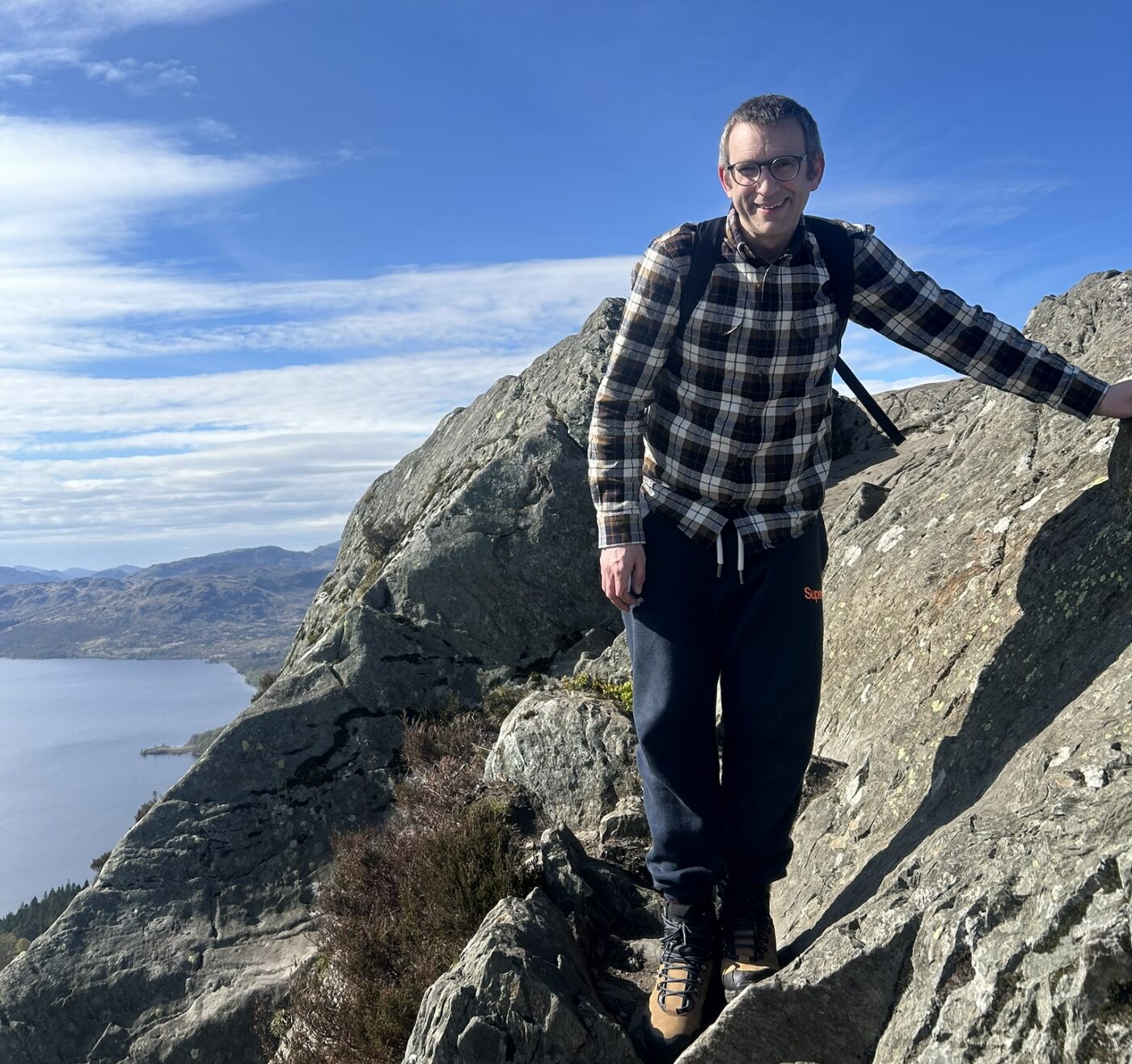

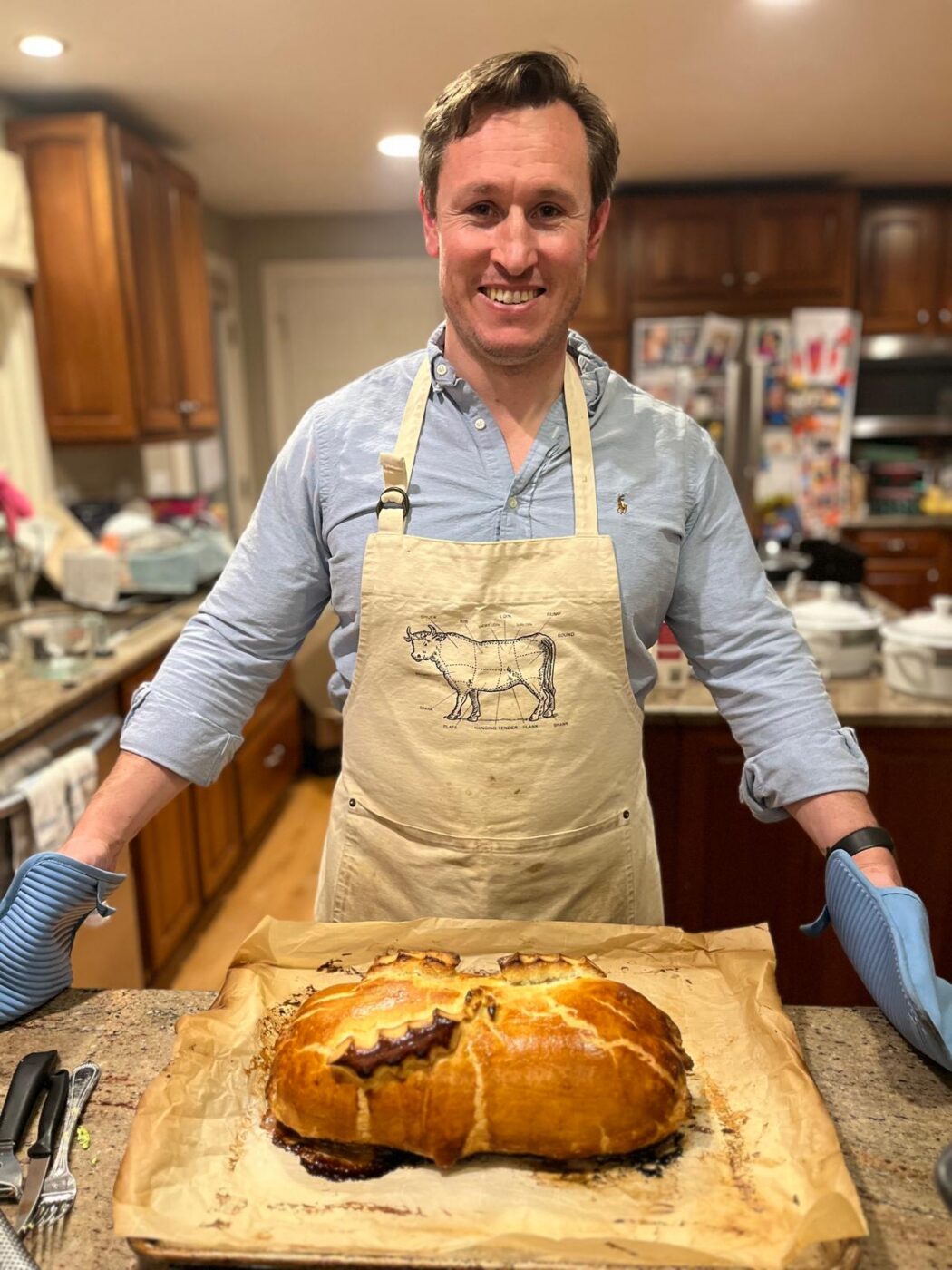



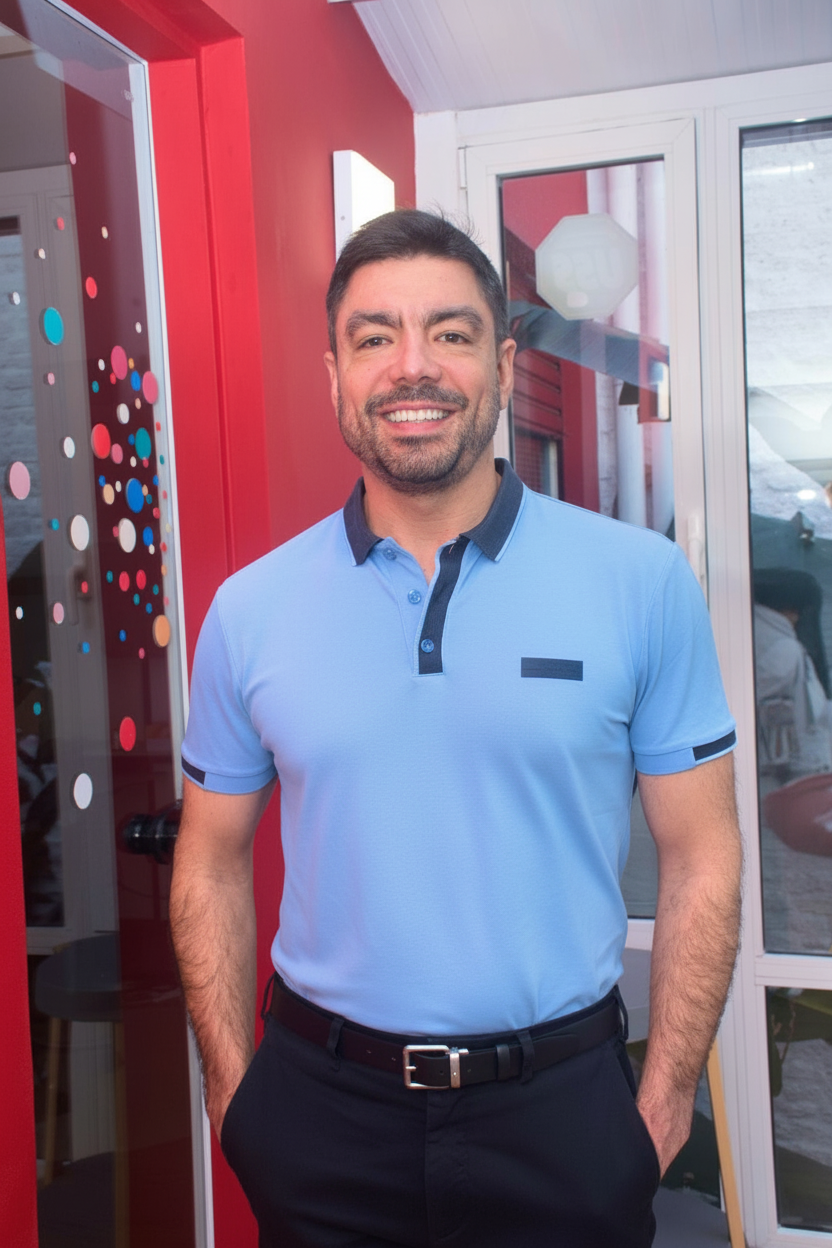



 Order a Search Now