From pharmaceutical patents to international policy, Claire Gregg has built a career that combines scientific expertise, legal insight and professional leadership. As a Principal at Davies Collison Cave in Australia, she is passionate about complex patent disputes, mentoring the next generation of practitioners and strengthening Australia’s contribution to the global intellectual property community. Quick Profile […]
5th August 2026
From pharmaceutical patents to international policy, Claire Gregg has built a career that combines scientific expertise, legal insight and professional leadership. As a Principal at Davies Collison Cave in Australia, she is passionate about complex patent disputes, mentoring the next generation of practitioners and strengthening Australia’s contribution to the global intellectual property community.
Areas of Expertise: Chemistry and pharmaceuticals, patent strategy, litigation support, IP policy, mentoring and professional leadership
Finding the perfect balance between science and law
Growing up, Claire Gregg imagined a very different legal career.
Inspired by the criminal law dramas she watched with her mother, she initially set out to become a lawyer. After starting a law degree, however, she found herself increasingly drawn to science instead, eventually pursuing organic chemistry and completing a PhD.
Everything changed when another researcher in her laboratory mentioned they were leaving to become a patent attorney.
“They started telling me about it and I was like, ‘Wait, so I can do law and science without being a lawyer. That’s great.’ It really spoke to me that I could combine both in one profession.”
From that point onwards, Claire knew she had found the career she’d been looking for.
More than two decades later, she says that same combination of science and law continues to keep her engaged.
“The science is always changing. The law is always changing. You learn something new every day. I love that constant intellectual stimulation.”
Drawn to the most challenging work
Today, as a Principal at Davies Collison Cave, Claire specialises in chemistry and pharmaceutical patents, with a particular focus on patent strategy, disputes and litigation support.
While many patent attorneys enter the profession as an alternative to academia, Claire’s motivation was different. She had always wanted to return to law, and intellectual property gave her the opportunity to combine legal reasoning with scientific expertise.
Litigation, in particular, appealed because of the complexity involved.
“That’s where the deepest, most challenging intellectual arguments, reasoning and opportunities come from,” she explains. “I like the depth of knowledge that’s required.”
She also enjoys knowing that her work can make a genuine difference to clients who have invested years of research and significant resources into developing innovative technologies.
One recent highlight was being part of the team that secured Australia’s first preliminary injunction in a pharmaceutical patent case for eight years for Johnson & Johnson, an achievement she describes as particularly rewarding.
Her motivation stems from the enjoyment she has found throughout her own career.
“This profession has given me so much,” she says. “I wanted to give back.”
Professional organisations provide opportunities to help shape law and policy, but just as importantly, they create opportunities to learn from others.
“Everyone you connect with, you learn something new from them and you can teach them something new as well.”
For Claire, stepping outside the immediate environment of her own firm has broadened both her thinking and her understanding of the profession.
Why Australian patent attorneys stand out
Although Australia’s patent attorney profession is relatively small, Claire believes it consistently makes a significant contribution internationally.
She describes Australian practitioners as naturally outward-looking, something shaped by the country’s need to work closely with overseas jurisdictions.
“We’re relatively sophisticated for our size,” she says. “We really have to invest in learning about other systems and being across all of that for our clients.”
That international mindset has also given Australian practitioners an important voice in global discussions.
Claire believes Australia’s patent system strikes a thoughtful balance between protecting applicants’ rights while recognising the interests of third parties. Through her work with international organisations, she has seen elements of the Australian approach recognised as valuable examples during discussions on harmonisation.
More than anything, she believes Australian practitioners understand how their jurisdiction fits into the wider international IP landscape.
Looking beyond Australia’s borders
International collaboration has become one of the most rewarding aspects of Claire’s career.
Through organisations including IPTA and FICPI, she has worked alongside practitioners from many different jurisdictions, contributing to discussions on policy while learning how different countries approach similar legal and commercial challenges.
“It teaches you the value of having a perspective that’s bigger than your own jurisdiction,” she says. “There are so many different ways of practising, different commercial problems and different historical angles on the law.”
Those experiences have reinforced her belief that Australia has much to contribute internationally. Although relatively small, she believes Australia’s patent system has developed a strong balance between the rights of applicants and third parties, and she has been encouraged to see aspects of the Australian approach considered in wider discussions around international harmonisation.
For Claire, international collaboration is most valuable when every jurisdiction has the opportunity to contribute. Different perspectives strengthen policy, improve understanding and ultimately benefit the global IP profession.
Turning great research into global success
Australia has a long history of producing world-class scientific research, and Claire believes the country’s greatest opportunity now lies in turning more of that research into commercial success.
“We’ve got world-leading universities, world-leading research and world-leading science going on here,” she says.
The challenge, in her view, is supporting innovators to take those discoveries beyond the laboratory.
She believes government policy, investment and increasing awareness of intellectual property all have important roles to play in helping Australian innovation reach global markets.
Recent initiatives focusing on commercialisation give her confidence that progress is being made, while research institutions are becoming increasingly strategic in how they manage intellectual property and build partnerships.
If that momentum continues, Claire believes Australia is well placed to strengthen its role within the international innovation landscape.
Investing in future talent
Developing future professionals is something Claire regards as both a responsibility and one of the most rewarding parts of her career.
“The ongoing viability of our profession depends on it,” she says.
She credits many of her own achievements to mentors who invested time in her development and believes supporting the next generation is simply paying that investment forward.
Mentoring also provides opportunities to learn.
“They think about things really differently,” she says when discussing younger professionals entering the IP profession.
Claire has noticed that newer generations often place greater emphasis on work-life balance and wellbeing, while seeking meaningful work much earlier in their careers. Rather than viewing those differences negatively, she believes every generation has something valuable to contribute.
“I don’t think any of those things are good or bad. It’s just different.”
Understanding people as well as patents
Alongside her legal and scientific expertise, Claire has also studied psychology and trained as a Mental Health First Aid Officer.
Rather than fundamentally changing her leadership style, she believes it has helped her better understand how people respond differently to pressure, motivation and challenging situations.
“Everyone responds differently to pressure and challenges. Everyone’s motivated differently.”
The training has also helped her recognise when colleagues may not be okay and, importantly, how to help them access appropriate support while maintaining healthy personal boundaries.
It reflects a leadership approach built on empathy, understanding and recognising that no single management style works for everyone.
Outside the office
When work allows, Claire enjoys slowing the pace.
Her three cats are, she says with a smile, “the best part of my life”, and spending time with them provides the perfect way to switch off.
She also enjoys writing, although she admits that even when she sits down to write for pleasure, she often finds herself producing articles about patent law.
Home improvement projects provide another creative outlet, from decorating to tackling practical jobs around the house.
Travel remains another passion. Although conferences regularly take her around the world, Claire always tries to extend work trips so she can experience more of the places she visits.
Europe is a favourite destination because of its history, culture and food, while countries such as Egypt, India and Cuba have left equally lasting impressions.
Looking ahead
Reflecting on her career, Claire finds it impossible to identify a single achievement that stands above the rest.
Becoming a Principal at one of Australia’s leading IP firms, contributing to a landmark pharmaceutical patent case, serving on the IPTA Council, becoming Vice President and writing for respected IP publications have all brought different kinds of satisfaction.
Yet perhaps the strongest thread running through her career is something less tangible.
She has never viewed intellectual property as simply a profession or a personal career path. Instead, she sees it as a community that benefits from curiosity, collaboration and a willingness to invest in others.
“I don’t see it as just being about me and my career,” she explains. “I love this profession and it means a lot to me. It’s part of who I am, so I want to make sure it’s in really good shape when I eventually leave it.”
Whether advising clients, mentoring future patent attorneys, helping shape policy or representing Australia internationally, Claire continues to be driven by the same curiosity that first led her to intellectual property: the opportunity to keep learning while helping others do the same.
Meet the IP Professional is a PatWorld interview series exploring the people and perspectives shaping the intellectual property profession. Discover more interviews in the Meet the IP Professional hub, and find out more about PatWorld, a global IP search provider working with IP professionals worldwide to support informed patent, design and trade mark decisions, on our About Us page.
Charlotte Duly is a Partner in the Trade Mark Group at D Young & Co, where she advises clients on protecting and managing global trade mark portfolios. Combining legal expertise with teaching, writing and professional leadership, she believes curiosity, commercial thinking and a passion for learning are essential to delivering better outcomes for clients. Quick […]
22nd July 2026
Charlotte Duly is a Partner in the Trade Mark Group at D Young & Co, where she advises clients on protecting and managing global trade mark portfolios. Combining legal expertise with teaching, writing and professional leadership, she believes curiosity, commercial thinking and a passion for learning are essential to delivering better outcomes for clients.
Quick Profile
Name:Charlotte Duly Role: Partner, Chartered Trade Mark Attorney and Solicitor Firm / Organisation:D Young & Co LLP Location: London, UK Areas of expertise: Trade mark strategy, global portfolio management, clearance, prosecution, enforcement, disputes and brand protection
From science to trade marks
Charlotte’s route into intellectual property was far from conventional. Originally intending to pursue a career in science, she worked in a laboratory before exploring other options. A family friend suggested patent law, introducing her to a profession she had never previously encountered.
While studying for a Master’s degree in Intellectual Property, everything changed during a memorable lecture on trade marks.
The lecturer brought legal principles to life using real-world examples, including famous branding disputes illustrated with everyday products. More than twenty years later, Charlotte still remembers that session and the excitement it created.
Although she applied for both patent and trade mark roles, she realised the creative and commercial nature of trade marks suited her far better.
“I got my first job in trade marks and I haven’t looked back.”
Learning beyond day-to-day practice
Throughout her career, Charlotte has combined client work with writing, teaching, examining and committee roles. Rather than viewing these as separate activities, she sees them as opportunities to become a more rounded adviser.
Trade mark law spans countless industries, jurisdictions and legal systems. One day may involve pharmaceuticals, another fashion, financial services or food and drink. That variety means continual learning is part of the profession.
Charlotte believes exposure to different people, perspectives and ways of working ultimately benefits clients.
“The more you learn, the better you become in this field.”
Writing articles, presenting seminars and contributing to professional organisations have all broadened her understanding while allowing her to share knowledge with the next generation of IP professionals.
Finding the right team
Charlotte joined D Young & Co just over a year ago, moving from a large international full-service law firm to a specialist intellectual property practice.
Although the legal work remains familiar, she values being surrounded by colleagues who share the same enthusiasm for intellectual property.
She describes the firm as supportive, creative and agile, allowing the team to focus on delivering the best possible service to clients.
Perhaps most importantly, she feels she has found a team with shared values.
“I’ve found my people.”
Watching brands grow
One of the most rewarding aspects of Charlotte’s work is guiding clients from the earliest stages of brand development through to international protection.
It begins with trade mark clearance, helping clients determine whether a proposed name can be used and registered. From there, she develops filing strategies tailored to commercial ambitions, budgets and future growth.
The greatest satisfaction comes much later.
Whether spotting a client’s advertisement in an airport, seeing a product on a supermarket shelf or encountering a brand overseas, Charlotte enjoys knowing she played a small part in helping bring it to market.
There is, she says, a genuine sense of pride in watching a brand develop from an idea into something recognised around the world.
Advice that evolves with experience
Charlotte believes one of the biggest changes in any attorney’s career is moving from purely legal advice towards more commercially focused guidance.
Technical knowledge remains essential, but experience brings greater confidence in balancing legal risks with business realities.
The wider environment has also changed dramatically since she entered the profession.
Social media transformed brand protection. Domain names evolved. Artificial intelligence has introduced new challenges. Advisers must constantly reassess how businesses protect, enforce and develop their trade marks.
That means today’s advice cannot simply rely on yesterday’s experience.
Instead, Charlotte believes advisers should always be looking ahead, considering not only current risks but also how decisions made today will affect clients several years into the future.
Contributing to the wider profession
Charlotte has served on committees including CITMA and MARQUES, experiences she says have provided valuable insight into challenges facing the profession beyond individual client matters.
Committee work exposes wider issues affecting practitioners, encourages collaboration and helps shape the future direction of the profession.
It also prevents professionals becoming isolated within their own practices.
By hearing different perspectives and contributing to industry discussions, attorneys gain a broader understanding of both the legal landscape and the practical challenges facing colleagues and clients alike.
Charlotte encourages others to become involved, even for a relatively short period.
“It’s really interesting… and you get to help shape the profession going forwards.”
Why curiosity matters
Asked what qualities make the biggest difference over the long term, Charlotte highlights two.
The first is attention to detail. Trade mark practice depends heavily on dates, evidence and precise factual analysis.
The second is curiosity. Rather than answering only the immediate question, she believes good attorneys take time to explore whether there are additional issues, opportunities or risks that clients may not yet have considered.
Spending just a few extra minutes investigating can often uncover something important.
That willingness to dig deeper, she believes, leads to stronger advice and better client outcomes.
The changing face of brand protection
Charlotte sees artificial intelligence as one of the most significant developments affecting both practitioners and brand owners.
AI has made copying websites, branding and creative content faster and easier. Fake social media accounts continue to appear, while counterfeit products and imitation branding remain persistent challenges.
For many businesses, enforcement has become an ongoing balancing act.
Resources are finite, so advisers must help clients decide where time and money will have the greatest impact.
As technology continues to evolve, Charlotte believes the strategic role of trade mark attorneys will become even more valuable.
Businesses increasingly recognise that brands are among their most important commercial assets, making effective protection and enforcement more critical than ever.
Beyond legal expertise
If Charlotte could introduce one new subject into every aspiring trade mark attorney’s training, it would not be another legal module.
Instead, she would focus on management skills.
Attorneys quickly find themselves managing clients, expectations, deadlines and, later in their careers, colleagues and teams.
These conversations are often challenging, yet many professionals receive little formal preparation for them.
Charlotte believes developing these people skills early would benefit both clients and the profession.
Outside the office
Away from work, Charlotte’s life revolves around her two young sons, who keep her busy as what she jokingly describes as a “taxi service” and part-time sports coach.
When she finds time for herself, she heads out for a run.
She is quick to point out that she is neither the fastest nor the longest-distance runner, but that is beside the point.
Running gives her space to clear her mind, let thoughts come and go, and recharge before the working day begins.
Living close to Tooting Common provides the perfect setting, and she admits she particularly enjoys running in the rain.
Looking ahead
After more than two decades in trade marks, Charlotte remains as enthusiastic about the profession as when she first discovered it. She believes the legal landscape will continue to evolve, particularly as AI and new technologies reshape how brands are created, protected and enforced.
What excites her most is that there is always something new to learn. Whether advising clients, teaching future practitioners or contributing to the profession through committee work, she sees intellectual property as a career that never stands still. For Charlotte, curiosity, collaboration and a willingness to keep learning are what make the profession both rewarding and enduring.
Meet the IP Professional is a PatWorld interview series exploring the people and perspectives shaping the intellectual property profession. Discover more interviews in the Meet the IP Professional hub, and find out more about PatWorld, a global IP search provider working with IP professionals worldwide to support informed patent, design and trade mark decisions, on our About Us page.
Ask Jason Boakes what has changed most during his career and his answer might surprise you. While technologies, industries and client expectations continue to evolve, he believes the qualities that define an excellent patent attorney have remained remarkably consistent. As a Partner and co-founder of Secerna LLP, he has built his career around technical excellence, […]
15th July 2026
Ask Jason Boakes what has changed most during his career and his answer might surprise you. While technologies, industries and client expectations continue to evolve, he believes the qualities that define an excellent patent attorney have remained remarkably consistent. As a Partner and co-founder of Secerna LLP, he has built his career around technical excellence, trusted relationships and honest advice, principles he believes remain at the heart of effective patent practice.
Quick Profile
Name: Jason Boakes Role: Partner Firm: Secerna LLP Location: York, United Kingdom Areas of expertise: Patent drafting and prosecution, IP strategy, contentious patent matters, business leadership, mentoring and client relationship management.
Discovering a profession he never planned to join
Like many patent attorneys, Jason’s route into intellectual property began through curiosity rather than a carefully mapped career plan. Sponsored by Pilkington Glass during his science studies, he encountered an in-house patent team and discovered a profession that combined science, law and commercial problem-solving.
After training with Page White & Farrer in London, two decisions shaped his career. The first was returning to his native Yorkshire. The second, and perhaps the defining moment of his career, came years later when he left his role as an equity partner at HGF to establish Secerna alongside his business partner, Charlotte. Building a new firm brought into focus the challenges and responsibilities Equity partners in independent firms face, namely business leadership and management alongside technical client work.
More than a patent attorney
Jason is keen to distinguish between being a patent attorney and being an equity partner.
While the technical work remains central to his role, leading an independent practice requires balancing many different responsibilities. Alongside client work, he is responsible for helping shape the firm’s direction, supporting its people and ensuring the business continues to grow sustainably.
“We manage the functioning of the firm, what its priorities are and the tone that we want to set for the business,” he explains.
His role combines technical patent work with mentoring colleagues, developing international client relationships and helping shape the future direction of the business. That variety is one of the aspects he enjoys most.
Despite the variety, Jason remains closely connected to the technical work that first attracted him to the profession.
“If you found a firm, it is because you probably love what you do,” he says. “And I am no exception.”
Rather than viewing work as something to endure before life begins, he sees it as an opportunity for continual learning, challenge and personal growth.
That enthusiasm continues to shape the way he approaches both leadership and client service.
Why the fundamentals still matter
The original theme of our conversation centred on the evolving role of the patent attorney. Interestingly, Jason challenges the premise itself.
While acknowledging that technology, client expectations and the innovation landscape have changed significantly, he believes the core responsibilities of a good patent attorney have remained remarkably consistent.
“I don’t think their role has changed enormously,” he says.
Early-career attorneys still need to develop technical expertise, master the principles of patent law and produce work of the highest quality. Those foundations, he believes, are just as important today as they were when he entered the profession more than thirty years ago.
Innovation now spans an extraordinary range of technologies, while businesses of every size increasingly recognise the value of intellectual property. That growth has expanded both the number and diversity of clients seeking specialist advice. At the same time, technical disciplines have become increasingly specialised.
“When I started, I studied physics so I was the physics guy,” Jason explains. “Now you’re the AI person or the bioinformatics person. The technology areas within what were themselves dedicated subject areas, where significant activity occurs, have become much more specialised.”
He also recognises that younger attorneys are becoming involved in business development earlier in their careers.Rather than seeing this as a fundamental shift in the profession, however, he views it as a natural response to a more competitive marketplace and a broader client base. As firms grow and client expectations evolve, opportunities to build professional networks and contribute to business development arise earlier in many careers than they once did.
The essential qualities, however, remain unchanged: technical excellence, attention to detail, sound judgement, empathy and a genuine commitment to helping clients succeed.
Every client is different
Jason believes effective advice begins with understanding each client’s ambitions, resources and appetite for risk. Some organisations have sophisticated in-house IP teams who control the IP strategy of the organisation, while others require much more guidance. Rather than applying a standard formula, he tailors his advice to reflect each client’s commercial objectives and practical realities.
Building relationships that last
For Jason, technical expertise is only one part of being an effective patent attorney. Equally important is building relationships founded on trust, openness and honesty.
“One of the most valuable lessons,” he says, “is telling people what they need to hear, not what they want to hear.”
Whether delivering good news or bad, he believes clients value straightforward advice delivered promptly. Delaying difficult conversations rarely improves the outcome, whereas honesty allows clients to make informed decisions and move forward with confidence.
“People understand that things don’t always work out perfectly,” he explains. “As long as you’re straight with your client and you’ve done everything you can to help them, that usually goes okay.”
It is a pragmatic approach, reflecting his wider belief that long-term relationships are built on trust rather than simply technical capability.
The qualities that endure
Asked what qualities matter most for the next generation of patent attorneys, Jason points not to trending attributes but to enduring attributes: curiosity, professionalism, technical understanding, attention to detail and pride in producing excellent work. Clients recognise quality, and those standards remain as important today as ever.
A profession of many hats
Outside the profession, manypeople assume patent attorneys spend most of their time drafting patent applications.Jason smiles at the misconception.In reality, the work is far more varied.
Depending on the needs of clients, his work ranges from drafting and contentious matters to leading teams and advising on complex projects.
He describes the role as continually changing, with priorities shifting according to the challenges clients are facing.That variety is one of the aspects he enjoys most.
Rather than becoming repetitive, every new project brings different technologies, different commercial considerations and different opportunities to solve problems.
As an equity partner, he is often involved when clients face particularly complex issues or require strategic oversight across larger teams, adding another dimension to an already varied role.
Outside the office
Although Jason speaks enthusiastically about his work, he is equally happy to admit that switching off doesn’t necessarily involve one defining hobby. Instead, he enjoys a wide variety of interests that allow him to recharge in different ways.
Over recent years he has owned a racehorse, enjoys spending time with friends and has discovered an unexpected enthusiasm for gardening.
Among his proudest achievements is planting around 140 David Austin roses, which now occupy a prominent place in his garden.
“I spend a lot more time pruning roses than I ever thought I would,” he laughs.
His favourite is the elegant white Macmillan Nurse rose, chosen not only for its appearance but perhaps also, he jokes, because as a Yorkshireman he feels obliged to favour white roses.
Home life also includes a Nova Scotia Duck Tolling Retriever, whose intelligence sometimes manifests itself as an unwavering belief that he is the one in charge. The dog has become a popular visitor at the Secerna office, where colleagues are encouraged to bring their own dogs into work from time to time.
Looking ahead
After more than three decades in the profession, Jason remains enthusiastic about patent law. Technology will continue to evolve, but he believes the foundations of excellent patent practice remain constant: technical excellence, trusted relationships and honest advice. Those principles continue to guide both his own career and the culture he is helping build at Secerna.
Meet the IP Professional is a PatWorld interview series exploring the people and perspectives shaping the intellectual property profession. Discover more interviews in the Meet the IP Professional hub, and find out more about PatWorld, a global IP search provider working with IP professionals worldwide to support informed patent, design and trade mark decisions, on our About Us page.
For Tom Gaunt, Head of Intellectual Property at Lewis Silkin, intellectual property is about far more than filing patents. Drawing on international experience and a commercial mindset, he works with businesses to build IP strategies that support innovation, investment and long-term growth in an increasingly complex technology landscape. Quick Profile Name: Tom Gaunt Role: Head […]
8th July 2026
For Tom Gaunt, Head of Intellectual Property at Lewis Silkin, intellectual property is about far more than filing patents. Drawing on international experience and a commercial mindset, he works with businesses to build IP strategies that support innovation, investment and long-term growth in an increasingly complex technology landscape.
Areas of expertise: Patent strategy, IP portfolio management, commercialisation, licensing, innovation strategy, software, telecommunications, automotive and clean technologies
Discovering a career through Japan
Tom’s route into intellectual property began with a desire to experience life overseas rather than a carefully mapped-out career plan.
Having completed a research master’s in materials engineering, he spotted an opportunity to work in Japan, where companies were filing large volumes of patents in consumer electronics, semiconductor manufacturing and LCD technologies. The role combined his technical background with the opportunity to live abroad, making it an easy decision.
What surprised him was how quickly he fell in love with the profession.
“After spending so long focused on one research project, suddenly I was exposed to new technology every day. I could apply science to commercial problems, think about business strategy and get paid to write arguments. It was an incredible job in an incredible place.”
Working in Japan also shaped the way he approaches clients today. Communicating with non-native English speakers taught him the importance of expressing complex ideas clearly, while long-standing client relationships demonstrated the value of trust built over time.
The experience also gave him a valuable perspective on different approaches to working. Seeing first-hand how dedicated and hardworking his colleagues were reinforced his own belief that sustained performance comes from balancing ambition with wellbeing.
“You can be ambitious and hardworking, but work-life balance is essential if you want to do your best work.”
That philosophy has stayed with him throughout his career and continues to influence the way he leads his team today, creating an environment where people can perform at their best while maintaining a healthy balance outside work.
Looking beyond individual IP rights
Today, as Head of Intellectual Property at Lewis Silkin, Tom leads one of the UK’s largest IP practices within a law firm. Rather than viewing patents, trade marks and litigation as separate disciplines, he believes businesses benefit most when IP advice starts with commercial objectives rather than legal processes.
“Clients don’t come to us asking for patents or trade marks in isolation. They come with business problems and business objectives.”
That shift in thinking has transformed the way his team works.
Instead of treating patent filing as a standalone service, Lewis Silkin brings together specialists from across intellectual property to develop coordinated strategies that reflect each client’s commercial ambitions, budget and long-term plans.
The result is a more integrated approach where patents, trade marks, licensing, enforcement and commercial advice all work together to support growth.
Innovation is becoming increasingly interconnected
Much of Tom’s work sits at the intersection of multiple technologies.
Software, communications, automotive engineering and clean technologies increasingly overlap, creating opportunities but also greater complexity.
“What we’re seeing is a convergence of technology. Businesses that historically had very little overlap are now colliding.”
Modern vehicles, for example, increasingly rely on software, communications and perception technologies alongside traditional engineering. That means organisations need IP strategies that help them navigate collaboration, overlapping technologies and increasingly competitive markets.
Rather than focusing solely on protecting inventions, Tom helps businesses build portfolios that give them options for future commercial negotiations, partnerships and growth.
Thinking strategically from the outset
One of the biggest changes Tom has seen over the past decade is the growing recognition that intellectual property extends far beyond patents.
When working with innovative businesses, particularly those establishing R&D functions for the first time, he encourages them to think about all forms of intellectual property together.
“Businesses often see innovation as producing patent applications. We encourage them to think about a whole thicket of IP.”
That wider perspective includes trade secrets, confidential know-how, design rights, employment arrangements and governance processes alongside patents.
By considering these elements from the beginning of an innovation project, businesses retain greater flexibility as technologies develop and commercial opportunities evolve.
Importantly, every conversation starts with the same question.
“What is the business trying to achieve?”
For Tom, the answer should always shape the IP strategy rather than the other way around.
Helping businesses realise the value of innovation
Protecting innovation is only one part of the process.
Tom is particularly interested in helping organisations understand how intellectual property creates commercial value, whether through licensing, investment, partnerships or direct commercialisation.
Businesses may begin with one objective before changing direction as markets evolve, making flexibility essential.
Sometimes that means deliberately choosing not to patent every innovation if retaining proprietary knowledge provides greater long-term advantage.
It also means looking beyond individual patent filings when demonstrating value to investors.
Tom describes work analysing inventor performance by examining historical grant rates, publications and commercial success, helping organisations demonstrate the strength of both their innovation and the teams behind it.
“The value isn’t just in a single patent. It’s much broader than that.”
Collaboration delivers stronger outcomes
For Tom, successful IP advice depends on collaboration across multiple disciplines.
At Lewis Silkin, patent attorneys, trade mark specialists, litigators and commercial lawyers work together throughout the innovation lifecycle, from early horizon scanning through to commercialisation.
Clients also benefit from regular strategic discussions that go beyond individual projects.
Rather than reacting to issues as they arise, these conversations explore market developments, emerging competitors and future technologies that may influence business decisions years ahead.
“It’s about partnering with clients and building the most effective long-term plan.”
The patent attorney of the future
Artificial intelligence is already changing the profession, but Tom believes its greatest value lies in helping patent attorneys spend more time where they add the greatest value.
Routine tasks can increasingly be completed more efficiently, freeing attorneys to focus on strategic thinking, commercial judgement and creative problem-solving.
“It should help you focus on what’s really valuable.”
For those entering the profession, Tom sees learning how to use AI critically and effectively as becoming just as important as developing technical expertise.
In his view, commercial awareness, strategic thinking and the confidence to bridge technical innovation with business objectives will define the next generation of patent attorneys.
Outside the office
Tom believes maintaining a healthy work-life balance is fundamental to performing well professionally.
Outside work, he enjoys hiking, snowboarding and travelling, making sure he always has at least one mountain adventure planned.
Having hiked across the Himalayas, Japan, Korea, Norway and the Alps, one destination continues to stand out.
“Scotland is honestly one of the most beautiful places in the world.”
For Tom, spending time outdoors provides the opportunity to recharge before returning to the demands of leading a large team and advising clients in a fast-moving sector.
Looking ahead
Reflecting on the profession’s evolution, Tom believes intellectual property advisers are becoming increasingly strategic.
Technical excellence remains essential, but today’s clients also need advisers who understand business, investment and commercial growth.
As innovation becomes more interconnected and technologies continue to converge, the role of the patent attorney will increasingly be to help organisations make informed strategic decisions rather than simply protect individual inventions.
Meet the IP Professional is a PatWorld interview series exploring the people and perspectives shaping the intellectual property profession. Discover more interviews in the Meet the IP Professional hub, and find out more about PatWorld, a global IP search provider working with IP professionals worldwide to support informed patent, design and trade mark decisions, on our About Us page.
Alex Brown and Alex Bone are Partners and Patent Attorneys at Venner Shipley, specialising in mechanical engineering inventions and MedTech innovation. Drawing on decades of combined experience, they help businesses ranging from early-stage startups to multinational organisations develop intellectual property strategies that support innovation, investment and commercial growth. Quick Profile Names: Alex Brown & Alex […]
1st July 2026
Alex Brown and Alex Bone are Partners and Patent Attorneys at Venner Shipley, specialising in mechanical engineering inventions and MedTech innovation. Drawing on decades of combined experience, they help businesses ranging from early-stage startups to multinational organisations develop intellectual property strategies that support innovation, investment and commercial growth.
Areas of Expertise: Mechanical engineering, MedTech innovation, patent strategy, patent prosecution, opposition and appeal proceedings, startup support, Unified Patent Court matters
Different routes into the same profession
Although they now work side-by-side within Venner Shipley’s Mechanical Engineering team, Alex Brown and Alex Bone arrived in the patent profession through very different routes.
For Alex Brown, intellectual property was familiar from an early age. His father was a patent attorney, giving him an unusual insight into a profession that many people only discover after university.
After studying Mechanical Engineering at the University of Manchester and spending a short period in IT, he realised he wanted a career that combined technology, law and commercial strategy.
“I knew with the intersection of the technology and the law, a career in the patent profession would tick all the boxes that I was interested in.”
Nearly 25 years later, he remains with the same firm, now leading Venner Shipley’s Mechanical Engineering team.
Alex Bone’s journey was more typical of many patent attorneys. While studying Chemical Engineering at the University of Cambridge, he attended a lecture delivered by a patent attorney who happened to be recruiting.
The profession immediately appealed to him.
After qualifying in private practice, he moved in-house to Novartis, where he worked with medical device technologies before returning to private practice through A.A. Thornton, which later combined with Venner Shipley.
Together, their different backgrounds provide clients with a blend of private practice, in-house and leadership experience.
Why MedTech continues to inspire
Both attorneys have spent much of their careers working with mechanical inventions and MedTech technologies.
For Alex Brown, mechanical engineering has always held a particular fascination because inventions can be seen, touched and understood through physical interactions.
He points out that despite predictions that software and electronics would dominate innovation, mechanical engineering remains highly active and competitive.
This is especially true in MedTech, where seemingly simple devices often contain highly sophisticated engineering.
Drug delivery systems, safety syringes and inhalers may appear straightforward, but tiny mechanical differences can determine whether a device performs reliably and gains acceptance from healthcare professionals and patients.
Alex Bone shares a similar enthusiasm.
He remains fascinated by the ingenuity required to create mechanical solutions to complex healthcare challenges.
Particularly rewarding are the stories behind many MedTech startups.
Often, innovation begins when an entrepreneur encounters a real-world healthcare problem affecting a family member or friend and decides to solve it.
“They go away and come up with a widget that makes their family member’s life better in some small way, and then they try to make that into a product.”
The changing face of MedTech innovation
Over the course of their careers, both attorneys have witnessed significant changes within the MedTech sector.
One of the most notable developments has been the growing integration of engineering, software, electronics and healthcare data.
Alex Bone highlights the rise of personalised medicine, where treatments and delivery systems are increasingly tailored to individual patients rather than broad populations.
Modern devices often combine mechanical delivery systems with sensors, monitoring technologies and connected applications that track patient compliance and treatment outcomes.
At the same time, the availability of health data generated through wearable technologies has opened new opportunities for innovation.
Alex Brown has seen a similar convergence of disciplines.
Where patent matters were once separated into distinct technical areas, many modern innovations now require collaboration between mechanical, software and life sciences specialists.
Artificial intelligence is also beginning to influence product development, intellectual property management and innovation processes across the healthcare sector.
Helping startups avoid costly mistakes
Supporting startups and spin-outs is a significant part of both attorneys’ work.
While innovation may begin with a strong technical idea, both emphasise that intellectual property should be considered from the earliest stages of business development.
According to Alex Bone, one of the most common mistakes is postponing IP discussions until significant time and money have already been invested.
By that stage, businesses may discover third-party patent barriers or realise they have inadvertently disclosed valuable innovations before obtaining protection.
Alex Brown sees similar challenges, particularly among university spin-outs and academic founders.
Researchers are often accustomed to publishing their findings as quickly as possible. However, public disclosure before filing a patent application can seriously undermine protection opportunities.
Ownership issues can also create difficulties.
Without clear agreements regarding who owns newly developed intellectual property, problems may emerge later when businesses seek investment or commercial partnerships.
Both attorneys stress the importance of establishing a clear IP strategy early, even if formal filings come later.
Building confidence for investors and partners
A well-developed IP strategy does more than protect innovation. It can also play a crucial role in attracting investment.
Investors want confidence that the technology they are supporting can be protected and commercialised successfully.
“If there isn’t IP protection around the technology, it’s difficult to persuade someone to invest in something that someone else could easily copy,” explains Alex Brown.
Alex Bone adds that a strong strategy can also reduce uncertainty.
Freedom-to-operate reviews, competitor monitoring and ongoing IP planning help demonstrate that risks have been assessed and managed appropriately.
For startups seeking funding, partnerships or acquisition opportunities, that reassurance can be invaluable.
Navigating a changing patent landscape
The introduction of the Unified Patent Court (UPC) has added another dimension to European patent strategy.
According to Alex Brown, the UPC offers significant opportunities through centralised enforcement across multiple jurisdictions. However, it also introduces strategic decisions regarding risk and protection.
Some businesses embrace unitary patents and central enforcement, while others prefer a more cautious approach using traditional national validations.
Alex Bone notes that many smaller companies are attracted by the cost-effectiveness of obtaining broad European coverage through a unitary patent.
For larger organisations, strategic considerations around enforcement and revocation often play a greater role.
As with many aspects of intellectual property, there is rarely a one-size-fits-all solution.
What makes the profession rewarding
Despite decades in the profession, both attorneys remain enthusiastic about their work.
For Alex Bone, much of the enjoyment comes from problem solving.
Patent prosecution, oppositions and hearings often involve finding creative solutions within strict legal and technical constraints.
Every case presents a new puzzle.
He also enjoys working closely with smaller businesses where intellectual property can have a direct and significant impact on commercial success.
Alex Brown values the trusted relationships he has built with clients over many years.
Being involved early in the innovation process and working alongside research, development and commercial teams provides a deeper understanding of the technologies and businesses he supports.
He also continues to enjoy opposition and appeal work, where high-stakes disputes bring additional challenge and excitement.
Beyond client work, he finds fulfilment in helping to grow teams, develop people and contribute to the strategic direction of the firm.
Outside the office
Away from intellectual property, both attorneys enjoy staying active and spending time outdoors. But perhaps their most obvious shared interest is a passion for cars and motorsport.
For Alex Brown, much of his free time revolves around his three children and their activities. He also plays squash and enjoys track days, combining his engineering background with a love of driving. Over the years he has owned and driven a variety of performance and track-focused cars. Although these days he particularly enjoys extracting the maximum performance from smaller, lighter vehicles.
Alex Bone shares a similar enthusiasm for cars and track driving. While he jokes that some of his automotive adventures have not always gone entirely to plan, including the loss of a TVR during a particularly wet track day, he remains on the lookout for his next classic car project.
Beyond motorsport, Alex Bone enjoys running, walking and spending time outdoors. Regular walks along the South Downs and the Seven Sisters coastline provide a welcome opportunity to switch off. While running offers a chance to clear his mind away from the demands of client work.
Their shared enthusiasm for engineering extends well beyond the office. Reflecting the curiosity and problem-solving mindset that first drew both of them into the patent profession.
Looking ahead
When asked for one piece of advice for MedTech startups, both attorneys returned to a common theme: think about intellectual property early.
Understanding what makes an innovation valuable, identifying the true “crown jewels” of a business and creating a clear IP strategy from the outset can prevent costly mistakes later.
As MedTech continues to evolve through advances in engineering, data, software and artificial intelligence, those foundations are likely to become even more important.
Meet the IP Professional is a PatWorld interview series exploring the people and perspectives shaping the intellectual property profession. Discover more interviews in the Meet the IP Professional hub, and find out more about PatWorld, a global IP search provider working with IP professionals worldwide to support informed patent, design and trade mark decisions, on our About Us page.
Daniel March is a Chartered Trade Mark Attorney and consultant at Two IP. Having worked across private practice, major law firms and global brand portfolios, he brings a practical and client-focused approach to trade mark protection, helping businesses understand the value of their brands and navigate an increasingly complex intellectual property landscape. Quick Profile Name: […]
24th June 2026
Daniel March is a Chartered Trade Mark Attorney and consultant at Two IP. Having worked across private practice, major law firms and global brand portfolios, he brings a practical and client-focused approach to trade mark protection, helping businesses understand the value of their brands and navigate an increasingly complex intellectual property landscape.
Quick Profile
Name:Daniel March Role: Consultant and Chartered Trade Mark Attorney Firm / Organisation:Two IP Location: London, UK Areas of expertise: Trade marks, brand protection, trade mark strategy, portfolio management, client advisory work
A profession few people plan for
Daniel is the first to admit that few people grow up wanting to become a trade mark attorney.
“Most people haven’t even heard of a trade mark attorney,” he says. Like many in the profession, his route into IP was not planned from the outset. While studying law at university, he took an intellectual property module that introduced him to trade marks, patents, copyright and design rights.
The subject sparked an interest that eventually led him away from a traditional legal career path and into the world of trade marks.
What appealed most was the connection to innovation, technology and the products people encounter every day. Rather than focusing solely on legal process, Daniel was drawn to a profession that sits close to product development, branding and commercial decision-making.
Seeing brands come to life
Throughout his career, Daniel has worked with a wide variety of clients, from multinational technology companies to household consumer brands.
Among the organisations he has supported are Nokia, Huawei and Unilever. These experiences gave him a front-row seat to the evolution of technology and the importance of brand protection in highly competitive markets.
Working with mobile phone manufacturers allowed him to witness rapid innovation first-hand. Devices that were once primarily used for making calls have evolved into powerful all-in-one communication and computing platforms, creating increasingly complex trade mark considerations.
His work with Unilever provided a different perspective. Supporting brands such as Hellmann’s, Dove, Lynx, Persil, Domestos and Vaseline offered insight into the extensive work involved in bringing products to market.
One of the aspects Daniel enjoys most is seeing a project progress from an early concept to a product on supermarket shelves or featured in national advertising campaigns.
“There’s a lot of background work that goes into it,” he explains. “When you see the finished product, you know you were involved in helping it get there.”
The importance of understanding clients
A recurring theme throughout Daniel’s career has been the importance of tailoring advice to the client.
One of the most valuable lessons he learned early on was that clients are not simply looking for a list of options. They want guidance.
Rather than presenting every possible route equally, he believes the role of an attorney is to understand the client’s objectives and recommend the most appropriate course of action.
That means adapting communication styles depending on the audience. An in-house counsel may require detailed legal analysis, while a business owner may simply need a clear answer about whether a proposed brand can move forward.
Daniel believes effective advice should be straightforward and accessible.
“You don’t have to use legal language to show expertise,” he says. “The best advice is often the simplest and easiest to understand.”
A new chapter at Two IP
After many years in traditional private practice and large law firms, Daniel recently joined Two IP as a consultant.
The move represented a significant career change. Shifting from an established role to a consultancy environment brought both excitement and uncertainty.
“It’s very daunting,” he says. “The buck stops with you.”
What attracted him to Two IP was the opportunity to build stronger client relationships while enjoying greater flexibility and autonomy.
He values the supportive culture he has found within the firm and appreciates the ability to focus on client service without some of the distractions that can come with larger organisations.
For Daniel, one of the biggest attractions is the ability to focus on client service. The consultancy model allows him to build relationships in his own way, work more flexibly and spend more time on the aspects of the profession he finds most rewarding.
Brands are much more than registrations
One of Daniel’s strongest messages for businesses is that trade marks should not be viewed simply as registrations.
Instead, they should be treated as valuable commercial assets.
A trade mark helps consumers identify the products and services they trust. Over time, that recognition creates loyalty, reputation and commercial value.
“The registration itself may cost a few hundred pounds,” he explains, “but the value of the brand can be enormous.”
For that reason, he encourages businesses to think strategically about brand protection from the outset. That includes conducting proper clearance searches, understanding future growth plans and developing an enforcement strategy to protect rights once they are established.
As online commerce continues to expand globally, these considerations have become increasingly important.
Daniel has also observed how technological developments are changing the profession. While artificial intelligence and automation can speed up tasks such as searching and reporting, he believes human expertise remains essential.
“AI is a tool,” he says. “It can help you work more efficiently, but clients still need advice, judgement and experience.”
Learning from others and paying it forward
Throughout his career, Daniel has benefited from the guidance of mentors and colleagues who helped shape his approach.
One experience that left a lasting impression involved a senior barrister who helped him prepare for professional examinations. When Daniel enquired about payment for the support, the barrister declined.
Instead, he asked for one thing: help the next generation.
That lesson has stayed with Daniel throughout his career and continues to influence the way he works with trainees and junior colleagues today.
He believes professional development extends far beyond formal qualifications.
“Every day is a school day,” he says. “There is always something new to learn.”
Outside the office
Away from work, Daniel enjoys travelling, classic cars and keeping active.
Since moving into consultancy, he has found more flexibility to focus on health and wellbeing and has recently returned to running.
Travel is another passion. Having visited destinations across Europe, the United States, China and the Middle East, he enjoys exploring different cultures, architecture and histories. His next adventure is a trip to Panama.
Daniel is also a keen enthusiast of classic cars, particularly traditional British sports cars. He appreciates the character and styling of older vehicles and enjoys attending car shows whenever time allows.
More recently, he added surfing to the list of activities he has tried, taking to the waves during a trip to Morocco.
Closer to home, he recommends the countryside around Hampstead Heath and Kenwood House, as well as the South Downs near Eastbourne, where he spent time walking with family while growing up.
For those looking for a more challenging walk, Scafell Pike remains one of his favourite hiking experiences.
Looking ahead
Reflecting on a career that has spanned major brands, global clients and significant changes within the profession, Daniel remains enthusiastic about the future of trade marks.
While technology will continue to reshape how attorneys work, he believes the fundamentals remain unchanged.
Successful trade mark practice is built on understanding people, communicating clearly and helping businesses protect the brands that matter most to them.
For Daniel, the key is simple: understand the client, provide practical advice and build relationships based on trust.
Meet the IP Professional is a PatWorld interview series exploring the people and perspectives shaping the intellectual property profession. Discover more interviews in the Meet the IP Professional hub, and find out more about PatWorld — a global IP search provider working with IP professionals worldwide to support informed patent, design and trade mark decisions — on our About Us page.
Saiful Khan is an Owner at Potter Clarkson with more than 25 years of experience in intellectual property. Working across a diverse range of technologies and international markets, he combines technical expertise with a strong commitment to education, diversity and inclusion, and helping clients make informed strategic decisions. Name: Saiful KhanRole: Owner, Patent AttorneyFirm / […]
17th June 2026
Saiful Khan is an Owner at Potter Clarkson with more than 25 years of experience in intellectual property. Working across a diverse range of technologies and international markets, he combines technical expertise with a strong commitment to education, diversity and inclusion, and helping clients make informed strategic decisions.
Name:Saiful Khan Role: Owner, Patent Attorney Firm / Organisation:Potter Clarkson Location: United Kingdom Areas of expertise: Patent strategy, software and AI inventions, telecommunications, international patent prosecution, licensing, diversity and inclusion
Finding the right path into IP
Like many people in the profession, Saiful’s route into intellectual property was not entirely planned.
After completing a PhD, he explored a number of possible career options, including academic research and management consultancy. One opportunity even involved research into spray technologies that reminded him of the needleless injections featured in Star Trek, a programme he readily admits being a fan of.
Ultimately, IP appealed because it brought together technical, commercial and legal thinking. It also played to one of his strengths: translating complex concepts into something others can understand.
“I’ve always been at the interface where I can work with people who are really smart and bring things down to something that can be understood by a wider audience,” he explains.
What convinced him he had found the right profession was the people. Early in his career, he recognised a shared way of thinking and problem-solving among his peers, and that gave him confidence that he belonged in the profession.
Leading through service
Saiful has been an Owner at Potter Clarkson for nearing two decades and previously served on the firm’s Board during a period of significant growth and transformation.
Looking back, he describes leadership as both a privilege and a responsibility. Rather than focusing on personal achievement, he sees leadership as an opportunity to serve others and help create the conditions for collective success.
“It is all about service,” he says. “How do you best serve, given the talents that each person has?”
His approach combines attention to detail with an understanding of the bigger picture. Whether advising clients or helping shape business strategy, he believes successful decision-making requires a deep understanding of people, systems and long-term objectives.
The attraction of variety
One of the aspects Saiful enjoys most about his work is the sheer breadth of technologies he encounters.
His background in engineering and materials science provided a foundation that has allowed him to work across disciplines ranging from medical devices and nanotechnology to telecommunications, software and artificial intelligence.
For Saiful, the appeal lies in the opportunity to continually learn.
“I’ve enjoyed knowing a little bit about this and a little bit about that,” he says. “It’s about understanding.”
That curiosity remains central to his work today and is something he believes is essential for anyone considering a career in patents.
Technology, AI and the importance of critical thinking
Having worked extensively with software-related inventions throughout his career, Saiful has observed first-hand how approaches to patenting software and AI continue to evolve across different jurisdictions.
While examination practices differ between patent offices around the world, he believes many of the established principles used for software inventions will continue to shape the treatment of AI-related technologies.
Beyond the legal and technical questions, however, he is particularly interested in the wider societal impact of AI.
For Saiful, access to information has never been greater, but information alone is not enough.
“Knowledge is at our fingertips, but it is not a substitute for critical thinking,” he says.
He believes education remains as important as ever and is concerned that overreliance on technology could reduce opportunities for people to develop the experience and judgement that come from solving problems themselves.
Rather than replacing human capability, he hopes AI will enhance it.
“What I’d like is for AI to make us smarter and better, not replace our capabilities.”
Understanding what matters to clients
Saiful’s client base ranges from multinational corporations managing extensive patent portfolios to SMEs and individual inventors making critical early-stage decisions.
While the scale may differ, his approach remains consistent: understand what the client is trying to achieve and provide advice that reflects their circumstances.
One question he frequently asks smaller businesses is simple but revealing: “Why is this important to you?”
For larger organisations, conversations often focus on how a particular patent fits within broader commercial and technology strategies. For smaller clients, each decision can carry greater significance.
What he enjoys most is helping clients navigate those choices and becoming a trusted adviser rather than simply a service provider.
The value of an international perspective
International collaboration has been a defining feature of Saiful’s career. Through his work with organisations including CIPA, AIPPI and IP Inclusive, he has developed a global perspective on both the profession and the issues shaping it.
He believes international engagement is fundamental to modern IP practice.
Although patent systems are not fully harmonised, he sees significant commonality across jurisdictions and believes understanding different perspectives leads to better outcomes for clients and the profession alike.
Perhaps more importantly, he says international collaboration reinforces a shared sense of humanity.
“What I find in the IP profession is that there are very, very many like-minded people in the international domain.”
Creating opportunities through diversity and inclusion
Alongside his client work, Saiful is widely recognised for his commitment to diversity and inclusion.
His motivation is straightforward: talent exists everywhere, and the profession should do everything possible to ensure people have the opportunity to succeed.
“For me, it’s always been about talent,” he explains.
Having progressed from what he describes as a position of low privilege to one of significant professional privilege, he feels a responsibility to help others access similar opportunities.
He is particularly passionate about ensuring people are judged on their abilities and potential, rather than their background or personal characteristics.
“What I’d like is for everybody who’s outstanding to be given that opportunity to progress.”
Supporting the next generation
Education and mentoring are also important parts of Saiful’s professional life.
As a tutor and international workshop leader, he values the opportunity not only to share knowledge but also to learn from others.
Teaching reinforces his own understanding while exposing him to different perspectives and approaches.
For those considering a career in patents, he highlights curiosity, analytical thinking and strong communication skills as essential attributes. Technical expertise matters, but so does the ability to understand complex information and confidently defend your own position.
Ultimately, he believes professionals must take responsibility for developing their own judgement rather than relying on others, or technology, to provide the answers.
Outside the office
Away from work, walking has become one of Saiful’s favourite ways to unwind.
Whether enjoying local walks with friends or taking part in guided walking holidays with his wife, he values the combination of exercise, conversation and time outdoors.
Travel also plays a role in helping him recharge. Recent highlights have included walking in Switzerland and exploring the Canadian Rockies, while future plans include a guided walking holiday in Jordan.
Although he admits he does not play as often as he would like, tennis remains another long-standing passion. Given the choice of an alternative career, he jokes that becoming an international tennis player might have been an attractive option.
Looking ahead
When asked what he hopes to see from technology over the next decade, Saiful returns to a theme that runs throughout both his career and his outlook on life: connection.
Drawing on his experience working in telecommunications, he believes the best technologies bring people together rather than drive them apart.
His hope is that future innovations, particularly in AI, will help people become more informed, thoughtful and capable, while maintaining appropriate safeguards and accountability.
“I’d like to see technology make us better human beings.”
Meet the IP Professional is a PatWorld interview series exploring the people and perspectives shaping the intellectual property profession. Discover more interviews in the Meet the IP Professional hub, and find out more about PatWorld, a global IP search provider working with IP professionals worldwide to support informed patent, design and trade mark decisions, on our About Us page.
Phil Sanger is the founder of Grey Wolf IP, where he advises startups and SMEs on patents with the benefit of a technical background in mechanical engineering. He talks about building a flexible, client-focused practice, helping smaller businesses make commercially sensible IP decisions, and using plain language to demystify patents. Name: Phil Sanger Role: Founder and patent attorney Firm / organisation: Grey […]
10th June 2026
Phil Sanger is the founder of Grey Wolf IP, where he advises startups and SMEs on patents with the benefit of a technical background in mechanical engineering. He talks about building a flexible, client-focused practice, helping smaller businesses make commercially sensible IP decisions, and using plain language to demystify patents.
Name: Phil Sanger Role: Founder and patent attorney Firm / organisation: Grey Wolf IP Location: Royal Leamington Spa, England Areas of expertise: Patents, startups and SMEs, mechanical engineering, software, telecoms, commercial IP advice, client strategy, patent education
From engineering to IP
Phil did not start out with a plan to become a patent attorney. He worked as an engineer for nearly four years after university, spending a year in Detroit in the automotive industry before deciding to return to the UK.
When he began looking at other options, a friend who was training as a patent attorney suggested the career might suit him. Phil was intrigued by the exams, the technical challenge and the long-term opportunity. He left engineering and took a role as a trainee at Withers & Rogers.
Building his own practice
The move into private practice eventually led to something more independent. Phil says he had reached a point where he was thinking about whether he really wanted partnership at a large firm or a different way of working.
He was drawn to SMEs, where he felt he could do the best work. A client (also a founder) encouraged him to set up on his own, and the timing felt right. He describes the decision as a mix of professional confidence and the simple belief that you only get one chance at these things.
Why smaller clients matter
Phil’s work now focuses strongly on startups and SMEs. He says every patent matters more to these clients because budgets are tighter and the commercial stakes are higher.
That means the advice has to be closely tied to business strategy. He wants to understand what the business is trying to do and how a patent application fits into that plan. In larger companies, he says, patents can sometimes be treated more like a numbers game. For smaller businesses, they are often core to the value of the business itself.
Engineering as an advantage
His engineering background still shapes the way he speaks with clients. Phil believes people often become guarded when they think they are talking to a lawyer, but technical familiarity from his experience as an engineer helps them relax.
He can talk to inventors in their own language because he has worked as an engineer in both large and small businesses. That experience, he says, helps him get closer to the business and give better advice. He is comfortable stepping beyond his strict technical comfort zone, too, as long as he can understand what the inventor is telling him.
Clear advice, not legal noise
Phil is keen on making IP accessible. He says the key is to understand the law, apply it to the facts and then explain the outcome in simple language.
He does not think attorneys should hide behind options. His preference is to explain the choices and then give a view on what he would do in the client’s position. Clients, he says, value that steer. He also sees education as part of the job, especially for people new to IP who need help understanding what the process means in practice.
Long-term client relationships
A strong client relationship, for Phil, is one where people feel able to pick up the phone without hesitation. He likes it when clients come to him early with ideas, problems and questions, not just with narrow patent instructions.
He also values being the trusted first call, whether that happens by phone, WhatsApp or voice note. Word-of-mouth referrals matter to him as a sign that the relationship is working. In his view, that is one of the best measures of success.
Changing landscape
Phil sees AI as one of the biggest shifts affecting the patent landscape, especially for startups and scaleups. He says many clients are already using AI tools to help shape early patent drafts, which raises questions about confidentiality and quality.
What interests him most is not the final output, but the conversation the client had with the AI while refining the invention. That can reveal useful detail for a quality patent draft.
Business lessons
Running his own firm has taught Phil that professional success and personal fulfilment often come from unexpected places. He says he still loves the work, but owning and running a business is a discipline in itself.
He works with a business coach, and he is still learning about strategy, hiring, marketing and finance. That ongoing learning is part of what he enjoys. He sees business ownership as a long-term skill, not a fixed destination.
Life beyond patents
Outside work, Phil spends much of his time with his two sons. He also plays squash, watches films and goes to gigs. More recently, he has started a year-long fitness programme focused on strength training and staying healthy.
He mentioned music and film with obvious enthusiasm, especially Sinners, which he found memorable for the way it mixes music, history and genre. He is also a fan of films that play with time, which connects neatly to the way he thinks about complex legal ideas.
Explaining law through film
For his pop-culture comparison, Phil chose Tenet. He sees a parallel between the film’s simple core idea and the way priority works in patent law.
Priority, he says, sounds straightforward at first. But once you start working through the practical consequences, it becomes complicated and a little mind-bending, much like how time works in the film. It is a playful but fitting way of showing how he likes to make technical subjects more relatable.
Advice for newcomers
Phil’s advice to anyone considering a move from engineering or another technical background into IP is to get some work experience first. He says the profession is rewarding, interesting and full of different career paths, but it is not engineering.
There is a lot of learning, a lot of exams and a major shift towards words and communication. Even so, he thinks the profession suits people who enjoy challenge and variety. After around 20 years in the field, he still loves it.
Meet the IP Professional is a PatWorld interview series exploring the people and perspectives shaping the intellectual property profession. Discover more interviews in the Meet the IP Professional hub, and find out more about PatWorld — a global IP search provider working with IP professionals worldwide to support informed patent, design and trade mark decisions — on our About Us page.
William Doherty is a Patent Attorney and Director at Albright IP in Cheltenham, where he helps businesses turn complex ideas into clear, commercially useful patent strategies. With a background in physical and theoretical chemistry, he brings a practical, communication-focused approach to patents, while also championing IP education, invention capture and mentoring. Name: William Doherty Role: Patents Director Firm / […]
3rd June 2026
William Doherty is a Patent Attorney and Director at Albright IP in Cheltenham, where he helps businesses turn complex ideas into clear, commercially useful patent strategies. With a background in physical and theoretical chemistry, he brings a practical, communication-focused approach to patents, while also championing IP education, invention capture and mentoring.
Name: William Doherty Role: Patents Director Firm / organisation: Albright IP Location: Cheltenham, England Areas of expertise: Patents, commercial IP advice, invention capture, mentoring, IP education, business-focused patent strategy
From chemistry to patents
William did not set out to become a patent attorney. He says he more or less stumbled into the profession while deciding he did not want to spend the rest of his life in a lab.
What appealed to him was the mix of science, law and communication. He was drawn to taking something complex and often unstructured, then making it clear and usable. That combination, he says, suited him straight away.
Scientific training, practical thinking
His doctoral research in physical and theoretical chemistry still shapes how he works. A DPhil, he says, gives you a high tolerance for uncertainty. His studies involved broken equipment, unclear answers and the need to keep going anyway.
That experience also taught him how hard it can be to explain complex ideas clearly. In his view, people often talk at cross-purposes because they do not share the same starting point. He now spends a lot of time helping clients tease out information early, because clarity can be the difference between an average patent and one that does the job properly.
The role today
As a Patent Attorney and Director at Albright IP, drafting remains a major part of William’s work. He has always enjoyed it, but the role now includes broader responsibilities too.
He says clients want commercial advice, not just a legal document. Understanding the business behind the invention matters just as much as understanding the invention itself. He describes himself as “nosy in the service of better advice”. Understanding why an invention matters commercially, he says, is often just as important as understanding how it works.
Commercial judgment
He states that patents are a commercial tool; You don’t have to have them to run a business, and that you have to bear that in mind as an advisor. One question he asks himself is: “Am I a luxury or an investment?” That means he believes advisers should be honest about whether IP is genuinely useful in a given case.
He talks about the value of doubt, because it forces reflection on whether a service is actually helping the client. At the same time, he is confident that good patent advice can be an investment with a return. Balancing those two ideas, he says, keeps him grounded and helps him avoid legal blather.
Sharing IP more widely
He has also become a familiar voice through podcasts, speaking engagements and educational discussions about IP. That public-facing work began locally, with a focus on helping businesses understand the value of IP.
He believes IP is often seen as something only multinational companies need, which he says is not true. Podcasting, for him, is a good way to reach a wider audience. He is not interested in speaking only to patent attorneys. He wants business owners to understand how to use IP properly from the start.
Invention capture
One of William’s biggest professional frustrations is seeing businesses lose opportunities because valuable innovations were disclosed before anyone realised they should have been evaluated. That experience has made invention capture and innovation processes a major focus of his work. He doesn’t like to see clients regretting IP they failed to capture because they disclosed it publicly too soon.
For him, the answer is education and systematisation. Businesses need to know what to look for, and they need processes robust enough to avoid leaving value on the table. His view is simple: if you are innovating, you should be evaluating at the same time.
Mentoring and confidence
Mentoring junior colleagues is another part of the job he values. He notes that AI may be able to handle some junior-level tasks, but it cannot replace a genuine desire to learn.
What he enjoys most is being around people who want to become the best attorneys they can be. More broadly, he believes confidence is essential in the IP profession. Nervousness shows through to clients and quickly erodes trust. In his view, good advice depends on confidence in the law, the technology and the client’s business.
Outside the office
Outside the office, William has also taken on a role with Cheltenham BID. He joined partly out of curiosity, after spending years seeing the town only through the lens of his own clients and sector.
What excites him about Cheltenham is the density of its commercial ecosystem. He sees many different businesses operating in the same place, but not always in a joined-up way. The opportunity, he believes, lies in those connections, because innovation often comes from overlap rather than isolation.
A wildcard choice
When asked which inventor, scientist or innovator from history he would invite for a live podcast conversation, William chose Kim Kardashian, listed inventor on US10806190. Partly because she’d be a big draw for the audience, and partly because it’s a leftfield pick that shows inventing isn’t just the remit of R&D departments.
He said he’d want to know how she got there and to understand her mindset. His question would be: “Do you think the best innovations come from trying to invent something new, or from being repeatedly frustrated by something that almost works?” He believes that would be very relatable for the audience.
Looking ahead
The lesson that has stayed with William is the need to be comfortable without complete certainty. Early in a career, there is a temptation to look for definitive answers. In practice, he says, much of the job involves making informed judgments with imperfect information.
That shift, from being right to using judgment, has shaped the way he works. The lesson that has stayed with him is that strong advice is rarely about having complete certainty. More often, it is about exercising good judgment when certainty is impossible.
Meet the IP Professional is a PatWorld interview series exploring the people and perspectives shaping the intellectual property profession. Discover more interviews in the Meet the IP Professional hub, and find out more about PatWorld, a global IP search provider working with IP professionals worldwide to support informed patent, design and trade mark decisions, on our About Us page.
Peri Jones is a Chartered UK and European Patent Attorney at Abel + Imray, where she works across physics, engineering, and technology patents. Alongside her IP career, she has built a strong interest in STEM outreach and science communication, helping make complex subjects feel more accessible and encouraging more young people, particularly girls, to consider careers […]
27th May 2026
Peri Jones is a Chartered UK and European Patent Attorney at Abel + Imray, where she works across physics, engineering, and technology patents. Alongside her IP career, she has built a strong interest in STEM outreach and science communication, helping make complex subjects feel more accessible and encouraging more young people, particularly girls, to consider careers in science.
Quick Profile
Name: Peri Jones Role: Chartered UK and European Patent Attorney Firm / Organisation:Abel + Imray Location: Cardiff, Wales Areas of expertise: Physics, engineering and technology patents, science communication, STEM outreach
Finding the right blend of science and communication
Peri’s route into intellectual property began with a long-standing interest in science. Growing up in North Wales, astronomy was always present at home thanks to her father’s passion for telescopes and astrophotography.
“My dad had, and still has, a big interest in astronomy and astrophotography,” she explains. “The house always had telescopes in spare corners.”
She went on to study physics at Cardiff University before completing a PhD in the astronomy instrumentation group. During that time, she also realised she enjoyed communication and writing just as much as the technical side of science.
At university, a talk from a trainee patent attorney changed her perception of what a STEM career could look like.
“I remember thinking this sounds like the perfect job,” she says. “I could combine technical expertise with communication, writing and working with inventors.”
What appealed most was the variety. Rather than focusing on one narrow technical field, she was drawn to the idea of working across a wide range of technologies and industries.
Now part of the Physics, Engineering and IT team at Abel + Imray, Peri works with clients across diverse sectors, from optics and lenses through to aircraft technologies.
Leaving academia behind
Although she enjoyed academic research, moving away from university life was not an easy decision.
“There was a little hesitation,” she admits. “Once you step away from academia, it can be difficult to go back.”
She enjoyed the research process and the collaborative environment of university life, but also recognised the uncertainty that often comes with academic funding.
“I didn’t want to spend my future constantly fighting for funding every couple of years and always worrying about what would happen next.”
The move into patent law gave her a chance to apply the skills developed during her PhD in a more commercially focused environment. Those transferable skills quickly became apparent.
“Writing a thesis helped with writing patent applications, reading research papers helped with reading prior art, and collaborating with different departments helped with dealing with inventors.”
She was also surprised by how quickly trainees become involved in client work.
“I naïvely thought I’d spend the first couple of years training in the background,” she says. “But from day one, you’re involved in real client work.”
The qualification process also brought its own challenges.
“I underestimated how difficult the exams would be,” she admits. “Failing an exam for the first time was a shock, but it definitely made me more resilient.”
Bringing science to wider audiences
Alongside her legal career, Peri has remained heavily involved in STEM outreach and science communication. That interest developed during university, where she became increasingly aware of the gender imbalance in physics.
“I started realising there was quite a big divide between males and females in physics when I was at university,” she says.
During her PhD, she began giving talks and media interviews, often in Welsh, to help make science feel more approachable and visible to wider audiences.
“I really get a kick out of trying to communicate difficult topics to the public,” she explains. “If you break things down properly, they don’t need to feel complicated.”
After completing her doctorate, she spent a year working with science communication company Science Made Simple, delivering talks and workshops in schools and at public events across Wales and beyond.
Peri was also the first Welsh-speaking science communicator employed by the organisation. This allowed them to deliver outreach activities through the medium of Welsh for the first time.
That experience left a lasting impression, particularly when visiting small rural schools across Wales.
“It was really rewarding going into these schools and showing children what they could potentially do,” she says. “A lot of the pupils came from similar backgrounds to mine.”
She believes representation and accessibility are both important when encouraging young people into STEM.
“We need to abolish STEM stereotypes and make science feel fun and accessible to everyone, particularly young girls.”
Communication at the heart of IP
Peri sees strong communication skills as central to both outreach work and intellectual property law.
Recently, she visited a Cardiff primary school where pupils were challenged to invent solutions to everyday problems.
“They came up with brilliant inventions,” she says. “Some were a bit far-fetched, but they were creative and they solved a problem, which was the brief.”
Experiences like these have reinforced the importance of explaining technical ideas clearly and confidently.
“When discussing complex topics, I always try to relate them to something day to day,” she explains. “I think about how I’d explain something to my family.”
That same approach carries through into her work with clients.
“I think being a patent attorney has made me a clearer science communicator,” she says. “You always have to think carefully about your audience.”
Balancing innovation with caution around AI
Like many within the profession, Peri sees artificial intelligence as one of the biggest developments currently shaping the IP landscape.
She believes AI has genuine potential to improve efficiency, particularly when reviewing or summarising prior art documents.
“I’m hoping AI can help make some parts of the process to be more efficient and cost effective,” she says.
However, she is cautious about relying too heavily on the technology.
“AI is a useful tool, but it needs to be used carefully because it isn’t always right.”
She believes the strategic and human elements of patent work remain difficult to replace.
“Writing a good patent application is about much more than describing an invention,” she explains. “You need to understand the client, their business goals and what they want from the patent.”
For Peri, relationships and trust remain central to the profession.
“Patent attorneys work closely with clients and build trust with them. I don’t think that human element can be replaced by AI.”
Life beyond IP
Outside work, Peri enjoys running, cycling and spending time in the mountains of North Wales.
One of her proudest achievements was completing an ultra-marathon along the Welsh coastal path from Penarth to Ogmore.
“It was tiring, but fantastic,” she says. “The weather behaved for once, which was a miracle.”
She is currently focused on returning to pre-baby fitness and hopes to complete the Swansea Half Ironman in the future after postponing the event during pregnancy.
Whenever possible, she still heads back to Snowdonia.
“If you get a clear day in the Welsh mountains, you can’t beat it,” she says. “I’m probably biased because it’s home, but they’re just fantastic.”
Looking ahead
Reflecting on her career so far, Peri believes resilience has been one of the most valuable lessons she has learned.
“Being a patent attorney has definitely made me more resilient,” she says. “It’s a challenging profession, but also a very rewarding one.”
She also hopes more young people will become aware of intellectual property careers earlier in life.
“I didn’t know anything about the IP profession until university,” she says. “That’s why outreach and visibility are so important.”
Contact Details
LinkedIn: Peri Jones LinkedIn Firm Website:Abel + Imray
Meet the IP Professional is a PatWorld interview series exploring the people and perspectives shaping the intellectual property profession. Discover more interviews in the Meet the IP Professional hub, and find out more about PatWorld — a global IP search provider working with IP professionals worldwide to support informed patent, design and trade mark decisions — on our About Us page.
PatWorld Global IP Research Services
Patent, Design, and Trademark Research Experts with a combined experience of over 200 years in Intellectual Property searching. Highly trained, dynamic in-house research teams specialising in a wide range of subject matter. All our analysts follow a training program developed by former IPO Examiners. Our teams are available to discuss any specific technical points regarding your search enquiries.


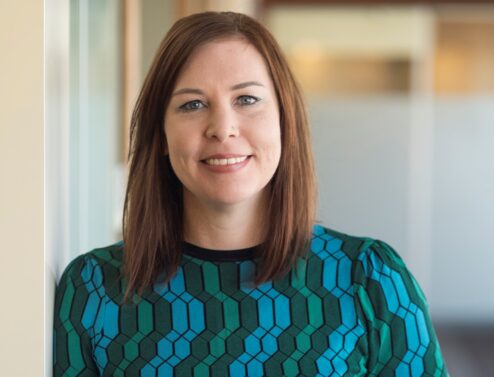



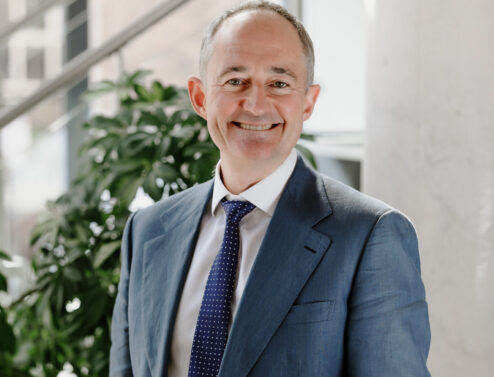

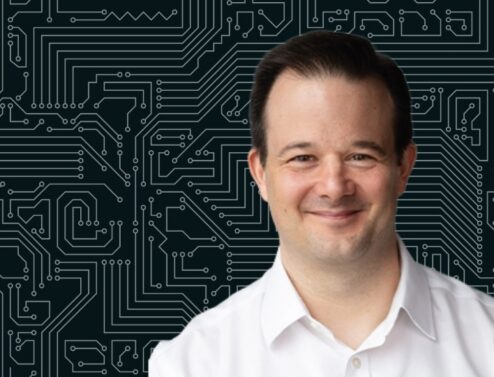

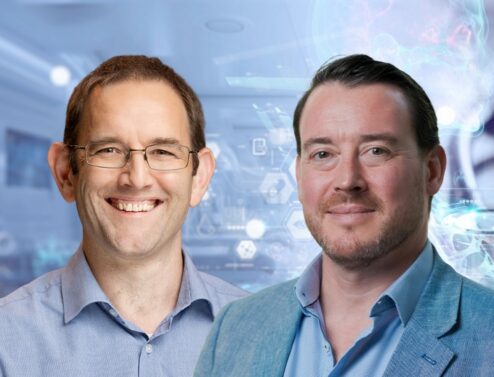


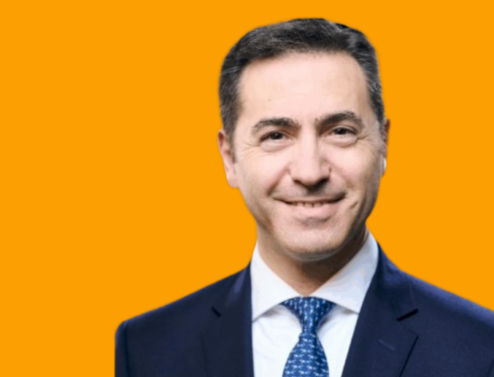
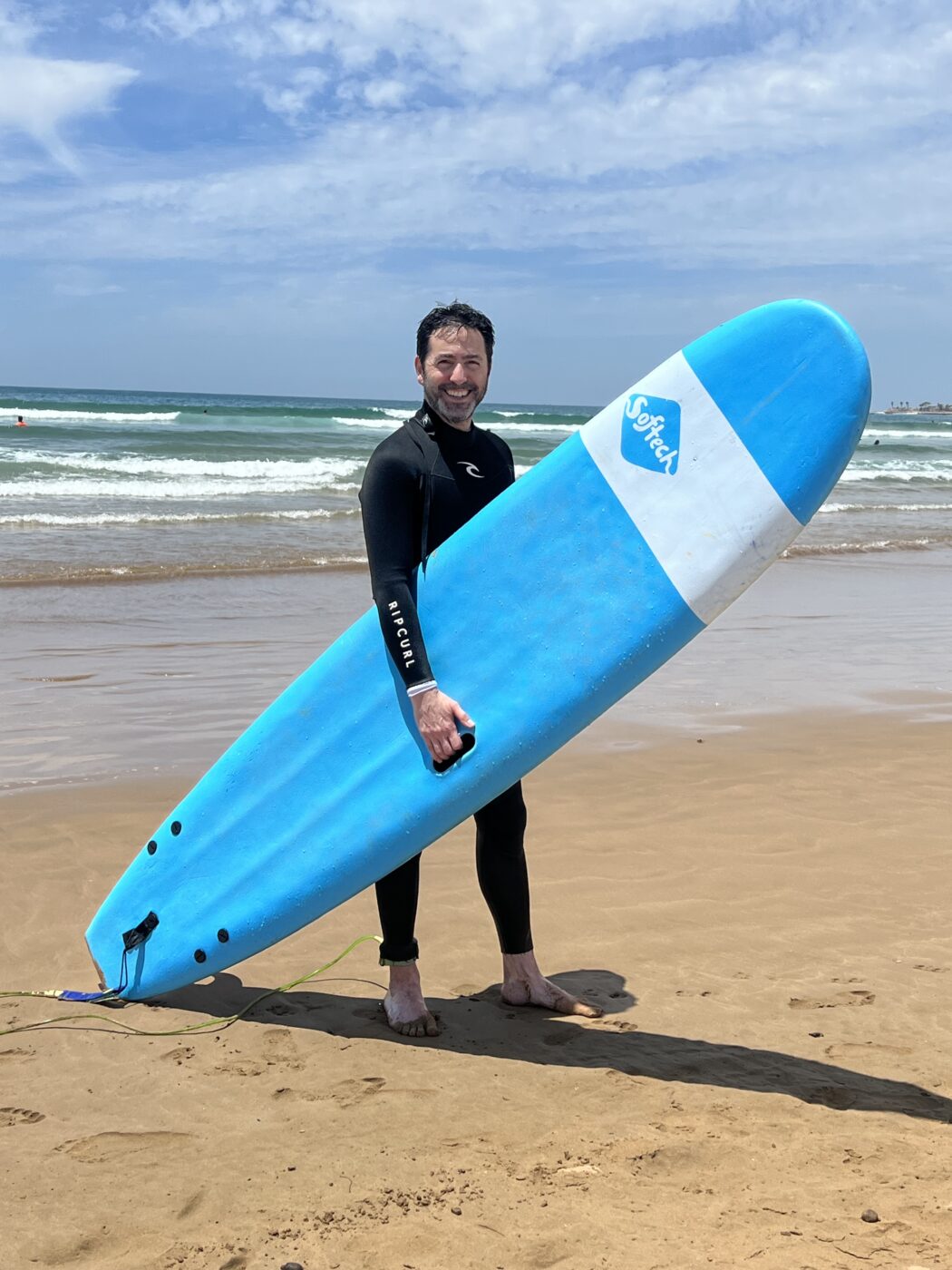
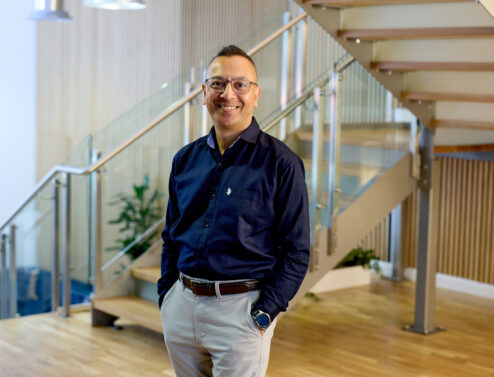
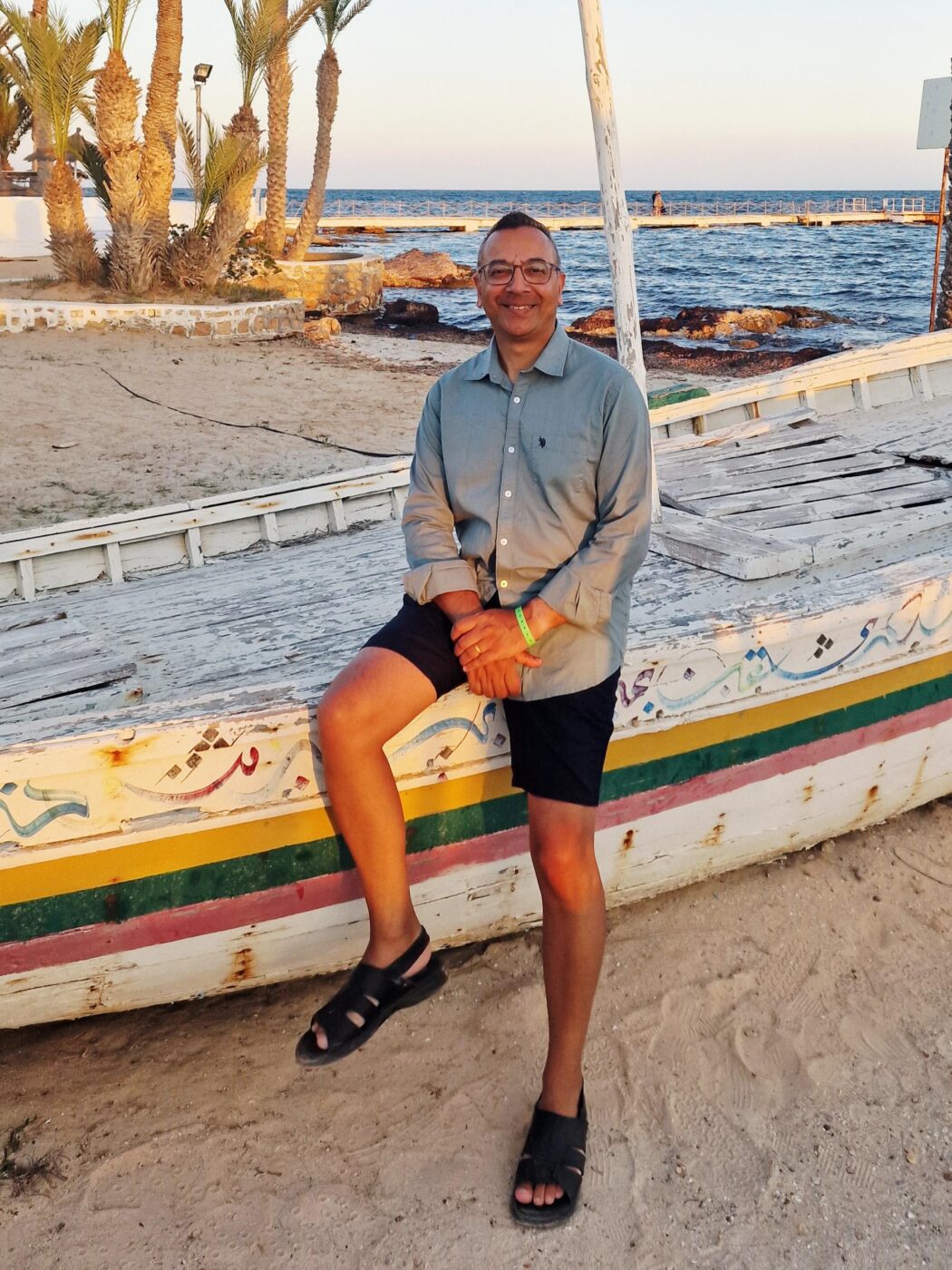
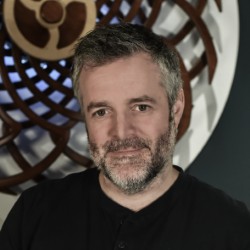

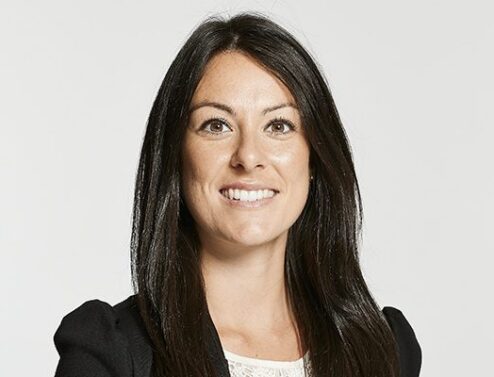

 Order a Search Now